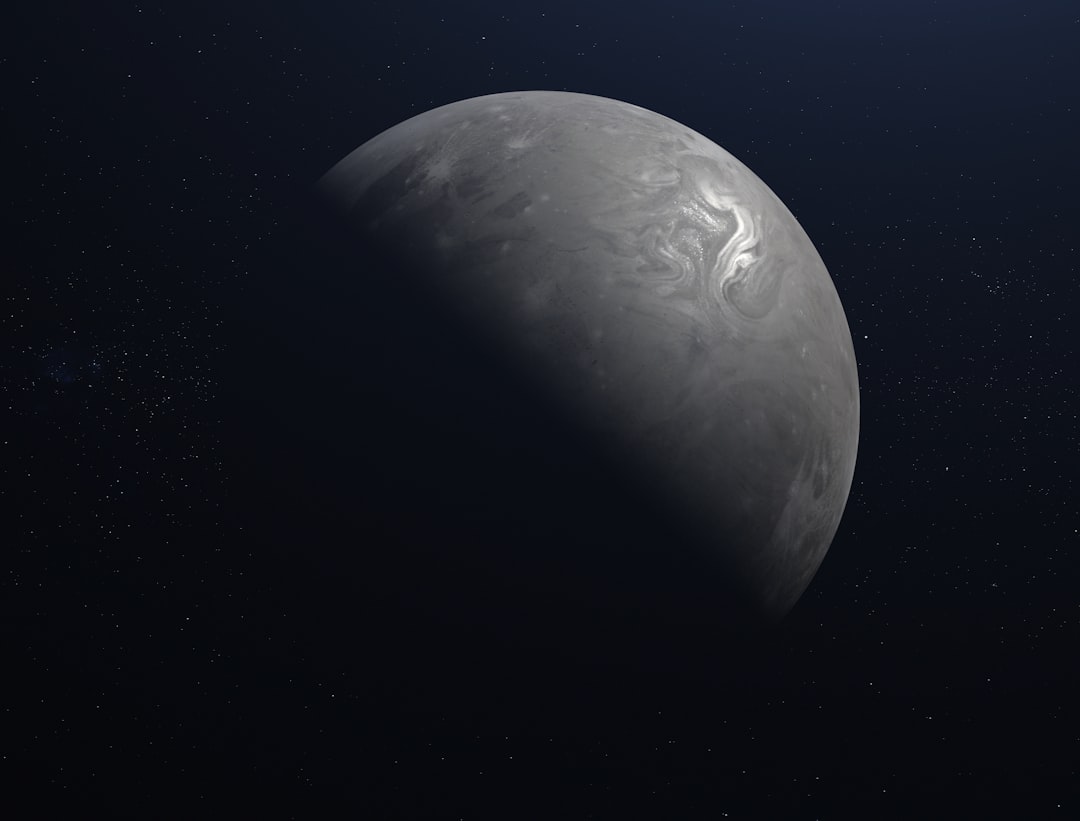
Interstellar objects have long captivated the imagination of astronomers and the general public alike. Among these celestial wanderers, 3I/ATLAS stands out as a remarkable specimen, offering a unique glimpse into the mysteries of our universe. This object, which is believed to have originated from outside the solar system, has sparked significant interest due to its unusual trajectory and composition.
As humanity continues to explore the cosmos, 3I/ATLAS serves as a reminder of the vastness of space and the potential for discovering new phenomena that challenge existing scientific paradigms.
It represents a tangible connection to the processes that govern the formation and evolution of celestial bodies.
By studying 3I/ATLAS, scientists hope to glean insights into the conditions that prevail in other star systems and the materials that may be present in the interstellar medium. This article delves into the discovery, characteristics, and implications of 3I/ATLAS, highlighting its importance in advancing our understanding of the universe.
Key Takeaways
- Interstellar Object 3I/ATLAS is a unique and intriguing celestial body that has captured the attention of astronomers and astrophysicists worldwide.
- 3I/ATLAS was first discovered in 2019 and has since been closely observed and studied to understand its characteristics and composition.
- The object’s unusual characteristics and composition have led to comparisons with other interstellar objects, shedding light on the diversity of such bodies in the universe.
- The potential origins of 3I/ATLAS have sparked theories and speculations, contributing to our understanding of the formation and evolution of interstellar objects.
- The significance of 3I/ATLAS in the field of astrophysics lies in its potential to expand our knowledge of the universe and inspire public interest and awareness in astronomy.
Discovery and Observation of 3I/ATLAS
The discovery of 3I/ATLAS was a significant milestone in the field of astronomy. Detected in October 2019 by the Asteroid Terrestrial-impact Last Alert System (ATLAS), this interstellar object was initially classified as a comet due to its elongated shape and bright tail. The ATLAS program, designed to identify near-Earth objects, inadvertently stumbled upon this interstellar visitor while scanning the skies for potential threats.
The detection marked a pivotal moment, as it was only the second known interstellar object to be observed after ‘Oumuamua, which had been discovered in 2017. Following its discovery, astronomers around the world turned their telescopes toward 3I/ATLAS to gather more data about its trajectory and physical properties. Observations revealed that it was moving at an extraordinary speed, indicating that it was not bound by the gravitational pull of the solar system.
This high velocity suggested that 3I/ATLAS had traveled vast distances through interstellar space before making its brief appearance in our cosmic neighborhood. The collaborative efforts of various observatories allowed scientists to track its path and gather crucial information about its composition and behavior.
Characteristics and Composition of 3I/ATLAS
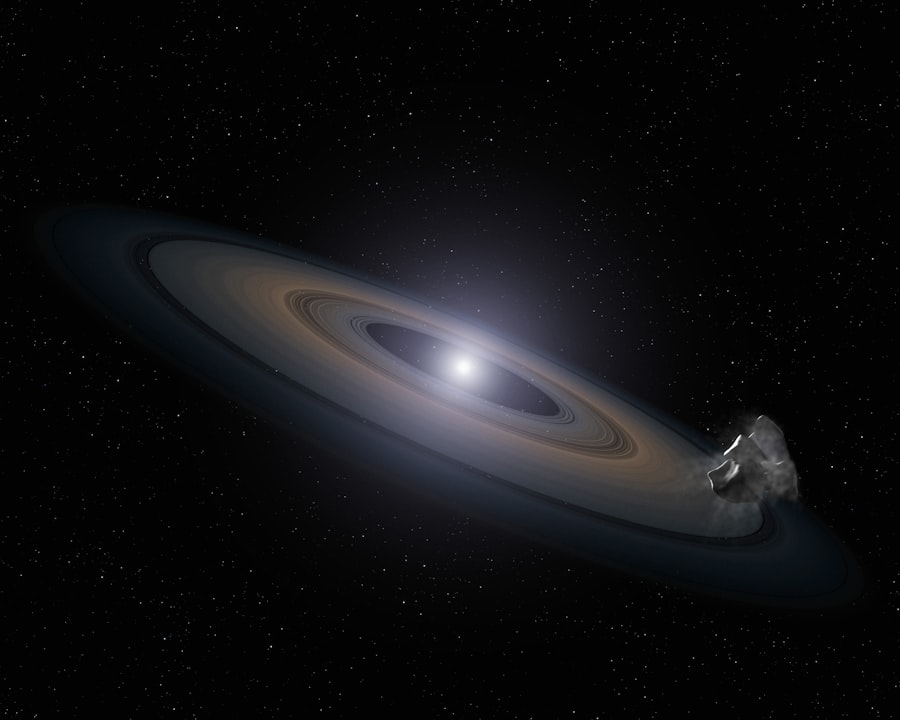
The characteristics of 3I/ATLAS are as intriguing as its origin. Initial observations indicated that it had a highly elongated shape, which is typical for many interstellar objects. Its dimensions were estimated to be approximately 100 meters in length, making it relatively small compared to other celestial bodies within our solar system.
The object’s surface exhibited a reddish hue, suggesting a composition rich in organic materials and possibly metals. This coloration is often associated with the presence of complex hydrocarbons, which can provide clues about the chemical processes that occurred during its formation. In addition to its physical dimensions, the composition of 3I/ATLAS has been a focal point for researchers.
Spectroscopic analysis revealed that it likely contains a mixture of rock and ice, similar to comets found within our solar system. However, what sets 3I/ATLAS apart is its interstellar origin, which raises questions about how such materials are formed in different environments across the galaxy. The study of its composition not only enhances understanding of this specific object but also contributes to broader knowledge about the building blocks of planets and other celestial bodies.
Comparison with other Interstellar Objects
| Interstellar Object | Size (meters) | Speed (km/s) | Composition |
|---|---|---|---|
| Oumuamua | 800 x 80 x 80 | 26.3 | Unknown |
| Borisov | 1-16 | 32.2 | Ice and dust |
When comparing 3I/ATLAS with other known interstellar objects, such as ‘Oumuamua and Comet Borisov, distinct differences and similarities emerge. ‘Oumuamua, discovered in 2017, was characterized by its cigar-like shape and rapid acceleration, leading to various theories about its nature—ranging from a comet to an artificial spacecraft. In contrast, 3I/ATLAS exhibits more conventional characteristics associated with comets, including a tail and a more defined structure.
This difference highlights the diversity among interstellar objects and suggests that they may originate from various environments with unique conditions. Comet Borisov, another interstellar visitor discovered in 2019, provided further context for understanding 3I/ATLAS. Unlike 3I/ATLAS, which displayed a reddish hue indicative of organic compounds, Comet Borisov exhibited a more typical cometary appearance with a bright coma and tail.
The differences in composition and behavior among these objects underscore the complexity of interstellar material and the processes that lead to their formation.
Potential Origins of 3I/ATLAS
The origins of 3I/ATLAS remain a subject of intense speculation and research. One prevailing theory suggests that it may have originated from a distant star system where gravitational interactions led to its ejection into interstellar space. Such events are not uncommon in the cosmos; many celestial bodies are expelled from their home systems due to gravitational perturbations caused by nearby stars or massive objects.
This theory aligns with observations indicating that 3I/ATLAS is traveling at high speeds, consistent with an object that has escaped the gravitational influence of its parent star. Another possibility is that 3I/ATLAS could be remnants from the early solar system or even from another galaxy entirely. The notion that materials can traverse vast distances across space raises intriguing questions about the interconnectedness of celestial bodies.
If 3I/ATLAS is indeed composed of materials that originated from another star system, it could provide valuable insights into the chemical processes that occur during star formation and planetary development across different regions of the universe.
Impact on our Understanding of Interstellar Objects
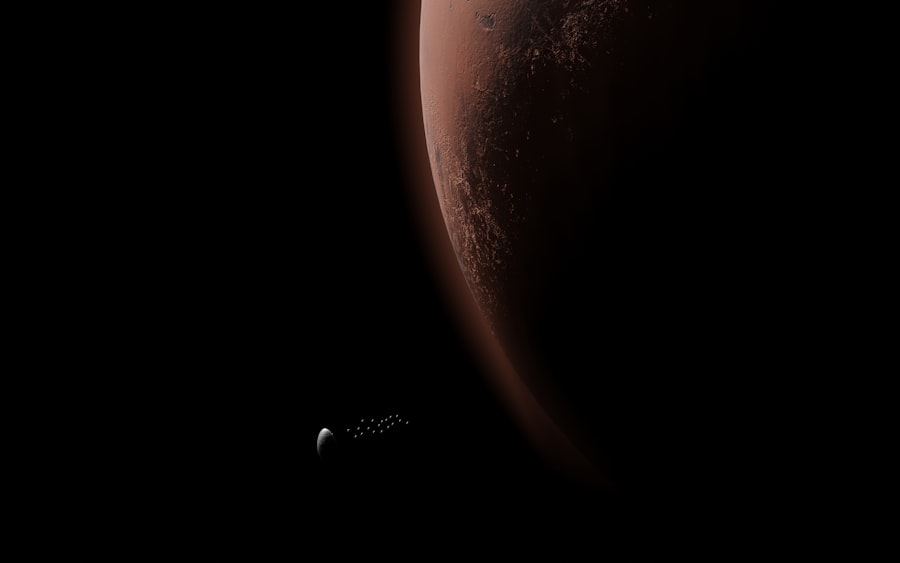
The study of 3I/ATLAS has profound implications for our understanding of interstellar objects as a whole. Its discovery has prompted astronomers to refine their search techniques for identifying similar objects in the future. The ability to detect and analyze interstellar visitors opens up new avenues for research into the composition and dynamics of materials beyond our solar system.
As more interstellar objects are discovered, scientists can begin to establish patterns and trends that may reveal fundamental truths about the formation and evolution of celestial bodies. Moreover, 3I/ATLAS challenges existing theories regarding the distribution and behavior of interstellar materials. Its unique characteristics suggest that there may be a wider variety of interstellar objects than previously thought, each with distinct origins and compositions.
This realization encourages researchers to broaden their perspectives on how celestial bodies interact with one another across vast distances and how they contribute to the overall architecture of galaxies.
Future Studies and Missions related to 3I/ATLAS
Looking ahead, future studies related to 3I/ATLAS promise to deepen our understanding of this enigmatic object and interstellar phenomena in general. Upcoming observational missions utilizing advanced telescopes and instruments will allow astronomers to gather more detailed data about its trajectory, composition, and potential interactions with other celestial bodies. These studies will not only enhance knowledge about 3I/ATLAS but also contribute to ongoing efforts to identify additional interstellar objects.
In addition to ground-based observations, there is potential for space missions aimed at directly studying interstellar objects like 3I/ATLAS. Proposals for spacecraft capable of intercepting or closely observing such objects could provide unprecedented insights into their physical properties and origins. These missions would represent a significant leap forward in humanity’s quest to explore not only our solar system but also the broader cosmos.
Theories and Speculations surrounding 3I/ATLAS
The scientific community has been rife with theories and speculations regarding 3I/ATLAS since its discovery. Some researchers have proposed that its unusual shape and trajectory could indicate non-natural origins, leading to discussions about potential extraterrestrial technology or artifacts. While these ideas are often met with skepticism, they highlight humanity’s innate curiosity about life beyond Earth and the possibilities that exist within the universe.
Other theories focus on the implications of 3I/ATLAS for understanding cosmic processes such as star formation and planetary development. By examining its characteristics in detail, scientists hope to uncover clues about how similar objects might influence their environments or contribute to the formation of new stars and planets. These speculations underscore the importance of continued research into interstellar objects as they may hold keys to unlocking some of the universe’s most profound mysteries.
Significance of 3I/ATLAS in the field of Astrophysics
In the realm of astrophysics, 3I/ATLAS holds significant importance as it represents a tangible example of interstellar material interacting with our solar system. Its study provides valuable data that can inform theories about cosmic evolution and the distribution of matter throughout galaxies. As researchers analyze its properties, they gain insights into how materials from different star systems can converge and influence one another over time.
Furthermore, 3I/ATLAS serves as a catalyst for interdisciplinary collaboration among scientists from various fields within astrophysics. The study of interstellar objects requires expertise in areas such as spectroscopy, orbital dynamics, and planetary science, fostering an environment where diverse perspectives can converge to address complex questions about our universe.
Public Interest and Awareness of 3I/ATLAS
The discovery of 3I/ATLAS has generated considerable public interest, reflecting humanity’s fascination with space exploration and cosmic phenomena. News outlets have reported extensively on its discovery and characteristics, sparking discussions among enthusiasts and casual observers alike about what lies beyond our solar system. This heightened awareness serves not only to educate the public about astronomy but also to inspire future generations to pursue careers in science and technology.
Social media platforms have played a crucial role in disseminating information about 3I/ATLAS, allowing individuals from around the world to engage with scientific discoveries in real-time. As people share articles, images, and theories related to this interstellar object, they contribute to a growing community interested in unraveling the mysteries of the cosmos.
Conclusion and Implications of 3I/ATLAS on our understanding of the Universe
In conclusion, 3I/ATLAS represents a remarkable chapter in humanity’s exploration of interstellar objects and their implications for understanding the universe at large. Its discovery has opened new avenues for research while challenging existing paradigms regarding celestial formation and evolution. As scientists continue to study this enigmatic object, they will undoubtedly uncover insights that deepen our comprehension of cosmic processes.
The significance of 3I/ATLAS extends beyond its individual characteristics; it serves as a symbol of humanity’s quest for knowledge about our place in the cosmos. As we look toward future discoveries and advancements in technology, it is clear that interstellar objects like 3I/ATLAS will play an integral role in shaping our understanding of the universe’s complexities for generations to come.
Recent studies on interstellar objects have sparked significant interest in the scientific community, particularly regarding the enigmatic 3I/ATLAS. For a deeper understanding of its origins and characteristics, you can explore a related article that delves into the fascinating details of this interstellar visitor. Check it out here: The Truth About Interstellar Object 3I/ATLAS.
WATCH THIS! The Object Defying Gravity: Is This Proof of Alien Technology?
FAQs
What is interstellar object 3I/ATLAS?
Interstellar object 3I/ATLAS, also known as ʻOumuamua, is the first known interstellar object to pass through our solar system.
When was interstellar object 3I/ATLAS discovered?
Interstellar object 3I/ATLAS was discovered on October 19, 2017 by the Pan-STARRS1 telescope in Hawaii.
What is the shape of interstellar object 3I/ATLAS?
The exact shape of interstellar object 3I/ATLAS is still a topic of debate among scientists. Some suggest it may be elongated, while others propose it could be pancake-shaped.
What is the size of interstellar object 3I/ATLAS?
Interstellar object 3I/ATLAS is estimated to be about 800 meters long and 80 meters wide.
What is the composition of interstellar object 3I/ATLAS?
The composition of interstellar object 3I/ATLAS is still unknown, but it is believed to be made of rock and metal.
What is the significance of interstellar object 3I/ATLAS?
Interstellar object 3I/ATLAS is significant because it is the first confirmed object from another star system to pass through our solar system. Its discovery has provided valuable insights into the nature of interstellar objects and the potential for future interstellar exploration.