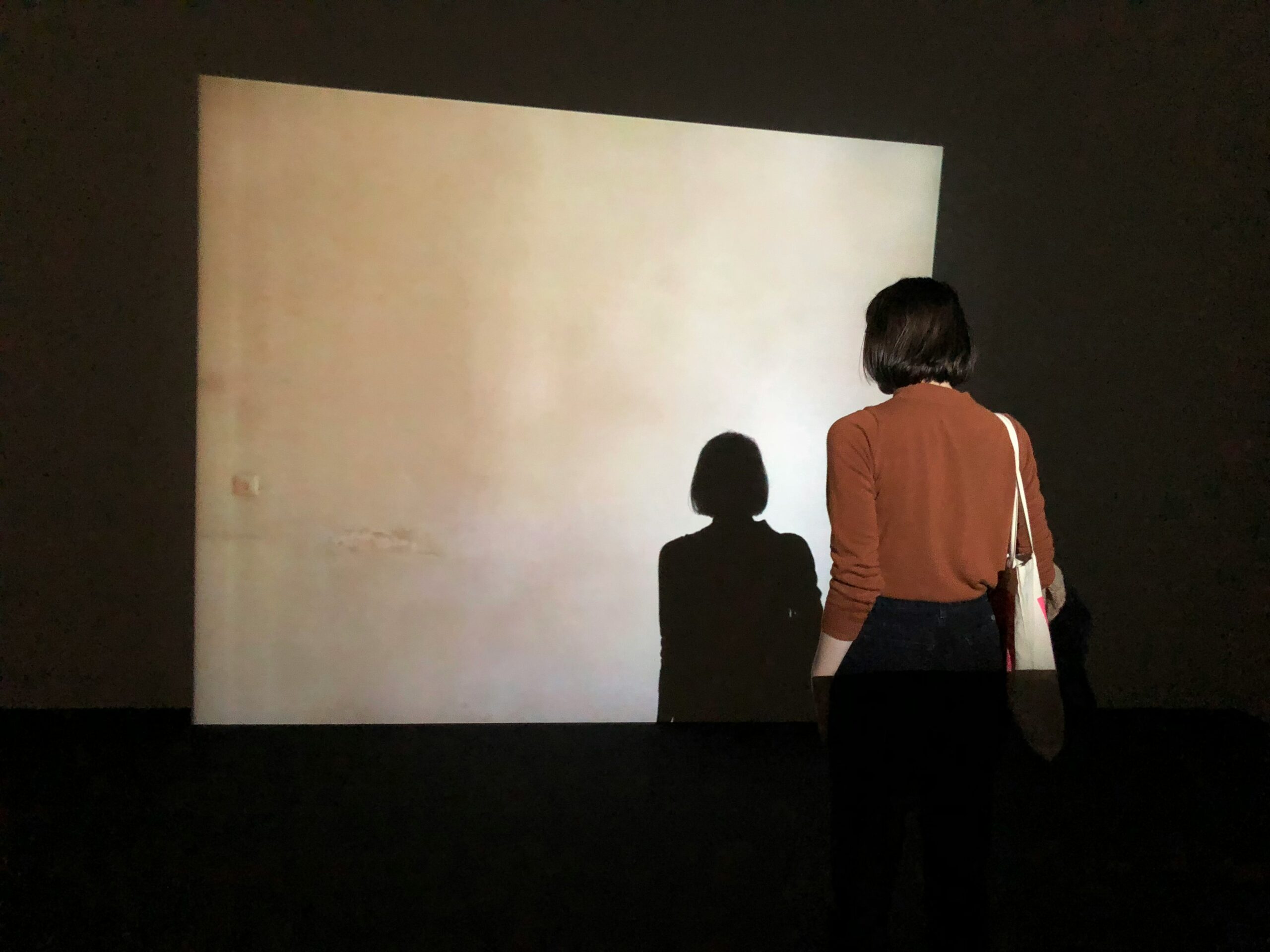
Reality: A Projection of Your Perception
You experience the world not as it is, but as you are. This is the fundamental premise, a truth that humbles and empowers in equal measure. Imagine standing at a vast vista, a panorama of mountains, valleys, and a sprawling sky. The scene itself is immense, a tapestry of geological formations and atmospheric phenomena. Yet, what you truly see, what registers as real to you, is filtered through the unique lens of your existence. Your eyes, your brain, your history, your very consciousness – these are the architects of your reality.
You interact with the world through a symphony of senses. Sight, sound, touch, taste, smell – these are your primary conduits to the external universe. But what you receive is not raw, unadulterated data. It’s a carefully curated stream, processed and interpreted long before it reaches your conscious awareness.
The Art of Seeing: More Than Meets the Eye
When you look at a vibrant red apple, you don’t just register wavelengths of light. Your brain, drawing on countless past experiences and learned associations, transforms those wavelengths into the concept of “red.” It understands “apple” as a fruit, a source of nutrition, perhaps even a symbol of temptation. This is not a passive reception; it’s an active construction.
Color Perception: A Subjective Palette
Consider color. While we can scientifically measure light frequencies, our perception of color is remarkably individual. Conditions like color blindness drastically alter this experience. Even for those with “normal” vision, subtle variations exist. The shade of blue that appears calming to one person might evoke a different emotional response in another. This inherent subjectivity means that even the most objective visual phenomena are, in practice, personalized.
Depth and Dimension: The Brain’s Illusions
Your perception of depth is not directly from your eyes. Your brain employs a complex algorithm, utilizing binocular disparity (the slight difference in the images from each eye), perspective cues, and contextual information to create the illusion of three-dimensionality. Without this active processing, the world would appear flat, a series of disjointed images.
The Chorus of Sound: Vibrations and Meaning
The air vibrates, and your ears translate these vibrations into sound. But here again, the transformation is profound. A loud bang might be interpreted as a threat, a cause for alarm, while a gentle melody evokes feelings of peace or joy. The same decibel level can hold vastly different meanings depending on the context and your personal associations with the sound.
Understanding Spoken Language: Decoding the Abstract
When someone speaks, you’re not just hearing a series of noises. Your brain is engaged in an incredibly rapid process of phonetic decoding, identifying phonemes, assembling them into words, and then grasping the underlying meaning and intent. This requires extensive linguistic knowledge, acquired over years of immersion. The spoken word is a potent projection of meaning, heavily reliant on your internalized language system.
Auditory Illusions: When Your Ears Deceive
Just as with vision, your auditory system is susceptible to illusions. The McGurk effect, for instance, demonstrates how visual information can override auditory input, making you perceive a sound that isn’t actually being produced. This highlights how interwoven your sensory streams become, and how easily your perception can be nudged in unexpected directions.
The Tactile Landscape: Pressure, Temperature, and Texture
Your sense of touch provides crucial information about your immediate environment. The warmth of a mug in your hands, the rough texture of a tree bark, the gentle pressure of a handshake – these all contribute to your understanding of the physical world.
The Subjectivity of Pain: A Complex Signal
Pain is a particularly stark example of subjective reality. While there’s a physical stimulus, the experience of pain is highly variable. Your past experiences, your emotional state, and even your cultural background can significantly influence how intensely you feel and react to pain. What one person endures with stoicism, another might find unbearable.
Proprioception: The Sense of Your Own Body
Beyond external touch, you possess proprioception – the innate awareness of your body’s position and movement in space. This sense, largely unconscious, allows you to navigate your environment without constantly observing your limbs. It’s another fundamental layer of your physical self-projection onto the world.
In exploring the concept that reality may be a projection, one can find intriguing insights in the article titled “The Illusion of Reality: Understanding Our Perceptions” available at My Cosmic Ventures. This article delves into the philosophical implications of perception and how our understanding of reality is shaped by our sensory experiences, echoing themes of projection and illusion that challenge our conventional views of existence.
The Mind’s Matrix: Beliefs, Biases, and Memories
If your senses are the input, your mind is the processing unit, the intricate matrix where raw data is shaped into your personal reality. Your beliefs, biases, and memories act as powerful filters, influencing what you notice, how you interpret it, and what conclusions you draw.
The Power of Beliefs: Shaping Your Expectations
Your deeply held beliefs function as a powerful predictive engine. If you believe that people are inherently good, you’re more likely to interpret their actions in a positive light. Conversely, a cynical outlook will lead you to scrutinize motives and anticipate negative outcomes. These beliefs don’t just color your perception; they actively guide your interactions with the world.
Confirmation Bias: Seeking What You Already Know
A pervasive cognitive bias, confirmation bias, drives you to seek out and interpret information that confirms your existing beliefs. This can create echo chambers where dissenting viewpoints are ignored or dismissed, reinforcing your current perception of reality. You become a detective, not seeking objective truth, but evidence that supports your pre-existing hypotheses.
Self-Fulfilling Prophecies: Making Your Beliefs Real
When your beliefs are strong enough, they can manifest as self-fulfilling prophecies. If you believe you will fail a task, your anxiety and lack of confidence might lead you to perform poorly, thus “proving” your initial belief. Your projection of failure can, ironically, engineer that very outcome.
The Labyrinth of Biases: Unconscious Influences
Beyond conscious beliefs, a vast network of unconscious biases subtly shapes your perceptions. These are often learned through societal conditioning, personal experiences, and evolutionary predispositions. They can affect your judgments of others, your decision-making processes, and even what you deem important or relevant.
Implicit Association: Unconscious Connections
Your mind is adept at making associations, and not all of them are conscious. Implicit associations, like those revealed by the Implicit Association Test (IAT), demonstrate how easily you can hold prejudiced views without consciously endorsing them. These unconscious links can subtly influence your behavior and perception of individuals or groups.
Anchor Bias: The First Impression’s Grip
When making judgments, you often latch onto the first piece of information you receive – the “anchor.” Subsequent evaluations are then adjusted from this initial point, even if the anchor itself was arbitrary or misleading. This can significantly skew your perceptions and decisions, making you resistant to later, more accurate information.
The Tapestry of Memories: Weaving Your Past into Your Present
Your memories are not simple recordings of past events. They are reconstructions, colored by your present emotional state, your current beliefs, and the act of recalling itself. Each time you access a memory, you are, in essence, creating it anew, potentially altering it in the process.
Emotional Resonance: The Power of Feeling in Recall
Events associated with strong emotions are more vividly remembered, but this vividness doesn’t guarantee accuracy. The emotional charge can amplify certain aspects of the memory while downplaying others, creating a narrative that aligns with your current feelings rather than the objective past.
False Memories: The Fragility of Recollection
Research has shown that it’s remarkably easy to implant false memories. Through suggestion, leading questions, and repetition, individuals can come to believe they experienced events that never actually happened. This underscores the malleability of your memories and their profound impact on your perceived reality.
The Social Construct: Shared Realities and Collective Understandings
Individually, your reality is a unique projection. Yet, you exist within a social fabric, a tapestry woven from shared understandings, cultural norms, and collective narratives. These social constructs, while not directly rooted in objective truth, exert a significant influence on your personal perception of what is real.
Culture: The Blueprint of Perception
Culture provides the foundational blueprint for how you perceive and interact with the world. Language, customs, values, and historical narratives all contribute to a shared understanding of reality within a community. What is considered polite in one culture might be offensive in another, demonstrating how cultural norms shape your interpretation of social interactions.
Linguistic Relativity: Language and Thought
The Sapir-Whorf hypothesis, though debated, suggests that the structure of your language influences your thought processes and your perception of the world. Different languages may categorize experiences differently, leading speakers of those languages to perceive those experiences in distinct ways. For example, languages with a richer vocabulary for certain sensory experiences might enable speakers to perceive nuances that others miss.
Social Norms: The Unspoken Rules
Social norms – the unwritten rules that govern behavior – dictate what is considered acceptable, desirable, or even normal. You internalize these norms from an early age, and they heavily influence your judgments of yourself and others. Deviating from these norms can lead to social ostracization, reinforcing their power to shape your perception of social reality.
The Echo Chamber of Information: Media and Its Influence
In the digital age, media plays an increasingly dominant role in shaping collective understanding. News outlets, social media platforms, and entertainment industries all contribute to the narratives that define your reality. The curated nature of these platforms can create echo chambers, reinforcing existing beliefs and presenting a skewed version of events.
Algorithmic Curation: Personalized Realities
Social media algorithms, designed to maximize engagement, often show you content that aligns with your past interactions. This can lead to a highly personalized and insulated experience of reality, where you are primarily exposed to viewpoints that confirm your existing biases, limiting your exposure to diverse perspectives.
The Framing of Events: Shaping Interpretation
The way information is presented – its framing – significantly influences how you interpret it. Presenting a policy as either a “tax break” or a “government handout” evokes vastly different emotional and cognitive responses, shaping your perception of its merit.
Collective Memory: The Shared Past’s Influence
History, as it is remembered and retold, forms a collective memory that influences present-day perceptions. National narratives, historical monuments, and the commemoration of past events all contribute to a shared understanding of the past, which in turn shapes your interpretation of current events and your vision for the future.
The Dynamic Dance: Evolution of Perception

Your perception of reality is not static. It is a dynamic, evolving process, constantly influenced by new experiences, learning, and personal growth. What you perceived as a harsh truth in your youth might be seen as a naive misunderstanding in your later years.
The Impact of Experience: Learning and Adaptation
Every new experience, every lesson learned, subtly reshapes your internal model of the world. Encountering a new culture can challenge your preconceived notions, forcing you to adapt your perceptions. Overcoming a personal challenge can imbue you with a newfound sense of competence, altering how you approach future obstacles.
Neuroplasticity: The Brain’s Adaptability
Your brain is remarkably plastic, meaning it can change and adapt throughout your life. Learning new skills, engaging in new environments, and even consciously altering your thought patterns can physically alter neural pathways, directly impacting your perception. This ongoing adaptation is a testament to the fluid nature of your reality.
The Role of Self-Reflection: Introspection and Awareness
Engaging in self-reflection, the conscious examination of your own thoughts, feelings, and motivations, is a powerful tool for understanding the projection of your perception. By becoming aware of your biases, your assumptions, and the origins of your beliefs, you can begin to consciously influence how you interpret the world.
Mindfulness: Anchoring in the Present
Practices like mindfulness train you to observe your thoughts and feelings without judgment, to be present in the moment. This can help you detach from habitual patterns of thought and perception, offering a clearer, less filtered view of your experience. You learn to observe the projection without necessarily identifying with it.
Cognitive Reappraisal: Reframing Your Thoughts
Cognitive reappraisal involves consciously re-evaluating challenging situations or negative thoughts, seeking alternative interpretations. This proactive approach allows you to actively shape your perception, transforming potentially negative experiences into opportunities for growth and learning.
The Pursuit of Knowledge: Expanding Your Horizons
The continuous pursuit of knowledge, through reading, learning, and engaging with diverse ideas, is a direct route to expanding your perceptual horizons. Each new piece of information is a potential recalibration of your internal model, offering new frameworks for understanding the world.
In exploring the intriguing concept that reality may be a projection, one can find further insights in a related article that delves into the philosophical implications of this idea. The notion that our perceptions might not reflect an objective reality challenges our understanding of existence itself. For those interested in a deeper examination of these themes, I recommend reading this thought-provoking piece at My Cosmic Ventures, which offers a comprehensive look at how our consciousness shapes the world around us.
Embracing the Projection: Agency and Responsibility
| Data/Metric | Value |
|---|---|
| Number of dimensions | Unknown |
| Observable universe size | 93 billion light-years in diameter |
| Quantum fluctuations | Underlying fabric of reality |
| Simulation hypothesis | Debated by scientists and philosophers |
Understanding that reality is a projection of your perception is not a recipe for nihilism or resignation. Instead, it is an invitation to agency and responsibility. If your reality is shaped by your internal landscape, then you have the power to influence and transform it.
The Power of Choice: Deciding What to Believe
While your perceptions are influenced by a multitude of factors, you still possess the fundamental ability to choose what you believe and how you interpret events. This doesn’t mean you can arbitrarily decide to ignore objective facts, but rather that you have agency in shaping your internal response to those facts.
Challenging Assumptions: The Act of Critical Thinking
Developing critical thinking skills allows you to systematically question your own assumptions and the information presented to you. This habit of intellectual scrutiny is crucial for discerning between genuine understanding and the automatic projection of ingrained biases.
Cultivating a Growth Mindset: Embracing Possibility
Adopting a growth mindset – the belief that your abilities and intelligence can be developed through dedication and hard work – fundamentally alters your perception of challenges. Instead of viewing setbacks as insurmountable obstacles, you see them as opportunities for learning and improvement.
The Ethics of Perception: Empathy and Understanding
Recognizing that others also exist within their own projected realities fosters empathy and understanding. When you acknowledge that their perceptions are shaped by their unique experiences and beliefs, you are better equipped to navigate interpersonal conflicts and build bridges of connection.
Active Listening: Stepping into Another’s Shoes
Active listening involves not just hearing the words someone speaks, but also seeking to understand the underlying emotions, intentions, and perspectives that drive those words. This requires setting aside your own internal dialogue and making a conscious effort to absorb their projected reality.
Recognizing Shared Humanity: Beyond Individual Projections
While individual realities are distinct, there are also fundamental aspects of the human experience that transcend personal perception. Recognizing this shared humanity allows for a deeper sense of connection and a more compassionate approach to navigating the complexities of life.
The Continuous Becoming: A Journey of Awareness
Your reality is not a fixed destination but an ongoing journey. It is a continuous process of perceiving, interpreting, and adapting. By embracing the understanding that your reality is a projection of your perception, you unlock the potential for greater self-awareness, deeper connection, and a more intentional engagement with the world around you. You are not merely a passive observer; you are the active architect of your lived experience.

Physicists Think Reality Might Be 2D
FAQs
What is the concept of reality being a projection?
The concept of reality being a projection suggests that what we perceive as reality is actually a projection of our own thoughts, beliefs, and perceptions. This idea is often associated with philosophical and metaphysical discussions about the nature of reality.
What are some theories that support the idea of reality as a projection?
Some theories that support the idea of reality as a projection include the concept of subjective reality, the simulation hypothesis, and the idea that our perceptions shape our reality. These theories propose that our experiences and perceptions play a significant role in shaping the world we perceive.
How does the concept of reality as a projection relate to quantum physics?
In quantum physics, the concept of reality as a projection is often explored through the phenomenon of wave-particle duality and the role of observation in shaping the behavior of subatomic particles. Some interpretations of quantum mechanics suggest that our observations and measurements influence the reality we perceive.
What are the implications of reality being a projection?
The implications of reality being a projection are wide-ranging and can have philosophical, psychological, and spiritual implications. This concept challenges traditional notions of objective reality and raises questions about the nature of consciousness, perception, and the interconnectedness of the universe.
Is there scientific evidence to support the idea of reality as a projection?
While the concept of reality as a projection is often discussed in philosophical and metaphysical contexts, there is limited scientific evidence to support this idea. However, ongoing research in fields such as quantum physics and neuroscience continues to explore the relationship between perception and reality.