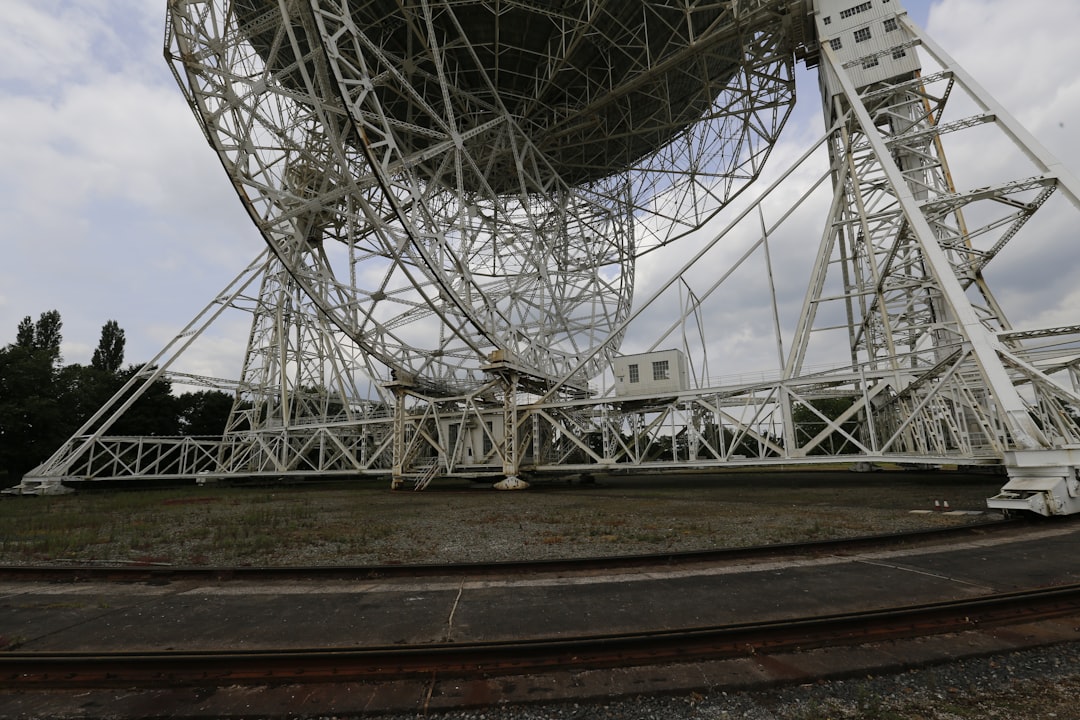
The advent of the new space telescope marks a significant milestone in the field of astronomy, promising to revolutionize humanity’s understanding of the universe. This state-of-the-art instrument, equipped with advanced technology and unprecedented capabilities, is designed to peer deeper into the cosmos than ever before. With its launch, astronomers and scientists around the globe are filled with anticipation, eager to unlock the secrets of the universe that have long eluded them.
The telescope’s ability to capture high-resolution images and gather data across various wavelengths will enable researchers to explore celestial phenomena with remarkable clarity. As the telescope orbits beyond Earth’s atmosphere, it is poised to provide insights into the formation of stars, galaxies, and planetary systems. Its sophisticated instruments will allow for the observation of distant worlds and the analysis of their atmospheres, paving the way for groundbreaking discoveries.
The excitement surrounding this new venture is palpable, as it promises to answer fundamental questions about the origins of life and the nature of the cosmos itself. With each observation, the telescope will contribute to a growing body of knowledge that could reshape humanity’s place in the universe.
Key Takeaways
- The new space telescope is set to revolutionize our understanding of the universe and make groundbreaking discoveries in the field of astronomy and space exploration.
- Exoplanet discoveries made by the telescope have opened up new possibilities for finding habitable planets beyond our solar system.
- The telescope has uncovered mysterious galactic phenomena, shedding light on previously unknown aspects of our universe.
- Understanding how the telescope works is crucial to appreciating the significance of its discoveries and the potential for future missions.
- The telescope’s impact on astronomy and space exploration is far-reaching, with implications for our understanding of the universe and the search for habitable exoplanets.
Exoplanet Discoveries
One of the most thrilling aspects of the new space telescope is its potential to discover exoplanets—planets that orbit stars outside our solar system.
By analyzing the light that filters through an exoplanet’s atmosphere during transits, scientists can glean vital information about its composition, temperature, and potential habitability.
This groundbreaking approach could lead to the identification of Earth-like planets that may harbor life. The discoveries made by the telescope could significantly expand the catalog of known exoplanets, providing a clearer picture of their diversity and distribution throughout the galaxy. As researchers sift through the data collected by this powerful instrument, they may uncover planets with conditions similar to those on Earth, igniting hopes for finding extraterrestrial life.
The implications of such discoveries are profound, as they could reshape humanity’s understanding of life’s existence beyond our home planet and inspire future missions aimed at exploring these newfound worlds.
Galactic Mysteries Uncovered
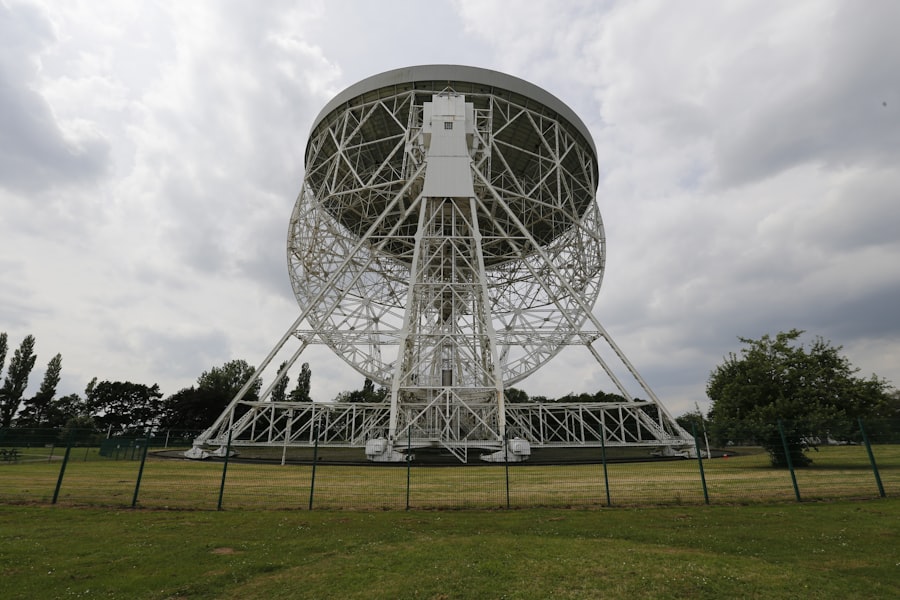
Beyond exoplanets, the new space telescope is set to unravel some of the most perplexing mysteries of our galaxy. Astronomers have long been fascinated by phenomena such as dark matter and dark energy, which together constitute a significant portion of the universe yet remain largely enigmatic. The telescope’s ability to observe distant galaxies and cosmic structures will provide critical data that could shed light on these elusive components.
By mapping the distribution of galaxies and their interactions, scientists hope to gain insights into the fundamental forces shaping the universe. Additionally, the telescope will delve into the life cycles of stars, from their formation in nebulae to their explosive deaths as supernovae. Understanding these processes is crucial for comprehending the evolution of galaxies and the chemical enrichment of the cosmos.
As researchers analyze the data collected by the telescope, they may uncover new insights into stellar populations and their role in shaping galactic structures. The potential for groundbreaking discoveries in this area is immense, as each revelation could lead to a deeper understanding of the universe’s history and its ongoing evolution.
How the Telescope Works
| Component | Function |
|---|---|
| Objective Lens/Mirror | Gathers light and forms an image |
| Eyepiece | Magnifies the image formed by the objective lens/mirror |
| Mount | Holds the telescope and allows it to be pointed at different objects |
| Focuser | Adjusts the focus of the telescope to make the image clear |
| Diagonal Mirror | Redirects the light path to the eyepiece |
The new space telescope operates using a combination of cutting-edge technologies that allow it to capture high-resolution images and gather extensive data from across the electromagnetic spectrum. Equipped with a large primary mirror, it collects light from distant celestial objects and focuses it onto sensitive detectors. These detectors convert light into electrical signals, which are then processed to create detailed images and spectra.
The telescope’s ability to observe in various wavelengths—from infrared to ultraviolet—enables it to study a wide range of astronomical phenomena. One of the key features of this telescope is its ability to operate in space, free from the distortions caused by Earth’s atmosphere. This advantage allows for clearer observations and more accurate measurements.
Additionally, its advanced cooling systems ensure that sensitive instruments remain at optimal temperatures, minimizing noise and enhancing data quality. As a result, astronomers can expect unprecedented clarity in their observations, paving the way for new discoveries that were previously unattainable with ground-based telescopes.
Impact on Astronomy and Space Exploration
The impact of the new space telescope on astronomy and space exploration cannot be overstated. By providing unprecedented access to distant celestial objects and phenomena, it is set to transform our understanding of fundamental astrophysical processes. The wealth of data generated by this instrument will not only advance scientific knowledge but also inspire a new generation of astronomers and researchers.
As discoveries unfold, they will likely lead to new theories and models that challenge existing paradigms in astrophysics. Moreover, this telescope serves as a catalyst for international collaboration in space exploration. As scientists from various countries come together to analyze data and share findings, a global community dedicated to unraveling cosmic mysteries will emerge.
This collaborative spirit fosters innovation and encourages interdisciplinary approaches to complex questions about the universe. The telescope’s contributions will resonate far beyond its immediate findings, influencing future missions and shaping the trajectory of space exploration for years to come.
Search for Habitable Exoplanets
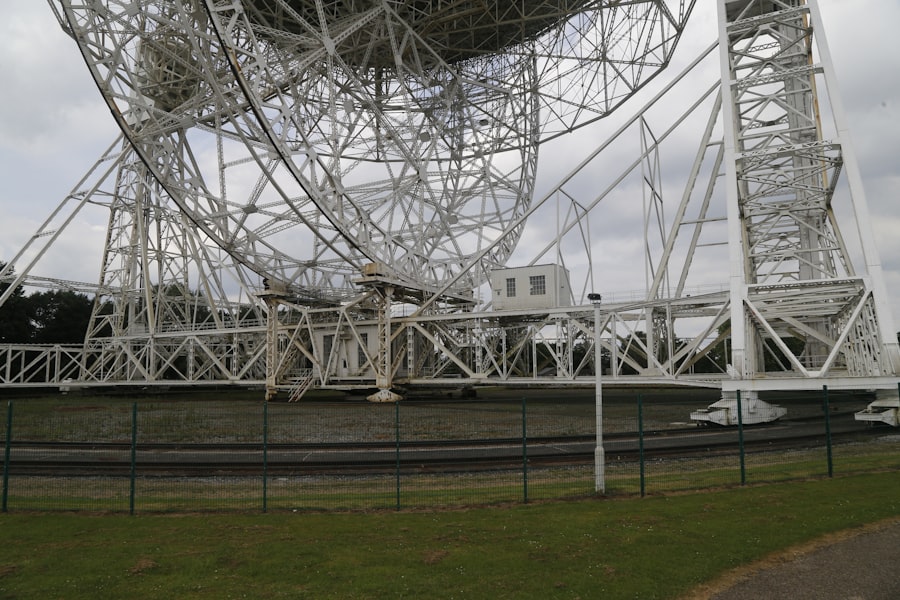
The quest for habitable exoplanets is one of the most exciting frontiers in modern astronomy, and the new space telescope is at the forefront of this search. By focusing on planets located within their stars’ habitable zones—regions where conditions may be suitable for liquid water—the telescope aims to identify worlds that could potentially support life. Its advanced spectroscopic capabilities will allow scientists to analyze atmospheric compositions for biosignatures—chemical indicators that suggest biological activity.
As researchers sift through data from thousands of observed stars, they may uncover planets with atmospheres rich in oxygen or methane—two gases often associated with life on Earth. The implications of discovering such planets are profound; they could provide crucial insights into how life might arise elsewhere in the universe. Furthermore, these findings could inform future missions aimed at directly studying these exoplanets or even sending probes to explore them further.
Unusual Galactic Phenomena
In addition to its focus on exoplanets, the new space telescope is equipped to investigate unusual galactic phenomena that challenge current scientific understanding. From enigmatic gamma-ray bursts to mysterious fast radio bursts (FRBs), these cosmic events have puzzled astronomers for years. The telescope’s ability to capture high-resolution images and gather data across multiple wavelengths will enable researchers to study these phenomena in unprecedented detail.
By observing these events as they occur, scientists hope to uncover their underlying mechanisms and determine their origins. For instance, understanding gamma-ray bursts could provide insights into massive star explosions or neutron star mergers, while studying FRBs may reveal information about cosmic magnetism or even hint at extraterrestrial technologies. Each discovery has the potential to reshape existing theories about cosmic events and deepen humanity’s understanding of the universe’s complexities.
Collaboration with Other Space Agencies
The success of the new space telescope relies not only on its advanced technology but also on collaboration with other space agencies around the world. International partnerships enhance research capabilities by pooling resources, expertise, and data-sharing initiatives. By working together, scientists can maximize the potential of this groundbreaking instrument and ensure that its findings reach a global audience.
Collaborative efforts extend beyond data analysis; they also encompass joint missions and shared objectives in space exploration. As different agencies contribute their unique strengths—whether in engineering, science, or logistics—the collective knowledge base expands, fostering innovation and creativity in addressing complex astronomical questions. This spirit of collaboration exemplifies how humanity can unite in pursuit of knowledge about the cosmos.
Future Discoveries and Missions
Looking ahead, the new space telescope is poised to pave the way for future discoveries and missions that will further expand humanity’s understanding of the universe. As it continues to gather data over its operational lifespan, researchers anticipate a wealth of findings that could lead to new theories about cosmic evolution and planetary formation. Each observation has the potential to unveil previously unknown aspects of celestial phenomena.
Moreover, as technology advances, future missions may build upon the successes of this telescope by developing even more sophisticated instruments capable of exploring deeper into space or studying specific targets in greater detail. These missions could include follow-up observations of promising exoplanets or targeted studies of unique galactic phenomena identified by this groundbreaking instrument. The possibilities are vast, and each new mission will contribute to an ever-expanding tapestry of knowledge about our universe.
Public Interest and Education
The launch of the new space telescope has sparked significant public interest in astronomy and space exploration. As images and discoveries are shared with audiences worldwide, people are drawn into the wonders of the cosmos like never before. Educational initiatives surrounding this mission aim to inspire curiosity among students and foster a passion for science that transcends generations.
Public engagement efforts include interactive exhibits, online resources, and outreach programs designed to make complex astronomical concepts accessible to all. By demystifying science and encouraging exploration, these initiatives empower individuals to participate in discussions about our place in the universe. As public interest grows, so too does support for scientific research and exploration—an essential component for advancing knowledge about our cosmos.
Challenges and Limitations of the New Space Telescope
Despite its groundbreaking capabilities, the new space telescope faces several challenges and limitations that must be acknowledged. One significant hurdle is maintaining its operational integrity over time; as with any complex instrument operating in space, wear and tear can impact performance. Engineers must continuously monitor systems and implement solutions to ensure optimal functionality throughout its mission lifespan.
Additionally, while the telescope can capture stunning images and gather extensive data, interpreting this information requires significant expertise and resources. The sheer volume of data generated can overwhelm researchers if not managed effectively; thus, developing efficient data processing techniques is crucial for maximizing scientific output.
In conclusion, while challenges exist, they do not overshadow the immense potential that this new space telescope holds for advancing our understanding of the universe. As it embarks on its mission, astronomers remain hopeful that it will unlock secrets long hidden among the stars and inspire future generations to continue exploring the cosmos.
In recent years, advancements in space telescope technology have led to groundbreaking discoveries that are reshaping our understanding of the universe. These telescopes have unveiled new exoplanets, provided insights into the formation of galaxies, and captured stunning images of cosmic phenomena. For those interested in delving deeper into these discoveries, a related article can be found on My Cosmic Ventures. This article explores the latest findings and their implications for future space exploration. To read more, visit My Cosmic Ventures.
WATCH THIS! Did JWST DISPROVE The BIG BANG?!?!
FAQs
What are the new space telescope discoveries?
The new space telescope discoveries refer to the latest findings and observations made by space telescopes, such as the Hubble Space Telescope, the James Webb Space Telescope, and others.
What have the new space telescope discoveries revealed?
The new space telescope discoveries have revealed a wide range of astronomical phenomena, including distant galaxies, exoplanets, black holes, nebulae, and other celestial objects.
How do space telescopes make these discoveries?
Space telescopes make these discoveries by capturing images and data from the universe using advanced technology, such as high-resolution cameras, spectrographs, and other instruments.
Why are the new space telescope discoveries important?
The new space telescope discoveries are important because they contribute to our understanding of the universe, its origins, and its evolution. They also help scientists and astronomers to test and refine existing theories about the cosmos.
What are some of the most significant new space telescope discoveries?
Some of the most significant new space telescope discoveries include the detection of exoplanets in the habitable zone of their stars, the observation of distant galaxies and their evolution, and the study of the cosmic microwave background radiation.
How do new space telescope discoveries impact our daily lives?
While new space telescope discoveries may not have a direct impact on our daily lives, they contribute to our collective knowledge of the universe and inspire curiosity and wonder about the cosmos. Additionally, they may lead to technological advancements and innovations that benefit society.