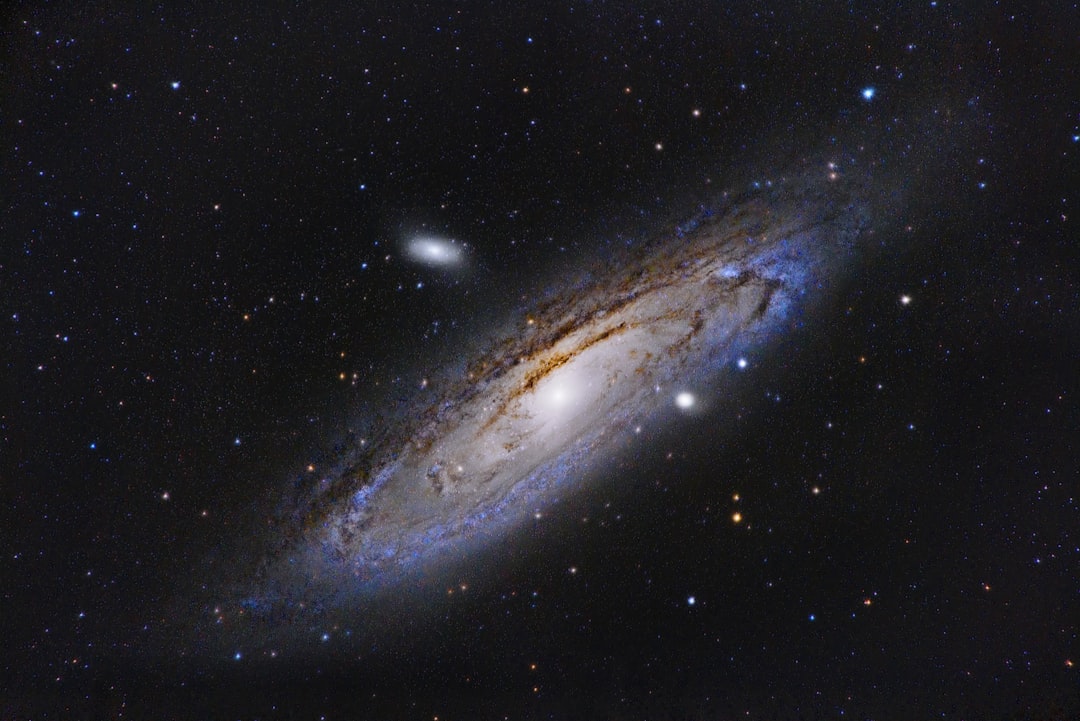
High redshift galaxies represent a fascinating frontier in the field of astronomy, offering a glimpse into the universe’s formative years. These galaxies, observed at significant distances from Earth, are seen as they were when the universe was much younger, often just a few billion years after the Big Bang. The study of high redshift galaxies not only enhances the understanding of galaxy formation and evolution but also provides critical insights into the conditions of the early universe.
As astronomers continue to refine their observational techniques and theoretical models, the mysteries surrounding these distant celestial bodies become increasingly accessible. The significance of high redshift galaxies extends beyond mere curiosity; they serve as vital markers in the cosmic timeline. By examining their properties, researchers can piece together the history of cosmic evolution, shedding light on how galaxies formed and interacted in the early universe.
This exploration is not just about understanding the past; it also informs current theories about the structure and behavior of the cosmos. As such, high redshift galaxies are pivotal in bridging the gap between observational astronomy and theoretical astrophysics.
Key Takeaways
- High redshift galaxies offer a glimpse into the early universe, providing valuable insights into the formation and evolution of galaxies.
- Redshift is a key concept in astronomy, indicating the distance and speed at which galaxies are moving away from us, and is crucial for understanding the expansion of the universe.
- Observational techniques such as spectroscopy and photometry are used to study high redshift galaxies, allowing astronomers to analyze their properties and composition.
- Theoretical models, such as hierarchical galaxy formation and the cold dark matter model, help explain the formation and evolution of galaxies at high redshifts.
- Challenges in studying high redshift galaxies include the limited sensitivity of current telescopes and the effects of cosmic dust, while key findings include the discovery of the most distant galaxies and the evolution of galaxy properties over cosmic time.
Understanding Redshift and its Significance in Astronomy
Redshift is a fundamental concept in astronomy that describes how light from distant objects shifts toward longer wavelengths as they move away from an observer. This phenomenon is a direct consequence of the expanding universe, a principle first articulated by Edwin Hubble in the early 20th century. When astronomers observe high redshift galaxies, they are essentially looking back in time, as the light emitted from these galaxies has taken billions of years to reach Earth.
The degree of redshift provides crucial information about the distance and velocity of these galaxies, allowing scientists to infer their position in the cosmic timeline. The significance of redshift extends beyond mere distance measurement; it also plays a critical role in understanding the universe’s expansion rate. By analyzing redshift data, astronomers can derive important cosmological parameters, such as the Hubble constant, which describes how fast the universe is expanding.
Furthermore, redshift helps in categorizing galaxies based on their evolutionary stages. High redshift galaxies often exhibit different characteristics compared to their low redshift counterparts, providing insights into the processes that govern galaxy formation and evolution over cosmic time.
Observational Techniques for Studying High Redshift Galaxies
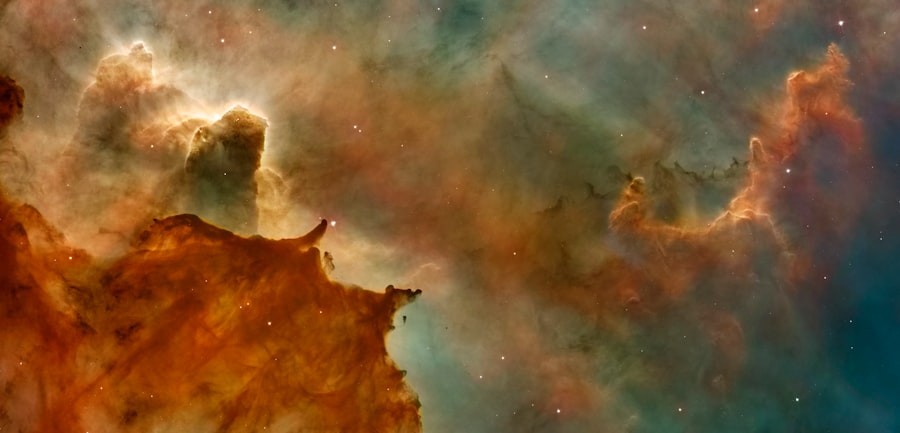
Studying high redshift galaxies requires advanced observational techniques due to their extreme distances and faintness. One of the primary methods employed is spectroscopy, which allows astronomers to analyze the light emitted by these galaxies. By dispersing light into its constituent colors, researchers can identify specific spectral lines that reveal information about the galaxy’s composition, temperature, and motion.
This technique is particularly valuable for determining redshift values and understanding the physical conditions within these distant systems. In addition to spectroscopy, astronomers utilize powerful telescopes equipped with advanced imaging technology to capture high-resolution images of high redshift galaxies. Instruments like the Hubble Space Telescope and ground-based observatories equipped with adaptive optics have significantly enhanced the ability to observe these distant objects.
Moreover, upcoming missions such as the James Webb Space Telescope promise to revolutionize the field by providing unprecedented views of high redshift galaxies, enabling scientists to probe deeper into the universe’s history than ever before.
Theoretical Models of Galaxy Formation and Evolution
| Model | Description | Key Features |
|---|---|---|
| Cold Dark Matter (CDM) Model | Based on the idea that dark matter is cold and non-relativistic at the time of galaxy formation. | Large-scale structure formation, hierarchical clustering, predicts abundance of dark matter halos. |
| Hot Dark Matter (HDM) Model | Proposes that dark matter consists of fast-moving particles. | Suppression of small-scale structure, less successful in matching observations of large-scale structure. |
| Hydrodynamic Simulations | Include gas dynamics in addition to dark matter in modeling galaxy formation. | Can reproduce observed properties of galaxies, such as star formation rates and gas content. |
| Semi-Analytic Models | Combine analytical techniques with numerical simulations to study galaxy formation. | Can explore a wide range of physical processes and their impact on galaxy evolution. |
The study of high redshift galaxies is deeply intertwined with theoretical models of galaxy formation and evolution. These models aim to explain how galaxies form from primordial gas clouds and evolve over time through processes such as star formation, mergers, and interactions with their environment. One prominent theory is the hierarchical model of structure formation, which posits that small structures merge to form larger ones over time.
This model aligns well with observations of high redshift galaxies, which often appear smaller and less evolved than their low redshift counterparts. Another critical aspect of these theoretical models is understanding the role of dark matter in galaxy formation. Dark matter is believed to provide the gravitational scaffolding necessary for galaxies to form and grow.
By studying high redshift galaxies, researchers can test predictions made by these models regarding dark matter’s influence on galaxy dynamics and structure. As new observational data becomes available, these theoretical frameworks are continually refined, leading to a more comprehensive understanding of how galaxies evolve across cosmic time.
Challenges and Limitations in Studying High Redshift Galaxies
Despite significant advancements in observational techniques and theoretical models, studying high redshift galaxies presents numerous challenges and limitations. One major hurdle is the sheer distance of these galaxies, which makes them incredibly faint and difficult to observe.
This challenge is compounded by cosmic phenomena such as dust obscuration, which can obscure light from distant galaxies and complicate analyses. Another limitation lies in the interpretation of data obtained from high redshift observations. The physical conditions in these early galaxies may differ significantly from those in nearby galaxies, leading to uncertainties in modeling their properties accurately.
As a result, astronomers must rely on statistical methods and simulations to draw conclusions about their characteristics and behaviors, which can introduce biases or uncertainties into their findings.
Discoveries and Key Findings in the Study of High Redshift Galaxies
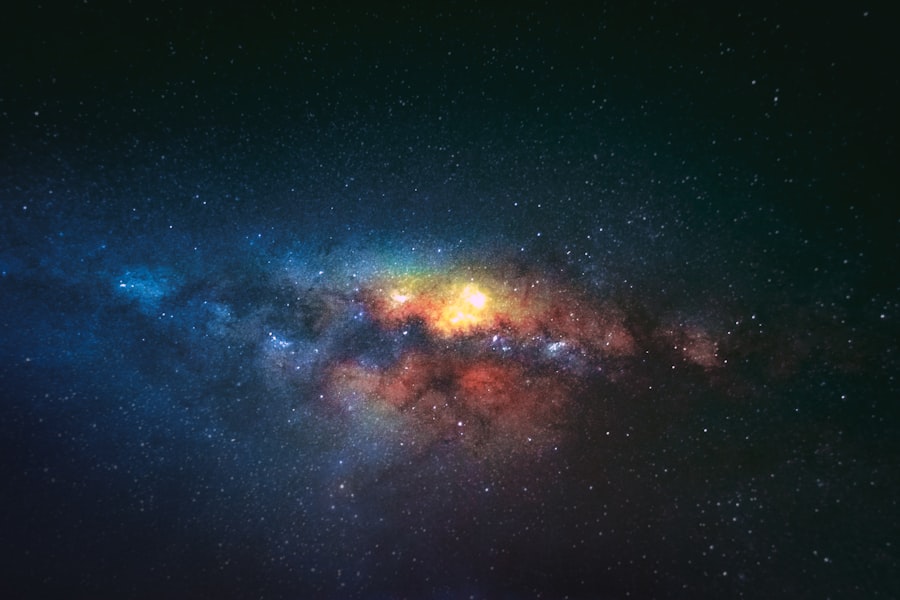
The exploration of high redshift galaxies has yielded numerous groundbreaking discoveries that have reshaped our understanding of cosmic evolution. One notable finding is that many high redshift galaxies exhibit signs of vigorous star formation activity, often at rates much higher than those observed in nearby galaxies. This suggests that the early universe was a dynamic environment where conditions were ripe for rapid star formation, challenging previous notions about how quickly galaxies could evolve.
Additionally, studies have revealed that some high redshift galaxies are surprisingly massive for their age, indicating that they may have formed through processes not yet fully understood. These discoveries have prompted astronomers to reconsider existing models of galaxy formation and evolution, leading to new hypotheses about how early galaxies interacted with their surroundings and each other. Such findings underscore the importance of high redshift galaxy research in refining our understanding of cosmic history.
The Role of High Redshift Galaxies in Understanding the Early Universe
High redshift galaxies play a crucial role in unraveling the mysteries of the early universe. By studying these distant objects, astronomers can gain insights into the conditions that prevailed shortly after the Big Bang. For instance, observations suggest that many high redshift galaxies are rich in gas and dust, which are essential ingredients for star formation.
This abundance indicates that star formation was not only possible but likely occurring at an accelerated pace during this epoch. Moreover, high redshift galaxies serve as probes for understanding cosmic reionization—the period when neutral hydrogen in the universe became ionized due to intense radiation from young stars and black holes. By examining how these galaxies emit light across different wavelengths, researchers can infer details about the ionization state of intergalactic hydrogen during this critical phase in cosmic history.
Thus, high redshift galaxies are indispensable for piecing together a coherent narrative about the universe’s infancy.
Implications for Cosmology and the Big Bang Theory
The study of high redshift galaxies has profound implications for cosmology and our understanding of the Big Bang theory. As researchers gather more data on these distant objects, they can refine models that describe how matter evolved from a hot, dense state into the complex structures observed today. The properties of high redshift galaxies provide essential clues about dark energy’s role in cosmic expansion and how it has influenced galaxy formation over time.
Furthermore, findings related to high redshift galaxies challenge or support various cosmological models that describe the universe’s evolution. For instance, discrepancies between observed galaxy distributions at high redshifts and predictions made by certain models may prompt revisions or entirely new theories regarding cosmic structure formation. In this way, high redshift galaxy research not only enhances our understanding of individual objects but also contributes to broader discussions about fundamental cosmological principles.
Future Prospects and Advancements in High Redshift Galaxy Research
The future of high redshift galaxy research looks promising as advancements in technology continue to push the boundaries of observational capabilities. Upcoming telescopes like the James Webb Space Telescope are set to revolutionize this field by providing unprecedented sensitivity and resolution for observing distant galaxies across various wavelengths. With its ability to capture infrared light, JWST will enable astronomers to peer deeper into space than ever before, potentially uncovering previously hidden populations of high redshift galaxies.
Moreover, ongoing developments in computational astrophysics will enhance simulations that model galaxy formation and evolution under various conditions. These simulations will allow researchers to test hypotheses against observational data more effectively, leading to a more nuanced understanding of how high redshift galaxies fit into the broader context of cosmic evolution. As collaborations between observatories and research institutions grow stronger, the potential for groundbreaking discoveries in this field continues to expand.
Collaborative Efforts and International Projects in High Redshift Galaxy Exploration
The exploration of high redshift galaxies is inherently collaborative, involving astronomers from around the world working together on international projects. Large-scale surveys such as the Sloan Digital Sky Survey (SDSS) have provided invaluable datasets that facilitate studies on galaxy properties across different epochs. These collaborative efforts enable researchers to share resources, expertise, and data analysis techniques, fostering a more comprehensive understanding of high redshift phenomena.
Additionally, international partnerships are crucial for funding ambitious projects aimed at studying distant galaxies. Initiatives like the European Space Agency’s Euclid mission or NASA’s upcoming missions highlight how global cooperation can lead to significant advancements in astronomical research. By pooling resources and knowledge from diverse scientific communities, astronomers can tackle complex questions about high redshift galaxies more effectively than ever before.
Ethical and Environmental Considerations in Space Exploration and Observation
As interest in studying high redshift galaxies grows, so too do ethical and environmental considerations surrounding space exploration and observation. The increasing number of satellites launched into orbit raises concerns about space debris and its potential impact on astronomical observations from Earth-based facilities. Astronomers must navigate these challenges while advocating for responsible practices that minimize harm to both space environments and terrestrial ecosystems.
Moreover, ethical considerations extend beyond environmental impacts; they also encompass issues related to data sharing and accessibility within the scientific community. Ensuring that findings related to high redshift galaxies are disseminated widely promotes transparency and collaboration among researchers worldwide. By addressing these ethical dimensions alongside scientific inquiry, astronomers can foster a more sustainable approach to exploring our universe’s most distant realms while ensuring that knowledge gained benefits humanity as a whole.
In conclusion, high redshift galaxies represent a vital area of research within astronomy that offers profound insights into cosmic history and evolution. Through continued advancements in observational techniques, theoretical modeling, collaborative efforts among scientists globally, and careful consideration of ethical implications, researchers are poised to unlock even more secrets held by these distant celestial bodies in the years ahead.
In the fascinating realm of astrophysics, the study of galaxies at high redshift offers profound insights into the early universe. These distant galaxies, observed as they were billions of years ago, provide crucial information about the formation and evolution of cosmic structures. For those interested in delving deeper into this topic, a related article can be found on My Cosmic Ventures. This article explores the latest discoveries and theories surrounding high-redshift galaxies, shedding light on their significance in understanding the cosmos. To read more, visit the article at My Cosmic Ventures.
WATCH THIS! Did JWST DISPROVE The BIG BANG?!?!
FAQs
What are galaxies at high redshift?
Galaxies at high redshift are galaxies that are observed at a large distance from Earth, resulting in their light being redshifted due to the expansion of the universe.
How are galaxies at high redshift studied?
Galaxies at high redshift are studied using telescopes that are capable of detecting and analyzing the faint light emitted by these distant objects. Astronomers also use spectroscopy to analyze the redshift of the galaxies, which provides information about their distance and age.
Why are galaxies at high redshift important?
Studying galaxies at high redshift provides valuable insights into the early universe, the formation and evolution of galaxies, and the processes that led to the diverse range of galaxies observed today. It also helps astronomers understand the history of cosmic structure formation.
What can we learn from galaxies at high redshift?
By studying galaxies at high redshift, astronomers can learn about the conditions in the early universe, the formation of the first stars and galaxies, the evolution of cosmic structures, and the processes that shaped the universe into its current state.
How do galaxies at high redshift differ from nearby galaxies?
Galaxies at high redshift are typically smaller, less evolved, and have higher rates of star formation compared to nearby galaxies. They also exhibit different chemical compositions and may have different morphologies due to their younger age.