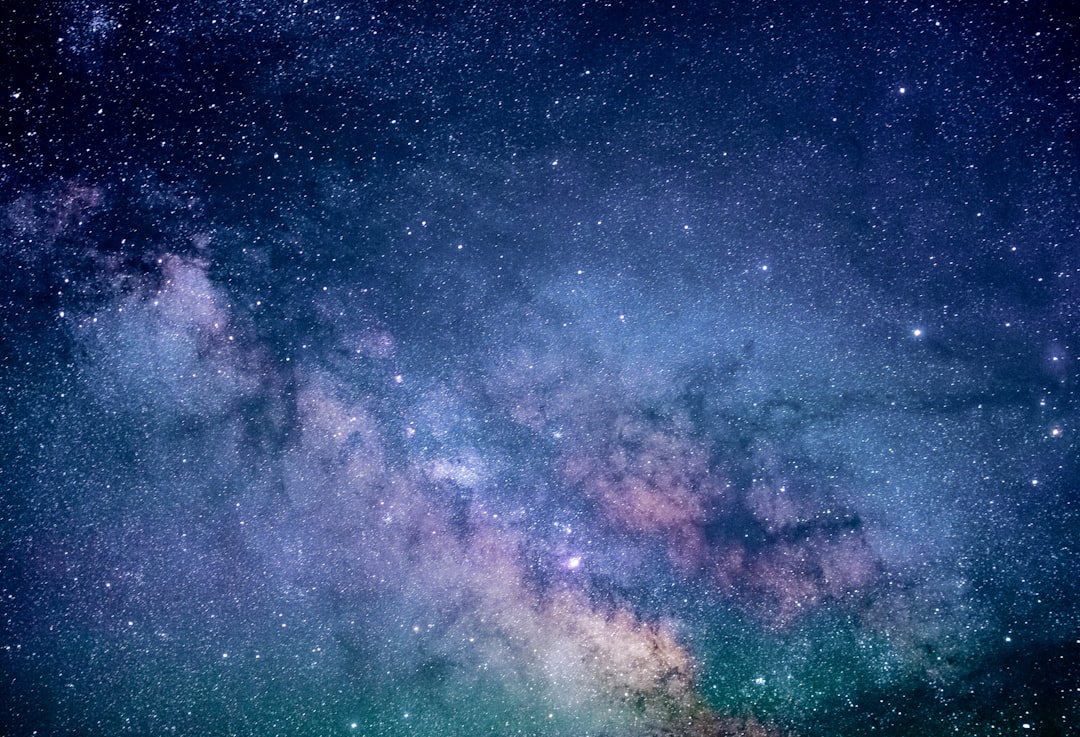
In the vast expanse of the universe, galaxies come in a myriad of shapes and sizes, each holding secrets that challenge the very foundations of astrophysics. Among these celestial wonders are what scientists have termed “impossible galaxies.” These galaxies defy conventional understanding due to their unusual characteristics, such as their rapid formation, unexpected mass, or peculiar structures. The study of impossible galaxies not only pushes the boundaries of current astronomical knowledge but also raises profound questions about the nature of the universe itself.
The term “impossible galaxies” encapsulates a range of phenomena that seem to contradict established theories of galaxy formation and evolution. For instance, some of these galaxies appear to have formed much earlier in the universe’s history than previously thought possible, while others exhibit an unexpected abundance of stars or unusual chemical compositions.
The exploration of these galaxies is crucial for astrophysicists, as it may reveal new physics or necessitate revisions to existing models. With advancements in technology and observational capabilities, particularly through instruments like the James Webb Space Telescope (JWST), the quest to understand impossible galaxies is entering an exciting new phase.
Key Takeaways
- Impossible galaxies challenge our current understanding of galaxy formation and evolution.
- Current telescopes have limitations in studying impossible galaxies due to their faintness and distance.
- The James Webb Space Telescope (JWST) offers promise in overcoming the limitations of current telescopes.
- Understanding the formation of impossible galaxies can provide insights into the early universe and galaxy evolution.
- JWST’s discoveries in impossible galaxies can potentially unravel the mystery of dark matter and the role of black holes in galaxy formation.
The Limitations of Current Telescopes
Despite the remarkable achievements of modern telescopes, significant limitations persist in their ability to observe distant and faint celestial objects. Ground-based telescopes, while powerful, are hindered by atmospheric interference, which distorts the light from distant galaxies. This atmospheric turbulence can obscure critical details and limit the clarity of observations.
Furthermore, many existing telescopes are designed to capture specific wavelengths of light, often missing crucial information found in other parts of the electromagnetic spectrum. As a result, astronomers have struggled to obtain a comprehensive view of impossible galaxies and their unique properties. Space-based telescopes have alleviated some of these challenges by operating above Earth’s atmosphere, allowing for clearer observations.
However, even these instruments face constraints in terms of sensitivity and resolution. The Hubble Space Telescope, for example, has provided invaluable insights into the cosmos but is limited by its age and technological capabilities. As researchers encounter increasingly complex phenomena like impossible galaxies, the need for more advanced observational tools becomes apparent.
The limitations of current telescopes underscore the urgency for innovative solutions that can enhance our understanding of the universe’s most perplexing structures.
The Promise of the James Webb Space Telescope
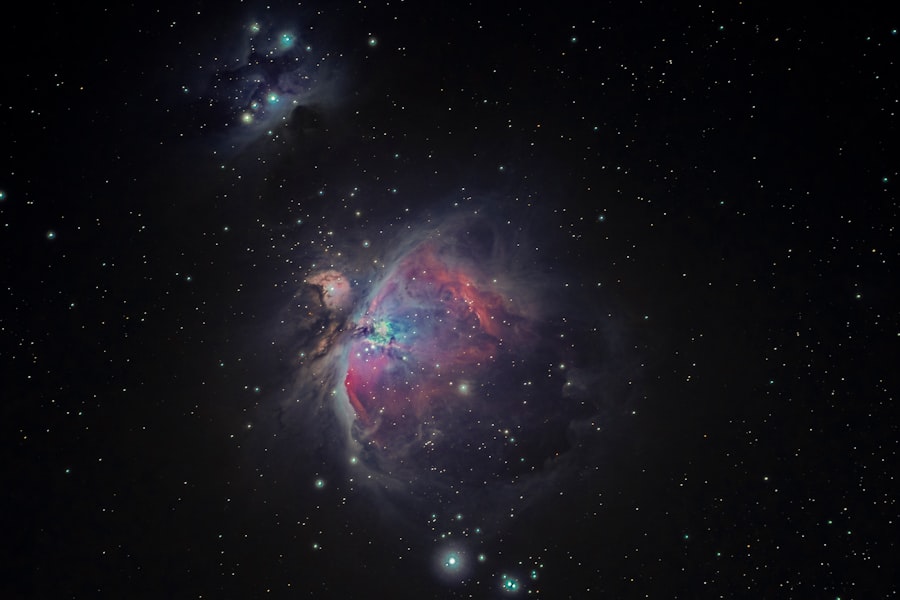
The James Webb Space Telescope represents a monumental leap forward in astronomical observation and research. Designed to complement and extend the capabilities of its predecessor, Hubble, JWST is equipped with advanced technology that allows it to observe the universe in unprecedented detail. With its large mirror and sensitive instruments, JWST can capture light from some of the earliest galaxies formed after the Big Bang, providing insights into cosmic history that were previously unattainable.
This capability is particularly crucial for studying impossible galaxies, as it enables astronomers to probe their formation and evolution with greater precision. One of the most exciting aspects of JWST is its ability to observe infrared wavelengths, which are essential for studying distant objects obscured by dust and gas. Many impossible galaxies are shrouded in such materials, making them difficult to detect with traditional optical telescopes.
By utilizing infrared technology, JWST can penetrate these barriers and reveal hidden structures and star formation processes within these enigmatic galaxies. As a result, JWST holds immense promise for transforming our understanding of impossible galaxies and their role in the broader context of cosmic evolution.
Understanding the Formation of Impossible Galaxies
| Galaxy Name | Formation Type | Distance from Earth | Mass |
|---|---|---|---|
| NGC 1052-DF2 | Ultra-diffuse galaxy | 61 million light-years | About 200 million times the mass of the Sun |
| NGC 1052-DF4 | Ultra-diffuse galaxy | 61 million light-years | Estimated to be about 300 million times the mass of the Sun |
| NGC 1052-DF4 | Ultra-diffuse galaxy | 61 million light-years | Estimated to be about 300 million times the mass of the Sun |
The formation of impossible galaxies poses intriguing questions about the processes that govern galaxy evolution. Traditional models suggest that galaxies form through a gradual accumulation of gas and dust over billions of years. However, impossible galaxies often exhibit signs of rapid star formation or unusual mass distributions that challenge these established theories.
Understanding how these galaxies come into existence requires a reevaluation of current models and an exploration of alternative scenarios. Researchers are beginning to investigate various factors that may contribute to the formation of impossible galaxies. For instance, interactions with other galaxies or mergers may play a significant role in triggering rapid star formation or altering a galaxy’s structure.
Additionally, the influence of dark matter—an elusive substance that makes up a significant portion of the universe’s mass—could be pivotal in shaping these galaxies’ formation processes. By studying impossible galaxies through JWST’s advanced capabilities, scientists hope to uncover new insights into the mechanisms driving galaxy formation and refine existing models to account for these extraordinary phenomena.
Unraveling the Mystery of Dark Matter in Impossible Galaxies
Dark matter remains one of the most enigmatic components of the universe, constituting approximately 27% of its total mass-energy content. Its presence is inferred from gravitational effects on visible matter, yet it has yet to be directly observed. In the context of impossible galaxies, dark matter plays a crucial role in understanding their structure and dynamics.
Many impossible galaxies exhibit mass distributions that cannot be explained solely by visible matter, suggesting that dark matter may be influencing their formation and evolution. The study of dark matter in impossible galaxies presents both challenges and opportunities for researchers. On one hand, the complex interactions between dark matter and visible matter can complicate models and predictions.
On the other hand, investigating these relationships may provide valuable insights into the nature of dark matter itself. JWST’s ability to observe distant galaxies with high precision allows scientists to analyze their mass distributions more accurately, shedding light on how dark matter influences galaxy formation and behavior. As researchers continue to unravel these mysteries, they may uncover new avenues for understanding one of cosmology’s most profound questions.
Examining the Role of Black Holes in Impossible Galaxies
Black holes are among the most fascinating and mysterious objects in astrophysics, with their gravitational pull capable of influencing entire galaxies. In many cases, supermassive black holes reside at the centers of galaxies, playing a pivotal role in their evolution. The relationship between black holes and impossible galaxies is an area ripe for exploration, as some impossible galaxies exhibit unusual characteristics that may be linked to their central black holes.
The presence of supermassive black holes can significantly impact star formation rates within a galaxy. In some cases, feedback from black hole activity can regulate star formation by expelling gas and dust from the galaxy’s core. Conversely, rapid star formation may lead to increased black hole growth as material falls into them.
Understanding this intricate interplay is essential for deciphering the dynamics of impossible galaxies. JWST’s observations will enable researchers to study these relationships in greater detail, potentially revealing new insights into how black holes shape galaxy evolution.
Probing the Evolution of Impossible Galaxies with JWST
As astronomers seek to understand impossible galaxies better, probing their evolutionary history becomes paramount. The James Webb Space Telescope offers unprecedented capabilities for examining these galaxies across different stages of their development. By capturing images and spectra from various epochs in cosmic history, JWST can provide a comprehensive view of how impossible galaxies evolve over time.
One key aspect of this investigation involves studying the chemical composition and star formation rates within these galaxies at different points in their history. By analyzing light from various epochs, researchers can trace how elements were synthesized and distributed throughout a galaxy’s lifetime. This information is crucial for understanding not only individual galaxies but also broader trends in cosmic evolution.
As JWST begins its observations, it promises to unlock new chapters in our understanding of how impossible galaxies fit into the grand narrative of the universe.
The Potential Impact of JWST’s Discoveries on Astrophysics
The discoveries made by JWST have the potential to revolutionize astrophysics as a whole. By providing new insights into impossible galaxies and their unique properties, JWST could challenge existing theories and prompt a reevaluation of fundamental concepts in cosmology. The telescope’s ability to observe distant objects with unprecedented clarity will likely lead to groundbreaking findings that reshape our understanding of galaxy formation, dark matter dynamics, and black hole interactions.
Moreover, JWST’s contributions extend beyond just impossible galaxies; its findings will likely have far-reaching implications across various fields within astrophysics. As researchers analyze data from JWST, they may uncover connections between seemingly disparate phenomena or identify new patterns that deepen our understanding of cosmic evolution. The potential impact of JWST’s discoveries cannot be overstated; it represents a transformative moment in our quest to comprehend the universe’s complexities.
Challenges and Limitations of Studying Impossible Galaxies
While JWST offers remarkable capabilities for studying impossible galaxies, challenges remain in interpreting its data accurately. The complexity inherent in these galaxies often leads to ambiguities in observations that can complicate analyses. For instance, distinguishing between different types of star formation processes or disentangling the effects of dark matter can prove difficult even with advanced technology.
Additionally, there are inherent limitations in our theoretical frameworks that may hinder progress in understanding impossible galaxies fully. Current models may not adequately account for all observed phenomena or may require significant revisions based on new findings from JWST. As researchers navigate these challenges, collaboration across disciplines will be essential for synthesizing knowledge and developing comprehensive models that encompass both observational data and theoretical insights.
The Role of JWST in Advancing Our Understanding of the Universe
The James Webb Space Telescope stands at the forefront of astronomical research as it embarks on its mission to explore the cosmos. Its advanced technology positions it as a key player in advancing humanity’s understanding of not only impossible galaxies but also fundamental questions about the universe itself. By providing unprecedented access to distant objects and phenomena, JWST opens new avenues for exploration that were previously unimaginable.
As researchers utilize JWST’s capabilities to study impossible galaxies and other celestial wonders, they will contribute to a growing body of knowledge that informs our understanding of cosmic history and evolution. The telescope’s findings will likely inspire future generations of astronomers and physicists to continue pushing boundaries and seeking answers to some of humanity’s most profound questions about existence and our place within the universe.
The Future of Impossible Galaxy Research with JWST
The future of research into impossible galaxies is bright with the advent of the James Webb Space Telescope. As astronomers prepare to embark on this new era of exploration, they stand on the brink of uncovering secrets that could reshape our understanding of galaxy formation and evolution. With its unparalleled observational capabilities, JWST promises to illuminate aspects of impossible galaxies that have long remained shrouded in mystery.
As researchers delve into this uncharted territory, they will undoubtedly encounter challenges along the way; however, each discovery will contribute to a deeper comprehension of not only impossible galaxies but also fundamental principles governing our universe. The journey ahead is filled with potential for groundbreaking revelations that could redefine astrophysics as we know it today—an exciting prospect for scientists and enthusiasts alike as they look toward a future rich with discovery and insight into the cosmos.
The James Webb Space Telescope (JWST) has been pivotal in reshaping our understanding of the universe, particularly with its observations of galaxies that challenge existing cosmological models. These “impossible galaxies” have sparked significant interest and debate within the scientific community. For those intrigued by the mysteries unveiled by the JWST, a related article on My Cosmic Ventures delves deeper into the implications of these findings and explores how they might redefine our understanding of galaxy formation and evolution. This article provides a comprehensive overview of the current theories and the potential need for new physics to explain these enigmatic observations.
WATCH THIS! Did JWST DISPROVE The BIG BANG?!?!
FAQs
What are “impossible galaxies” and why are they considered impossible?
Impossible galaxies are a type of galaxy that challenges our current understanding of galaxy formation and evolution. These galaxies are characterized by their unusually high levels of star formation and are often found in regions of the universe where conditions are not conducive to such high levels of star formation. This has led to the term “impossible galaxies” as they seem to defy our current understanding of how galaxies form and evolve.
How does the James Webb Space Telescope (JWST) help explain impossible galaxies?
The James Webb Space Telescope (JWST) is equipped with advanced instruments that allow it to study the formation and evolution of galaxies in unprecedented detail. By observing impossible galaxies with the JWST, scientists hope to gain new insights into the processes that drive their high levels of star formation. This could help to unravel the mysteries surrounding these galaxies and provide new clues about the nature of galaxy formation and evolution.
What are some of the potential explanations for impossible galaxies?
There are several potential explanations for impossible galaxies, including interactions with neighboring galaxies, the presence of unusually high levels of gas and dust, and the influence of supermassive black holes at the centers of these galaxies. By studying these galaxies with the JWST, scientists hope to determine which of these factors, or potentially others, may be contributing to their unique characteristics.
How does the study of impossible galaxies contribute to our understanding of the universe?
Studying impossible galaxies with the JWST and other advanced telescopes can provide valuable insights into the processes that drive galaxy formation and evolution. By understanding the factors that contribute to the high levels of star formation in these galaxies, scientists can gain a better understanding of the broader mechanisms that shape the universe. This knowledge can help to refine existing models of galaxy formation and evolution, ultimately deepening our understanding of the universe as a whole.