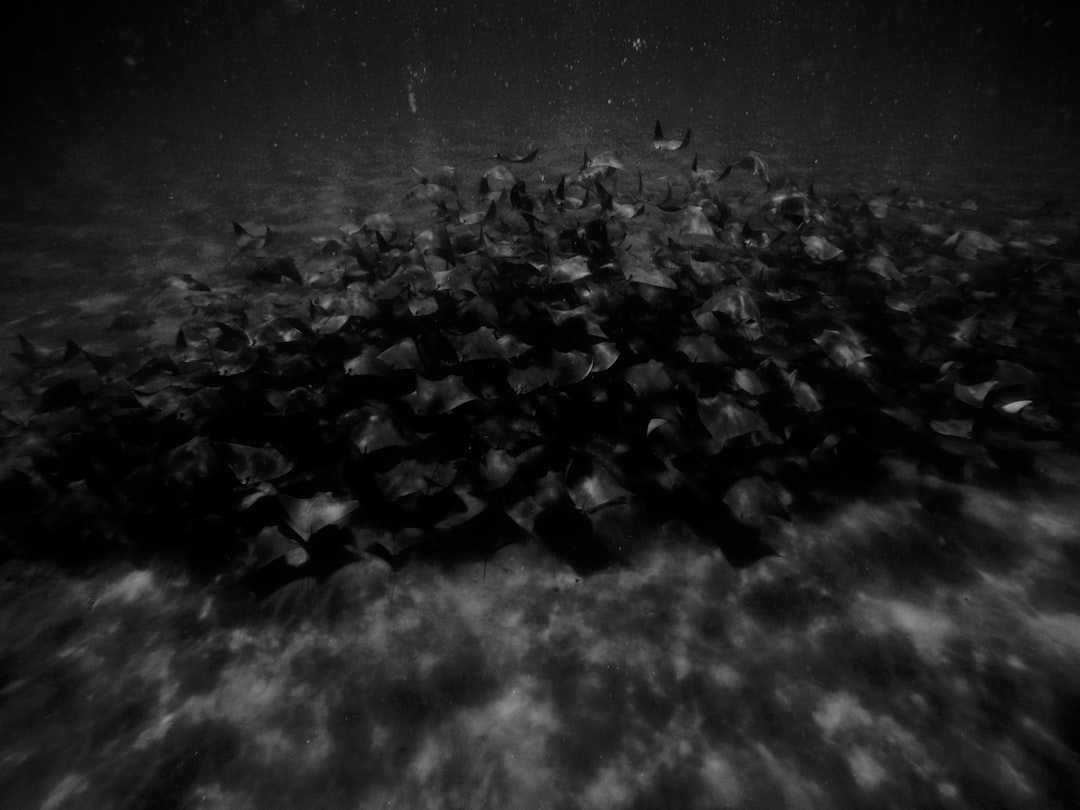
The deep sea, often referred to as the final frontier of Earth, harbors a myriad of mysteries, one of which is the presence of meteor fragments. These remnants of celestial bodies that have traversed the vastness of space and entered Earth’s atmosphere can be found resting on the ocean floor, where they become part of an enigmatic ecosystem. The allure of these fragments lies not only in their extraterrestrial origins but also in the stories they tell about the universe’s history and the processes that govern it.
Each fragment serves as a time capsule, preserving information about the solar system’s formation and the conditions that existed billions of years ago. Meteor fragments in the deep sea are not merely scientific curiosities; they are also a testament to the dynamic interactions between Earth and space. As these fragments descend into the ocean, they undergo transformations influenced by the unique conditions of their new environment.
The deep sea, characterized by extreme pressure, low temperatures, and complete darkness, presents a stark contrast to the conditions in which these meteors were formed. This juxtaposition raises intriguing questions about how these fragments interact with marine life and geological processes, making them a focal point for researchers eager to unlock the secrets of both our planet and the cosmos.
Key Takeaways
- Deep sea meteor fragments offer valuable insights into the history of our solar system and the universe.
- Meteor fragments end up in the deep sea through various processes such as impact events, atmospheric entry, and sedimentation.
- Studying deep sea meteor fragments can provide crucial information about the composition and evolution of celestial bodies.
- Exploring deep sea meteor fragments poses challenges such as extreme pressure, darkness, and the vastness of the ocean floor.
- Tools and technologies such as remotely operated vehicles, sonar, and deep sea drilling are used to explore and retrieve meteor fragments from the ocean floor.
How Meteor Fragments End Up in the Deep Sea
Meteor fragments find their way to the deep sea through a series of complex processes that begin with their entry into Earth’s atmosphere. When a meteoroid enters the atmosphere, it experiences intense friction, causing it to heat up and often disintegrate into smaller pieces. Some of these pieces survive the fiery descent and land on various surfaces, including oceans, deserts, and ice caps.
The vastness of Earth’s oceans means that a significant number of these fragments ultimately end up submerged beneath the waves. Once in the ocean, meteor fragments can be transported to deeper regions through various mechanisms. Ocean currents play a crucial role in this process, carrying debris from shallower waters to the abyssal depths.
Additionally, geological events such as landslides or sedimentation can bury these fragments under layers of sediment, effectively sealing them away from immediate discovery. Over time, these fragments become part of the ocean floor’s geological record, waiting for scientists to uncover their hidden stories.
The Importance of Studying Deep Sea Meteor Fragments
Studying deep sea meteor fragments is essential for several reasons, primarily due to their potential to enhance our understanding of planetary science and the origins of life. These fragments contain valuable information about the chemical composition of celestial bodies, which can shed light on the conditions present during the early solar system.
Moreover, meteor fragments may hold clues about the origins of life on Earth. Some scientists theorize that organic compounds found in meteorites could have contributed to the building blocks of life. By examining these fragments in their deep-sea context, researchers can explore how extraterrestrial materials may have influenced biological processes on our planet.
This line of inquiry not only deepens our understanding of life’s origins but also raises questions about the potential for life beyond Earth.
Challenges of Exploring Deep Sea Meteor Fragments
| Challenges | Explanation |
|---|---|
| High Pressure | The deep sea environment exerts high pressure, making it difficult to explore and retrieve meteor fragments. |
| Extreme Temperatures | Deep sea regions experience extreme temperatures, which can affect the integrity of meteor fragments. |
| Remote Locations | Deep sea meteor fragments are often located in remote and difficult-to-access areas, posing logistical challenges for exploration. |
| Corrosive Environment | The corrosive nature of the deep sea environment can degrade meteor fragments, making their retrieval and study challenging. |
Exploring deep sea meteor fragments presents numerous challenges that researchers must navigate to unlock their secrets. One of the most significant obstacles is the extreme environment of the deep ocean itself. With depths reaching over 36,000 feet in some areas, the pressure is immense, making it difficult for traditional exploration equipment to function effectively.
Additionally, the cold temperatures and lack of light create an inhospitable environment for both human divers and robotic submersibles. Another challenge lies in locating these fragments amidst the vast expanse of the ocean floor. The sheer size of the deep sea makes targeted searches difficult, requiring advanced technologies and methodologies to identify potential sites for exploration.
Researchers often rely on sonar mapping and remote-operated vehicles (ROVs) equipped with cameras and sampling tools to survey large areas and collect samples. However, even with these technologies, pinpointing specific meteor fragment locations remains a daunting task.
Tools and Technologies Used in Deep Sea Meteor Fragment Exploration
To overcome the challenges associated with deep sea exploration, scientists have developed a range of sophisticated tools and technologies designed specifically for this purpose. One such tool is sonar mapping technology, which allows researchers to create detailed topographical maps of the ocean floor. By using sound waves to detect underwater features, scientists can identify potential sites where meteor fragments may be located.
Remote-operated vehicles (ROVs) have also revolutionized deep sea exploration. These unmanned submersibles are equipped with high-definition cameras and robotic arms that enable researchers to capture images and collect samples from extreme depths without risking human lives. ROVs can navigate challenging terrains and operate under high-pressure conditions, making them invaluable for studying meteor fragments in their natural habitat.
Discoveries and Insights from Deep Sea Meteor Fragment Exploration
The exploration of deep sea meteor fragments has yielded fascinating discoveries that contribute significantly to our understanding of both Earth and space. For instance, researchers have identified unique mineral compositions within certain meteor fragments that suggest they originated from specific types of asteroids or comets. These findings help scientists trace back the origins of these celestial bodies and understand their role in shaping our solar system.
Additionally, studies have revealed that some meteor fragments contain organic compounds that may provide insights into prebiotic chemistry. The presence of amino acids and other building blocks of life within these fragments raises intriguing questions about how such materials could have been delivered to Earth and potentially contributed to the emergence of life. These discoveries not only enhance our knowledge of planetary science but also fuel ongoing debates about life’s existence beyond our planet.
Potential Applications of Deep Sea Meteor Fragment Research
The research surrounding deep sea meteor fragments holds promise for various applications beyond academic curiosity. One potential application lies in materials science; understanding the unique properties of meteorite materials could lead to advancements in technology and engineering. For example, certain metals found in meteorites exhibit exceptional strength and resilience, which could inspire new materials for use in aerospace or construction industries.
Furthermore, insights gained from studying meteor fragments may inform planetary defense strategies. By understanding the composition and behavior of meteoroids that enter Earth’s atmosphere, scientists can develop better models for predicting potential impacts and devising mitigation strategies. This knowledge is crucial for safeguarding our planet against future asteroid threats.
Environmental Impact of Deep Sea Meteor Fragment Exploration
While exploring deep sea meteor fragments offers numerous scientific benefits, it is essential to consider the environmental impact of such activities. The deep ocean is a delicate ecosystem that plays a vital role in regulating Earth’s climate and supporting diverse marine life. Disturbing this environment through exploration can have unintended consequences, including habitat disruption and pollution from research equipment.
This includes using non-invasive sampling techniques and ensuring that any materials brought back to the surface are handled with care to prevent contamination. By prioritizing environmental stewardship alongside scientific inquiry, researchers can help protect these fragile ecosystems while advancing our understanding of deep sea meteor fragments.
Collaborative Efforts in Deep Sea Meteor Fragment Exploration
The exploration of deep sea meteor fragments is not a solitary endeavor; it often involves collaboration among scientists from various disciplines and institutions worldwide. Such partnerships are crucial for pooling resources, expertise, and technology necessary for successful exploration missions. Collaborative efforts can lead to more comprehensive studies that integrate geology, biology, chemistry, and astronomy to provide a holistic understanding of meteor fragments.
International collaborations also play a significant role in addressing global challenges related to space exploration and planetary defense. By sharing data and findings across borders, researchers can enhance their collective knowledge and develop more effective strategies for studying meteor fragments and mitigating potential threats posed by near-Earth objects.
Future of Deep Sea Meteor Fragment Exploration
The future of deep sea meteor fragment exploration looks promising as advancements in technology continue to evolve. Innovations in robotics, artificial intelligence, and data analysis are expected to enhance researchers’ capabilities in locating and studying these elusive fragments more efficiently than ever before. As new tools emerge, scientists will be better equipped to explore previously inaccessible regions of the ocean floor.
Moreover, as interest in astrobiology grows, so too does the urgency to understand how extraterrestrial materials interact with Earth’s systems. Future research may focus on identifying new sites rich in meteor fragments or developing methods for extracting valuable information from these remnants without causing harm to their environment. The ongoing quest for knowledge about our universe will undoubtedly drive further exploration into this captivating field.
Ethical Considerations in Deep Sea Meteor Fragment Exploration
As with any scientific endeavor, ethical considerations must guide deep sea meteor fragment exploration. Researchers must weigh the potential benefits against the risks posed to fragile marine ecosystems when planning expeditions. It is essential to establish guidelines that prioritize environmental protection while allowing for meaningful scientific inquiry.
Additionally, transparency in research practices is crucial for maintaining public trust and support for scientific endeavors. Engaging with local communities and stakeholders can foster a sense of shared responsibility for protecting oceanic environments while promoting awareness about the significance of studying deep sea meteor fragments. By addressing ethical concerns proactively, researchers can ensure that their work contributes positively to both science and society at large.
In conclusion, deep sea meteor fragments represent a fascinating intersection between Earth science and astronomy, offering insights into both our planet’s history and the broader cosmos. As researchers continue to explore this enigmatic realm, they face challenges that require innovative solutions and collaborative efforts. The potential applications stemming from this research are vast, promising advancements across multiple fields while emphasizing the importance of ethical considerations in scientific exploration.
The future holds exciting possibilities as humanity seeks to unravel the mysteries hidden within these celestial remnants resting on the ocean floor.
In recent years, the discovery of deep-sea meteor fragments has sparked significant interest among scientists and enthusiasts alike, as these celestial remnants offer a unique glimpse into the early solar system. A related article on this fascinating topic can be found on My Cosmic Ventures, which delves into the methodologies used to locate and analyze these extraterrestrial materials. The article provides insights into the technological advancements that have made it possible to explore the ocean depths for these rare fragments. For more detailed information, you can read the full article by visiting My Cosmic Ventures.
WATCH THIS! 🚀NASA’s Biggest Alien Secret Exposed
FAQs
What are deep sea meteor fragments?
Deep sea meteor fragments are pieces of meteorites that have fallen from space and landed in the ocean. These fragments can be found on the ocean floor and are often well-preserved due to the lack of weathering and erosion.
How do deep sea meteor fragments end up on the ocean floor?
Meteorites can end up in the ocean when they fall from space and land in the water. The impact can cause the meteorite to break apart, with some fragments sinking to the ocean floor.
Why are deep sea meteor fragments important?
Studying deep sea meteor fragments can provide valuable information about the composition and history of meteorites. These fragments can also give insight into the early solar system and the formation of planets.
How are deep sea meteor fragments recovered?
Deep sea meteor fragments are often recovered using specialized equipment such as remotely operated vehicles (ROVs) or submersibles. These tools allow researchers to explore the ocean floor and collect samples of the meteorite fragments.
What can we learn from studying deep sea meteor fragments?
Studying deep sea meteor fragments can help scientists understand the origins of our solar system, the processes that formed planets, and the potential for life beyond Earth. The fragments can also provide clues about the conditions in space and the history of our universe.