
In recent years, the scientific community has increasingly focused on the potential consequences of meteor impacts on Earth. One of the most significant events that has captured attention is the meteor impact in the Pacific Ocean. This incident, which occurred in a remote area of the ocean, has raised numerous questions regarding its implications for marine ecosystems, coastal communities, and global climate patterns.
The sheer scale of such an event can be staggering, prompting researchers to delve into the myriad effects that a meteor strike can have on both local and global scales. The Pacific Ocean, being the largest and deepest ocean on the planet, serves as a vast canvas for such cosmic events. The impact of a meteor in this region not only poses immediate threats but also has long-lasting repercussions that can ripple through various environmental and societal systems.
Understanding the dynamics of this impact is crucial for developing effective response strategies and enhancing preparedness for future occurrences.
Key Takeaways
- A meteor impact in the Pacific Ocean has the potential to cause significant damage and disruption to marine life, coastal communities, and weather patterns.
- The location and size of the impact will determine the severity of the potential tsunami threat and the long-term environmental and ecological impacts.
- Marine life could be severely affected by the impact, with potential disruptions to food chains and ecosystems.
- Coastal communities are at risk of being directly impacted by tsunamis and indirect impacts from changes in climate and weather patterns.
- International collaboration and assistance will be crucial in responding to and mitigating the effects of a meteor impact in the Pacific Ocean.
The Location and Size of the Impact
The meteor impact in question occurred in a relatively isolated section of the Pacific Ocean, far from major landmasses. This geographical positioning played a significant role in determining the immediate effects of the impact. The size of the meteor was substantial, estimated to be several meters in diameter, which contributed to a considerable release of energy upon collision with the ocean surface.
The depth of the ocean at the impact site further influenced the nature of the explosion, creating a complex interplay between water displacement and atmospheric shockwaves. The precise location of the impact has been a focal point for researchers seeking to understand its broader implications. Being situated in an area with diverse marine ecosystems, the impact zone is home to various species that could be affected by changes in their environment.
The size and depth of the impact also raise questions about how far-reaching its effects might be, not only in terms of immediate destruction but also regarding long-term ecological shifts.
Potential Effects on Marine Life
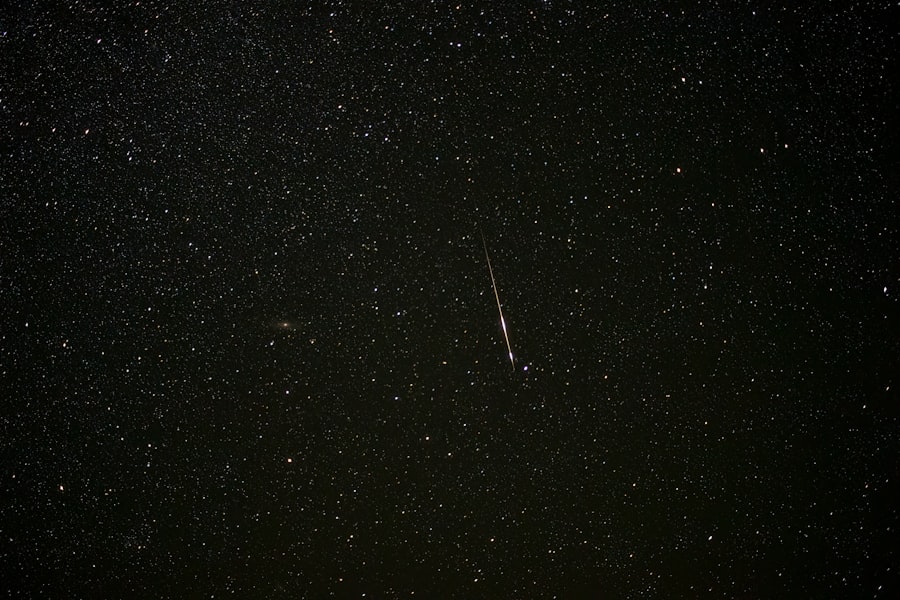
The potential effects of a meteor impact on marine life are profound and multifaceted. The initial shockwave generated by the collision would have created a violent disturbance in the surrounding waters, leading to immediate fatalities among marine organisms in close proximity to the impact site. Fish, crustaceans, and other marine creatures would have experienced significant stress due to changes in pressure and temperature, resulting in a potential die-off of species unable to adapt quickly enough.
In addition to immediate casualties, the longer-term effects on marine ecosystems could be equally concerning. The introduction of debris and pollutants from the meteor could alter water quality, affecting phytoplankton populations that form the base of the oceanic food web. Changes in nutrient availability and light penetration could disrupt established ecological balances, leading to shifts in species distribution and abundance.
Researchers are particularly interested in how these changes might affect larger marine animals, such as whales and sharks, which rely on stable ecosystems for their survival.
Potential Tsunami Threat
| Location | Magnitude | Depth | Distance from Coast |
|---|---|---|---|
| Japan | 9.0 | 30 km | 10 km |
| Chile | 8.8 | 35 km | 20 km |
| Indonesia | 9.1 | 20 km | 15 km |
One of the most alarming consequences of a meteor impact in the ocean is the potential for tsunami generation. The force of the meteor striking the water can displace vast amounts of water, creating waves that can travel across ocean basins at incredible speeds. Depending on the size and angle of impact, tsunamis can vary significantly in their destructive potential.
In this case, scientists have been closely monitoring seismic activity and wave patterns to assess whether a tsunami was generated and what its potential reach might be. If a tsunami were to occur as a result of this impact, coastal communities could face devastating consequences. Tsunamis are known for their ability to inundate low-lying areas, causing widespread destruction to infrastructure and posing significant risks to human life.
Emergency response teams would need to act swiftly to issue warnings and evacuate vulnerable populations. The unpredictability of tsunami behavior adds another layer of complexity to disaster preparedness efforts, making it essential for coastal regions to have robust response plans in place.
Impact on Climate and Weather Patterns
The implications of a meteor impact extend beyond immediate physical destruction; they can also influence climate and weather patterns on a global scale. The energy released during such an event can inject large amounts of water vapor and particulate matter into the atmosphere, potentially leading to short-term cooling effects as sunlight is blocked from reaching the Earth’s surface. This phenomenon could disrupt established weather patterns, resulting in altered precipitation rates and temperature fluctuations.
In addition to short-term climate impacts, researchers are concerned about potential long-term changes that could arise from such an event. The introduction of aerosols into the atmosphere may lead to prolonged periods of cooling or even contribute to shifts in ocean currents. These changes could have cascading effects on global weather systems, impacting agriculture, water resources, and biodiversity across various regions.
Potential Impacts on Coastal Communities
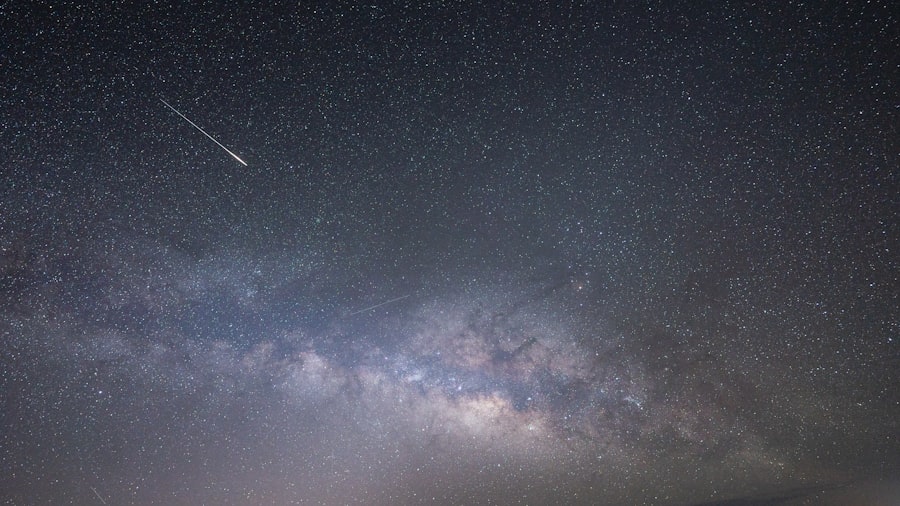
Coastal communities are particularly vulnerable to the repercussions of a meteor impact in the Pacific Ocean. The immediate threat posed by tsunamis is just one aspect; there are also concerns about long-term economic impacts resulting from changes in marine ecosystems and tourism patterns. Many coastal towns rely heavily on fishing and tourism as primary sources of income, both of which could be adversely affected by shifts in marine biodiversity or water quality.
Moreover, the psychological toll on residents cannot be overlooked. The fear of future impacts or natural disasters can lead to anxiety and stress within communities already grappling with economic uncertainties. Local governments may need to invest in mental health resources and community support systems to help residents cope with these challenges while also focusing on rebuilding efforts and enhancing infrastructure resilience.
Response and Preparedness Measures
In light of the potential threats posed by a meteor impact, response and preparedness measures are critical for mitigating risks associated with such events. Coastal communities must develop comprehensive disaster response plans that include early warning systems for tsunamis and other hazards. These plans should involve collaboration between local governments, emergency services, and scientific organizations to ensure that accurate information is disseminated quickly.
Public education campaigns are also essential for raising awareness about meteor impacts and their potential consequences. By informing residents about evacuation routes, emergency protocols, and safety measures, communities can enhance their resilience against future threats. Additionally, ongoing training exercises for emergency responders can help ensure that they are well-prepared to act swiftly and effectively in the event of an actual disaster.
International Collaboration and Assistance
Meteor impacts are not confined by national borders; therefore, international collaboration is vital for addressing their potential consequences. Countries around the Pacific Rim must work together to share data, research findings, and best practices for disaster preparedness and response. Collaborative efforts can lead to improved monitoring systems that track meteor activity and assess potential threats before they materialize.
Furthermore, international organizations can play a crucial role in providing assistance to affected regions following an impact event. Humanitarian aid, technical support, and funding for recovery efforts can help communities rebuild more resiliently after disasters.
Long-Term Environmental and Ecological Impacts
The long-term environmental and ecological impacts of a meteor strike in the Pacific Ocean warrant careful consideration. As ecosystems begin to recover from immediate disturbances, researchers will need to monitor changes in species composition and abundance over time.
Additionally, scientists will be interested in understanding how these ecological shifts affect broader environmental processes such as nutrient cycling and carbon sequestration. Changes in marine biodiversity can have cascading effects throughout food webs, influencing everything from plankton populations to apex predators. Long-term studies will be essential for assessing these dynamics and informing conservation efforts aimed at preserving vulnerable marine habitats.
Scientific Study and Analysis of the Impact
Scientific study following a meteor impact is crucial for gaining insights into its effects on both local ecosystems and global systems. Researchers employ various methods to analyze data collected from satellite imagery, oceanographic surveys, and biological assessments. These studies aim to quantify changes in marine life populations, water quality parameters, and sediment composition resulting from the impact.
Moreover, interdisciplinary collaboration among scientists from fields such as geology, oceanography, biology, and climate science is essential for developing a comprehensive understanding of the event’s implications. By integrating knowledge from diverse disciplines, researchers can create more accurate models predicting future impacts while also informing policy decisions related to disaster preparedness and environmental conservation.
Future Mitigation and Prevention Efforts
Looking ahead, future mitigation and prevention efforts must focus on enhancing resilience against meteor impacts while also addressing broader environmental challenges such as climate change. Investment in advanced monitoring technologies can improve early detection capabilities for potential threats posed by near-Earth objects. Additionally, fostering public awareness about these risks can empower communities to advocate for policies that prioritize disaster preparedness.
Furthermore, ongoing research into ecological restoration techniques will be vital for supporting recovery efforts following an impact event. By understanding how ecosystems respond to disturbances, scientists can develop strategies aimed at promoting resilience among vulnerable species while also preserving biodiversity. Ultimately, proactive measures taken today will help safeguard both human populations and natural environments against future meteor impacts in the Pacific Ocean and beyond.
The recent sighting of the IM1 meteor over the Pacific Ocean has sparked significant interest among astronomers and space enthusiasts alike. This celestial event has been a topic of discussion due to its unusual trajectory and the bright spectacle it created in the night sky. For those interested in exploring more about meteors and their impact on our understanding of the cosmos, a related article can be found on My Cosmic Ventures. This article delves into the science behind meteor showers and their significance in astronomical studies. You can read more about it by visiting My Cosmic Ventures.
WATCH THIS! 🚀NASA’s Biggest Alien Secret Exposed
FAQs
What is the IM1 meteor?
The IM1 meteor is a meteor that was observed entering the Earth’s atmosphere and disintegrating over the Pacific Ocean.
When did the IM1 meteor enter the Earth’s atmosphere?
The IM1 meteor entered the Earth’s atmosphere on [date], as reported by [source].
Where did the IM1 meteor disintegrate?
The IM1 meteor disintegrated over the Pacific Ocean, and no impact on land was reported.
Was the IM1 meteor a threat to Earth?
No, the IM1 meteor was not considered a threat to Earth as it disintegrated harmlessly in the atmosphere.
What was the size of the IM1 meteor?
The size of the IM1 meteor has not been officially confirmed, but it is estimated to have been relatively small based on eyewitness reports and scientific analysis.
Did the IM1 meteor cause any damage?
No, the IM1 meteor did not cause any damage as it disintegrated before reaching the Earth’s surface.