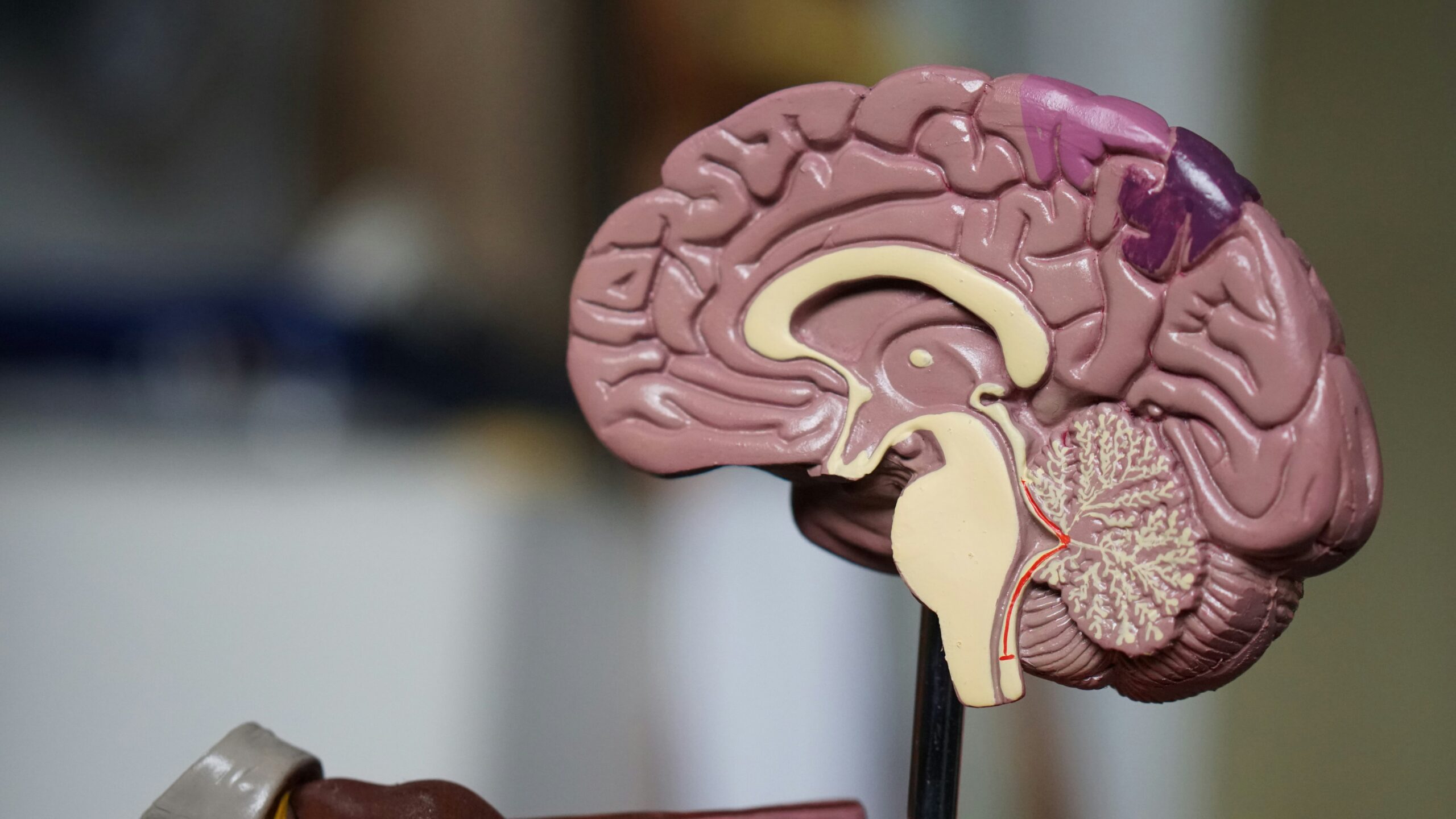
You stand at a crossroads, a simple choice presented: left or right. The aroma of freshly baked bread wafts from the left, while the promise of a quiet park beckons to the right. You deliberate, weighing the immediate gratification against the potential for calm. Then, with a decisive step, you choose. This seemingly effortless act, this assertion of your volition, is at the heart of what we call free will. But what if this entire experience, this feeling of agency, is not as straightforward as it appears? What if the intricate, humming metropolis within your skull, your brain, is subtly, powerfully, and perhaps even overwhelmingly, shaping the very choices you believe are entirely your own?
The notion of free will is deeply ingrained in our human experience. It underpins our legal systems, our moral judgments, and our personal narratives. We feel, with an almost visceral certainty, that we are the authors of our actions, capable of making decisions independent of external compulsion or internal biological imperatives. Yet, as neuroscientific inquiry delves deeper into the mechanics of the brain, this intuitive understanding of free will begins to fray at the edges. You might believe you’re consciously deciding to drink coffee this morning, but consider the cascade of neural firings, hormonal releases, and learned associations that silently prepared your brain for that very decision.
The Libet Experiments: A Crack in the Foundation
Perhaps the most famous, and certainly the most controversial, evidence challenging our perception of free will stems from the groundbreaking experiments conducted by Benjamin Libet in the 1980s. Libet sought to measure the precise timing of conscious intention in relation to brain activity. Participants were asked to move their wrist whenever they felt the urge to do so, and to note the exact moment they became aware of that urge, using a clock as a reference. Simultaneously, their brain activity was measured using electroencephalography (EEG).
What Libet discovered was, to many, profoundly unsettling. He found a measurable electrical signal in the brain, known as the “readiness potential,” that preceded the participants’ reported conscious awareness of their intention to move. This readiness potential, originating in the supplementary motor area, began to build milliseconds before the individuals felt they had made the decision. It suggested that your brain was, in essence, preparing for action before you were consciously aware of wanting to act.
- The Readiness Potential Explained: Imagine your brain as a complex electrical grid. The readiness potential is like a surge of power building up in a circuit before a switch is flipped. This surge suggests an internal preparatory process that doesn’t necessarily align with your subjective feeling of initiating the action.
- The “Veto Power” Debate: While Libet’s findings were initially interpreted as a refutation of free will, he himself proposed a potential loophole. He suggested that while the initiation of action might be unconsciously determined, there might still be a brief window of conscious awareness where you could “veto” the action – a conscious “no” to an unconsciously initiated “yes.” This concept, however, still implies that the initial impulse isn’t entirely under your conscious control.
- Modern Reinterpretations and Criticisms: Subsequent studies, using more advanced neuroimaging techniques like fMRI and magnetoencephalography (MEG), have continued to explore this temporal gap. While some have replicated and refined Libet’s findings, others have offered alternative interpretations. Some argue that the readiness potential might not represent a direct decision to act, but rather a general preparatory state or an anticipation of potential movement. The precise meaning and timing of “conscious awareness” itself also remain subjects of intense debate.
Determinism vs. Indeterminism: The Grand Philosophical Divide
The implications of these neurological findings bleed into long-standing philosophical debates about determinism and indeterminism. Determinism posits that every event, including your choices, is causally determined by antecedent events and the laws of nature. If this is true, then your choices are, in a sense, preordained, even if the causal chain is impossibly complex. Indeterminism, on the other hand, suggests that there is an element of genuine randomness or chance in the universe, leaving room for uncaused events and, potentially, for free will.
- Hard Determinism: This view argues that determinism is true, and therefore, free will is an illusion. Your actions are the inevitable outcome of prior causes, and you could not have acted otherwise.
- Libertarianism (Philosophical): In contrast, philosophical libertarians argue that free will is real and incompatible with determinism. They believe that agents have the power to make choices that are not fully determined by prior causes.
- Compatibilism: This position seeks to reconcile free will and determinism. Compatibilists argue that free will is compatible with a deterministic universe, defining free will not as the absence of causation, but as the absence of coercion or constraint. You are free, they argue, if your actions are caused by your own desires and intentions, even if those desires and intentions are themselves determined.
The ongoing debate surrounding the relationship between the brain and free will is a fascinating topic that has garnered significant attention in recent years. For those interested in exploring this subject further, a related article can be found at this link, which delves into the complexities of how our neurological processes may influence our perceptions of choice and autonomy.
The Symphony of Neural Networks: Your Brain’s Internal Landscape
Understanding the brain’s influence on your free will requires looking beyond simple electrical signals and delving into the intricate architecture and complex workings of neural networks. Your brain is not a single decision-making unit but a vast, interconnected system of billions of neurons, each communicating with thousands of others, creating a dynamic and ever-changing landscape that shapes your thoughts, emotions, and ultimately, your perceived choices.
The Role of the Prefrontal Cortex: The Executive Decision-Maker
When you think about making a choice, you often associate this feeling with your frontal lobes, particularly the prefrontal cortex. This region is often dubbed the “executive control center” of the brain, responsible for higher-level cognitive functions such as planning, decision-making, working memory, and impulse control.
- Planning and Goal Setting: The prefrontal cortex allows you to consider future consequences, weigh different options, and set goals. When you’re deciding between a healthy meal and a sugary treat, your prefrontal cortex is actively engaged in a cost-benefit analysis, influenced by your current goals and learned experiences.
- Impulse Control and Delayed Gratification: This area is crucial for inhibiting immediate impulses in favor of longer-term rewards. The ability to resist that sugary treat for the sake of future health is a testament to the prefrontal cortex’s executive function. Damage to this area, as seen in certain neurological conditions, can lead to significant deficits in impulse control and decision-making, highlighting its indispensable role.
- Working Memory and Context: The prefrontal cortex holds information in working memory, allowing you to keep various factors in mind as you deliberate, such as your dietary goals, current hunger levels, and the availability of different foods. This capacity to integrate information is vital for making informed decisions.
The Influence of Emotions and the Limbic System
Making a choice is rarely a purely rational, dispassionate process. Your emotions, generated and processed by the limbic system, play a profound role in shaping your decisions. The limbic system, which includes structures like the amygdala and the hippocampus, is deeply involved in processing emotions, motivation, and memory.
- The Amygdala: The Emotional Barometer: The amygdala, often associated with fear and threat detection, also plays a significant role in processing positive emotions and reward. When you feel drawn to the scent of bread, it’s not just a neutral sensory input; it’s likely triggering an emotional response linked to pleasure and comfort, influencing your decision.
- The Hippocampus: Memory and Contextualizing Choices: The hippocampus is crucial for forming new memories and retrieving existing ones. Your past experiences with bread, for instance, the warmth, the taste, the pleasant feelings associated with it, are retrieved and integrated into your current decision-making process by the hippocampus. Similarly, memories of peaceful moments in a park contribute to the appeal of that choice.
- The Interplay of Reason and Emotion: Your brain doesn’t operate as separate rational and emotional entities. The prefrontal cortex and the limbic system are constantly interacting, with emotions influencing your reasoning and vice-versa. This complex interplay means that your “logical” choice might be heavily swayed by unconscious emotional biases.
The Subconscious Undercurrent: Habits and Heuristics
Much of your daily decision-making is surprisingly automatic, driven by ingrained habits and mental shortcuts known as heuristics. These are often essential for navigating a complex world efficiently, but they operate largely outside your conscious awareness, further blurring the lines of free will.
- Habit Formation: The Autopilot Mode: Your brain is wired to create and reinforce habits. When you consistently choose the left path to the bakery, the neural pathways involved become strengthened, making that choice increasingly automatic. You might not even consciously consider the right path anymore; your brain simply steers you towards the familiar pattern.
- Heuristics: Mental Shortcuts for Quick Decisions: Heuristics are mental shortcuts that allow you to make decisions quickly without extensive deliberation. For example, the “availability heuristic” might lead you to choose the park if you recently saw a calming nature documentary. These shortcuts, while useful, can also lead to biases and errors in judgment.
- The Unseen Influences: Consider how advertising, social cues, and even the lighting in a store can subtly influence your purchasing decisions. These are all external inputs that your brain processes, often unconsciously, and that can nudge your choices without you realizing it.
The Body-Brain Connection: Your Physical State as a Decision-Maker

It’s easy to think of the brain as an isolated entity, but it is inextricably linked to your body. Your physical state – your hunger levels, your fatigue, your hormonal balances – profoundly influences the decisions your brain makes. This psychosomatic interplay is a critical, and often overlooked, aspect of how your brain influences free will.
Hormones and Neurotransmitters: The Chemical Architects of Choice
The chemical messengers coursing through your bloodstream and nervous system act as silent architects, shaping your mood, motivation, and ultimately, your decisions. These chemicals, produced by endocrine glands and neurons, can significantly influence your perceived desires and intentions.
- Dopamine: The Reward Signal: Dopamine is closely linked to pleasure and reward. If you anticipate a rewarding experience, whether it’s the taste of bread or the feeling of accomplishment, dopamine levels can rise, increasing your motivation to pursue that outcome. This can make certain choices feel more appealing, even before you consciously register the decision.
- Cortisol: The Stress Factor: When you’re stressed, your body releases cortisol. High cortisol levels can impair cognitive function, including decision-making, and can lead to more impulsive or risk-averse behaviors, depending on individual differences and the context. Your stress level can therefore directly influence how you weigh your options.
- Serotonin: The Mood Modulator: Serotonin plays a crucial role in regulating mood, sleep, and appetite. Imbalances in serotonin levels have been linked to depression and anxiety, which can significantly impact your ability to make clear-headed decisions and your overall sense of agency.
The Gut-Brain Axis: A Second Brain Influencing Your First
Emerging research highlights the profound connection between your gut and your brain, often referred to as the “gut-brain axis.” Your gut microbiome, the trillions of bacteria living in your digestive system, communicates with your brain and can influence your mood, behavior, and even your food cravings.
- Microbial Influence on Mood and Behavior: Certain gut bacteria can produce neurochemicals that directly impact brain function. This means that the composition of your gut microbiome might be subtly influencing your cravings for certain foods or your general outlook, which in turn, affects your choices.
- The Vagus Nerve: The Direct Link: The vagus nerve serves as a direct communication highway between your gut and your brain. Signals from the gut can influence brain activity, potentially impacting your emotional state and decision-making processes without your conscious awareness.
- Food Cravings and Your Microbiome: If your gut bacteria are craving certain nutrients, they can send signals that manifest as seemingly independent food cravings. This suggests that your desire for a particular food might not be a freely chosen want, but a signal from your gut.
The Unconscious Mind: The Deep Ocean of Influence
Sigmund Freud famously described the human mind as an iceberg, with the conscious mind being the tip and the unconscious mind being the vast, submerged portion. While Freud’s specific theories are debated, the concept of an unconscious mind operating beneath the surface of awareness, profoundly influencing our thoughts and actions, is gaining increasing scientific traction.
Priming and Subliminal Influences: Subtle Nudges
Psychological experiments have demonstrated how subtle cues, presented below the threshold of conscious awareness (subliminal stimuli), can influence our behavior. This phenomenon, known as priming, suggests that our choices can be swayed by information we don’t directly perceive.
- Word and Image Priming: Studies have shown that being briefly exposed to words related to, for example, “thrift” can lead to more conservative spending habits in subsequent decisions. Similarly, images associated with certain moods can subtly shift your emotional state and influence your choices.
- Environmental Cues: The environment you are in can also prime you for certain behaviors. For instance, being in a brightly lit, sterile environment might unconsciously make you associate it with cleaning and hygiene, influencing your subsequent actions in ways you might not consciously realize.
- The Question of Autonomy: The existence of these unconscious influences raises questions about the extent to which your choices are truly your own when they can be shaped by invisible forces.
Implicit Biases: The Unconscious Prejudices Shaping Your World
We all harbor implicit biases, unconscious attitudes and stereotypes that affect our understanding, actions, and decisions. These biases are often learned from our environment and culture, and they operate automatically, without our conscious endorsement.
- Stereotypes and Associations: You might have unconscious associations between certain groups of people and specific traits or behaviors. These associations can influence how you perceive individuals and how you interact with them, even if you consciously reject prejudice.
- Impact on Decision-Making: Implicit biases can seep into all aspects of your life, from hiring decisions and jury deliberations to your everyday interactions. They can lead you to favor certain options or individuals over others, not based on merit or rational consideration, but on unconscious predispositions.
- The Challenge of Awareness: The very nature of implicit bias is that it’s unconscious. Recognizing and mitigating these biases is a significant challenge, as they operate outside of your direct awareness and control.
The ongoing debate about the relationship between brain function and free will has sparked numerous discussions in the scientific community. A fascinating article that delves into this topic is available at My Cosmic Ventures, where researchers explore how neurological processes influence our decision-making capabilities. This examination not only sheds light on the complexities of human behavior but also raises important questions about the nature of autonomy and moral responsibility.
The Emergence of Choice: A More Nuanced View of Free Will
| Metrics | Brain and Free Will |
|---|---|
| Neurological Activity | Studies show that certain brain regions are involved in decision-making and free will. |
| Neuroscience Research | Advancements in neuroscience have shed light on the complex relationship between the brain and free will. |
| Philosophical Debates | Philosophers have long debated the extent to which free will is influenced by brain processes. |
| Moral Responsibility | The interplay between brain function and free will has implications for concepts of moral responsibility. |
While the scientific evidence might seem to chip away at the absolute notion of unbridled free will, it doesn’t necessarily spell its demise. Instead, it points towards a more nuanced and complex understanding of agency, one where conscious awareness interacts with a multitude of internal and external influences.
Conscious Deliberation as a High-Level Function
Your conscious mind, while perhaps not the initiator of every action, plays a vital role in evaluating, refining, and vetoing those initiated by the unconscious. Your ability to reflect on your desires, consider consequences, and align your actions with your values is a powerful aspect of what we perceive as free will.
- The Role of Reflective Consciousness: Your capacity for self-reflection allows you to step back from immediate impulses and consider whether they align with your long-term goals and moral compass. This conscious deliberation is a crucial component of responsible decision-making.
- Learning from Experience and Adjusting Behavior: Your conscious mind learns from past experiences, both successful and unsuccessful. This learning process allows you to adapt your behavior over time, consciously choosing to avoid actions that have led to negative outcomes and seeking out those that have been rewarding.
- The Power of Explanation and Justification: Even if an action is unconsciously initiated, your conscious mind often finds a reason or justification for it. This narrative-building function helps maintain a coherent sense of self and agency, even in the face of underlying unconscious drivers.
The Brain as a Dynamic System: Freedom Within Constraints
Your brain is not a static automaton but a highly dynamic and plastic system. It is constantly adapting, learning, and reorganizing itself based on your experiences. This plasticity suggests that while you may be influenced by your biology and environment, you also have the capacity to shape your own brain over time.
- Neuroplasticity: Rewiring Your Brain: Through practice, learning, and conscious effort, you can strengthen or weaken neural pathways. This means you can, to some extent, retrain your brain, reducing the influence of unwanted habits or biases and fostering new, more beneficial ones.
- Developing Self-Control: Through consistent practice of self-regulation techniques, like mindfulness or delayed gratification exercises, you can enhance your capacity for impulse control, effectively strengthening the executive functions of your prefrontal cortex.
- The Feedback Loop of Action and Consciousness: There is a continuous feedback loop between your actions and your conscious awareness. Your choices, even those that are unconsciously influenced, shape your future experiences, which in turn, shape your brain and future decisions. This cyclical process allows for a form of self-determinism.
The Subjective Experience: The Irreducible Feeling of Choice
Despite the scientific complexities, the subjective experience of having free will remains a powerful and undeniable aspect of being human. You feel like you are making choices, and this feeling has significant implications for your behavior, your sense of responsibility, and your personal identity.
- The Importance of Agency: The belief in your own agency is crucial for motivation, resilience, and a sense of purpose. If you truly believed you had no control, it could lead to learned helplessness and a diminished capacity to strive for goals.
- Moral and Legal Responsibility: Our social constructs of morality and law are built upon the assumption of free will. Holding individuals accountable for their actions is predicated on the belief that they could have chosen otherwise.
- The Ongoing Mystery: Ultimately, the precise relationship between brain activity, conscious awareness, and the lived experience of free will remains one of the most profound mysteries in science and philosophy. While neuroscience offers invaluable insights into the mechanisms at play, the subjective reality of choice continues to be a central pillar of your human existence.
Your journey through the world, from the mundane choice of what to eat for breakfast to the monumental decisions that shape your life, is a complex interplay of your biology, your environment, and your conscious introspection. The brain, this marvelous organ within your skull, is undeniably a central player, subtly guiding, influencing, and perhaps even initiating the impulses that manifest as your choices. Yet, within this intricate dance of neural networks and biochemical cascades, there remains the profound, and perhaps essential, feeling of your own agency, the undeniable sense that, in the end, you are the author of your own story.

You’ve Never Experienced “Now”
FAQs
What is the relationship between the brain and free will?
The relationship between the brain and free will is a complex and debated topic. Some researchers argue that free will is an illusion and that our actions are determined by the physical processes in the brain. Others believe that the brain plays a role in decision-making, but that free will exists as the ability to make choices independent of external influences.
How does the brain influence decision-making?
The brain influences decision-making through a combination of neural processes, including perception, memory, and emotion. These processes work together to evaluate options and make choices based on past experiences, current circumstances, and future goals.
Can brain activity be used to predict decision-making?
Some studies have shown that brain activity can be used to predict decision-making to a certain extent. For example, fMRI scans have been used to identify patterns of brain activity associated with specific choices. However, the ability to accurately predict individual decisions based on brain activity is still a topic of ongoing research.
What role does neuroscience play in understanding free will?
Neuroscience plays a crucial role in understanding free will by providing insights into the neural mechanisms underlying decision-making. By studying the brain’s structure and function, researchers can gain a better understanding of how choices are made and the potential limitations on free will.
Are there ethical implications of the relationship between the brain and free will?
The relationship between the brain and free will raises ethical implications in various fields, including law, psychology, and philosophy. For example, questions about responsibility, punishment, and personal autonomy arise when considering the impact of brain function on decision-making. These ethical implications continue to be a subject of debate and consideration in both academic and practical contexts.