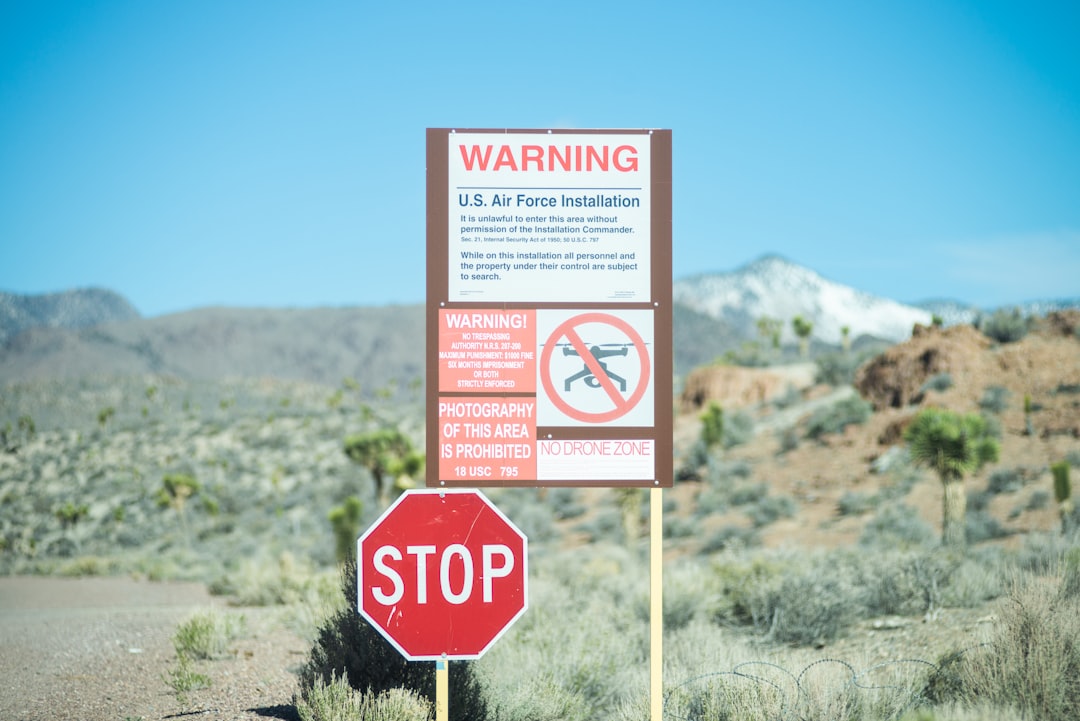
Unidentified Aerial Phenomena, commonly referred to as UAPs, represent a category of aerial objects or occurrences that cannot be readily identified or explained. Unlike traditional UFOs, which have often been associated with extraterrestrial life, UAPs encompass a broader range of phenomena, including natural atmospheric events, advanced military technology, and even psychological perceptions. The term has gained traction in recent years, particularly within governmental and scientific circles, as a more neutral and inclusive way to discuss these mysterious sightings without immediately invoking the stigma often associated with UFOs.
The significance of UAPs lies not only in their mysterious nature but also in the implications they hold for aviation safety, national security, and the potential for scientific discovery. As technology advances and more sophisticated detection methods are developed, the frequency of UAP sightings has increased, prompting a renewed interest in understanding these phenomena. The ongoing investigation into UAPs reflects humanity’s enduring curiosity about the unknown and the desire to uncover truths that lie beyond conventional understanding.
Key Takeaways
- UAPs are unidentified aerial phenomena, which are objects or lights in the sky that cannot be explained by conventional means.
- Historical accounts of UAP sightings date back centuries, with reports of strange aerial objects and lights appearing in various cultures and time periods.
- Government involvement and secrecy surrounding UAPs have led to speculation about cover-ups and conspiracy theories.
- Theories and explanations for UAPs range from extraterrestrial spacecraft to natural atmospheric phenomena and advanced military technology.
- Recent UAP sightings and encounters have sparked renewed interest and debate about the nature and origin of these mysterious aerial phenomena.
Historical accounts of UAP sightings
Throughout history, there have been numerous accounts of aerial phenomena that remain unexplained. From ancient civilizations documenting strange lights in the sky to more contemporary reports of flying objects performing extraordinary maneuvers, the fascination with UAPs is deeply rooted in human culture. One of the earliest recorded instances dates back to 1561 in Nuremberg, Germany, where residents reported witnessing a celestial battle involving various shapes and colors in the sky.
Such accounts illustrate that the intrigue surrounding UAPs is not a modern phenomenon but rather a recurring theme throughout human history. In the 20th century, the phenomenon gained significant attention, particularly after World War
The Roswell incident of 1947, where an alleged UFO crash occurred in New Mexico, marked a pivotal moment in UAP history. This event sparked widespread speculation and conspiracy theories about government cover-ups and extraterrestrial life. The subsequent formation of organizations like Project Blue Book by the United States Air Force aimed to investigate and catalog UAP sightings further fueled public interest.
These historical accounts serve as a testament to humanity’s long-standing quest to understand the skies above and the mysteries they may hold.
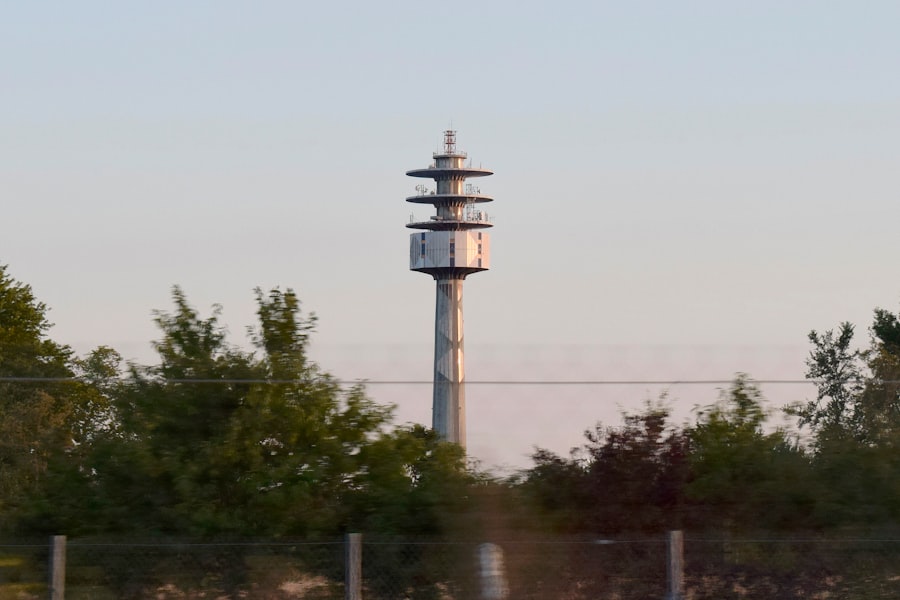
Government involvement and secrecy surrounding UAPs
| Metrics | Data |
|---|---|
| Number of government agencies involved | Multiple, including the Pentagon, CIA, and Department of Defense |
| Level of government secrecy | High, with classified documents and limited public disclosure |
| Official government statements | Limited, with occasional acknowledgments of UAP sightings |
| Public access to UAP information | Restricted, with limited public access to government data |
Government involvement in UAP investigations has been shrouded in secrecy and speculation for decades. Many individuals believe that governments worldwide possess classified information regarding UAPs that has yet to be disclosed to the public. This perception is fueled by historical events such as the aforementioned Roswell incident and the subsequent military operations aimed at investigating UAP sightings.
The lack of transparency surrounding these investigations has led to widespread distrust among the public, with many questioning what authorities may be hiding. In recent years, however, there has been a shift towards greater openness regarding UAPs. The establishment of the Unidentified Aerial Phenomena Task Force by the Pentagon in 2020 marked a significant step towards acknowledging the reality of these phenomena.
This task force aims to collect and analyze data related to UAP sightings reported by military personnel. The release of declassified videos showing encounters between military aircraft and unidentified objects has further fueled public interest and debate about what these phenomena could represent. As governments begin to take a more proactive approach to studying UAPs, the hope is that transparency will lead to a better understanding of these enigmatic occurrences.
Theories and explanations for UAPs
Theories surrounding UAPs are as diverse as the sightings themselves. Some explanations lean towards conventional interpretations, suggesting that many UAP sightings can be attributed to misidentified aircraft, weather balloons, or atmospheric phenomena such as ball lightning. These explanations highlight the importance of critical thinking and scientific inquiry when approaching reports of unidentified objects in the sky.
On the other hand, more speculative theories propose that UAPs could be evidence of advanced extraterrestrial technology or even time travelers from the future. These ideas capture the imagination and reflect humanity’s desire to explore possibilities beyond our current understanding of physics and technology. While some scientists remain skeptical of these claims due to a lack of empirical evidence, others argue that dismissing such theories outright may hinder potential breakthroughs in understanding both our universe and our place within it.
Recent UAP sightings and encounters

In recent years, there has been a notable increase in reported UAP sightings, particularly among military personnel. High-profile encounters involving Navy pilots have garnered significant media attention, with videos capturing objects exhibiting extraordinary flight characteristics that defy conventional aerodynamics. These incidents have reignited public interest in UAPs and prompted calls for further investigation into their origins and implications.
One particularly striking encounter occurred in 2004 off the coast of San Diego when Navy pilots reported seeing a tic-tac-shaped object performing rapid maneuvers at incredible speeds.
As more individuals come forward with their experiences and as technology continues to advance, it is likely that the number of reported sightings will continue to rise, further complicating our understanding of these phenomena.
UAPs and their potential threat to national security
The potential threat posed by UAPs to national security is a topic of growing concern among military officials and policymakers. As unidentified objects are observed entering restricted airspace or exhibiting flight patterns that challenge current technological capabilities, questions arise about their origins and intentions. The possibility that these phenomena could represent advanced foreign technology or even hostile entities has prompted calls for increased vigilance and investigation.
Moreover, the implications extend beyond mere surveillance; they touch upon issues of air safety for commercial aviation as well. With increasing reports of near-misses between aircraft and unidentified objects, there is an urgent need for comprehensive protocols to address these encounters. The establishment of dedicated task forces within military organizations reflects an acknowledgment of this potential threat and underscores the importance of understanding UAPs not only as curiosities but as serious matters requiring attention.
Scientific research and studies on UAPs
Scientific research into UAPs has historically been limited due to stigma and skepticism surrounding the topic. However, recent developments indicate a shift towards a more rigorous scientific approach to studying these phenomena. Researchers from various fields are beginning to collaborate on investigations aimed at collecting data, analyzing patterns, and developing hypotheses regarding UAP sightings.
One notable initiative is the establishment of academic programs focused on studying aerial phenomena through a scientific lens. These programs aim to foster interdisciplinary collaboration among physicists, engineers, psychologists, and other experts to explore potential explanations for UAPs while maintaining rigorous scientific standards. By applying empirical methods to investigate these occurrences, researchers hope to demystify UAPs and contribute valuable insights into our understanding of both atmospheric science and advanced technology.
The role of the media in shaping public perception of UAPs
The media plays a crucial role in shaping public perception of UAPs, often acting as both a conduit for information and a catalyst for speculation. Coverage of high-profile sightings or government disclosures can significantly influence how society views these phenomena. Sensationalized reporting may lead to increased fear or fascination, while more measured approaches can promote critical thinking and informed discussion.
In recent years, media outlets have increasingly focused on responsible reporting regarding UAPs, emphasizing the need for evidence-based analysis rather than sensationalism. Documentaries, podcasts, and investigative journalism have contributed to a more nuanced understanding of UAPs by presenting diverse perspectives from experts in various fields. As public interest continues to grow, responsible media coverage will be essential in fostering informed dialogue about these enigmatic occurrences.
Debunking myths and misconceptions about UAPs
Despite growing interest in UAPs, numerous myths and misconceptions persist within popular culture. One common belief is that all UAP sightings are indicative of extraterrestrial life; however, many reports can be attributed to mundane explanations such as weather phenomena or human-made objects. Debunking these myths is essential for fostering a more accurate understanding of what constitutes a UAP.
Another misconception is that government agencies are entirely dismissive of UAP reports; in reality, many organizations are actively investigating these phenomena while grappling with issues related to classification and secrecy. By addressing these misconceptions head-on through education and outreach efforts, advocates for responsible discourse can help demystify UAPs and encourage open-minded exploration of their implications.
The impact of UAPs on popular culture and entertainment
UAPs have had a profound impact on popular culture and entertainment over the decades. From classic science fiction films like “Close Encounters of the Third Kind” to contemporary series such as “The X-Files,” these phenomena have captured the imagination of audiences worldwide. The portrayal of UAPs in media often reflects societal anxieties about technology, government secrecy, and humanity’s place in the universe.
Moreover, the fascination with UAPs has led to an entire subculture dedicated to exploring these mysteries through conventions, literature, and online communities. This cultural phenomenon not only entertains but also serves as a platform for individuals to share experiences and theories about unidentified aerial phenomena. As public interest continues to grow, it is likely that UAPs will remain a prominent theme in popular culture for years to come.
The future of UAP research and potential breakthroughs
The future of UAP research holds promise for significant breakthroughs in understanding both aerial phenomena and broader scientific principles. As technology advances—particularly in areas such as artificial intelligence, sensor technology, and data analysis—researchers will have access to more sophisticated tools for investigating UAP sightings. This could lead to enhanced data collection methods that allow for more comprehensive analysis of patterns associated with these phenomena.
Furthermore, increased collaboration between governmental agencies, academic institutions, and private organizations may pave the way for innovative approaches to studying UAPs. By fostering an environment conducive to open inquiry and interdisciplinary collaboration, researchers may uncover new insights that challenge existing paradigms while expanding humanity’s understanding of its place within the cosmos. As interest continues to grow both within scientific communities and among the general public, it is clear that the exploration of UAPs will remain an important frontier for inquiry in the years ahead.
In recent years, the topic of unidentified aerial phenomena (UAP) has garnered significant attention, sparking curiosity and debate among scientists, government officials, and the general public. A related article on this subject can be found on My Cosmic Ventures, which delves into the various explanations and theories surrounding these mysterious occurrences. The article explores the potential technological, natural, and extraterrestrial origins of UAPs, providing a comprehensive overview of current research and findings. For more insights, you can read the full article by visiting My Cosmic Ventures.
WATCH THIS! 🚀NASA’s Biggest Alien Secret Exposed
FAQs
What are unidentified aerial phenomena (UAP)?
Unidentified aerial phenomena (UAP) are objects or lights in the sky that are not readily identifiable by observers. They are often associated with reports of UFOs (unidentified flying objects) and are the subject of ongoing investigation by government and military agencies.
What are some common characteristics of UAP?
Common characteristics of UAP include unusual flight patterns, high speeds, sudden changes in direction, and the ability to remain stationary in the air for extended periods of time. They are often reported as appearing metallic or glowing, and may be observed emitting light or energy.
What is the difference between UAP and UFO?
The term “UAP” is often used in place of “UFO” to avoid the stigma and connotations associated with the latter. While both terms refer to unidentified objects in the sky, UAP is a more neutral and scientifically-oriented term that does not imply the existence of extraterrestrial life or spacecraft.
What are some possible explanations for UAP?
Possible explanations for UAP include natural phenomena such as weather balloons, atmospheric anomalies, and celestial bodies. They may also be attributed to human-made objects such as experimental aircraft, drones, or other technological devices. In some cases, UAP may be the result of misidentifications or optical illusions.
Why are UAP of interest to government and military agencies?
UAP are of interest to government and military agencies due to their potential implications for national security and defense. The ability of UAP to maneuver in ways that defy known aerodynamic principles raises concerns about the possibility of advanced technology being employed by foreign adversaries or other entities. Additionally, the potential for UAP to pose a safety hazard to aircraft and personnel is a significant concern.