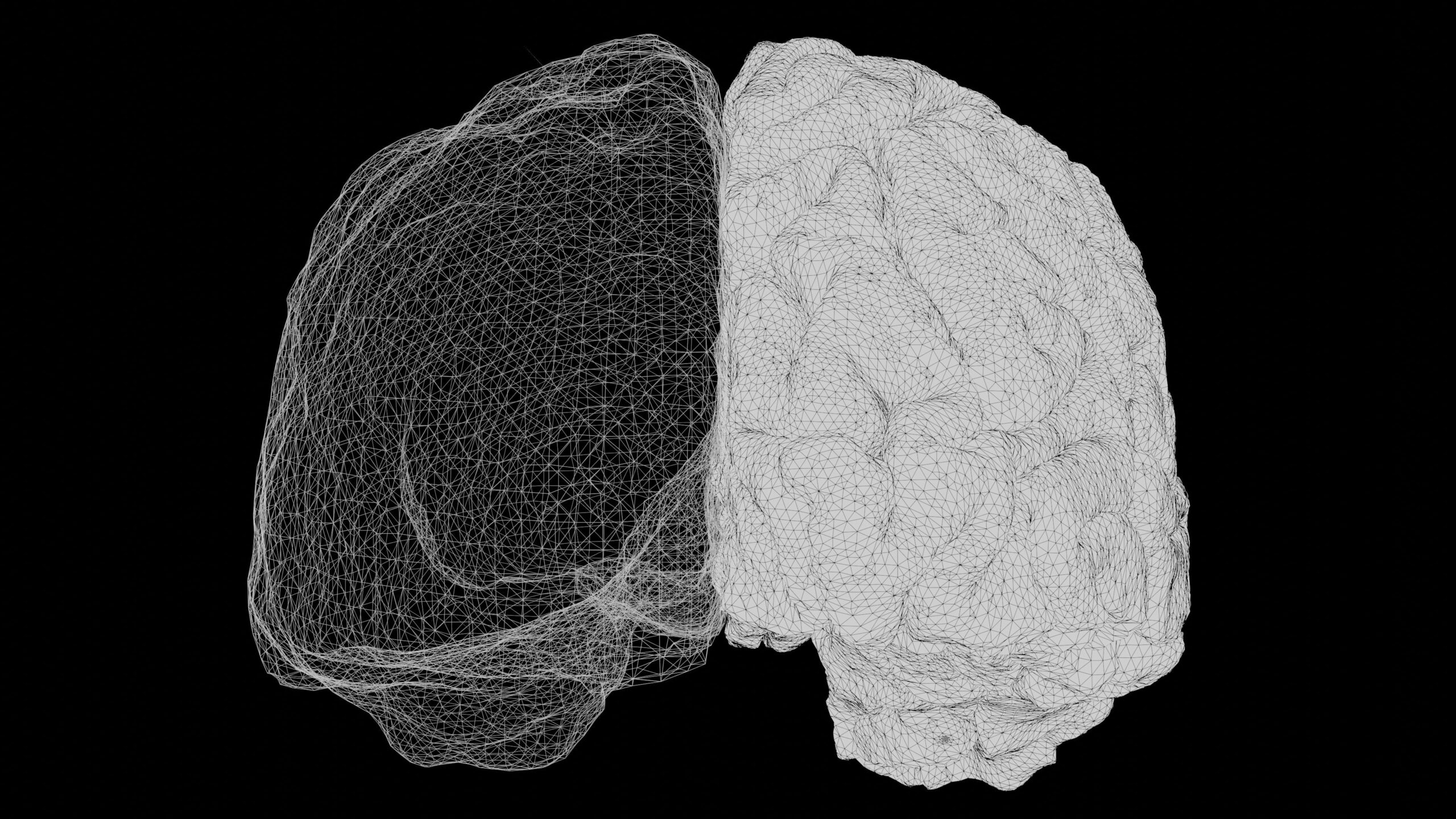
You’ve always been you, haven’t you? That unique blend of thoughts, feelings, memories, and aspirations that define your very existence. But have you ever stopped to truly consider the extraordinary biological engine that makes all of this possible? You’re standing on the precipice of understanding the most complex and fascinating organ in the known universe: your brain. This isn’t some abstract scientific concept; it’s the very core of your being, intricately woven with billions of cells, conducting a constant symphony of electrical and chemical signals that orchestrate everything you perceive, do, and dream.
The Microscopic Marvel: Neurons and Their Symphony
At the heart of your brain’s incredible power are billions of specialized cells called neurons. These aren’t just passive components; they are dynamic, data-processing units. Each neuron is a marvel of biological engineering, equipped with a cell body (soma) containing the nucleus, dendrites that act like receiving antennas, and a long projection called an axon that transmits signals to other neurons.
The Electrical Spark: Action Potential
The communication between neurons is a rapid-fire exchange of electrical and chemical signals. When a neuron receives enough stimulation, it fires an electrical impulse, known as an action potential. This isn’t a gentle hum; it’s a powerful depolarization of the cell membrane, a rapid influx of sodium ions followed by an efflux of potassium ions, creating a fleeting but potent electrical wave that travels down the axon. Think of it like a lightning strike, a sudden burst of energy that propels information forward.
The Chemical Bridge: Neurotransmitters
The real magic happens at the synapse, the tiny gap between the axon of one neuron and the dendrite of another. When the electrical signal reaches the axon terminal, it triggers the release of chemical messengers called neurotransmitters. These molecules diffuse across the synaptic cleft and bind to specific receptors on the postsynaptic neuron, either exciting it (making it more likely to fire) or inhibiting it (making it less likely to fire). It’s like a molecular handshake, a precisely coded message passed from one neuron to the next.
The Supporting Cast: Glial Cells
While neurons are the stars of the show, they receive crucial support from a diverse array of cells called glial cells. These unsung heroes perform vital functions that enable neurons to thrive and communicate effectively.
Astrocytes: The Architects and Nourishers
Astrocytes, named for their star-like shape, are the most abundant type of glial cell. They provide structural support to neurons, regulate the chemical environment around them, and help form the blood-brain barrier, a protective shield that prevents harmful substances from entering the brain. They also play a role in synaptic function, influencing how neurons communicate.
Oligodendrocytes and Schwann Cells: The Insulation Specialists
To ensure that electrical signals travel rapidly and efficiently, neurons are often wrapped in a fatty sheath called myelin. This insulation is primarily produced by oligodendrocytes in the central nervous system (brain and spinal cord) and Schwann cells in the peripheral nervous system. This myelin sheath acts like the plastic coating on an electrical wire, allowing signals to jump between gaps in the myelin (nodes of Ranvier), speeding up transmission considerably.
Microglia: The Brain’s Immune System
Microglia are the brain’s dedicated immune cells. They constantly patrol the neural environment, clearing away debris, damaged cells, and pathogens. They are essential for maintaining a healthy brain and play a critical role in inflammation and repair.
For those interested in delving deeper into the fascinating world of brain science, you might find the article “Understanding Neuroplasticity: How Our Brains Adapt” particularly enlightening. This piece explores the concept of neuroplasticity and how our brains can reorganize themselves throughout our lives in response to learning and experience. To read more about this intriguing topic, visit the article here: Understanding Neuroplasticity: How Our Brains Adapt.
The Architect’s Blueprint: Brain Structure and Function
Your brain isn’t a homogenous mass; it’s a complex, highly organized structure with distinct regions specialized for different functions. Understanding this architecture is key to appreciating how your brain achieves its extraordinary feats.
The Three Musketeers: Forebrain, Midbrain, and Hindbrain
Broadly speaking, the brain can be divided into three major parts: the forebrain, the midbrain, and the hindbrain.
The Forebrain: The Seat of Higher Cognition
The forebrain is the largest and most developed part of your brain, responsible for your most complex cognitive functions. It’s further divided into:
- The Cerebrum: The most prominent feature, the cerebrum is divided into two hemispheres (left and right), each responsible for processing information from the opposite side of your body. The outer layer, the cerebral cortex, is highly folded, increasing its surface area and allowing for more neurons. This is where you’ll find the centers for language, memory, decision-making, and abstract thought.
- Lobes of the Cerebrum: Each hemisphere is further divided into four lobes:
- Frontal Lobe: Located at the front of your skull, the frontal lobe is your executive control center. It’s involved in planning, problem-solving, voluntary movement, and personality. Think of it as your inner CEO.
- Parietal Lobe: Situated behind the frontal lobe, the parietal lobe processes sensory information like touch, temperature, pain, and pressure. It also plays a role in spatial awareness and navigation.
- Temporal Lobe: Located beneath the frontal and parietal lobes, the temporal lobe is crucial for processing auditory information, memory formation, and language comprehension. Your ability to understand spoken words resides here.
- Occipital Lobe: Located at the back of your head, the occipital lobe is dedicated to processing visual information. It’s how you interpret the world you see.
- The Diencephalon: This region sits beneath the cerebrum and includes:
- Thalamus: Often called the brain’s relay station, the thalamus receives sensory information from the body (except smell) and relays it to the appropriate areas of the cerebral cortex.
- Hypothalamus: This small but mighty area plays a critical role in regulating basic bodily functions such as hunger, thirst, body temperature, sleep-wake cycles, and hormone release. It’s your body’s internal thermostat and homeostatic regulator.
The Midbrain: The Information Highway
The midbrain is a relatively small region that acts as a crucial relay center for visual and auditory information. It also contains structures involved in controlling eye movements and regulating movement.
The Hindbrain: The Foundation of Survival
The hindbrain is located at the back and bottom of your brain, connecting to the spinal cord. It’s responsible for essential life-sustaining functions.
- Cerebellum: Often called the “little brain,” the cerebellum is located at the back of your head, beneath the cerebrum. It’s primarily responsible for coordinating voluntary movements, posture, balance, coordination, and speech, resulting in smooth and balanced muscular activity. It refines motor commands initiated by the cerebrum.
- Brainstem: This vital structure connects the cerebrum and cerebellum to the spinal cord. It controls fundamental functions essential for survival, including breathing, heart rate, blood pressure, swallowing, and sleep.
- Medulla Oblongata: The lowest part of the brainstem, responsible for regulating crucial autonomic functions like breathing and heart rate.
- Pons: Located above the medulla, the pons acts as a bridge between the cerebrum and cerebellum and plays a role in regulating breathing, sleep cycles, and sensory information.
The Sculptor of Self: Plasticity and Learning
Perhaps one of the most awe-inspiring aspects of your brain is its incredible ability to change and adapt throughout your life. This phenomenon is known as neuroplasticity. Your brain isn’t a static, finished product; it’s a dynamic, ever-evolving landscape shaped by your experiences.
Rewiring the Networks: How Learning Happens
Every time you learn something new, whether it’s riding a bike, speaking a new language, or mastering a complex skill, your brain is physically changing. Neurons form new connections, existing connections are strengthened or weakened, and even the structure of neural pathways can be altered.
Synaptic Plasticity: The Building Blocks of Memory
The fundamental mechanism behind neuroplasticity lies in the synapses. When you repeatedly activate a particular neural pathway, the synapses within that pathway become more efficient. This involves a process called Long-Term Potentiation (LTP), where the strength of synaptic connections increases, making communication between neurons faster and more reliable. Conversely, pathways that are not used frequently can weaken, a process known as Long-Term Depression (LTD).
Structural Changes: Growing New Connections
Beyond synaptic adjustments, your brain can also undergo more profound structural changes. New neurons can be born in certain areas (neurogenesis, particularly in the hippocampus, which is crucial for memory), and existing neurons can sprout new dendrites and axons, creating entirely new networks. It’s like having a constantly expanding and reconfiguring city, with new roads being built and old ones being upgraded.
The Impact of Experience: Shaping Your Brain
Your environment and your experiences act as the sculptors of your brain. Engaging in mentally stimulating activities, learning new skills, and even having rich social interactions can all promote positive neuroplasticity. Conversely, a lack of stimulation or traumatic experiences can have detrimental effects.
The Inner Workings: Perception, Emotion, and Consciousness
Your brain isn’t just a processor of information; it’s the architect of your subjective reality. It constructs your perceptions of the world, generates your emotions, and gives rise to your consciousness.
Building Your World: The Symphony of Senses
Every moment, your senses are bombarding your brain with raw data – light waves, sound vibrations, chemical molecules, pressure, and temperature. Your brain then takes this chaotic influx and transforms it into a coherent and meaningful experience of the world.
Visual Processing: From Light to Image
Light entering your eyes is converted into electrical signals by photoreceptor cells in the retina. These signals travel along the optic nerve to the occipital lobe, where they are processed in a hierarchical manner, starting with basic features like edges and colors and progressing to the recognition of complex objects and faces.
Auditory Processing: Decoding Sound Waves
Sound waves entering your ears are translated into electrical signals by hair cells in the cochlea. These signals are then transmitted to the auditory cortex in the temporal lobe, where they are interpreted as sounds, speech, music, and other auditory information.
The Other Senses: Touch, Taste, and Smell
Your skin, tongue, and nose are brimming with receptors that detect pressure, pain, temperature, chemicals, and smells. This information is then relayed to dedicated areas in the brain, such as the somatosensory cortex (for touch) and the gustatory and olfactory cortices (for taste and smell), allowing you to experience the world through these vital senses.
The Colors of Your Soul: The Neuroscience of Emotion
Emotions are not simply intangible feelings; they are complex neurobiological processes involving the interplay of brain regions and neurotransmitters.
The Limbic System: The Emotional Hub
The limbic system, a collection of interconnected structures including the amygdala, hippocampus, and hypothalamus, plays a central role in processing emotions. The amygdala, a small almond-shaped structure, is particularly important for detecting and responding to threats and is heavily involved in fear processing.
Neurotransmitters and Mood: The Chemical Orchestra
Neurotransmitters like serotonin, dopamine, and norepinephrine are crucial for regulating mood and emotional well-being. Imbalances in these chemicals are often implicated in mood disorders such as depression and anxiety.
The Enigma of Experience: The Nature of Consciousness
What is consciousness? This is arguably the greatest unsolved mystery in neuroscience. While we know that consciousness arises from the activity of the brain, the precise mechanisms are still poorly understood.
The Global Workspace Theory: A Networked Approach
One prominent theory suggests that consciousness emerges from the widespread broadcasting of information across various brain regions. When information becomes globally available to many parts of the brain, it enters our conscious awareness.
Integrated Information Theory: A Mathematical Perspective
Another approach attempts to quantify consciousness based on the degree of information integration within a system. The more integrated the information within a network, the higher its level of consciousness.
In exploring the fascinating world of brain science, one can gain deeper insights into how our minds work and the underlying mechanisms that drive our thoughts and behaviors. A related article that delves into the complexities of neural pathways and their impact on cognitive functions can be found at this link. Understanding these concepts not only enhances our knowledge of brain science but also opens up new avenues for research and application in various fields.
The Future of the Brain: Frontiers and Possibilities
The study of the brain is a rapidly advancing field, and the insights we gain are constantly pushing the boundaries of what we understand about ourselves and what might be possible in the future.
Brain-Computer Interfaces: Bridging the Gap
Brain-computer interfaces (BCIs) are revolutionizing how we interact with technology. These devices allow you to control external devices, such as prosthetic limbs or computer cursors, using only your thoughts. This technology holds immense promise for individuals with paralysis or other motor impairments, offering them a new level of independence.
Neurotechnology and Enhancement: Optimizing Performance
As our understanding of brain function deepens, the potential for neurotechnology to enhance human capabilities becomes increasingly tangible. This could range from improving memory and learning to boosting focus and creativity. However, this also raises significant ethical questions about fairness, accessibility, and the very definition of what it means to be human.
Combating Neurological Disorders: A Beacon of Hope
The insights gained from neuroscience are crucial for developing treatments and cures for a wide range of neurological disorders, from Alzheimer’s and Parkinson’s disease to stroke and epilepsy. Research into neurogenesis, neural regeneration, and targeted drug delivery holds the promise of alleviating suffering and improving the lives of millions.
You are, quite literally, a universe within yourself. A universe of billions of neurons, constantly communicating, learning, and evolving. The science of the brain is not just about understanding complex biological mechanisms; it’s about understanding the very essence of what makes you, you. As you continue to learn and grow, remember that your brain is right there with you, actively participating in the incredible journey of your life. The more you understand it, the more you can appreciate the profound wonder that you are.

You’ve Never Experienced “Now”
FAQs

What is brain science?
Brain science, also known as neuroscience, is the study of the nervous system, including the brain, spinal cord, and networks of sensory nerve cells called neurons. It seeks to understand how the brain functions, develops, and changes throughout a person’s life.
What are the main areas of study in brain science?
Brain science encompasses a wide range of disciplines, including neurobiology, cognitive neuroscience, and neuropsychology. Researchers in these fields study topics such as brain development, neural pathways, cognitive processes, and the effects of brain injuries and diseases.
How does the brain process information?
The brain processes information through a complex network of neurons that communicate with each other through electrical and chemical signals. Different areas of the brain are responsible for different functions, such as sensory perception, motor control, language processing, and memory.
What are some common brain disorders studied in brain science?
Brain science researchers study a variety of brain disorders, including Alzheimer’s disease, Parkinson’s disease, epilepsy, schizophrenia, and traumatic brain injuries. By understanding the underlying mechanisms of these disorders, scientists hope to develop better treatments and interventions.
How does brain science impact everyday life?
Brain science has a wide range of applications that impact everyday life, including advancements in medical treatments for brain disorders, improved understanding of learning and memory processes, and the development of technologies such as brain-computer interfaces and neuroimaging techniques.