
In a world where durability and resilience are paramount, the advent of Unbreakable material has revolutionized the way industries approach manufacturing and design. This innovative substance, often touted as tougher than any meteorite, has captured the imagination of scientists, engineers, and consumers alike. Its remarkable strength and versatility have positioned it as a game-changer in various fields, from aerospace to consumer goods.
As the demand for materials that can withstand extreme conditions continues to rise, Unbreakable stands at the forefront, promising to redefine standards of toughness and longevity. The introduction of Unbreakable material marks a significant milestone in material science. Unlike traditional materials that often succumb to wear and tear, Unbreakable boasts an unparalleled ability to resist damage from impacts, abrasions, and environmental factors.
This unique characteristic not only enhances the lifespan of products but also reduces the need for frequent replacements, thereby promoting sustainability. As industries seek solutions that align with modern demands for durability and eco-friendliness, Unbreakable emerges as a beacon of innovation, ready to tackle the challenges of the 21st century.
Key Takeaways
- Unbreakable material is tougher than any meteorite, making it a revolutionary advancement in material science.
- The toughness of Unbreakable material comes from its unique molecular structure and composition, which gives it exceptional strength and durability.
- Unbreakable material outperforms traditional materials like steel and titanium, making it ideal for applications in aerospace, defense, and construction industries.
- The potential applications of Unbreakable material range from bulletproof vests and armor to lightweight and durable components for spacecraft and satellites.
- The process of creating Unbreakable material involves advanced manufacturing techniques and precise control over its molecular structure to achieve the desired properties.
What makes Unbreakable material so tough?
The toughness of Unbreakable material can be attributed to its unique molecular structure and composition. Unlike conventional materials that may have weaknesses at a microscopic level, Unbreakable is engineered to distribute stress evenly across its surface. This property allows it to absorb impacts without fracturing, making it ideal for applications where durability is critical.
The intricate arrangement of its molecules creates a lattice-like structure that enhances its resistance to deformation and breakage, setting it apart from other materials. Moreover, the manufacturing process of Unbreakable involves advanced techniques that further enhance its toughness. By incorporating cutting-edge technologies such as nanotechnology and composite layering, manufacturers can create a material that not only withstands extreme conditions but also maintains its integrity over time.
This combination of innovative design and superior materials science results in a product that is not only tough but also lightweight and flexible, making it suitable for a wide range of applications.
Comparing Unbreakable to other materials

When comparing Unbreakable to traditional materials such as steel, glass, or plastics, its superiority becomes evident. Steel, while strong, is often heavy and prone to corrosion over time. Glass, on the other hand, is fragile and can shatter upon impact.
Plastics may offer some degree of flexibility but often lack the strength required for demanding applications. In contrast, Unbreakable combines the best attributes of these materials while eliminating their weaknesses. Its lightweight nature allows for easy handling and transportation, while its exceptional strength ensures that it can endure harsh conditions without compromising performance.
Additionally, Unbreakable’s resistance to environmental factors such as temperature fluctuations, moisture, and UV radiation further distinguishes it from its counterparts. While many materials degrade or lose their structural integrity when exposed to these elements, Unbreakable remains steadfast. This resilience not only extends the lifespan of products made from this material but also reduces maintenance costs and enhances overall efficiency in various applications.
The potential applications of Unbreakable
| Application | Potential |
|---|---|
| Automotive | Improved safety and durability for vehicle components |
| Aerospace | Lightweight, strong materials for aircraft construction |
| Construction | Stronger, more resilient building materials |
| Electronics | Durable components for electronic devices |
| Medical | Biocompatible materials for implants and medical devices |
The potential applications of Unbreakable material are vast and varied, spanning multiple industries. In the realm of consumer electronics, for instance, manufacturers are increasingly turning to Unbreakable for smartphone screens and protective cases.
This not only enhances user experience but also reduces electronic waste by prolonging the lifespan of devices. In the automotive industry, Unbreakable is being explored for use in components such as windshields and body panels. The material’s lightweight nature contributes to improved fuel efficiency while its toughness ensures safety in the event of collisions.
Furthermore, in construction and infrastructure projects, Unbreakable can be utilized in everything from protective barriers to structural supports, providing enhanced safety and durability in buildings and public spaces.
The process of creating Unbreakable
Creating Unbreakable material involves a meticulous process that combines advanced scientific principles with innovative engineering techniques. The journey begins with selecting high-quality raw materials that possess the necessary properties for strength and resilience. These materials are then subjected to a series of treatments designed to enhance their molecular structure.
Techniques such as heat treatment and chemical bonding play a crucial role in achieving the desired toughness. Once the raw materials have been processed, they undergo rigorous testing to ensure they meet stringent quality standards. This phase is critical in determining the material’s performance under various conditions.
After passing these tests, the final product is manufactured using state-of-the-art machinery that allows for precision shaping and finishing. The result is a material that not only meets but exceeds expectations in terms of durability and functionality.
The impact of Unbreakable on various industries
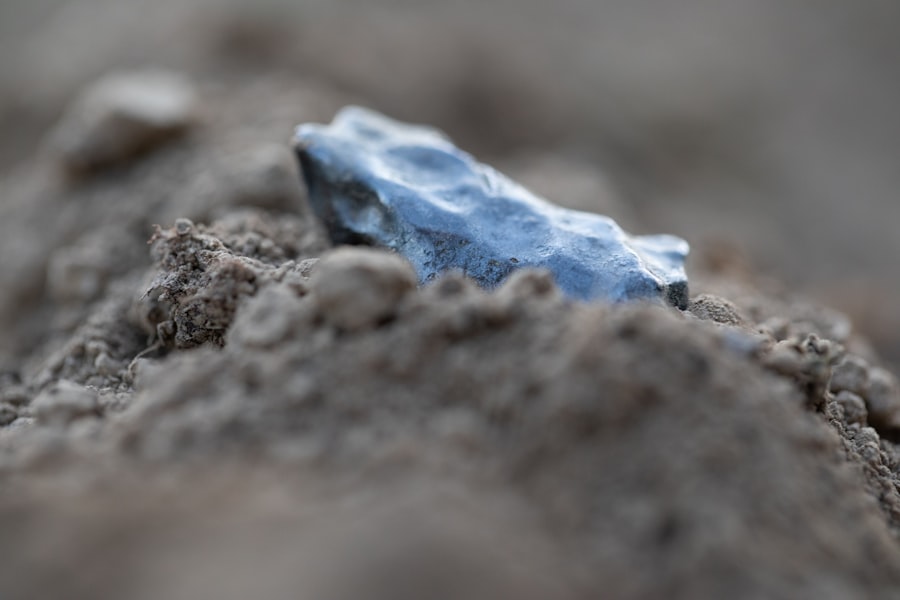
The introduction of Unbreakable material has had a profound impact on numerous industries, driving innovation and efficiency across the board. In healthcare, for example, Unbreakable is being utilized in medical devices and equipment that require both strength and sterility. The material’s resistance to damage ensures that critical tools remain functional even in high-pressure environments, ultimately improving patient outcomes.
In the realm of sports equipment, Unbreakable has transformed the way athletes train and compete. From unbreakable helmets to durable footwear, this material provides athletes with the confidence that their gear can withstand intense physical activity without compromising safety or performance. As industries continue to explore the possibilities offered by Unbreakable, its influence is likely to expand even further.
The future of Unbreakable technology
Looking ahead, the future of Unbreakable technology appears promising as researchers continue to explore new applications and enhancements. Ongoing advancements in material science are likely to yield even tougher variations of Unbreakable that can withstand extreme conditions beyond current capabilities. Innovations such as self-healing properties or enhanced flexibility could further broaden its range of applications.
Moreover, as industries increasingly prioritize sustainability, there is potential for Unbreakable to play a pivotal role in reducing waste and promoting eco-friendly practices. By creating products that last longer and require fewer resources for production and maintenance, Unbreakable could contribute significantly to global efforts aimed at minimizing environmental impact.
The environmental implications of Unbreakable
The environmental implications of adopting Unbreakable material are significant and multifaceted. One of the most notable benefits is its potential to reduce waste generated by discarded products. Traditional materials often lead to a cycle of consumption where items are frequently replaced due to wear and tear.
In contrast, products made from Unbreakable can last considerably longer, thereby decreasing the volume of waste sent to landfills. Additionally, the manufacturing process for Unbreakable can be designed with sustainability in mind. By utilizing renewable resources or implementing energy-efficient production methods, companies can further minimize their carbon footprint while producing this innovative material.
As consumers become more environmentally conscious, the demand for sustainable alternatives like Unbreakable is likely to grow.
Challenges and limitations of Unbreakable
Despite its many advantages, Unbreakable material is not without challenges and limitations. One significant hurdle is the cost associated with its production. The advanced technologies and processes required to create this material can lead to higher prices compared to traditional options.
Furthermore, while Unbreakable excels in many areas, it may not be suitable for every application. Certain environments or conditions may require specific properties that Unbreakable does not possess.
As such, it is essential for manufacturers and designers to carefully consider their needs when selecting materials for their products.
The role of Unbreakable in space exploration
In the realm of space exploration, where conditions are often extreme and unpredictable, Unbreakable material holds immense potential. Its ability to withstand high levels of stress and temperature fluctuations makes it an ideal candidate for spacecraft components and protective gear for astronauts. As space agencies continue to push the boundaries of exploration beyond Earth’s atmosphere, materials like Unbreakable could play a crucial role in ensuring safety and success during missions.
Moreover, as private companies enter the space race with ambitious plans for colonization and resource extraction on other planets, the demand for durable materials will only increase. Unbreakable could provide solutions for building habitats on Mars or constructing equipment capable of enduring harsh extraterrestrial environments.
The significance of Unbreakable in the modern world
In conclusion, the emergence of Unbreakable material represents a significant advancement in material science with far-reaching implications across various industries. Its unparalleled toughness sets a new standard for durability while offering solutions that align with modern demands for sustainability and efficiency. As researchers continue to explore its potential applications and enhance its properties, Unbreakable stands poised to reshape how products are designed and manufactured in an ever-evolving world.
The significance of Unbreakable extends beyond mere functionality; it embodies a commitment to innovation that prioritizes longevity and environmental responsibility. As society grapples with challenges related to waste management and resource conservation, materials like Unbreakable offer hope for a more sustainable future—one where products are built to last rather than be discarded after minimal use. In this context, Unbreakable is not just a material; it is a symbol of progress toward a more resilient world.
In the fascinating realm of cosmic phenomena, the resilience of certain materials can often be compared to the formidable strength of meteorites. An intriguing article on this topic can be found on My Cosmic Ventures, where they delve into the characteristics that make some substances tougher than any meteorite. For those interested in exploring this subject further, you can read more about it in a related article on their website. Check out the detailed insights by visiting this page to discover the incredible properties that allow certain materials to withstand extreme conditions, much like the meteorites that journey through space.
WATCH THIS! 🚀NASA’s Biggest Alien Secret Exposed
FAQs
What is the article “Tougher Than Any Meteorite” about?
The article “Tougher Than Any Meteorite” discusses the remarkable strength and durability of a specific material or object, comparing it to the toughness of meteorites.
What are meteorites?
Meteorites are fragments of asteroids or other celestial bodies that survive their journey through Earth’s atmosphere and land on the planet’s surface.
What makes meteorites tough?
Meteorites are tough due to their composition, which often includes metals such as iron and nickel. These materials give meteorites their strength and durability.
What is the material or object being compared to meteorites in the article?
The article compares a specific material or object to meteorites, highlighting its exceptional toughness and resilience.
How does the toughness of the material or object compare to meteorites?
The material or object being discussed in the article is described as being even tougher than meteorites, showcasing its extraordinary strength and durability.