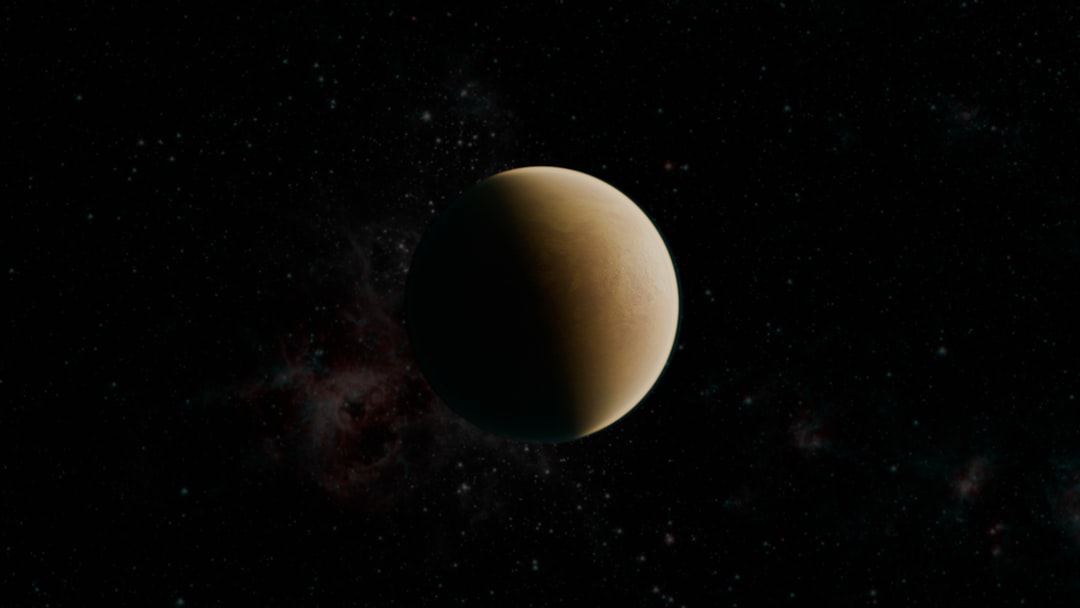
The relentless pursuit of understanding our solar system led humanity to set its sights on Venus, often dubbed Earth’s “sister planet” due to its similar size and mass. Yet, beneath its perpetually shrouded atmosphere, Venus concealed a radically different and far more hostile reality. It was the Venera program, a monumental Soviet space exploration initiative, that first dared to pierce this veil of clouds and reveal the scorched, alien landscape of Venus’s surface. The Venera missions, a series of robotic probes launched between the 1960s and 1980s, stand as a testament to human ingenuity and perseverance, their brave endeavors fundamentally reshaping our perception of this enigmatic world.
The early days of space exploration were characterized by ambitious dreams and the daunting reality of technological limitations. When the Venera program began, understanding Venus was paramount. Its thick, opaque atmosphere made direct observation from Earth incredibly difficult. Telescopes could only infer its surface conditions, and early hypotheses ranged from a lush, Earth-like environment to a barren, waterless desert. The very nature of Venus’s atmosphere – its composition, temperature, and pressure – remained largely a mystery, posing significant challenges for any probe attempting to reach its surface.
The Soviet Union’s Pioneering Role
The Soviet Union, amidst the fervor of the Space Race, recognized the unique challenge and potential rewards of exploring Venus. While the United States focused primarily on missions to the Moon and Mars, the Soviets poured significant resources into understanding Venus. This strategic divergence allowed them to accumulate expertise and push the boundaries of what was considered possible in planetary exploration. The Venera program was not a single mission but a series of increasingly sophisticated spacecraft, each building upon the successes and failures of its predecessors.
The Opaque Veil: Atmospheric Hurdles
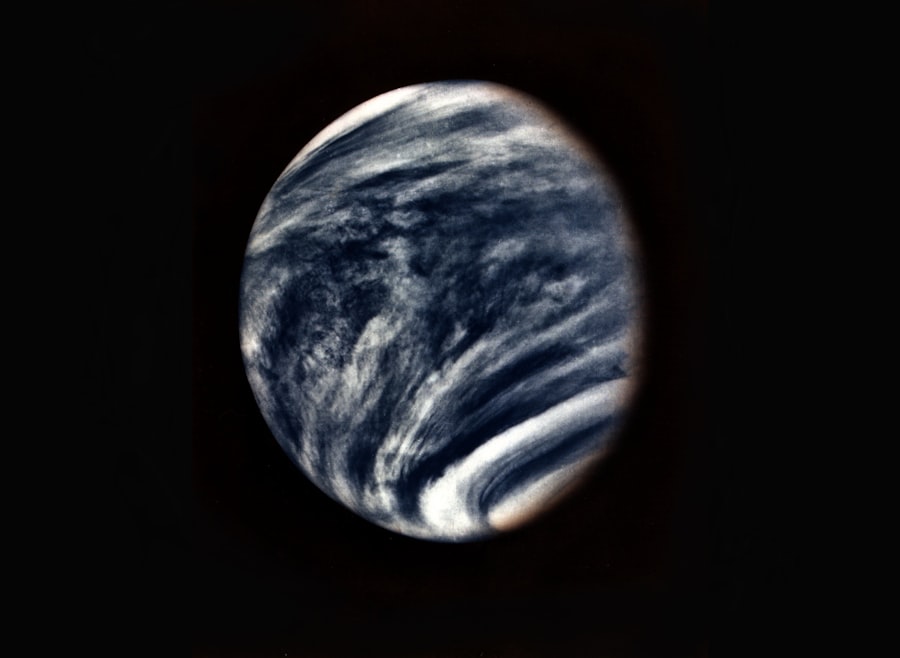
The most immediate and formidable obstacle was Venus’s atmosphere. Unlike the relatively transparent atmospheres of Earth and Mars, Venus is enshrouded in a dense layer of clouds primarily composed of sulfuric acid. These clouds reflect a significant amount of sunlight, making the planet appear bright from afar. However, they also block virtually all visible light from reaching the surface, rendering optical imaging from orbit, as commonly employed for other planets, largely ineffective for surface analysis. Furthermore, the atmospheric pressure at the surface of Venus is approximately 92 times that of Earth’s sea level, equivalent to being nearly a kilometer underwater. The temperature, a scorching 467 degrees Celsius (872 degrees Fahrenheit), far exceeds the melting point of lead.
Building the “Invincible” Probes: A Technological Race
Designing spacecraft capable of surviving and transmitting data from such an extreme environment demanded radical engineering. The pressure vessels had to be incredibly robust, capable of withstanding crushing forces. The thermal insulation systems needed to be extraordinarily effective to protect sensitive electronics from the intense heat. Communication systems had to be powerful enough to transmit signals across vast interplanetary distances through a dense atmosphere. Each Venera probe was a marvel of engineering, a testament to the Soviet Union’s ability to mobilize scientific and technical talent to overcome seemingly insurmountable obstacles.
The recent images captured by the Venera mission have provided unprecedented insights into the surface of Venus, revealing its harsh landscapes and unique geological features. For a deeper understanding of these findings and their implications for planetary science, you can read a related article that discusses the significance of the Venera mission and its contributions to our knowledge of Venus. Check it out here: Venera Mission Insights.
Venera’s First Steps: Reaching the Atmosphere and Beyond
The initial Venera missions, while not achieving direct surface landings, were crucial in gathering preliminary data about Venus’s atmosphere. These early successes, though often marred by failures, provided vital information that guided the design of more ambitious probes. The program was a process of iterative learning, with each mission contributing a piece to the complex puzzle ofVenus.
Venera 1 and the Fleeting Contact
The very first attempt, Venera 1, launched in 1961, aimed to perform a flyby of Venus. It successfully transmitted data about the planet’s magnetic field and cosmic radiation before succumbing to a malfunction during its transit. While it didn’t reach Venus, its launch marked humanity’s first probe on an interplanetary trajectory, a significant technological feat in itself.
Venera’s Atmospheric Penetrations: Unveiling the Clouds
Subsequent Venera missions focused on atmospheric entry. Venera 2, launched in 1965, was intended for a flyby but experienced communication loss before reaching Venus. Venera 3, however, achieved a historic milestone in 1966 by becoming the first human-made object to impact another planet, crashing onto the Venusian surface. While it failed to transmit data from the surface, its impact confirmed the harsh realities of Venus’s environment.
Venera 4: The First Atmospheric Data
A pivotal moment arrived with Venera 4 in 1967. This probe successfully entered Venus’s atmosphere and, for the first time, transmitted direct scientific data as it descended. It measured temperature, pressure, and atmospheric composition, revealing that Venus’s atmosphere was overwhelmingly carbon dioxide, with traces of nitrogen and other gases. The probe transmitted data for a significant period before the increasing pressure and temperature caused it to fail, but the information it gathered was invaluable, dispelling earlier optimistic assumptions about a potentially habitable surface.
Venera 5 and 6: Deeper Atmospheric Insights
Following Venera 4’s groundbreaking success, Venera 5 and 6, launched in 1969, were designed to descend even deeper into the atmosphere. Equipped with improved scientific instruments, they provided more detailed measurements of temperature, pressure, and atmospheric density. They confirmed the dominance of carbon dioxide and provided further evidence of the extreme conditions awaiting any surface explorer. Like their predecessor, they ultimately succumbed to the immense pressure and heat before reaching the surface.
The Grand Achievement: Landing on Venus’s Surface
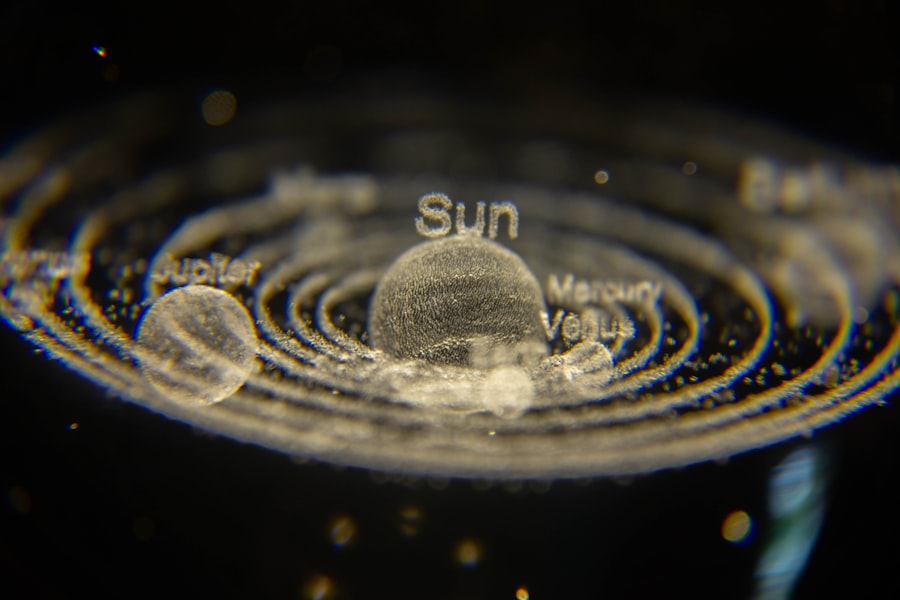
The ultimate goal of the Venera program was to land a spacecraft on Venus and transmit images and data from its surface. This was the ultimate engineering challenge, requiring probes that could not only survive the descent but also operate for a significant duration in an inferno. The later Venera missions achieved this monumental feat, forever etching their place in space exploration history.
Venera 7: The First Successful Landing
The historic triumph came in 1970 with Venera 7. After a perilous descent through the hostile atmosphere, the probe successfully landed on the Venusian surface and transmitted data back to Earth for 23 minutes. This was an unprecedented achievement, providing the first direct measurements of surface temperature and pressure. The data confirmed the extreme heat and pressure, painting a stark picture of a hellish environment. Its rugged construction and sophisticated thermal protection systems were crucial for its survival.
Venera 8: Expanding Surface Knowledge
Venera 8, launched in 1972, built upon the success of Venera 7. It landed in a different region of Venus and carried additional scientific instruments, including a photometer designed to measure light levels. This allowed scientists to infer the transparency of the atmosphere at the surface and provided further confirmation of the planet’s barren nature. The probe transmitted valuable data for 50 minutes before succumbing to the extreme conditions.
Venera 9 and 10: The First Images from Another World
The year 1975 marked another significant leap forward with Venera 9 and 10. These missions were equipped with cameras, enabling them to transmit the first-ever panoramic images of the Venusian surface. The images revealed a desolate, rocky landscape, illuminated by a dim, diffused light filtering through the thick clouds. The ground was covered in rocks and dust, with no signs of liquid water or vegetation. The stark, alien beauty of these images captivated the world and provided irrefutable evidence of Venus’s extreme environment. The probes operated for about an hour each, sending back astonishing visuals.
Venera 11 and 12: Color and Chemical Analysis
The subsequent missions, Venera 11 and 12 (launched in 1978), further enhanced the capabilities of the Venera program. They carried color cameras, providing a more nuanced view of the surface, and sophisticated spectrometers. These instruments were able to analyze the chemical composition of the rocks and soil, revealing their weathered and oxidized nature. The data collected helped scientists understand the geological processes at play on Venus’s surface, suggesting a volcanic past and ongoing geological activity.
Unveiling the Surface: A World of Extremes
The data and images returned by the Venera landers painted a vivid and often surprising picture of Venus’s surface. Far from being Earth’s twin, it was a world of extreme conditions, shaped by processes vastly different from those on our home planet. The discoveries fundamentally challenged previous assumptions and opened new avenues of scientific inquiry.
The Scorched Landscape: Unrelenting Heat and Pressure
The most striking revelation was the sheer hostility of Venus’s surface. The constant temperature of around 467 degrees Celsius and the crushing atmospheric pressure of 92 bars meant that any terrestrial life as we know it would be instantaneously vaporized or pulverized. The high temperatures are a consequence of a runaway greenhouse effect, where the dense carbon dioxide atmosphere traps heat from the sun. The pressure is a direct result of the immense atmospheric mass.
A Barren, Rocky Terrain: Evidence of Volcanism
The images from Venera 9 and 10, and subsequent missions, revealed a landscape composed primarily of rocks and regolithe (fine-grained material). There was no evidence of erosion by wind or water, as would be seen on Earth. Instead, the surfaces of the rocks appeared smooth and rounded, suggesting a long history of exposure to high temperatures and potentially volcanic activity. Later missions provided more detailed geological information, indicating the presence of lava plains, shield volcanoes, and impact craters, suggesting a dynamic geological past and ongoing surface renewal.
The Absence of Water: A Dry Inferno
Crucially, the Venera missions found no evidence of liquid water on Venus’s surface. While water vapor has been detected in its atmosphere, the extreme temperatures prevent it from existing in liquid form. The lack of water is a significant factor in Venus’s stark and barren appearance, and it plays a crucial role in its atmospheric chemistry and geological evolution. The absence of water also makes the possibility of life as we understand it highly improbable.
The Sulfur Cycle: A Key to Atmospheric Chemistry
The presence of sulfuric acid clouds and the chemical analysis of surface rocks pointed to a unique sulfur cycle on Venus. While the exact mechanisms are still debated, it’s understood that sulfur plays a significant role in Venus’s atmospheric chemistry and its interaction with the surface. This contrasts sharply with Earth’s water-dominated geological and atmospheric cycles.
Recent images captured by the Venera mission have provided unprecedented insights into the surface of Venus, revealing a landscape that is both alien and intriguing. For those interested in exploring more about the scientific implications of these findings, you can read a related article that delves into the geological features and atmospheric conditions of our neighboring planet. This article offers a comprehensive overview of the Venera mission’s contributions to our understanding of Venus, making it a must-read for space enthusiasts. To learn more, visit this insightful article.
Lasting Legacies and Continuing Mysteries
| Mission | Images Captured | Surface Coverage | Resolution |
|---|---|---|---|
| Venera Mission | Over 30,000 | 15% | Up to 1 meter |
The Venera program, despite its eventual conclusion, left an indelible mark on our understanding of Venus and the solar system. The data collected provided a foundation for all subsequent research, and the sheer audacity of the missions inspired generations of scientists and engineers. However, many mysteries about Venus persist, and the Venera missions, in their own way, ushered in new questions.
A Foundation for Future Exploration
The scientific data gathered by the Venera missions remains invaluable. It provided the first direct measurements of Venus’s surface conditions, confirmed the extreme nature of its environment, and offered crucial insights into its atmospheric composition and geological processes. This information has been instrumental in guiding subsequent missions, including NASA’s Magellan, Venus Express from the European Space Agency, and more recent proposals for future exploration. Understanding the runaway greenhouse effect on Venus is also crucial for understanding climate change on Earth.
Unanswered Questions and Future Endeavors
Despite the remarkable achievements, Venus continues to hold many secrets. The precise mechanisms of its atmospheric circulation, the nature of its internal structure, and the possibility of past or present subsurface life remain subjects of intense scientific debate. The Venera missions provided a glimpse, but the full story of Venus is far from complete. Future missions will undoubtedly build upon the legacy of Venera, employing more advanced technologies to probe deeper into the planet’s atmosphere and potentially even its subsurface. The exploration of Venus is an ongoing endeavor, a testament to humanity’s insatiable curiosity and its drive to understand the diverse worlds that inhabit our cosmic neighborhood. The courage of the Venera probes, venturing into one of the most hostile environments in the solar system, serves as a powerful reminder of what can be achieved through scientific endeavor and a relentless pursuit of knowledge.

The NASA Lander That Found Life on Mars… and Was Told to Forget It
FAQs
What is the Venera mission?
The Venera mission was a series of Soviet unmanned missions to Venus that took place between 1961 and 1984. The goal of the missions was to study the atmosphere and surface of Venus.
What did the Venera mission discover about Venus’ surface?
The Venera mission provided the first images and data of the surface of Venus, revealing a rocky, desolate landscape with high temperatures and pressures. The images showed rocky terrain and evidence of volcanic activity.
How did the Venera mission capture images of Venus’ surface?
The Venera spacecraft used cameras and other scientific instruments to capture images and data as they descended through the thick atmosphere of Venus. The spacecraft transmitted the images and data back to Earth before succumbing to the harsh conditions on the planet’s surface.
What were some of the challenges of the Venera mission?
The Venera mission faced numerous challenges, including the extreme temperatures and pressures on Venus, as well as the thick, corrosive atmosphere. Many of the spacecraft did not survive the descent to the surface, and those that did had limited operational lifetimes.
What were the key findings from the Venera mission’s images of Venus’ surface?
The images and data from the Venera mission provided valuable insights into the geology and atmosphere of Venus, including evidence of volcanic activity and a better understanding of the planet’s extreme conditions. These findings have contributed to our understanding of Venus and other terrestrial planets in our solar system.