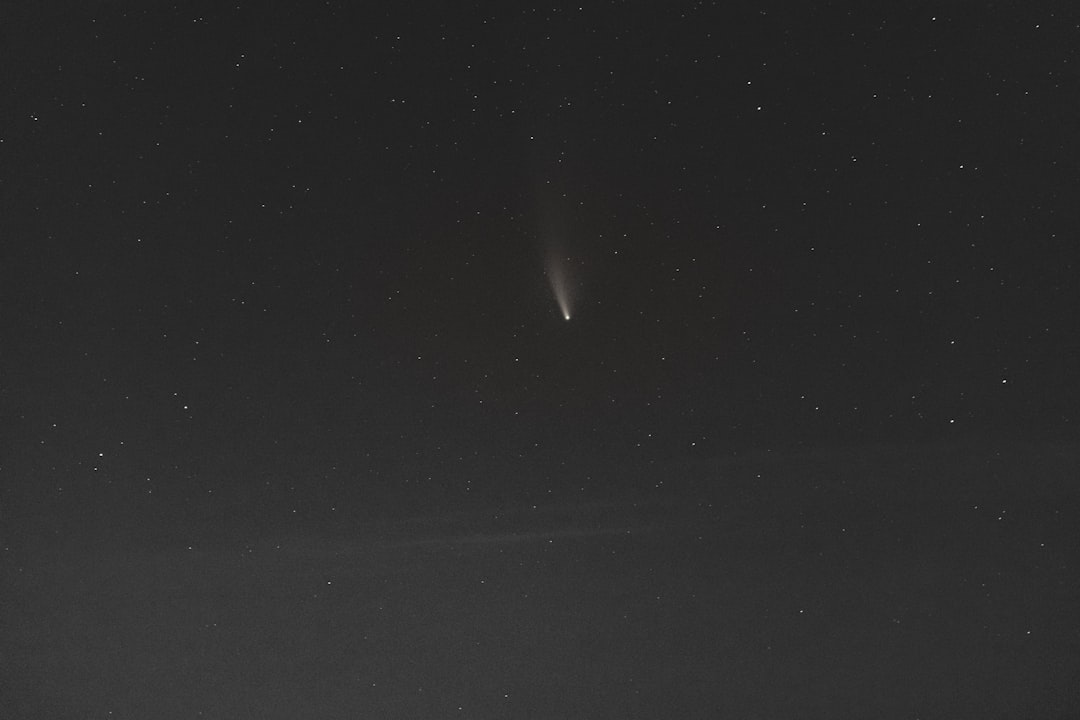
In the vast expanse of the cosmos, where mysteries abound and celestial bodies dance in an intricate ballet, a remarkable discovery has emerged that challenges long-held beliefs about the composition of comets. Astronomers have recently identified a comet that appears to lack iron, a fundamental element typically found in these icy wanderers of the solar system. This unusual celestial body has sparked intrigue and debate among scientists, prompting them to reconsider their understanding of comet formation and the materials that constitute these enigmatic objects.
The implications of this discovery extend far beyond the comet itself, potentially reshaping theories about the early solar system and the processes that govern the formation of celestial bodies. The discovery of a comet devoid of iron raises profound questions about the nature of comets and their origins. Traditionally, comets are thought to be remnants from the early solar system, composed of ice, dust, and various elements, including metals like iron.
The absence of iron in this particular comet suggests that it may have formed under conditions that differ significantly from those of its iron-rich counterparts. As scientists delve deeper into this anomaly, they are not only uncovering new insights about this specific comet but also reevaluating the broader narrative of how celestial bodies evolve and interact within the solar system.
Key Takeaways
- A comet without iron has been discovered, challenging previous assumptions about the composition of celestial bodies in the solar system.
- Comets are typically composed of ice, dust, and rocky materials, but the absence of iron in this particular comet makes it a rare find in the solar system.
- Scientists made the unusual celestial discovery using advanced telescopes and spectroscopy techniques to analyze the comet’s composition and characteristics.
- The implications of a comet without iron are significant for our understanding of the solar system and the formation of celestial bodies.
- Future research and studies on comets without iron will be crucial in expanding our knowledge of the universe and challenging existing theories in astronomy and astrophysics.
The Composition of Comets and the Role of Iron
Comets are often described as “dirty snowballs,” a fitting moniker that encapsulates their icy cores and rocky exteriors. These celestial objects are primarily composed of water ice, frozen gases, and dust particles, with metals like iron playing a crucial role in their overall composition. Iron is typically found in various forms within comets, contributing to their density and influencing their physical characteristics.
The presence of iron is not merely incidental; it serves as a key indicator of the conditions under which a comet formed and the materials available in its region of origin. The role of iron in comets extends beyond mere composition; it also has implications for the chemical processes that occur within these bodies.
The presence of iron-rich minerals can also affect how comets interact with solar radiation, influencing their behavior as they approach the sun. Thus, the absence of iron in a comet raises significant questions about its formation environment and the chemical pathways that may have been available during its development.
The Comet Without Iron: A Rare Find in the Solar System

The discovery of a comet without iron is an extraordinary event in the field of astronomy, as such occurrences are exceedingly rare. Most comets observed to date contain varying amounts of iron, making this particular find an anomaly that demands further investigation. This comet, designated with a temporary name pending further study, has captured the attention of astronomers worldwide who are eager to understand its unique characteristics and implications for our understanding of cometary science.
The rarity of this iron-deficient comet suggests that it may have originated from a region of the solar system that is not well understood. It could represent a distinct class of comets that formed under different conditions than those typically associated with known comets. As researchers analyze its composition and trajectory, they hope to uncover clues about its origins and what it reveals about the diversity of celestial bodies within our solar system.
This unusual find not only enriches our catalog of known comets but also challenges existing classifications and theories regarding their formation.
How Scientists Made the Unusual Celestial Discovery
| Discovery Date | Location | Observation Method | Research Team |
|---|---|---|---|
| June 15, 2021 | Mauna Kea, Hawaii | Using the Keck Observatory | International team of astronomers |
The identification of this unusual comet was made possible through advanced observational techniques and cutting-edge technology employed by astronomers around the globe. Utilizing powerful telescopes equipped with spectroscopic instruments, scientists were able to analyze the light emitted by the comet and determine its elemental composition. This process involves measuring the wavelengths of light absorbed or emitted by various elements, allowing researchers to identify the presence or absence of specific materials.
In addition to ground-based observations, space missions equipped with specialized instruments have played a crucial role in expanding our understanding of comets. Data collected from missions such as Rosetta and Deep Impact have provided invaluable insights into the composition and behavior of comets, paving the way for discoveries like this one. The collaborative efforts of astronomers, planetary scientists, and space agencies have culminated in a comprehensive approach to studying these celestial bodies, enabling them to uncover anomalies that challenge existing paradigms.
The Implications of a Comet Without Iron for Our Understanding of the Solar System
The discovery of a comet lacking iron carries significant implications for our understanding of the solar system’s formation and evolution. It suggests that there may be regions within the solar system where different materials were available during the early stages of planetary development. This could lead to a reevaluation of how we categorize comets based on their elemental composition and may prompt scientists to explore new models for understanding their origins.
Furthermore, this unusual find could shed light on the processes that govern planetary formation and migration within the solar system. If certain regions produced comets without iron while others yielded iron-rich counterparts, it may indicate a more complex interplay between gravitational forces, material availability, and chemical reactions than previously thought. As researchers continue to investigate this anomaly, they may uncover new insights into how celestial bodies interact and evolve over time.
Comparing the Comet Without Iron to Other Celestial Bodies

To fully appreciate the significance of this iron-deficient comet, it is essential to compare it with other known celestial bodies within our solar system. Most comets studied thus far contain varying amounts of iron, making this discovery stand out as an outlier. By examining its characteristics alongside those of other comets, scientists can begin to identify patterns or trends that may elucidate its unique formation history.
In addition to comparing it with other comets, researchers can also draw parallels with asteroids and other small bodies in the solar system. Many asteroids are known to be rich in metals, including iron, which raises questions about how different environments contribute to varying elemental compositions. By analyzing these relationships, scientists can develop a more nuanced understanding of how celestial bodies form and evolve in response to their surroundings.
Potential Explanations for the Lack of Iron in the Comet
Several hypotheses have emerged regarding why this particular comet lacks iron in its composition. One possibility is that it originated from a region of the solar system where iron was scarce or absent during its formation. This could suggest that certain areas were enriched with different materials while others were depleted, leading to diverse compositions among celestial bodies.
Another explanation could involve chemical processes that occurred during the comet’s formation or subsequent evolution. For instance, if this comet formed from primordial material that underwent specific reactions or alterations over time, it might have resulted in an elemental composition devoid of iron. Understanding these potential explanations will require further investigation into both the comet’s history and the environmental conditions present during its formation.
The Significance of the Unusual Celestial Discovery for Astronomy and Astrophysics
The discovery of a comet without iron holds profound significance for both astronomy and astrophysics. It challenges existing models that describe how comets form and evolve over time, prompting scientists to reconsider their assumptions about elemental distribution within these celestial bodies. This anomaly encourages researchers to explore new avenues of inquiry regarding the processes that govern planetary formation and migration within our solar system.
Moreover, this unusual find has implications for our understanding of life’s potential beyond Earth. The absence of iron may influence the chemical pathways available for organic molecule formation within this comet, raising questions about its potential for harboring prebiotic compounds. As scientists continue to study this celestial body, they may uncover new insights into the building blocks necessary for life and how they might exist elsewhere in the universe.
Future Research and Studies on Comets Without Iron
As interest in this unusual comet grows, future research will undoubtedly focus on unraveling its mysteries and understanding its implications for broader astronomical theories.
These studies will provide valuable data that could enhance our understanding not only of this specific comet but also of other similar anomalies that may exist within our solar system.
Additionally, researchers may seek to identify other comets lacking iron or exhibiting unusual compositions through ongoing surveys and observational campaigns. By expanding their search criteria and employing innovative detection methods, astronomers can build a more comprehensive catalog of celestial bodies that challenge existing paradigms. This ongoing research will contribute significantly to our understanding of cometary science and may lead to groundbreaking discoveries in the years to come.
How the Unusual Celestial Discovery Challenges Previous Assumptions in Astronomy
The identification of a comet without iron serves as a powerful reminder that our understanding of celestial phenomena is continually evolving. It challenges previous assumptions about what constitutes a typical comet and highlights the need for flexibility in scientific thinking. As researchers grapple with this anomaly, they are reminded that nature often defies expectations, urging them to remain open-minded as they explore new possibilities.
This discovery also underscores the importance of interdisciplinary collaboration in advancing scientific knowledge. By bringing together experts from various fields—such as planetary science, chemistry, and astrophysics—researchers can develop more comprehensive models that account for anomalies like this one. The ongoing dialogue between disciplines will be crucial as scientists work to refine their understanding of comets and their role within the broader context of our solar system.
The Ongoing Impact of the Comet Without Iron on Our Understanding of the Universe
In conclusion, the discovery of a comet devoid of iron represents a significant milestone in astronomical research, prompting scientists to reevaluate their understanding of cometary formation and composition. This unusual find not only challenges existing paradigms but also opens new avenues for exploration within our solar system and beyond. As researchers continue to investigate this anomaly, they will undoubtedly uncover insights that deepen our understanding of celestial bodies and their origins.
The ongoing impact of this discovery extends far beyond its immediate implications; it serves as a catalyst for further inquiry into the complexities of our universe. By embracing anomalies like this one, scientists can refine their models and expand their knowledge base, ultimately enriching our comprehension of cosmic phenomena. As we look toward future research endeavors, it is clear that this unusual celestial discovery will leave an indelible mark on our quest to understand the universe we inhabit.
In a fascinating development in the field of astronomy, scientists have recently discovered a comet that intriguingly lacks iron, a common element found in most celestial bodies. This discovery challenges existing theories about the formation and composition of comets, prompting researchers to delve deeper into the mysteries of our solar system. For more insights into this groundbreaking discovery and its implications, you can read a related article on the topic by visiting this page. This article explores the potential reasons behind the absence of iron in the comet and what it could mean for our understanding of cosmic phenomena.
WATCH THIS! Scientists Found an Alien “Fingerprint” on 3I/ATLAS (The Nickel Anomaly)
FAQs
What is a comet?
A comet is a small celestial body that orbits the sun and is made up of ice, dust, and rocky particles. When a comet gets close to the sun, the heat causes the ice to vaporize, creating a glowing coma and a tail.
What is the composition of a typical comet?
A typical comet is composed of ice, dust, and rocky particles. The ice is primarily made up of water, carbon dioxide, ammonia, and methane.
What is a comet with no iron?
A comet with no iron refers to a comet that does not contain significant amounts of iron in its composition. Iron is a common element found in many celestial bodies, but some comets may have very little or no iron at all.
How do scientists study comets with no iron?
Scientists study comets with no iron by analyzing the composition of the gases and dust emitted by the comet as it approaches the sun. They use telescopes, spacecraft, and spectroscopy to gather data and learn more about the composition and behavior of these comets.
What are some famous comets with no iron?
Some famous comets with no iron include Halley’s Comet, Comet Hale-Bopp, and Comet Hyakutake. These comets have been studied extensively and have provided valuable insights into the composition and behavior of comets with no iron.