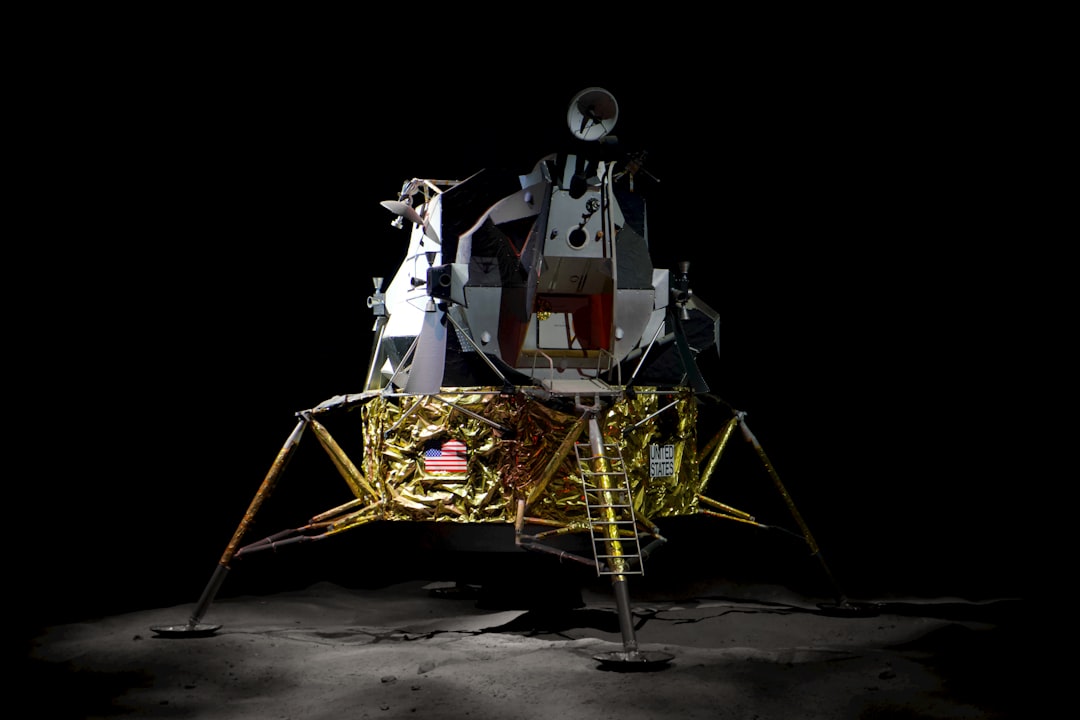
The iconic Viking missions, a cornerstone of humanity’s early exploration of Mars, stand as a testament to ingenuity and scientific ambition. Launched in the mid-1970s, these pioneering spacecraft, Viking 1 and Viking 2, were tasked with a monumental objective: to search for evidence of life on the Red Planet. For decades, the conclusions drawn from their experiments have been a subject of intense study, debate, and even controversy. Unraveling the complete truth about the Viking mission requires a deep dive into its scientific objectives, the groundbreaking experiments conducted, the perplexing results, and the lasting impact on our understanding of Mars and the search for extraterrestrial life.
The overarching goal of the Viking program was audacious for its time: to determine if Mars harbored microbial life. This quest was rooted in decades of telescopic observations that alluded to intriguing Martian landscapes, including transient features that some speculated could be vegetational. While the idea of complex Martian organisms was largely dismissed by the scientific community, the possibility of simple life – bacteria, for instance – remained a captivating prospect.
Setting the Stage: The Pre-Viking Understanding of Mars
Prior to the Viking missions, Mars was a celestial enigma. Telescopic observations had revealed features like polar ice caps, seasonal color changes (dubbed ‘canals’ by some), and atmospheric phenomena. However, the technology of the era limited the detail that could be ascertained from Earth. Early theoretical models of Martian life often drew parallels to terrestrial extremophiles, suggesting that if life existed, it would likely be hardy and adapted to harsh conditions. The prevailing sentiment was that Mars, while seemingly barren compared to Earth, might possess a subsurface biosphere, protected from the harsh surface radiation and extreme temperatures. The Viking missions were designed to move beyond speculation and provide direct, in-situ evidence.
The Technological Marvel: Engineering the Viking Orbiters and Landers
The Viking program was a colossal undertaking, involving the design, construction, and launch of two complex spacecraft, each comprised of an orbiter and a lander. The orbiters served as vital communication relays and platforms for long-range imaging and atmospheric studies, while thelanders were engineered to descend to the Martian surface, deploy scientific instruments, and conduct experiments directly in the alien environment. This bifocal approach allowed for both broad orbital reconnaissance and detailed ground truth.
Orbiter Capabilities: Eyes in the Martian Sky
The Viking orbiters were equipped with sophisticated imaging systems, capable of capturing high-resolution photographs of the Martian surface. These images proved invaluable for mapping the planet, identifying potential landing sites, and studying geological features. They also carried instruments to analyze the Martian atmosphere and its composition, providing crucial context for the lander’s experiments. The data collected by the orbiters helped to refine our understanding of Mars’s topography, geology, and atmospheric dynamics, laying the groundwork for future missions.
Lander Design: A Delicate Dance with an Alien World
The Viking landers were miniature laboratories designed to withstand the rigors of Martian entry, descent, and landing. They were equipped with robotic arms, cameras, and a suite of scientific instruments specifically chosen to detect biosignatures. The landing sequence itself was a marvel of engineering, involving heat shields, parachutes, and retro-rockets to ensure a gentle touchdown. The selection of landing sites was a critical process, aiming for areas that were scientifically interesting yet safe for landing. Regions with evidence of past water activity were particularly favored.
The Viking missions, which were pivotal in the search for life on Mars, have long been a topic of debate and intrigue among scientists and enthusiasts alike. For a deeper understanding of the complexities and findings of these missions, you can explore a related article that delves into the various aspects of the Viking program and its implications for our understanding of extraterrestrial life. Check out the article at My Cosmic Ventures for more insights into this fascinating subject.
The Heart of the Quest: Unveiling the Biology Experiments
The most compelling and controversial aspect of the Viking missions were the biology experiments conducted by the landers. These instruments were meticulously designed to look for signs of active metabolism and biological processes in the Martian soil. The scientific community at the time understood that detecting definitive proof of life was a formidable challenge, and the chosen experiments were a thoughtful, if ultimately debated, approach to this complex question.
The Gas Chromatograph-Mass Spectrometer (GCMS): A Search for Organic Molecules
One of the most significant instruments onboard each lander was the Gas Chromatograph-Mass Spectrometer (GCMS). This instrument was designed to analyze the composition of the Martian soil, specifically searching for organic molecules. Organic molecules are the building blocks of life as we know it, and their presence or absence on Mars would have profound implications for the possibility of life. The GCMS would heat samples of soil, vaporize any organic compounds present, and then analyze their mass and chemical structure. Detecting even simple organic molecules would have been a groundbreaking discovery.
The Labeled Release (LR) Experiment: Seeking Metabolic Activity
The Labeled Release experiment was arguably the most direct attempt to detect active biological processes. In this experiment, Martian soil was exposed to a nutrient solution containing radioactive carbon-14. If living organisms were present and metabolizing the nutrients, they would release radioactive carbon dioxide. The experiment involved a series of steps: adding the labeled nutrient solution, incubating the soil, and then detecting any radioactive gas released. A positive result would have indicated that something on Mars was actively consuming the nutrients and respiring, a hallmark of life.
The Procedure: From Soil to Spectrometry
The LR experiment involved a carefully orchestrated sequence. A scoop of Martian soil was deposited into a reaction chamber. A nutrient broth, labeled with radioactive isotopes, was then injected. The chamber was sealed, and the mixture was incubated. After a period of incubation, a stream of inert gas was passed through the chamber to carry any released gases to a detector. This detector would then measure the radioactivity of the released gases. If life were present, it would metabolize the nutrient and release the radioactive carbon, which would then be detected.
Analyzing the Signals: Interpreting the Radioactivity
The interpretation of the radioactivity signals was the crux of the debate. The LR experiment yielded positive results, showing a release of radioactive gas. However, the magnitude and duration of this release were not as expected if a robust biological population were consuming the nutrients. This ambiguity led to the initial interpretation that the detected gas was not necessarily a product of biological metabolism but rather a result of chemical reactions within the Martian soil.
The Gas Exchange (GEX) Experiment: Another Look at Metabolism
The Gas Exchange experiment was designed to detect metabolic activity indirectly by monitoring changes in gas composition within a sealed chamber containing Martian soil and nutrient broth. This experiment aimed to see if microorganisms in the soil would consume or produce gases like oxygen, carbon dioxide, or methane in response to the nutrients. It provided a complementary approach to the LR experiment, offering another avenue for detecting potential biological processes.
The Setup: A Controlled Environment for Martian Soil
The GEX experiment involved placing a sample of Martian soil into a sealed chamber. Nutrient-rich broth was then added. The chamber was equipped with sensors to monitor the partial pressures of various gases. The idea was that if any microbial life was present, its metabolic processes would alter the gaseous composition of the chamber. For instance, respiration would consume oxygen and produce carbon dioxide, while fermentation might produce methane.
Unforeseen Reactions: Chemical vs. Biological Signatures
Similar to the LR experiment, the GEX experiment also produced results that were initially perplexing. There were indeed changes in gas composition, suggesting some form of activity. However, the nature of these changes, and their reproducibility across different soil samples and conditions, raised questions about whether they were definitively biological. It was posited that non-biological chemical reactions, perhaps driven by the unique chemical makeup of Martian soil or interactions with the nutrient solution, could also explain the observed gas exchange.
The Pyrolytic Release (PR) Experiment: Capturing Assimilation
The Pyrolytic Release experiment was designed to detect the assimilation of carbon from the atmosphere. This experiment involved exposing Martian soil to a labeled carbon dioxide atmosphere (containing radioactive carbon-14) under simulated Martian sunlight. If photosynthetic or chemosynthetic organisms were present, they would incorporate the radioactive carbon into their cellular structures. After incubation, the soil was heated to high temperatures to release any incorporated carbon in the form of radioactive carbon dioxide or other volatile compounds.
The Logic: Photosynthesis, but Not Necessarily Green
The PR experiment was based on the principle of photosynthesis, but it was designed to be broad enough to detect chemosynthesis as well. Photosynthesis is the process by which organisms use sunlight to convert carbon dioxide into organic matter. Chemosynthesis is a similar process that uses chemical energy instead of light. The experiment aimed to capture any organism that could fix carbon, regardless of its energy source.
Ambiguity in the Atmosphere: What Was Being Assimilated?
The PR experiment also yielded ambiguous results. While some radioactivity was detected in the soil after incubation, the amount was significantly less than expected for active biological assimilation. Furthermore, subsequent analysis suggested that the detected radioactivity might have been due to the adsorption or chemical binding of CO2 to soil minerals, rather than true biological assimilation. This led to further questions about the nature of the observed signals.
The Puzzling Results: A Debate Erupts

The results from the biology experiments were not the clear-cut “yes” or “no” that scientists had hoped for. Instead, they presented a complex and ambiguous picture, triggering a vigorous debate within the scientific community that continues to this day. The ambiguity stemmed from the fact that the results could be interpreted as either biological or chemical in origin.
The “Positive” Signs: Evidence That Hinted at Life
The initial positive detections in the LR experiment, showing a release of radioactive gas, were undoubtedly exciting. This suggested some form of active chemical process was occurring in the Martian soil. The GEX experiment also showed changes in gas composition, further hinting at the possibility of metabolic activity. These were the signals that initially fueled optimism about finding life.
The “Negative” Signs: Rebuttals and Alternative Explanations
However, these positive signals were accompanied by significant caveats. The amount of radioactivity detected in the LR experiment was often transient and less than expected for widespread microbial life. Crucially, later analysis and laboratory simulations on Earth demonstrated that certain non-biological chemical reactions, particularly those involving peroxides and superoxides in the Martian soil, could mimic the results of the LR and GEX experiments. These highly reactive chemicals, present in the dry, oxidized Martian soil, could react with the nutrient solutions and release gases, creating deceptive signals.
The Role of Peroxides and Superoxides: Mimicking Life
Scientists realized that the Martian soil environment was far more chemically reactive than initially anticipated. The presence of peroxides and superoxides, formed by the interaction of solar ultraviolet radiation with the Martian atmosphere and surface, could readily oxidize organic compounds and release gases. These chemicals could effectively mimic the metabolic products of some microorganisms.
Laboratory Simulations: Reproducing the Results Earthside
Extensive laboratory simulations were conducted using Earth-based analog soils that mimicked the chemical composition and environmental conditions of Mars. These simulations, often conducted under vacuum and controlled temperature, helped reveal that the observed Viking results could be reproduced through purely chemical means. This cast significant doubt on the biological interpretation of the Viking data.
The GCMS Conundrum: No Definitive Organic Molecules
Perhaps the most significant piece of evidence against widespread life was the result from the GCMS. Despite its sensitivity, the GCMS did not detect any definitive organic molecules in the Martian soil. This was a critical finding because life as we know it requires organic molecules as its building blocks. The absence of a significant organic “fingerprint” made the existence of a robust biosphere highly improbable.
The Great Debate: Biology vs. Chemistry
The conflicting results from the biology experiments and the lack of organic molecules created a scientific schism. One camp argued that the positive signals from the LR and GEX experiments, even with their ambiguities, were suggestive of life, and that the GCMS might have failed to detect the specific types of organic molecules present or that life might exist in non-organic forms. The other camp, increasingly swayed by the chemical explanations for the positive results and the absence of organic molecules, concluded that the Viking missions had not found evidence of life.
The Legacy and Lingering Questions: What Did Viking Truly Tell Us?
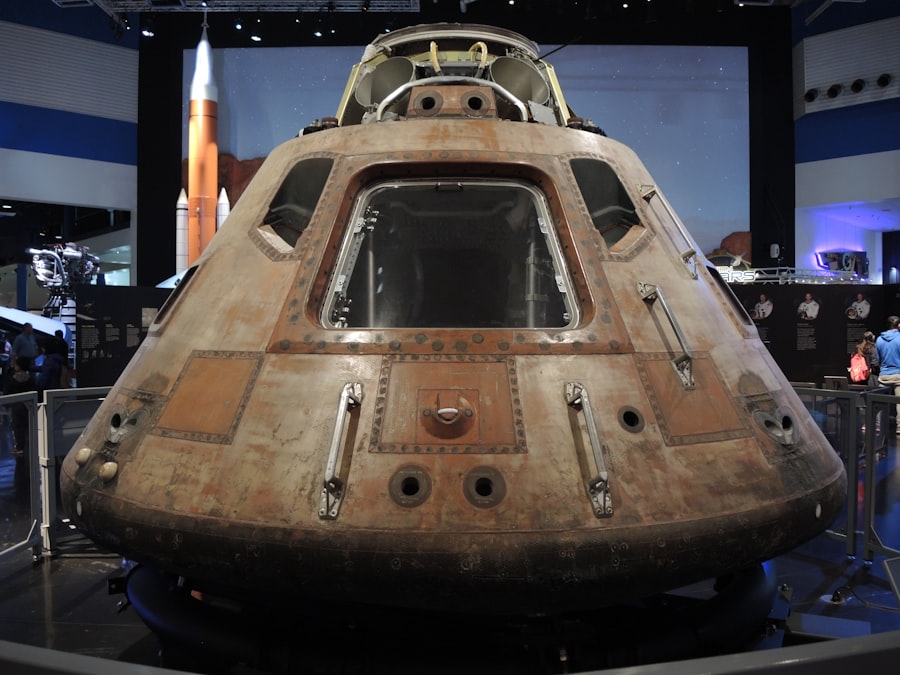
While the Viking missions did not definitively prove the existence of life on Mars, their legacy is far from diminished. They provided an unprecedented wealth of data about the Martian environment, revolutionized our understanding of the planet, and set the stage for future astrobiological investigations. The very ambiguity of their results has spurred continued research and debate, pushing the boundaries of scientific inquiry.
Redefining Martian Habitability: A Harsh Reality
The Viking missions painted a stark picture of the Martian surface. The soil was found to be extremely dry, cold, and bombarded by intense ultraviolet radiation. The atmosphere was thin and composed primarily of carbon dioxide. This harsh environment challenged many of the early assumptions about Martian habitability and led scientists to re-evaluate where and how life might potentially exist. The focus shifted from the surface to potential subsurface environments, where conditions might be more favorable.
Paving the Way for Future Missions: A Foundation for Exploration
The Viking program was a monumental leap forward in planetary exploration. It demonstrated the feasibility of landing spacecraft on Mars, conducting complex scientific experiments, and transmitting data back to Earth. The engineering successes of Viking provided invaluable lessons for subsequent missions, including Mars Pathfinder, the Mars Exploration Rovers (Spirit and Opportunity), and the Mars Science Laboratory (Curiosity). The wealth of data collected by Viking continues to be analyzed and re-analyzed, yielding new insights even decades later.
The Mars Pathfinder Mission: Embracing the Ambiguity
Pathfinder, launched in 1996, was a direct descendant of the Viking legacy, showcasing a more agile approach to Martian surface exploration with its Sojourner rover. It was designed, in part, to revisit some of the questions raised by Viking, albeit with more advanced instrumentation and a different scientific philosophy.
Curiosity and Perseverance: Deeper Dives into Habitability
Missions like Curiosity and Perseverance represent the culmination of the scientific questions rooted in the Viking era. They are equipped with instruments capable of detecting a much wider range of organic molecules and have the capability to conduct more sophisticated chemical analyses, aiming to definitively answer the question of past or present life on Mars. These rovers are meticulously searching for signs of ancient microbial life in environments that were once potentially habitable, such as lakebeds and river deltas.
The Enduring Debate: Was It Life or Chemistry?
The question of whether Viking detected life remains a captivating cornerstone of astrobiology. While the prevailing scientific consensus leans towards a chemical explanation for the positive results, the debate is far from settled for some. New analytical techniques and a deeper understanding of potential Martian geochemistry continue to be explored.
Re-evaluating the Data: New Tools, New Perspectives
Modern scientific tools and computational power allow researchers to re-examine the raw Viking data with fresh eyes. Scientists are exploring alternative interpretations of the experimental results, considering the possibility of unique forms of metabolism or life that might not have been anticipated by the original experiment designs.
The Subsurface Hypothesis: A Sanctuary for Martian Life?
The ongoing exploration of Mars, driven by the questions posed by Viking, has increasingly focused on the subsurface. The harsh surface conditions are a significant hurdle for life. However, the subsurface could offer protection from radiation, access to liquid water (potentially as brines), and a more stable thermal environment. This remains a prime target for future astrobiological investigations.
The NASA Viking mission, which aimed to explore the Martian surface and search for signs of life, has been the subject of much debate and analysis over the years. For those interested in delving deeper into the intricacies and findings of this groundbreaking mission, a related article can provide valuable insights. You can read more about the mission’s impact and the ongoing discussions surrounding it in this informative piece. Check it out here.
Unanswered Questions and the Future of Martian Exploration
| Aspect | Details |
|---|---|
| Mission Name | Viking Mission |
| Launch Date | August 20, 1975 |
| Landers | Viking 1 and Viking 2 |
| Objective | Search for life on Mars |
| Duration | Viking 1: 6 years, Viking 2: 3 years |
| Key Discovery | No evidence of organic compounds or life |
The Viking missions, while incredibly successful in many regards, ultimately left us with more questions than definitive answers regarding Martian life. This very ambiguity has fueled a deeper and more persistent quest for understanding, driving the current generation of Mars exploration.
The Search for Organic Molecules: A Continuous Pursuit
The failure of the GCMS to detect significant organic molecules remains a key point of contention. Future missions are equipped with vastly improved organic detection capabilities, aiming to definitively map the distribution and types of organic molecules on Mars. The presence of complex organic molecules, especially those with chiral preferences (a signature strongly associated with life), would be a powerful indicator.
Direct Detection: What Would Convince Us?
The pursuit of definitive proof of life on Mars is an ongoing scientific challenge. What would truly convince the scientific community? Is it the detection of fossilized microorganisms, the discovery of active microbial communities, or the identification of complex organic biomolecules with clear biological origins? The criteria for such a discovery are constantly being refined.
Biosignatures: The Signs We Look For
Scientists are actively researching and defining potential biosignatures – any substance, structure, or phenomenon that provides evidence of past or present life. This includes specific organic molecules, isotopic ratios, mineral formations that are typically created by biological activity, and even atmospheric gases that could be indicative of biological processes.
The Astrobiological Horizon: Beyond Mars
The lessons learned from Viking have extended far beyond our understanding of Mars. The challenges in detecting life on a seemingly barren world have shaped our approach to searching for life on exoplanets and moons within our own solar system, such as Europa and Enceladus. The quest to answer the question posed by Viking has propelled a broader scientific revolution in astrobiology.
Exoplanetary Life: A New Frontier
The development of powerful telescopes capable of analyzing exoplanetary atmospheres and the ongoing search for signals from distant worlds are directly influenced by the scientific rigor and methodological challenges presented by the Viking missions. Understanding the potential for life on other planets requires a fundamental understanding of what constitutes life and how we can detect it.
Our Place in the Cosmos: The Ultimate Question
Ultimately, the Viking missions, with their intriguing results and enduring debate, have pushed humanity to confront one of the most profound questions: are we alone in the universe? While the answer remains elusive, the journey of discovery ignited by Viking continues to inspire scientific curiosity and exploration, reminding us that the universe is vast, and the possibilities are endless. The legacy of these remarkable spacecraft is not just in the data they provided, but in the enduring spirit of inquiry they continue to foster.

The NASA Lander That Found Life on Mars… and Was Told to Forget It
FAQs
What was the NASA Viking mission?
The NASA Viking mission was a pair of space probes sent to Mars in the mid-1970s. The mission’s primary goal was to search for evidence of life on the red planet.
What were the key findings of the NASA Viking mission?
The Viking mission found no clear evidence of organic compounds or microbial life on Mars. However, it did provide valuable data on the planet’s geology, climate, and atmosphere.
How did the NASA Viking mission impact our understanding of Mars?
The Viking mission significantly expanded our knowledge of Mars, providing important insights into its surface and atmosphere. It also paved the way for future Mars exploration missions.
What were some of the challenges faced by the NASA Viking mission?
The Viking mission faced numerous technical and operational challenges, including landing safely on the Martian surface and conducting complex scientific experiments in a harsh and unfamiliar environment.
What is the legacy of the NASA Viking mission?
The Viking mission’s legacy includes a wealth of scientific data that continues to inform our understanding of Mars, as well as inspiring future missions to the red planet.