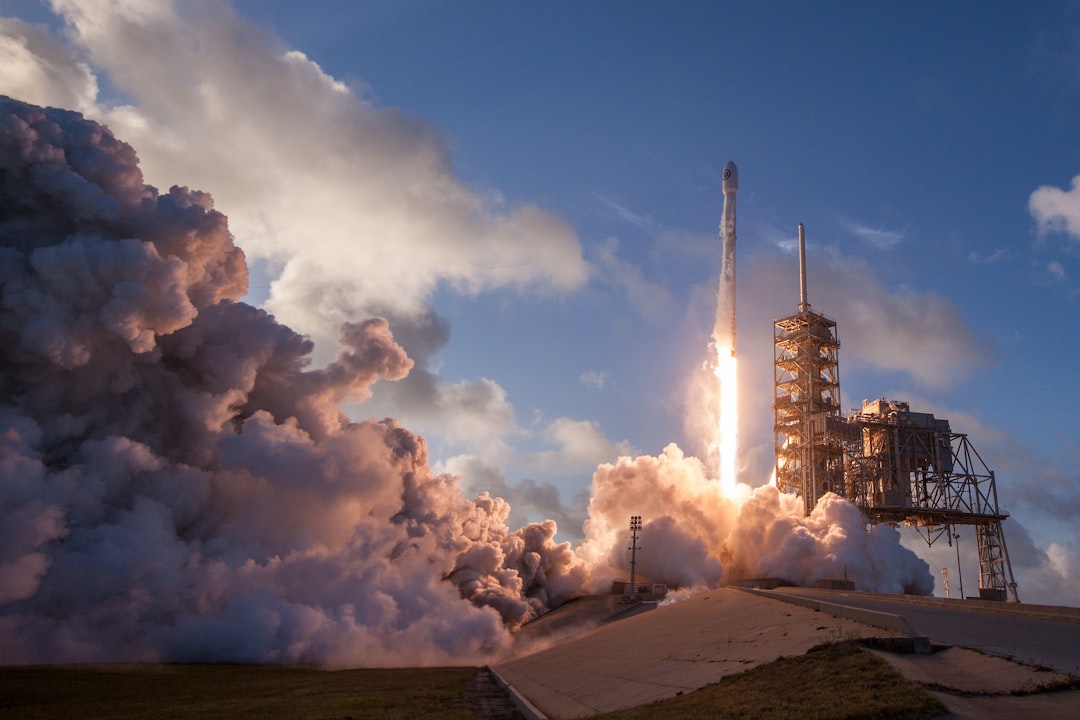
Humanity’s gaze has long been fixed on the stars, a yearning to venture beyond the confines of Earth and probe the mysteries of the cosmos. This ambition, however, is not an unhindered pursuit. The vastness of space, while alluring, presents a formidable array of limitations that temper our aspirations and necessitate a pragmatic understanding of what is achievable. Human space exploration, far from being a boundless conquest, is a journey defined by stringent constraints, dictated by physics, biology, technology, economics, and even the fundamental nature of our species.
The Biological Crucible: Humanity at the Edge
The human body, a marvel of terrestrial evolution, is exquisitely adapted to life on Earth. Its vulnerabilities become starkly apparent when exposed to the alien environment of space. Understanding and mitigating these biological hazards is paramount to any extended human presence beyond our planet.
Radiation: The Invisible Menace
Space is awash in a sea of ionizing radiation, far more intense than anything encountered on Earth’s surface. This radiation originates from various sources, including solar flares, coronal mass ejections, and galactic cosmic rays (GCRs). The latter, in particular, are high-energy particles originating from beyond our solar system, posing a persistent and significant threat.
Short-term effects of acute radiation exposure
High doses of radiation, such as those from a severe solar event, can lead to acute radiation sickness. Symptoms can range from nausea, vomiting, and fatigue to more severe effects like hair loss, skin burns, a compromised immune system, and even death. While spacecraft can offer some shielding, a truly robust defense against the most potent solar storms remains a significant engineering challenge.
Long-term health consequences
The cumulative effect of chronic radiation exposure over extended missions poses a more insidious threat. Increased cancer risk is a major concern, with studies suggesting that even low doses of GCRs can enhance the probability of developing various cancers. Furthermore, there is evidence linking space radiation to cardiovascular disease, neurological damage, and cataracts. The effects on the central nervous system are particularly worrying, with potential implications for cognitive function and overall astronaut performance during long voyages.
Mitigation strategies and their limitations
Efforts to shield astronauts involve a multi-pronged approach. Thick spacecraft hulls, made from materials like aluminum and polyethylene, offer some protection. Water and even waste products within a spacecraft can also serve as radiation shields. Dedicated radiation shelters within spacecraft are being designed for periods of heightened solar activity. However, these solutions are invariably limited by mass constraints; adding excessive shielding significantly increases launch costs. Furthermore, the constant bombardment of GCRs is far more difficult to attenuate effectively. Future missions, especially to Mars, will require novel solutions, potentially involving in-situ resource utilization for shielding or advanced pharmacokinetic countermeasures.
Microgravity: The Silent Dissolving of Bone and Muscle
The absence of Earth’s gravitational pull, while liberating for movement in some respects, has profound detrimental effects on the human musculoskeletal and cardiovascular systems. The body, no longer needing to work against gravity, begins to atrophy.
Bone density loss
Without the constant stress of weight-bearing, bones lose calcium and become less dense, a condition similar to osteoporosis. This not only weakens the skeletal structure but also releases calcium into the bloodstream, potentially contributing to kidney stone formation. Astronauts can lose 1-2% of their bone mass per month in critical areas like the hips and spine. While countermeasures exist, they are not always fully effective.
Muscle atrophy
Similarly, muscles, particularly those involved in posture and locomotion, weaken and shrink from disuse. This can lead to a significant loss of strength and endurance, impacting an astronaut’s ability to perform tasks both in space and upon return to Earth. The recovery period after extended missions can be lengthy and arduous.
Cardiovascular deconditioning
The heart, in microgravity, does not have to pump blood against gravity to reach the head. This leads to a redistribution of blood towards the upper body and a decrease in plasma volume. Over time, the heart muscle can weaken, and astronauts may experience orthostatic intolerance – a drop in blood pressure and fainting – upon returning to gravity.
Vestibular system and spatial disorientation
The inner ear’s vestibular system, responsible for balance and spatial orientation, is accustomed to Earth’s consistent gravitational pull. In microgravity, it receives conflicting signals, leading to space motion sickness, characterized by nausea, vomiting, and disorientation. While astronauts adapt over time, the initial period can be challenging, and some individuals experience ongoing difficulties.
Countermeasures and their efficacy
Rigorous exercise regimes are the cornerstone of mitigating the effects of microgravity. Specialized equipment, such as treadmills with bungee cords to simulate gravity and resistance exercise devices, are essential. Nutritional strategies and pharmaceutical interventions are also being investigated. However, these countermeasures are demanding, time-consuming, and their efficacy in preventing all negative effects, especially for missions lasting years, is still under active research.
As humanity continues to push the boundaries of space exploration, the challenges and limitations we face are becoming increasingly apparent. A related article that delves into these constraints is available at this link: Exploring the Limits of Human Space Exploration. This piece discusses the technological, physiological, and financial barriers that must be overcome to enable long-duration missions beyond Earth, highlighting the importance of innovation and international collaboration in the quest for deeper space exploration.
The Technological Hurdle: Bridging the Cosmic Divide
While our technological prowess has enabled us to reach the Moon and maintain a continuous human presence in Earth orbit, venturing further necessitates overcoming significant engineering and technological challenges. The sheer distances involved and the unforgiving nature of the space environment demand innovations that are currently at the bleeding edge, or even beyond, our current capabilities.
Propulsion Systems: The Tyranny of Distance
The vast distances between celestial bodies present a fundamental challenge rooted in the limitations of our current propulsion technologies. Reaching even our nearest planetary neighbor, Mars, currently requires months of travel, exposing astronauts to prolonged periods of radiation and microgravity.
Chemical rockets and their limitations
The mainstay of space travel, chemical rockets, are powerful but inherently inefficient for interstellar or even long interplanetary journeys. Their thrust-to-weight ratio is limited, and they require enormous amounts of propellant, making them impractical for missions requiring sustained acceleration over vast distances. The continuous burning of fuel is a significant constraint.
The promise and peril of advanced propulsion concepts
Various advanced propulsion concepts are being explored, including nuclear thermal propulsion, electric propulsion (e.g., ion thrusters), and hypothetical technologies like warp drives or fusion rockets. Nuclear thermal propulsion offers greater efficiency than chemical rockets, potentially reducing travel times to Mars. Electric propulsion is highly efficient but generates low thrust, making it suitable for cargo but less so for rapid human transit. The truly revolutionary technologies, like fusion or warp drives, remain firmly in the realm of theoretical physics and science fiction, with no current viable pathway to realization. The energy requirements and engineering hurdles are immense.
The payload problem
Regardless of the propulsion system, the amount of mass that can be sent into space is fundamentally limited by the energy input. This “payload problem” means that every kilogram of equipment, life support, and human life must be accounted for, and the mass of the propulsion system itself contributes significantly to this burden.
Life Support Systems: Creating a Bubble of Earth
Maintaining a habitable environment for humans in the vacuum of space is an intricate and energy-intensive undertaking. The closed-loop nature of life support systems, designed to recycle air, water, and waste, is essential for long-duration missions but faces inherent challenges.
Ensuring air quality and atmospheric pressure
Maintaining a stable and breathable atmosphere within a spacecraft requires constant vigilance. Carbon dioxide must be scrubbed, oxygen levels monitored, and trace contaminants removed. These systems are complex and susceptible to failure. Any malfunction in the atmospheric regulation could have immediate and catastrophic consequences.
Water recycling and purification
Water is a precious commodity in space. Current systems can recycle a significant percentage of wastewater, including urine and sweat, but achieving 100% efficiency is difficult. Impurities can accumulate, and the long-term health effects of consuming water from highly recycled sources are still being studied. Evaporation and leakage are also potential sources of loss.
Waste management and resource utilization
Solid waste, both human and material, needs to be managed efficiently. Incineration, compaction, or biological processing are options, but each has its own challenges and resource demands. The ideal scenario for long-duration missions is the utilization of local resources on other celestial bodies (in-situ resource utilization – ISRU) for generating water, oxygen, and even propellant, but this technology is still in its infancy.
Reliability and redundancy
Given the critical nature of life support, a high degree of reliability and redundancy is essential. However, the more complex a system, the more potential points of failure exist. Balancing miniaturization, efficiency, and robustness is a continuous engineering challenge. A critical failure in any component of a life support system could be fatal.
The Economic Barrier: The Price of Reaching for the Stars
The dream of human space exploration is inextricably linked to the exorbitant costs involved. Establishing a sustained presence beyond Earth requires immense financial investment, raising questions about the feasibility and prioritization of such endeavors.
Developmental and Launch Costs: The Initial Investment
The research, development, and construction of spacecraft, rockets, and associated infrastructure are astronomically expensive. The launch of a single heavy-lift rocket can cost hundreds of millions of dollars, and a full-fledged mission to Mars would involve multiple such launches carrying complex payloads.
Research and development expenditures
The initial investment in conceptualizing, designing, and testing new technologies for space exploration is immense. This includes advancements in materials science, propulsion, life support, robotics, and artificial intelligence. Years of research and development are required before a concept can even be engineered into a tangible system.
Manufacturing and assembly challenges
Building spacecraft and rockets is a highly specialized and intricate process. Components must meet stringent quality and safety standards, and assembly often takes place in specialized cleanroom environments. The sheer scale of construction for deep-space vehicles is a significant cost driver.
Launch vehicle expenses
The cost of launching payloads into orbit or beyond is a major factor. The development and operation of sophisticated launch vehicles, capable of carrying significant mass, are incredibly expensive. Refueling infrastructure and launchpad maintenance add further to these costs.
Operational and Maintenance Costs: The Long Haul
Beyond the initial investment, the ongoing expenses of operating and maintaining spacecraft, supporting missions, and training astronauts are substantial and often underestimated.
Mission control and ground support
A vast network of ground control stations, communication arrays, and expert personnel are required to monitor and manage space missions. This infrastructure is costly to build, maintain, and operate.
Astronaut training and preparation
Training astronauts for deep-space missions is a rigorous and lengthy process, involving extensive simulations, survival training, and specialized education. The healthcare, psychological support, and life insurance for astronauts also represent significant ongoing costs.
In-orbit maintenance and resupply
For missions in Earth orbit, like the International Space Station, regular resupply missions are required to ferry consumables, spare parts, and scientific equipment. These missions themselves are costly to launch and operate. Extending this to lunar or Martian bases would present even greater logistical and financial challenges.
Opportunity Cost: What Else Could the Money Do?
The substantial financial resources dedicated to space exploration raise important questions about opportunity cost. Critics often argue that these funds could be better allocated to addressing pressing terrestrial issues such as poverty, disease, climate change, and education.
Prioritization of global needs
The allocation of limited global resources is a perennial debate. When faced with immediate and widespread human suffering, the justification for investing billions in exploring distant worlds can be challenging for policymakers and the public alike. The argument of “bread before circuses” often comes into play.
Public perception and political will
The sustained financial commitment to large-scale space exploration often relies on public support and political will. Economic downturns, shifting geopolitical priorities, or perceived failures in space programs can easily lead to budget cuts, hindering long-term planning and achievable milestones.
The Psychological Strain: The Isolation of the Void
The psychological toll of long-duration space missions on astronauts is a significant and complex challenge. The isolation, confinement, and inherent risks of spaceflight can profoundly impact mental well-being and team cohesion.
Confinement and Isolation: The Walls of the Capsule
Astronauts on extended missions are confined to relatively small living and working spaces for months or even years. The lack of personal space, privacy, and the monotony of their surroundings can lead to feelings of claustrophobia, boredom, and depression.
Sensory deprivation and alteration
The sterile environments of spacecraft offer limited sensory stimulation compared to Earth. Over time, this can lead to sensory deprivation, impacting mood and cognitive function. The unique sensory experiences of space can also be disorienting.
Separation from loved ones and social networks
Being millions of miles away from family, friends, and familiar social support structures is a profound source of stress. Communication delays with Earth, especially for missions to Mars, exacerbate this sense of detachment and loneliness. The inability to participate in important life events back home can be deeply taxing.
Team Dynamics and Conflict: The Pressure Cooker Environment
The success of a space mission relies heavily on the cohesion and effective functioning of the crew. The inherent pressures of spaceflight can amplify interpersonal tensions and create a “pressure cooker” environment where small conflicts can escalate.
Interpersonal friction and stress management
Living and working in close quarters for extended periods can lead to friction between crew members. Differences in personalities, work habits, and stress management techniques can lead to misunderstandings and arguments. The need for effective conflict resolution is paramount.
Leadership and authority in isolated environments
Maintaining effective leadership and clear lines of authority is crucial, but also challenging, in the unique context of spaceflight. The commander must balance authority with the need for crew autonomy and morale. The potential for insubordination or breakdown of command structure is a serious concern.
The impact of unforeseen events
The occurrence of unexpected technical malfunctions, medical emergencies, or even minor inconveniences can significantly increase psychological stress on the crew, testing their resilience and coping mechanisms. The inability to easily escape or seek immediate external help amplifies these pressures.
As humanity continues to push the boundaries of space exploration, discussions about the limits of our capabilities become increasingly relevant. The challenges we face, from the vast distances to the harsh environments of other planets, raise important questions about the sustainability of long-term missions. For a deeper understanding of these challenges, you can explore a related article that delves into the complexities of human space travel and the technological advancements needed to overcome them. Check it out here: mycosmicventures.com.
The Ethical Compass: What is Our Place Among the Stars?
Beyond the technical and biological limitations, human space exploration raises profound ethical questions that must be carefully considered. These questions delve into our responsibilities, our motivations, and the potential impact of our presence on other celestial bodies.
Planetary Protection: Avoiding Contamination
The prospect of exploring other worlds brings with it the critical imperative of planetary protection – ensuring that we do not contaminate potentially life-bearing environments with Earth microbes, nor bring extraterrestrial life back to Earth.
Forward contamination concerns
The unintentional introduction of terrestrial microorganisms to other planets, such as Mars, could irrevocably alter the planet’s environment and potentially obscure any evidence of indigenous life, past or present. This would represent a monumental scientific loss.
Back contamination concerns
Conversely, the return of extraterrestrial material to Earth, even if sterile, could pose a biological risk if it harbors unknown pathogens. Rigorous quarantine protocols are essential for sample return missions. The potential for an unknown extraterrestrial pathogen to wreak havoc on Earth’s biosphere is a significant worry.
The Ethics of Resource Utilization: Who Owns the Cosmos?
As humanity contemplates extracting resources from celestial bodies – be it water ice on the Moon or minerals on asteroids – questions of ownership, equitable access, and potential conflict arise.
The Outer Space Treaty and future frameworks
The Outer Space Treaty of 1967 declares that outer space is the province of all mankind and cannot be appropriated by any nation. However, the treaty does not explicitly address the extraction and ownership of celestial resources, leaving a significant legal and ethical void.
Potential for exploitation and inequality
The potential for powerful nations or corporations to monopolize extraterrestrial resources could lead to new forms of inequality and conflict, mirroring historical colonial patterns on Earth. Establishing clear international frameworks for resource management is crucial.
The “Why”: Justification for the Endeavor
Ultimately, the ethical justification for human space exploration hinges on answering the fundamental question of “why.” Is it for scientific discovery, the advancement of technology, the survival of the species, or some other more intangible drive?
The existential imperative vs. immediate needs
Arguments for space exploration often include the long-term survival of humanity, suggesting that becoming a multi-planetary species is essential to mitigate existential risks on Earth. However, this must be weighed against the immediate and pressing needs of billions on our own planet.
The intrinsic value of exploration and discovery
There is also an argument for the intrinsic value of exploration, curiosity, and the expansion of human knowledge and experience. The pursuit of understanding our place in the universe and the potential for profound discoveries can be seen as a fundamental human drive, independent of immediate practical benefits.
In conclusion, while the allure of the cosmos is undeniable, human space exploration is a domain governed by stringent and unyielding limits. These limitations, rooted in the fundamental laws of physics, the fragility of the human body, the current state of our technology, the stark realities of economics, and the very nature of our psychological and ethical frameworks, demand a grounded and realistic approach. The journey beyond Earth is not a race without a finish line, but rather a marathon of incremental progress, each step carefully constrained by the formidable challenges that lie between us and the stars. Acknowledging and understanding these limits is not a sign of defeat, but a prerequisite for intelligent, sustainable, and ultimately, successful human endeavors into the unknown.
FAQs
What are the current limits of human space exploration?
The current limits of human space exploration include the challenges of long-duration space travel, radiation exposure, physiological effects on the human body, and the high cost of space missions.
What are the physiological effects on the human body in space?
Physiological effects on the human body in space include muscle atrophy, bone density loss, cardiovascular deconditioning, and changes in the immune system. These effects pose significant challenges for long-duration space missions.
What are the challenges of long-duration space travel?
Challenges of long-duration space travel include the psychological effects of isolation and confinement, the need for life support systems, and the limited availability of essential resources such as food, water, and oxygen.
How does radiation exposure limit human space exploration?
Radiation exposure in space poses a significant risk to astronauts, as it can increase the likelihood of developing cancer and other health issues. Finding ways to protect astronauts from radiation is a key challenge for future space missions.
What are the economic limits of human space exploration?
The high cost of space missions, including the development of spacecraft, life support systems, and other necessary technologies, presents a significant economic limit to human space exploration. Finding cost-effective solutions is essential for expanding our presence in space.