Astronomy, the scientific study of celestial bodies and the universe as a whole, relies heavily on precise measurements to understand the cosmos. However, the quest for accuracy in astronomical observations is fraught with challenges. Measurement errors can arise from various sources, leading to discrepancies that may significantly impact scientific conclusions.
These errors can obscure the true nature of celestial phenomena, complicating the interpretation of data and hindering advancements in the field. As astronomers strive to unravel the mysteries of the universe, understanding and mitigating measurement errors becomes paramount. The significance of measurement errors in astronomy cannot be overstated.
They can stem from a multitude of factors, including instrumental limitations, human oversight, and environmental influences. Each of these elements contributes to the overall uncertainty in astronomical data, which can affect everything from the determination of a star’s distance to the analysis of cosmic events. By delving into the sources and types of measurement errors, astronomers can develop strategies to enhance the reliability of their observations and improve the accuracy of their findings.
Key Takeaways
- Introduction to Astronomy Measurement Errors:
- Astronomy measurement errors can significantly impact the accuracy of astronomical data and research.
- Sources of Measurement Errors in Astronomy:
- Measurement errors in astronomy can arise from instrumental, human, and atmospheric/environmental factors.
- Instrumental Errors in Astronomy Measurements:
- Instrumental errors in astronomy can result from issues with telescopes, cameras, and other measurement devices.
- Human Errors in Astronomy Measurements:
- Human errors in astronomy can occur during data collection, analysis, and interpretation.
- Atmospheric and Environmental Effects on Astronomy Measurements:
- Atmospheric and environmental conditions can introduce errors in astronomy measurements due to factors such as air turbulence and light pollution.
Sources of Measurement Errors in Astronomy
Measurement errors in astronomy can be broadly categorized into several sources, each contributing to the overall uncertainty in observational data. One primary source is instrumental error, which arises from the limitations and imperfections inherent in the tools used for observation. Telescopes, spectrometers, and other instruments are designed to capture and analyze light from distant celestial objects, but they are not infallible.
Calibration issues, sensitivity variations, and mechanical misalignments can all introduce discrepancies in measurements. Another significant source of measurement error is human error. Astronomers and technicians play a crucial role in data collection and analysis, and their actions can inadvertently lead to inaccuracies.
Misinterpretation of data, incorrect settings on instruments, or even simple calculation mistakes can skew results. The human element is an unavoidable factor in scientific research, making it essential for astronomers to implement rigorous protocols and checks to minimize these errors.
Instrumental Errors in Astronomy Measurements
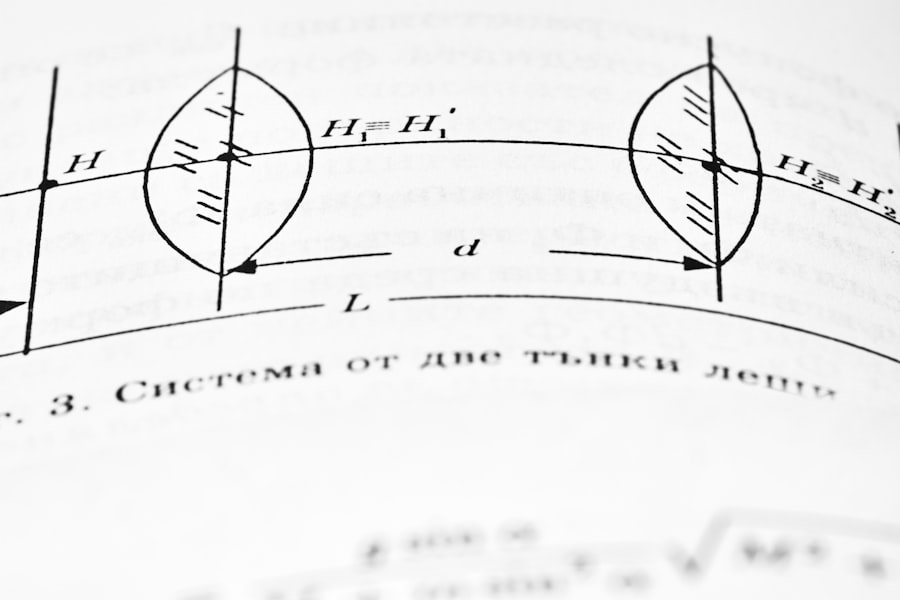
Instrumental errors are a critical concern in astronomy, as they can significantly affect the quality of observational data. These errors often stem from the design and construction of telescopes and other measurement devices. For instance, optical aberrations can distort images captured by telescopes, leading to inaccurate representations of celestial objects.
Additionally, variations in detector sensitivity can result in inconsistent readings across different wavelengths of light, complicating the analysis of spectral data. Calibration is another vital aspect of addressing instrumental errors. Instruments must be regularly calibrated against known standards to ensure their accuracy.
However, even with careful calibration, factors such as temperature fluctuations or mechanical wear can introduce variability in measurements over time. Astronomers must remain vigilant in monitoring their instruments and adjusting for any potential drift in performance to maintain the integrity of their observations.
Human Errors in Astronomy Measurements
| Error Type | Frequency |
|---|---|
| Misreading instruments | 20% |
| Calculation mistakes | 15% |
| Incorrect data entry | 10% |
| Human judgment errors | 25% |
| Communication errors | 30% |
Human error is an inevitable aspect of scientific research, including astronomy. Despite advancements in technology and methodology, astronomers are still susceptible to mistakes that can compromise data quality. For example, during data collection, an astronomer might inadvertently misalign a telescope or fail to account for light pollution when taking measurements.
Such oversights can lead to significant discrepancies in the resulting data. Moreover, human error extends beyond the initial observation phase. Data analysis often involves complex calculations and interpretations that require meticulous attention to detail.
A simple arithmetic mistake or a misinterpretation of results can lead to erroneous conclusions about celestial phenomena. To mitigate these risks, many research teams implement collaborative approaches where multiple individuals review data and findings before publication, thereby reducing the likelihood of human error impacting scientific outcomes.
Atmospheric and Environmental Effects on Astronomy Measurements
The atmosphere plays a crucial role in shaping astronomical observations, introducing another layer of complexity to measurement accuracy. Atmospheric conditions such as turbulence, humidity, and light pollution can distort or obscure light from celestial objects. For instance, turbulence in the Earth’s atmosphere can cause stars to twinkle, making it challenging to obtain stable measurements of their brightness or position.
Environmental factors also extend beyond atmospheric conditions. Ground-based observatories are particularly vulnerable to local environmental influences such as temperature variations and seismic activity. These factors can affect instrument performance and introduce noise into measurements.
To counteract these challenges, astronomers often conduct observations from high-altitude locations or utilize space-based telescopes that operate above the Earth’s atmosphere, thereby minimizing atmospheric interference.
Understanding Random and Systematic Errors in Astronomy
In astronomy, errors can be classified into two main categories: random errors and systematic errors. Random errors are unpredictable fluctuations that occur due to various uncontrollable factors during measurements. These errors can arise from environmental noise or inherent limitations in instruments.
While random errors can often be reduced through repeated measurements and statistical analysis, they cannot be entirely eliminated. On the other hand, systematic errors are consistent biases that affect measurements in a predictable manner. These errors often stem from flaws in instrument calibration or methodological biases that persist across multiple observations.
For example, if a telescope consistently underestimates the brightness of stars due to a calibration issue, this systematic error will skew all subsequent measurements taken with that instrument. Identifying and correcting systematic errors is crucial for ensuring the reliability of astronomical data.
Impact of Measurement Errors on Astronomical Data
The impact of measurement errors on astronomical data can be profound, influencing both theoretical models and practical applications within the field. Inaccurate measurements can lead to flawed conclusions about celestial phenomena, such as miscalculating the distance to a star or misunderstanding the dynamics of a galaxy. These errors not only hinder scientific progress but can also propagate through subsequent research efforts that rely on flawed data.
Moreover, measurement errors can have significant implications for our understanding of fundamental astrophysical concepts. For instance, inaccuracies in determining the expansion rate of the universe could affect cosmological models and our comprehension of dark energy. As astronomers build upon previous findings to develop new theories or technologies, ensuring the accuracy of foundational measurements becomes increasingly critical.
Techniques for Minimizing Measurement Errors in Astronomy
To enhance the accuracy of astronomical measurements, researchers employ various techniques aimed at minimizing errors. One effective approach is redundancy; by using multiple instruments or methods to observe the same celestial object, astronomers can cross-verify results and identify discrepancies that may indicate measurement errors. This practice not only bolsters confidence in findings but also helps isolate specific sources of error.
Calibration procedures are also essential for maintaining measurement accuracy over time. Regularly calibrating instruments against known standards allows astronomers to detect any drift in performance and make necessary adjustments. Additionally, employing advanced data analysis techniques such as statistical modeling can help identify patterns indicative of systematic errors, enabling researchers to correct for these biases before drawing conclusions from their data.
Importance of Error Analysis in Astronomy
Error analysis is a fundamental aspect of astronomical research that cannot be overlooked. By systematically evaluating potential sources of error and quantifying their impact on measurements, astronomers can better understand the limitations of their data. This process not only enhances the reliability of individual studies but also contributes to the broader scientific discourse by providing transparency regarding uncertainties.
Furthermore, error analysis fosters a culture of rigor within the astronomical community. By openly discussing measurement uncertainties and their implications for scientific conclusions, researchers encourage collaboration and critical evaluation among peers. This collaborative spirit ultimately leads to more robust findings and a deeper understanding of celestial phenomena.
Case Studies of Notable Astronomy Measurement Errors
Throughout history, there have been several notable cases where measurement errors have significantly impacted astronomical research.
Discrepancies between different methods used to calculate this constant have led to debates about its value and implications for cosmology.
Another case involves the miscalculation of distances to certain galaxies due to erroneous assumptions about their brightness. Such mistakes have led to incorrect estimates regarding galaxy formation and evolution timelines.
These examples underscore the importance of rigorous measurement practices and error analysis in astronomy; they serve as reminders that even small inaccuracies can have far-reaching consequences for our understanding of the universe.
Future Developments in Addressing Astronomy Measurement Errors
As technology continues to advance, so too do the methods for addressing measurement errors in astronomy. The development of more sophisticated instruments equipped with enhanced calibration capabilities promises to reduce instrumental errors significantly. Additionally, machine learning algorithms are increasingly being employed to analyze vast datasets more efficiently while identifying potential sources of error.
Furthermore, international collaborations among observatories around the world are paving the way for more comprehensive approaches to error analysis. By sharing data and methodologies across institutions, astronomers can collectively address measurement uncertainties and improve overall accuracy within the field. As these developments unfold, they hold great promise for enhancing our understanding of the cosmos while minimizing the impact of measurement errors on astronomical research.
In conclusion, measurement errors are an inherent challenge within astronomy that necessitates careful consideration and proactive management. By understanding their sources—whether instrumental, human-related, or environmental—astronomers can develop strategies to mitigate their impact on observational data. Through rigorous error analysis and innovative technological advancements, researchers continue to strive for greater accuracy in their quest to unlock the secrets of the universe.
In the realm of astronomy, precise measurements are crucial for understanding the vast universe. However, measurement errors can significantly impact the accuracy of astronomical data. An insightful article on this topic can be found on My Cosmic Ventures, which delves into the challenges and solutions related to measurement errors in astronomy. For a deeper exploration of this subject, you can read the full article by visiting this link. This resource provides valuable insights into how astronomers work to minimize errors and improve the reliability of their observations.
WATCH THIS! 🌌The Biggest Black Hole Is A LIE
FAQs
What are measurement errors in astronomy?
Measurement errors in astronomy refer to inaccuracies or uncertainties in the data collected from observations and measurements of celestial objects. These errors can arise from various sources, such as instrumental limitations, atmospheric conditions, human error, and statistical fluctuations.
How do measurement errors affect astronomical research?
Measurement errors can significantly impact the reliability and accuracy of astronomical research. They can lead to incorrect conclusions, flawed interpretations of data, and inaccurate predictions. It is crucial for astronomers to understand and account for measurement errors in their analyses to ensure the validity of their findings.
What are the sources of measurement errors in astronomy?
Sources of measurement errors in astronomy include instrumental limitations, such as the precision and calibration of telescopes and detectors, atmospheric distortions, human error in data collection and analysis, as well as statistical fluctuations inherent in the measurement process.
How do astronomers minimize measurement errors?
Astronomers employ various techniques to minimize measurement errors, including careful calibration and maintenance of instruments, statistical analysis to account for uncertainties, and the use of multiple observations and cross-validation methods. Additionally, advancements in technology and data processing have helped to reduce measurement errors in modern astronomical research.
What are the implications of measurement errors in astronomy?
Measurement errors in astronomy can have significant implications for our understanding of the universe. They can affect the accuracy of astronomical models, the determination of fundamental constants, and the interpretation of observational data. Addressing and minimizing measurement errors is essential for advancing our knowledge of the cosmos.