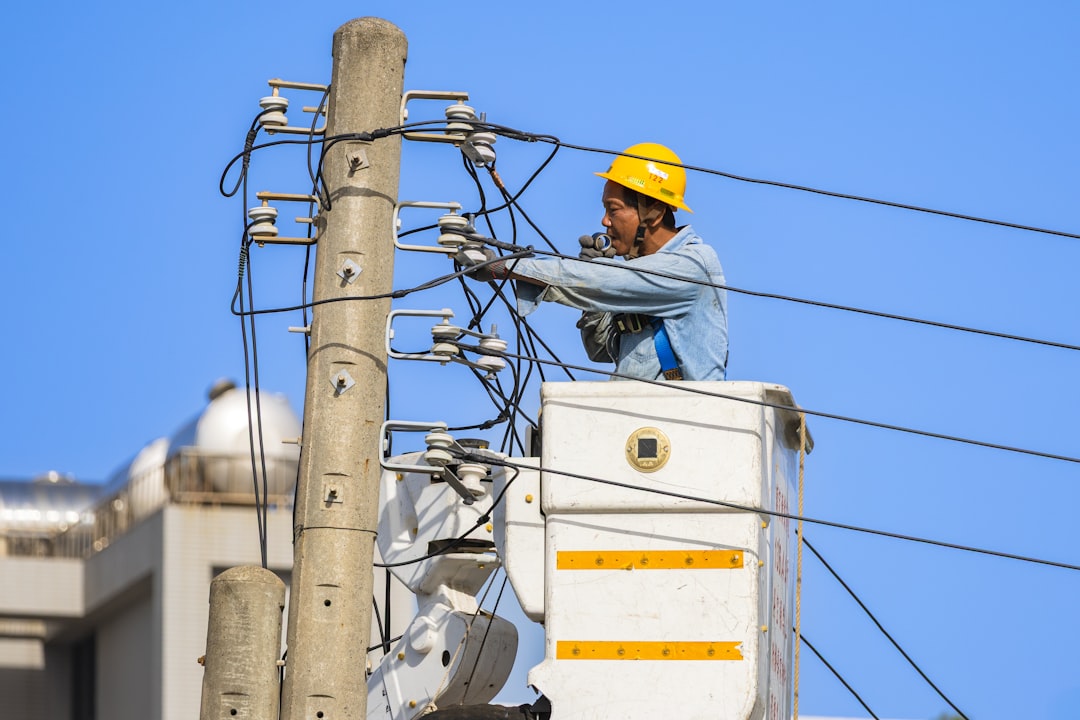
The intricate dance of electricity distribution, often taken for granted, relies on the constant vigilance of grid operators. When the sun, a seemingly benign celestial body, enters the equation as a significant power source, this vigilance takes on a new dimension. This article delves into the procedures employed by grid operators to manage the impact of solar weather on the stability of the electrical grid.
The sun, while providing life-sustaining energy, also exhibits a dynamic range of phenomena collectively known as solar weather. These events, originating from the sun’s core and propagating through space, can have significant and sometimes disruptive consequences for terrestrial systems, including the vast and complex electrical grid.
Solar Flares and Coronal Mass Ejections (CMEs)
At the forefront of disruptive solar weather are solar flares and coronal mass ejections. Solar flares are sudden, intense bursts of electromagnetic radiation from the sun’s surface. While these primarily manifest as visible light and X-rays, they can also trigger energetic particle events. CMEs, on the other hand, are massive expulsions of plasma and magnetic field from the sun’s corona. These ejected masses of charged particles can travel at high speeds and, if directed towards Earth, can interact with our planet’s magnetosphere.
Geomagnetically Induced Currents (GICs)
The interaction of CMEs with Earth’s magnetosphere is the primary driver of geomagnetically induced currents (GICs). When a CME arrives, it causes significant disturbances in the Earth’s magnetic field. These rapid fluctuations in the magnetic field induce electric fields on Earth’s surface. These induced electric fields, in turn, drive currents in conductive media, most notably the long, metallic conductors of the electrical grid. GICs are essentially DC currents that are superimposed onto the AC currents flowing through transmission lines and in transformers.
In the context of grid operator solar weather procedures, it is essential to stay informed about the latest developments and best practices in the industry. A related article that provides valuable insights on this topic can be found at My Cosmic Ventures. This resource discusses the impact of solar weather on grid operations and offers guidance on how operators can effectively prepare for and respond to solar events to ensure the stability and reliability of the power grid.
Impact on Transformers
The presence of GICs poses a substantial threat to the operational integrity of high-voltage transformers. These
FAQs
What is a grid operator?
A grid operator is a company or organization responsible for managing and controlling the flow of electricity on the power grid. They ensure that electricity supply meets demand and maintain the stability and reliability of the grid.
What are solar weather procedures for grid operators?
Solar weather procedures for grid operators involve monitoring and managing the impact of weather conditions on solar power generation. This includes forecasting solar irradiance, adjusting power output from solar farms, and coordinating with other power sources to maintain grid stability.
Why are solar weather procedures important for grid operators?
Solar weather procedures are important for grid operators because solar power generation is dependent on weather conditions, such as cloud cover and sunlight intensity. By implementing these procedures, grid operators can effectively integrate solar power into the grid and ensure reliable electricity supply.
How do grid operators forecast solar weather?
Grid operators forecast solar weather by using advanced weather forecasting models and satellite data to predict solar irradiance levels. This information helps them anticipate fluctuations in solar power generation and make necessary adjustments to maintain grid stability.
What challenges do grid operators face in managing solar weather?
Grid operators face challenges in managing solar weather due to the variability of solar power generation. Fluctuations in cloud cover and sunlight intensity can impact the output of solar farms, requiring grid operators to quickly adapt and balance the grid with other power sources.