
Exploring Solar Behavior: Upper Range Limits
The Sun, a G-type main-sequence star, presents a remarkable spectrum of physical phenomena orchestrated by nuclear fusion in its core and complex magnetohydrodynamic processes within its convective and radiative zones. While its predictable energy output fuels life on Earth, its behavior is far from static. Investigations into the upper limits of solar activity, particularly concerning solar flares and coronal mass ejections (CMEs), provide crucial insights into stellar evolution, space weather forecasting, and fundamental plasma physics. Understanding these extremes is not merely an academic pursuit; it directly informs our resilience against potentially disruptive technological and societal impacts. This article delves into the observational evidence, theoretical frameworks, and ongoing challenges associated with defining and exploring the upper range limits of solar behavior.
At its core, the Sun is a colossal hydrogen-to-helium fusion reactor. However, the observable energetic events, specifically flares and CMEs, originate from the dynamic interplay of magnetic fields in the Sun’s outer layers. The Sun’s differential rotation, which causes the equator to rotate faster than the poles, twists and tangles magnetic field lines. This tangled magnetic field stores immense amounts of energy. When these field lines become sufficiently stressed and reconfigure, often through processes of magnetic reconnection, this stored energy is rapidly released, manifesting as flares and CMEs.
The Role of Magnetic Field Complexity
The complexity of the Sun’s magnetic field is a primary determinant of the potential energy available for release. Regions with highly non-potential magnetic fields, characterized by strong gradients and sharp turns, are more prone to instabilities. These complex configurations are often associated with active regions, the bright, magnetically active areas on the solar surface that are the birthplace of most energetic events.
Measuring Magnetic Field Strength and Topology
Observational techniques, primarily through magnetographs, measure the line-of-sight magnetic field on the solar surface. However, inferring the full three-dimensional structure and energy content of the corona from surface measurements is a significant challenge. Advanced modeling and helioseismic techniques attempt to bridge this gap, providing insights into the magnetic field distribution throughout the Sun’s interior. The strength of the magnetic field within active regions, particularly the shear and the presence of multiple polarity regions in close proximity, are key indicators for the potential for extreme events.
The Significance of Coronal Plasma Dynamics
While magnetic fields are the primary energy storage mechanism, the behavior of the plasma in the Sun’s corona plays a critical role in channeling and releasing this energy. The extremely hot, tenuous plasma of the corona is highly dynamic and responds to magnetic field changes. Understanding how this plasma is heated, confined, and ejected is essential for understanding the dynamics of flares and CMEs.
Heating Mechanisms in the Solar Corona
The corona’s exceptionally high temperature, millions of degrees Celsius, far exceeding that of the photosphere, remains a subject of active research. While magnetic reconnection is a prime candidate for coronal heating and flare generation, other mechanisms like wave heating through magnetohydrodynamic (MHD) waves propagating from lower atmospheric layers are also considered, particularly for quiescent coronal heating. The interplay of these heating mechanisms may influence the energy balance of active regions and the likelihood of extreme events.
The Transition Region and Magnetic Reconnection
The transition region, a thin layer where the temperature rises dramatically, is a key area for magnetic reconnection to occur. Observations of plasma upflows and downflows in this region provide indirect evidence of reconfiguring magnetic field lines. The frequency and intensity of these events are thought to be correlated with the potential for larger energy releases.
Recent studies have delved into the upper range limits of solar behavior, exploring how extreme solar activity can impact space weather and terrestrial systems. For a deeper understanding of this topic, you can refer to a related article that discusses the implications of solar flares and coronal mass ejections on Earth’s magnetosphere and technological infrastructure. To read more about this fascinating subject, visit My Cosmic Ventures.
Defining the Upper Limits: What Constitutes an Extreme Event?
Defining the “upper range limits” for solar flares and CMEs necessitates a quantitative approach, typically based on observable parameters such as energy release, particle acceleration, and ejection velocity and mass. While there is no absolute theoretical limit inscribed in the physics of the Sun that dictates a maximum energy output, observational data provides a practical boundary for what has been observed and the capabilities of current detection technologies.
Solar Flares: Classifying Energetic Outbursts
Solar flares are classified based on their peak flux in the X-ray portion of the electromagnetic spectrum, primarily measured by the GOES satellites. The classes are A, B, C, M, and X, where each letter represents a tenfold increase in intensity. X-class flares are the most powerful. Within the X-class, further subdivisions (e.g., X1.0, X2.0, X9.3) indicate relative intensity. The upper limit of observed flares is dictated by the most intense events recorded historically.
Historically Observed Peak Flares
The most powerful solar flares ever recorded have been estimated to be around X28 and X30 in intensity. These events, while rare, demonstrate the Sun’s capability to unleash colossal amounts of energy. The historical records, though sometimes less precise than modern measurements, provide crucial benchmarks for understanding the upper envelope of solar flare activity.
Limitations of Observational Classification
It is important to acknowledge that our classification systems are based on specific observational windows and instruments. It is possible that more intense flares have occurred and gone unobserved or have been underestimated due to limitations in detection capabilities or coverage at the time. Therefore, stated upper limits are contingent upon the available data.
Coronal Mass Ejections: Quantifying Energetic Ejections
CMEs are immense expulsions of plasma and magnetic field from the Sun’s corona. Their characteristics are typically quantified by their speed, mass content, and magnetic field strength within the ejected plasma. The energy stored and released in a CME can be immense, far exceeding that of flares.
CME Speed and Energy
CME speeds can range from a few hundred kilometers per second to over 3000 kilometers per second. The kinetic energy of these enormous plasma clouds can be substantial, with the most energetic CMEs carrying energies on the order of 10^25 to 10^26 Joules. Understanding the factors that drive these accelerated outflows is crucial for predicting their trajectories and potential impact on Earth.
CME Mass and Magnetic Field Properties
The mass of a CME can vary significantly, from millions of tons of plasma to billions of tons. The magnetic field embedded within a CME is particularly important for its geoeffectiveness. CMEs with strong, southward-oriented interplanetary magnetic fields (IMFs) are more likely to interact with Earth’s magnetosphere and cause severe space weather events. The complexity and strength of these embedded fields are critical parameters in assessing CME hazards.
Theoretical Frameworks for Extreme Event Generation
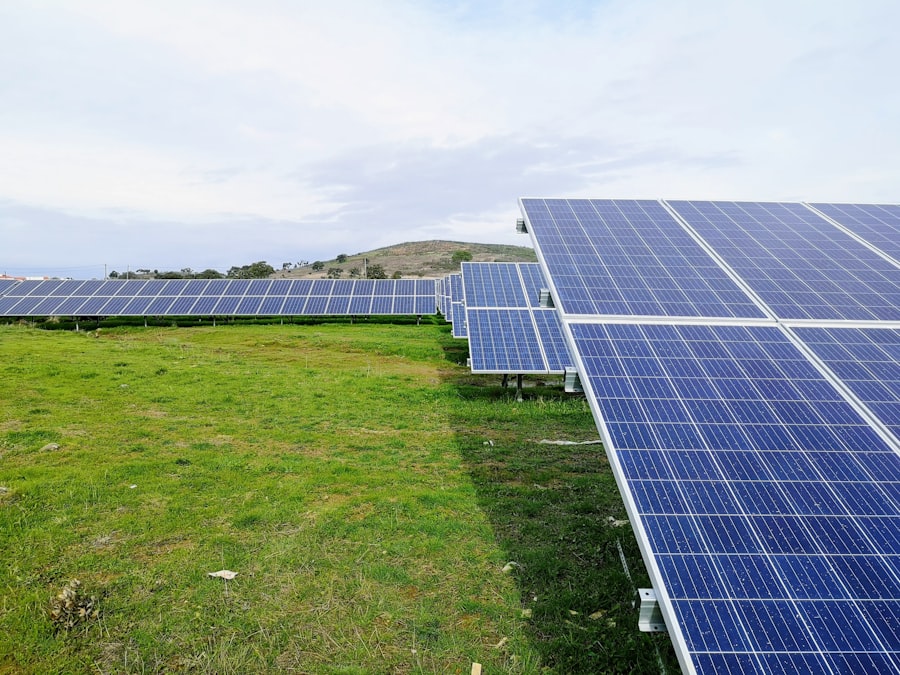
Modeling the physical processes that lead to extreme solar events is essential for understanding their underlying mechanisms and for predictive purposes. Several theoretical frameworks aim to describe the energy accumulation, instability, and subsequent release of energy in solar active regions.
Magnetic Reconnection Models
Magnetic reconnection is widely considered the primary mechanism responsible for the explosive energy release in flares and the driving force behind CMEs. Various models describe different regimes of reconnection, from slow, continuous processes to rapid, dynamic events.
Sweet-Parker Model and Beyond
The classical Sweet-Parker model describes a relatively slow reconnection rate. However, observations of flares and CMEs suggest much faster rates. More advanced models, such as the Petschek model and models incorporating turbulence and kinetic effects, aim to explain these accelerated reconnection rates. These models explore how micro-instabilities and plasma properties can dramatically enhance the efficiency of magnetic energy conversion.
Three-Dimensional Reconnection Scenarios
The Sun’s magnetic field is inherently three-dimensional. Therefore, understanding reconnection in 3D configurations is crucial. These models consider complex magnetic topologies, such as null points and separatrices, where reconnection can occur and lead to significant energy release. The formation of plasmoids and their dynamic behavior during reconnection are also active areas of research.
Instability Models in Solar Magnified Configurations
Beyond simple reconnection, the dynamic evolution of magnetic configurations can become unstable, leading to explosive events. These instabilities can be driven by various factors, including the build-up of magnetic flux, the emergence of new flux, and changes in the overlying magnetic field.
Ideal MHD Instabilities
Ideal Magnetohydrodynamic (MHD) instabilities, such as kink and sausage instabilities, can occur in twisted magnetic flux ropes. These instabilities can lead to the eruption of these ropes from the solar surface, forming the basis for many CME events. Understanding the conditions under which these instabilities are triggered is key to predicting CME onset.
Non-Ideal MHD Effects and Turbulence
Non-ideal MHD effects, including resistivity, viscosity, and turbulence, play a significant role in the dynamics of the solar plasma and can influence the onset and evolution of instabilities. Turbulence, in particular, can act as a catalyst for magnetic reconnection and can lead to more chaotic and energetic events.
Observing and Forecasting Upper Range Events
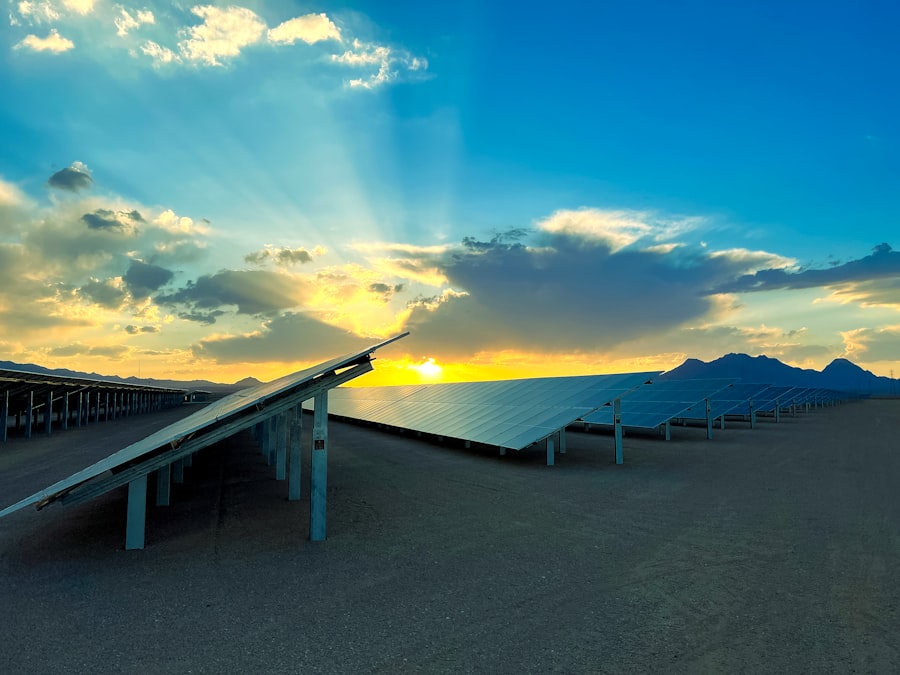
Continuous monitoring of the Sun is essential for detecting and characterizing extreme events. This requires a sophisticated network of ground-based and space-based observatories, coupled with advanced data analysis techniques and predictive models.
Space-Based Solar Observatories
A suite of space-based observatories provides crucial data on solar activity. These include instruments that observe the Sun across the electromagnetic spectrum, from radio waves to gamma rays, as well as those that track CMEs and their associated particle emissions.
SOHO, STEREO, SDO, and Parker Solar Probe
The Solar and Heliospheric Observatory (SOHO), the Solar Terrestrial Relations Observatory (STEREO), the Solar Dynamics Observatory (SDO), and the Parker Solar Probe represent key missions that have revolutionized our understanding of the Sun. SDO, in particular, provides high-resolution, continuous imagery of the Sun’s surface and atmosphere, enabling detailed studies of active regions and flare development. The Parker Solar Probe is venturing closer to the Sun than any previous mission, providing in-situ measurements of the solar wind and magnetic field in regions previously inaccessible.
Ground-Based Observatories and Networks
Ground-based telescopes play a vital role in observing solar phenomena, complementing space-based missions. These include facilities for observing the Sun in visible light, radio waves, and for monitoring the heliosphere.
Radio Astronomy and Magnetometry
Radio telescopes can detect emissions associated with energetic particles accelerated during flares and CMEs, providing insights into the acceleration processes. Ground-based magnetometers are crucial for observing changes in Earth’s magnetic field, which are often a direct consequence of solar activity.
The Challenge of Predictive Modeling
Predicting the occurrence, intensity, and trajectory of extreme solar events remains a significant scientific challenge. While progress has been made in forecasting moderate space weather, predicting the most powerful events with high accuracy is still an area of active research.
Empiricism vs. Physics-Based Models
Current forecasting often relies on a combination of empirical models, which extrapolate from past observations, and physics-based models, which attempt to simulate the underlying physical processes. Physics-based models offer the potential for more fundamental predictions but are computationally intensive and require accurate input data.
The Role of Machine Learning and AI
Machine learning and artificial intelligence are increasingly being applied to solar physics data. These techniques can identify complex patterns and correlations that may be missed by traditional methods, potentially leading to improved forecasting capabilities for extreme events.
Recent studies have explored the intriguing aspects of solar behavior, particularly focusing on the upper range limits of solar activity and its implications for space weather. A related article discusses how understanding these limits can help scientists predict solar flares and their potential impact on Earth. For more insights on this topic, you can read the full article here. This research is crucial for developing better forecasting models that can protect our technology and infrastructure from solar-induced disruptions.
Implications of Upper Range Events
| Metric | Upper Range Limit |
|---|---|
| Solar Irradiance | 1361 Watts per square meter |
| Solar Panel Efficiency | 22% |
| Solar Cell Temperature | 65°C |
The consequences of extreme solar behavior are far-reaching, impacting technological infrastructure, human health, and even the long-term evolution of the solar system. Understanding these implications is crucial for developing robust mitigation strategies and for inspiring further research.
Space Weather Impacts on Technology
Severe space weather events, driven by extreme flares and CMEs, can have significant disruptive effects on modern technological systems. The energetic particles and plasma can damage satellites, disrupt communication and navigation systems, lead to power grid blackouts, and pose risks to astronauts and air travelers.
Satellite Vulnerability and Radiation Hazards
Satellites are particularly vulnerable to energetic particles and enhanced radiation levels. These can degrade electronic components, cause temporary malfunctions, or lead to permanent damage. The increased radiation exposure in the upper atmosphere poses a significant risk for airline passengers and crew on polar routes during intense solar events.
Power Grids and Geomagnetically Induced Currents
Geomagnetically Induced Currents (GICs), created by rapid changes in Earth’s magnetic field during geomagnetic storms, can flow through long conductors like power lines. These currents can overload power transformers, leading to widespread blackouts. The physical resilience of existing power grids to exceptionally strong GICs is a concern.
Biological and Societal Ramifications
While direct biological harm from solar flares and CMEs on Earth’s surface is minimal due to the protection of the atmosphere and magnetosphere, indirect effects can be substantial.
Long-Term Radiation Exposure and Risk Assessment
For long-duration space missions or future lunar or Martian bases, understanding the risks associated with chronic exposure to solar energetic particles is critical. This requires accurate modeling of particle fluxes and the development of effective shielding strategies.
Economic and Political Stability
The disruption of critical infrastructure, such as communication networks and financial systems, caused by extreme space weather events can have significant economic and political ramifications. The cascading effects of widespread technological failure could challenge societal stability.
Future Directions and Unanswered Questions
Despite significant advancements, numerous questions remain regarding the upper range limits of solar behavior. Ongoing research aims to refine our understanding of these extreme events and to improve our ability to predict and mitigate their impacts.
Simulating Extreme Event Generation
Developing more sophisticated computational models that can accurately simulate the processes leading to extreme flares and CMEs is a priority. This includes incorporating more realistic representations of magnetic field complexity, plasma physics, and turbulence.
Bridging the Gap Between Observation and Simulation
A key challenge is to bridge the gap between detailed observational data and the ability of theoretical models to reproduce these observations. Achieving this requires improved input data for models and more advanced validation techniques.
Enhancing Predictive Capabilities
The ultimate goal is to achieve reliable, long-term forecasting of extreme solar events. This involves developing new prediction algorithms, integrating data from multiple observatories, and leveraging advances in artificial intelligence.
Early Warning Systems and Space Weather Services
The development of robust early warning systems and comprehensive space weather services is crucial for enabling industries and governments to prepare for and respond to impending solar threats. This requires effective communication of scientific uncertainties and risk assessments to stakeholders.
Exploring the Edge of the Observable Universe
While our current observations provide a glimpse into the upper limits of solar behavior, it is possible that even more extreme events occur that lie beyond our current detection capabilities or that are representative of different stellar populations. Continued exploration of stellar physics and the study of other stars can provide context for our understanding of our own Sun’s extreme potential. Understanding the full spectrum of stellar activity, from quiescent stars to those experiencing superflares, can offer valuable comparative insights.
In conclusion, the exploration of the upper range limits of solar behavior—flares, CMEs, and other energetic phenomena—is a multifaceted scientific endeavor. It requires a deep understanding of the Sun’s magnetic field, plasma dynamics, and fundamental physics. Continuous observational efforts, coupled with sophisticated theoretical modeling and the application of advanced computational techniques, are essential for pushing the boundaries of our knowledge and for developing the predictive capabilities needed to navigate the challenges posed by these powerful cosmic events. The pursuit of this knowledge is not only foundational to our understanding of stellar evolution but is also critical for safeguarding our increasingly technology-dependent civilization.
FAQs
What is the upper range limit of solar behavior?
The upper range limit of solar behavior refers to the maximum level of solar activity that can be observed, such as solar flares, sunspots, and solar wind intensity.
How is the upper range limit of solar behavior measured?
The upper range limit of solar behavior is measured using various instruments and techniques, including solar telescopes, satellites, and ground-based observatories. Scientists also use data from historical records to study long-term solar behavior.
What are the potential impacts of exceeding the upper range limit of solar behavior?
Exceeding the upper range limit of solar behavior can lead to increased solar radiation, geomagnetic storms, and disruptions to satellite communications, power grids, and GPS systems. It can also pose risks to astronauts and airline passengers at high altitudes.
How do scientists monitor and predict solar behavior upper range limits?
Scientists monitor and predict solar behavior upper range limits using a combination of observational data, computer models, and statistical analysis. They also study the sun’s magnetic field, solar cycles, and other factors that influence solar activity.
What are some ongoing research efforts related to understanding solar behavior upper range limits?
Ongoing research efforts related to understanding solar behavior upper range limits include studying the sun’s magnetic field, solar flares, and coronal mass ejections. Scientists are also developing new technologies to improve solar monitoring and prediction capabilities.