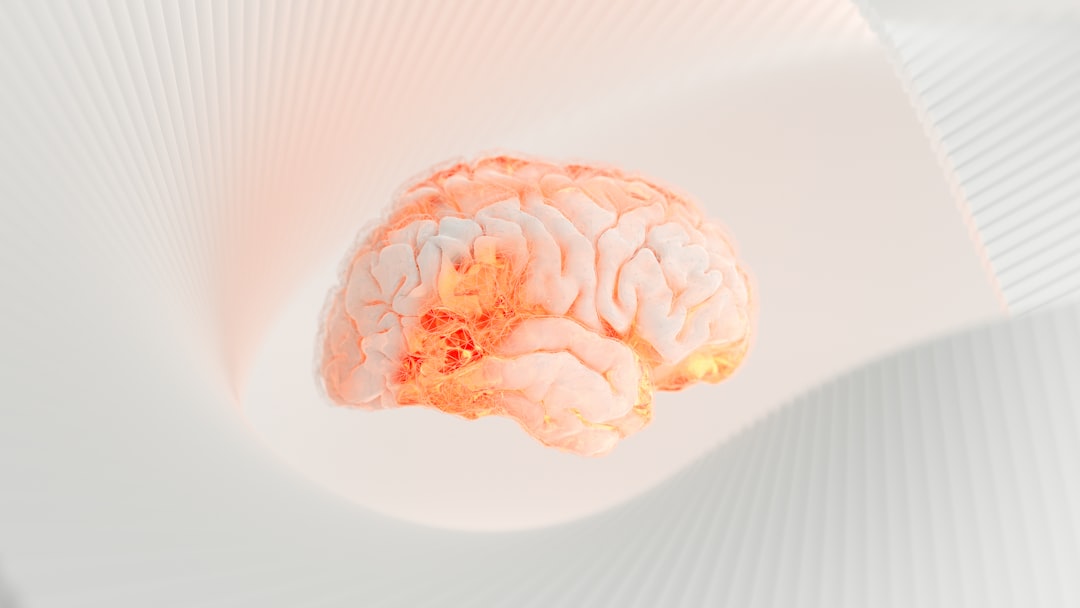
You possess a universe. It is not one of stars and galaxies, but of electrochemical impulses and intricate neural pathways. This is the universe within your brain, a landscape of unimaginable complexity and profound mystery, and this exploration delves into its fundamental workings, not with awe-struck pronouncements, but with a focused examination of its architecture, function, and potential.
Consider your brain not as a monolithic entity, but as a meticulously engineered construct. Its fundamental building blocks are neurons, billions of them, each acting as a miniature communication hub. These neurons are connected by synapses, junction points where they transmit signals, forming an intricate network that underpins every thought, feeling, and action you experience.
The Cerebral Cortex: The Seat of Sophistication
The most prominent feature of your brain is the cerebral cortex, the wrinkled outer layer responsible for your higher-level cognitive functions. It’s divided into four lobes, each with specialized roles, though their activities are highly integrated.
The Frontal Lobe: The Executive Command Center
This part of your brain, located at the front, is your primary executive. It’s crucial for planning, decision-making, problem-solving, working memory, and your ability to regulate your behavior. When you analyze a situation, formulate a strategy, or choose to restrain an impulse, your frontal lobe is hard at work. It’s what allows you to delay gratification and work towards long-term goals. Think of it as your internal CEO, constantly assessing information and directing operations.
Prefrontal Cortex: The Pinnacle of Planning
Within the frontal lobe lies the prefrontal cortex, considered the most evolved part of the human brain. This area is critical for abstract thought, personality expression, moderating social behavior, and determining appropriate behavior. Damage to this region can result in significant changes in personality and decision-making capabilities.
Motor Cortex: The Executor of Movement
Adjacent to the prefrontal cortex, the motor cortex is responsible for initiating and controlling voluntary movements. Your conscious decisions to move your arms, speak, or even blink originate here.
The Parietal Lobe: The Sensory Integrator
Situated behind the frontal lobe, the parietal lobe processes sensory information from your body, including touch, temperature, pain, and pressure. It also plays a role in spatial awareness, navigating your environment, and understanding numbers.
Somatosensory Cortex: Mapping Your Body
This region receives and processes sensory input from the skin, muscles, and joints, allowing you to feel the sensation of touch and perceive the position of your limbs.
Spatial Navigation and Perception
The parietal lobe is essential for creating a mental map of your surroundings and understanding how objects relate to each other in space. This enables you to reach for a cup or walk through a crowded room without constant conscious effort.
The Temporal Lobe: The Auditory and Memory Hub
Located below the lateral fissure, the temporal lobe is primarily involved with processing auditory information, language comprehension, and memory formation.
Auditory Cortex: Decoding Sound
This area is where incoming sound is processed, allowing you to distinguish between different sounds, recognize speech, and understand music.
Hippocampus: The Gateway to Memory
Deep within the temporal lobe, the hippocampus is crucial for forming new long-term memories. It acts as a temporary holding area for information before it’s consolidated into more permanent storage elsewhere in the brain.
The Occipital Lobe: The Visual Processor
At the back of your brain, the occipital lobe is dedicated to processing visual information. It receives input from your eyes and translates it into the images you see.
Visual Cortex: Interpreting Light
This area analyzes lines, shapes, colors, and movement, allowing you to perceive the visual world around you.
The Cerebellum: The Maestro of Movement and Coordination
Beneath the occipital lobe and at the rear of the brain sits the cerebellum, often referred to as the “little brain.” While smaller than the cerebrum, it is packed with neurons and plays a vital role in coordinating voluntary movements, maintaining posture, balance, and motor learning. It refines and smooths out movements initiated by the cerebral cortex.
The Brainstem: The Life Support System
Connecting the cerebrum and cerebellum to the spinal cord is the brainstem. This ancient part of your brain controls essential life functions that operate automatically, without your conscious thought.
Medulla Oblongata: The Autonomic Administrator
This section controls vital functions such as breathing, heart rate, and blood pressure. It’s a critical component for survival.
Pons: The Relay Station
The pons acts as a bridge, relaying signals between the cerebrum and the cerebellum. It also plays a role in sleep cycles and respiration.
Midbrain: The Sensory and Motor Integrator
The midbrain is involved in basic visual and auditory reflexes, as well as motor control. It’s a crucial link for sensory information to reach higher brain centers.
In exploring the fascinating concept that “Your Brain is the Universe,” one can delve deeper into the interconnectedness of consciousness and the cosmos by reading a related article on the subject. This article discusses how our understanding of the brain’s complexities can mirror the vastness of the universe, offering insights into both neuroscience and astrophysics. For more information, you can check out the article here: Your Brain is the Universe.
The Functional Symphony: How Your Brain Works
Understanding the structures of your brain is merely the first step. The true marvel lies in how these components work together in a dynamic and interconnected fashion.
Neurotransmission: The Language of Neurons
The communication between neurons occurs via chemical messengers called neurotransmitters. When a neuron receives a signal, it releases these chemicals across the synapse to influence the next neuron. Different neurotransmitters have different effects.
Excitatory vs. Inhibitory Neurotransmitters
Some neurotransmitters, like glutamate, excite neurons, making them more likely to fire. Others, like GABA, inhibit neurons, making them less likely to fire. This delicate balance is crucial for proper brain function.
Key Neurotransmitters and Their Roles
- Dopamine: Associated with reward, motivation, and pleasure. It plays a role in learning and motor control.
- Serotonin: Influences mood, sleep, appetite, and digestion. Imbalances are linked to depression and anxiety.
- Acetylcholine: Crucial for muscle contraction, learning, and memory.
- Norepinephrine: Involved in attention, alertness, and the “fight-or-flight” response.
Neural Networks: The Power of Connection
Neurons don’t operate in isolation; they form vast, interconnected networks. The strength and pattern of these connections are constantly being modified, a process known as neuroplasticity.
Synaptic Plasticity: Learning and Memory Embodied
When you learn something new, the synapses between specific neurons strengthen, making communication between them more efficient. This is the basis of learning and memory formation. Conversely, rarely used connections can weaken.
Experience-Dependent Wiring
Your brain is not pre-programmed with all its wiring; experience shapes and refines these neural pathways throughout your life. This is why repeated practice of a skill leads to improved performance.
Brain Waves: The Rhythms of Your Mind
The electrical activity of your brain can be measured as brain waves, which vary in frequency and amplitude. These patterns are associated with different states of consciousness and cognitive activity.
Alpha Waves: Relaxed Alertness
Present when you are awake but relaxed, often with your eyes closed.
Beta Waves: Active Thinking and Concentration
Associated with focused attention, problem-solving, and active engagement with your environment.
Theta Waves: Drowsiness and Deep Meditation
Occur during the transition between wakefulness and sleep, and during deep meditative states.
Delta Waves: Deep Sleep
The slowest brain waves, characteristic of deep, restorative sleep.
The Brain’s Adaptation: Neuroplasticity and Learning
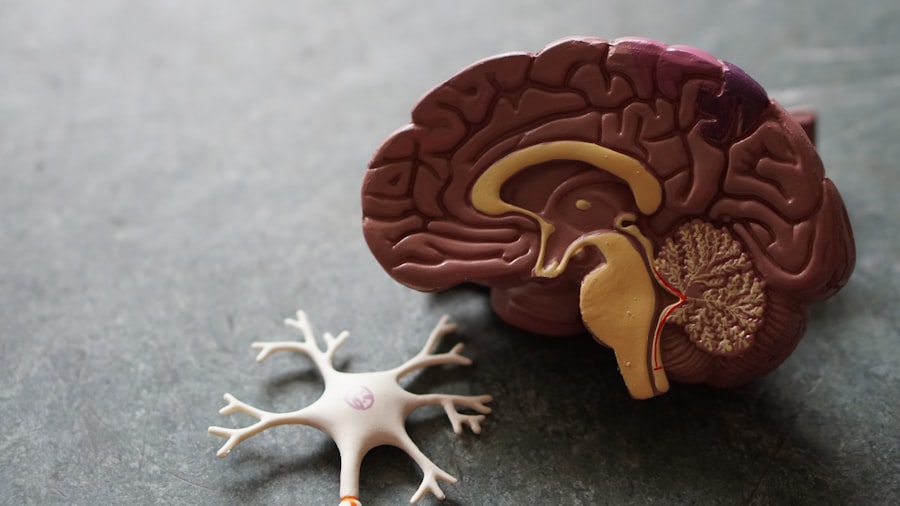
Your brain is not a static organ; it possesses a remarkable ability to change and adapt in response to new experiences, learning, and even injury. This concept of neuroplasticity is fundamental to understanding how you acquire new skills and recover from damage.
How Learning Rewires Your Brain
When you learn a new skill, whether it’s playing an instrument, speaking a new language, or mastering a complex mathematical concept, specific neural pathways are strengthened and new connections are formed. This physical rewiring allows for faster and more efficient processing of related information.
Skill Acquisition: A Journey of Repetition
The more you practice a skill, the more automatic and ingrained it becomes. This is because the relevant neural networks become more robust and efficient through repeated activation. Think of learning to ride a bike; initially, it requires immense conscious effort, but with practice, it becomes almost instinctual.
Memory Formation: Encoding and Consolidation
The process of forming memories involves encoding, where information is first registered, and then consolidation, where these memories become stable and long-lasting. This often involves interaction between the hippocampus and other cortical areas.
Recovery from Brain Injury: A Testament to Resilience
Neuroplasticity is also the basis for recovery after brain injuries, such as strokes or traumatic brain injuries. While some damage may be permanent, the brain can, to some extent, reorganize itself and reroute functions to uninjured areas.
Functional Reorganization
Surviving neurons can take over the functions of damaged ones, or entirely new networks can develop to compensate for lost abilities. This is why rehabilitation therapies are so crucial after a neurological event.
The Role of Rehabilitation
Therapies like physical, occupational, and speech therapy are designed to stimulate and guide this process of functional reorganization, helping individuals regain lost skills and adapt to their limitations.
The Information Superhighway: Sensation and Perception

Your brain is constantly bombarded with information from your senses. The remarkable feat is not just receiving this input, but interpreting and making sense of it to create your conscious experience of the world.
Sensory Input: The Raw Data
Your five primary senses – sight, hearing, touch, taste, and smell – provide your brain with a constant stream of raw data about your environment. These sensory organs are equipped with specialized receptors that detect specific stimuli.
Vision: Capturing Light
The eyes capture light, which is then converted into electrical signals by photoreceptor cells in the retina. These signals are transmitted via the optic nerve to the visual cortex for processing.
Audition: Vibrations as Sound
The ears detect sound waves, which cause the eardrum to vibrate. These vibrations are amplified and transmitted to the inner ear, where they are converted into electrical signals.
Somatosensation: Feeling Your World
Touch receptors in your skin, muscles, and joints provide information about pressure, temperature, pain, and body position.
Olfaction and Gustation: The Chemical Detectors
The senses of smell and taste detect chemical compounds in the air and food, contributing to your experience of flavor and warning you of potential dangers.
Perception: Constructing Reality
Perception is the process by which your brain organizes and interprets sensory information to create a meaningful representation of the world. This is not a passive process; your brain actively constructs your reality.
Top-Down vs. Bottom-Up Processing
- Bottom-up processing starts with the raw sensory data and builds up to a complete perception.
- Top-down processing uses your existing knowledge, expectations, and context to interpret sensory information. For example, you can read slightly misspelled words because your brain anticipates the likely words based on the context.
Illusions: When Perception Deceives
Optical illusions highlight the interpretative nature of perception. They demonstrate how your brain can sometimes construct a reality that differs from objective sensory input, revealing the biases and assumptions inherent in your perceptual systems.
In exploring the fascinating concept that our brain may mirror the universe, readers might find it intriguing to delve into a related article that discusses the intricate connections between consciousness and cosmic phenomena. This article offers insights into how our understanding of the universe can shape our perception of reality, much like the ideas presented in “Your Brain is the Universe.” For more on this captivating topic, you can read the full article here.
Maintaining Your Inner Universe: Health and Well-being
| Metrics | Data |
|---|---|
| Number of neurons in the brain | Approximately 86 billion |
| Weight of the human brain | Average of 3 pounds (1.4 kilograms) |
| Brain’s processing speed | Estimated at 60 bits per second |
| Brain’s energy consumption | Accounts for about 20% of the body’s total energy usage |
Just as you take care of your physical body with nutrition and exercise, your brain requires attention to maintain its optimal functioning. Understanding the factors that influence brain health is crucial for long-term cognitive well-being.
The Impact of Lifestyle on Brain Function
Your daily choices have a profound impact on the health and efficiency of your brain.
Sleep: Essential for Repair and Consolidation
Adequate sleep is not merely a period of inactivity; it’s a crucial time for the brain to clear waste products, consolidate memories, and repair cellular damage. Chronic sleep deprivation impairs cognitive functions, including attention, memory, and decision-making.
Nutrition: Fueling Your Brain
Your brain requires a consistent supply of nutrients to function effectively. A balanced diet rich in omega-3 fatty acids, antioxidants, and vitamins is essential for neuronal health and cognitive performance. Processed foods and excessive sugar can have detrimental effects.
Physical Activity: Boosting Brain Blood Flow
Regular exercise increases blood flow to the brain, delivering vital oxygen and nutrients. It also promotes the release of neurotrophic factors that support the growth and survival of neurons.
Stress Management: Protecting Against Damage
Chronic stress releases cortisol, a hormone that can be toxic to brain cells, particularly in the hippocampus, which is vital for memory. Effective stress management techniques are therefore essential for preserving brain health.
Cognitive Engagement: Challenging Your Mind
Keeping your brain actively engaged can contribute to cognitive reserve and potentially slow down age-related cognitive decline.
Learning New Things: Cultivating Plasticity
Engaging in activities that require learning and problem-solving, such as learning a new language, taking up a new hobby, or playing challenging games, stimulates neural pathways and promotes neuroplasticity.
Social Interaction: Stimulating Various Brain Regions
Meaningful social interactions engage multiple areas of the brain, from language processing to emotional regulation. Consistent social engagement is linked to better cognitive health.
Your brain is a universe of unfathomable complexity, continuously shaping and reshaping itself. By understanding its architecture, the intricate symphony of its functions, and the profound impact of your lifestyle choices, you can cultivate a deeper appreciation for this remarkable organ and actively contribute to its ongoing health and vital exploration.
FAQs
What is the concept of “Your Brain is the Universe”?
The concept of “Your Brain is the Universe” suggests that the human brain and the universe share similar patterns and structures, and that the brain may be a microcosm of the universe itself.
How are the human brain and the universe connected?
The connection between the human brain and the universe is based on the idea that both exhibit similar patterns and structures, such as networks, connections, and complex systems. This concept is often explored in the fields of neuroscience, physics, and philosophy.
What are some implications of the “Your Brain is the Universe” concept?
Some implications of this concept include the potential for a deeper understanding of the human brain and the universe, as well as the exploration of consciousness, perception, and the nature of reality. It also raises questions about the interconnectedness of all things.
How is the “Your Brain is the Universe” concept relevant to scientific research?
This concept is relevant to scientific research as it encourages interdisciplinary collaboration between fields such as neuroscience, physics, and philosophy. It also prompts scientists to explore new perspectives on the nature of the brain and the universe.
What are some criticisms of the “Your Brain is the Universe” concept?
Some criticisms of this concept include the potential for overgeneralization and the risk of drawing unfounded conclusions about the nature of the brain and the universe. Critics also argue that the concept may veer into metaphysical or speculative territory.