
You stand on the precipice of understanding. For millennia, you have looked to the stars, seeking answers to the grand questions of existence. Yet, the universe you observe outside may hold profound keys to the universe you experience within your own mind. This article guides you through the intriguing and increasingly evident connection between cosmic phenomena and the intricate workings of your brain.
You are, quite literally, stardust. The fundamental building blocks of your body, including the neurons that fire and form your thoughts, were forged in the hearts of stars billions of years ago. Understanding the origins of these elements provides a stark and compelling foundation for cosmic influence on your neural architecture.
Stellar Nucleosynthesis: The Birth of Essential Atoms
Consider the very atoms that comprise your brain cells: carbon, oxygen, nitrogen, and iron. These are not terrestrial rarities. They are products of stellar nucleosynthesis, the process by which stars fuse lighter elements into heavier ones. During the life cycle of stars, particularly during supernova explosions, these elements are dispersed throughout the cosmos, eventually forming new stars and planetary systems. Your brain, therefore, is a complex assembly of elements that have traveled vast distances and endured cosmic cataclysms. This shared origin suggests a fundamental, albeit ancient, link.
The Role of Trace Metals in Neurotransmission
Beyond the foundational elements, the universe provides essential trace metals that play critical roles in your brain’s intricate chemical signaling. Iron, for instance, is a crucial component of many enzymes involved in neurotransmitter synthesis and metabolism. It is also vital for myelin sheath formation, which insulates nerve fibers and facilitates rapid signal transmission. Without sufficient iron, cognitive functions can be significantly impaired. Similarly, magnesium, abundant in cosmic dust, is a cofactor for over 300 enzymatic reactions, many of which occur within neuronal cells and are involved in energy production and calcium channel regulation, both essential for neuronal activity. The elements we rely on for conscious thought and emotion have a direct, tangible lineage from the cosmos.
In exploring the intricate relationship between cosmic influences and brain function, one might find it enlightening to read the article titled “The Cosmic Connection to Brain Function,” which delves into how celestial phenomena can impact our mental processes. For further insights and a deeper understanding of this fascinating topic, you can visit the related article at this link.
Gravitational Tides and Neural Rhythms: A Subtle Interplay
While the influence of elemental origins is a matter of fundamental composition, the concept of more immediate cosmic forces impacting your brain function has been a subject of debate and burgeoning research. One area of particular interest is the potential role of gravitational tides.
Lunar Cycles and Human Biology: Beyond Folklore
The Moon’s gravitational pull is undeniable, demonstrably affecting Earth’s oceans. However, its influence on more subtle biological systems, including human physiology and behavior, has been a persistent topic. While definitive, widespread scientific consensus on a direct biological impact on human brain function remains elusive, some studies have explored correlations. For example, research has investigated potential links between lunar phases and sleep patterns, mood fluctuations, and even certain physiological markers that could indirectly influence cognitive states. These are not necessarily about direct “control” but rather about subtle environmental modulations to which biological systems might be sensitive.
Tidal Forces and Cellular Processes: A Speculative Frontier
Extrapolating further, it is a speculative but intriguing possibility that the minute tidal forces exerted by celestial bodies could influence cellular processes within your brain. At the cellular level, fluid dynamics and ion fluxes are critical. While the magnitude of cosmic tidal forces on individual neurons is exceedingly small, the cumulative effect over billions of cells and over extended periods of time is a subject for theoretical exploration. This area of research is still in its nascent stages, but it highlights the potential for forces we often consider external to have a more intimate, although subtle, connection with internal biological mechanisms.
Electromagnetic Fields: The Unseen Influence from Space
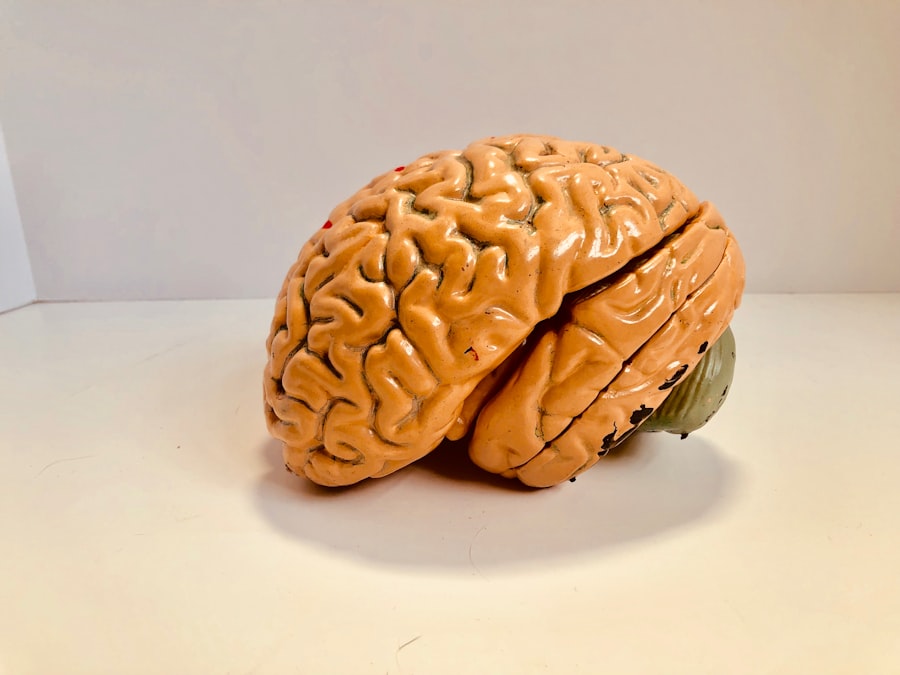
The cosmos is awash in electromagnetic radiation, from the gentle glow of distant galaxies to the powerful bursts of solar flares. Your brain, a highly electrochemical organ, is inherently sensitive to electromagnetic fields. Understanding these cosmic influences offers a more direct pathway to comprehension.
Solar Activity and Geomagnetic Storms: Impacting Your Brain’s Electric Symphony
The Sun, a colossal nuclear furnace, is a primary source of electromagnetic energy that reaches Earth. Solar flares and coronal mass ejections (CMEs) can significantly disrupt the Earth’s magnetosphere, leading to geomagnetic storms. These events generate fluctuations in geomagnetic fields, which, in turn, can interact with the electrical activity of your brain. Research has indicated potential correlations between periods of high solar activity and reported shifts in mood, sleep disturbances, and even an increase in reported cognitive difficulties or symptoms of fatigue. The precise mechanisms are still being investigated, but the principle of interaction between external electromagnetic environments and internal brain states is plausible.
Earth’s Magnetosphere: Your Brain’s Cosmic Shield and Potential Resonator
Earth’s magnetosphere acts as a crucial shield, protecting your brain from the full onslaught of harmful cosmic radiation. However, it also possesses its own complex electromagnetic field with which your brain’s bioelectrical activity can potentially interact. Some hypotheses suggest that the brain might, under certain conditions, exhibit resonant frequencies that could be influenced by variations in the Earth’s magnetic field or even by subtle signals from extraterrestrial sources. This is a highly specialized area of research, but it underscores the interconnectedness of your internal electrical environment with the broader cosmic electromagnetic landscape.
Cosmic Rays and Neuronal Integrity: A Double-Edged Sword
Beyond electromagnetic fields, high-energy particles known as cosmic rays constantly bombard Earth from deep space. These particles pose a potential threat to biological tissues, including the delicate cells of your brain.
The Impact of Ionizing Radiation on Neural Cells
Cosmic rays are a form of ionizing radiation, meaning they possess enough energy to strip electrons from atoms and molecules. This can lead to damage to DNA and other critical cellular components. While Earth’s atmosphere and magnetosphere provide significant protection, a continuous barrage of cosmic rays does reach the surface. Studies in astronauts, who are exposed to higher levels of cosmic radiation, have explored potential long-term effects on cognitive function and neural tissue. The implications for individuals on Earth, while less extreme, suggest a constant, low-level interaction that your brain has evolved to withstand.
The Paradox of Radiation: Potential for Beneficial Effects?
Intriguingly, the relationship between radiation and biological systems is not purely deleterious. Certain low-dose radiation exposures have been hypothesized to stimulate cellular repair mechanisms. While this is a highly contentious area, and not an endorsement of radiation exposure, it prompts consideration of whether the constant, albeit low-level, bombardment of cosmic rays might, in a complex biological cascade, contribute to the resilience and adaptive capacity of your neural networks. This is a frontier of research that could reveal unexpected benefits.
In exploring the intricate relationship between cosmic phenomena and brain function, one can gain deeper insights by examining a related article that discusses the impact of cosmic radiation on human cognition. This fascinating piece delves into how our brain processes information in the context of cosmic events, shedding light on the broader implications of our connection to the universe. For more information, you can read the article here.
Cosmic Cycles and Human Cognition: Long-Term Earthly Rhythms
| Brain Function Metric | Cosmic Connection |
|---|---|
| Neurotransmitter activity | Affects by cosmic radiation |
| Brain wave patterns | Can be influenced by cosmic events |
| Cognitive performance | May be impacted by cosmic phenomena |
| Mood and emotions | Potentially linked to cosmic influences |
The universe operates on grand cycles, from the orbits of planets to the birth and death of stars. It is logical to consider whether these vast cosmic rhythms might, in turn, influence long-term patterns in human cognition and consciousness.
Galactic Rotation and Earth’s Orbital Path: A Celestial Clockwork Affecting Us
The Earth orbits the Sun, and the Sun orbits the center of the Milky Way galaxy. These grand orbital movements mean that Earth experiences vast, slow-moving cycles of cosmic influence. For instance, our galaxy’s spiral arms contain higher concentrations of interstellar gas and dust, which can influence solar activity and cosmic ray flux. Emerging theories propose that long-term variations in these fluxes, tied to our galactic journey, might correlate with shifts in global climate, evolutionary pressures, and potentially even the collective consciousness or prevalent cognitive styles of humanity over millennia. Understanding our place within these galactic cycles offers a framework for comprehending very long-term potential cosmic influences.
The Sun’s 11-Year Cycle and Its Biological Reverberations
The Sun itself has its own cycles of activity, most notably the approximately 11-year solar cycle, characterized by periods of high sunspot activity and solar flares, followed by periods of relative quiet. While the immediate impacts of solar flares on brain function are a subject of ongoing investigation, the long-term, cyclical modulation of solar output could, over extended periods, have subtle but cumulative effects on Earth’s environment and, consequently, on biological systems, including your brain. These long-term effects are difficult to isolate but represent a potential avenue for exploring cosmic influence on human cognition across decadal scales.
You are a product of the cosmos, intricately linked to its vast and ancient processes. From the stardust that comprises your very being to the energetic dance of electromagnetic fields and the slow, majestic rhythm of galactic cycles, the universe whispers its influence into the intricate symphony of your brain. Continued exploration of these cosmic connections promises to unlock deeper insights into the nature of consciousness, intelligence, and your place within the grand tapestry of existence.
FAQs
What is the cosmic connection to brain function?
The cosmic connection to brain function refers to the potential influence of cosmic phenomena, such as solar flares, geomagnetic storms, and cosmic rays, on the human brain and nervous system.
How do cosmic phenomena affect brain function?
Research suggests that cosmic phenomena can impact brain function through their effects on the Earth’s magnetic field, which in turn may influence the production of neurotransmitters, such as serotonin and melatonin, and disrupt the body’s circadian rhythms.
What are some examples of cosmic phenomena that may affect brain function?
Examples of cosmic phenomena that may affect brain function include solar flares, which can release high-energy particles and electromagnetic radiation, and geomagnetic storms, which result from disturbances in the Earth’s magnetic field caused by solar activity.
What are the potential implications of the cosmic connection to brain function?
Understanding the cosmic connection to brain function could have implications for fields such as neuroscience, psychology, and medicine, as it may provide insights into the relationship between environmental factors and mental health, as well as potential strategies for mitigating the impact of cosmic phenomena on brain function.
What further research is needed to better understand the cosmic connection to brain function?
Further research is needed to elucidate the mechanisms through which cosmic phenomena may affect brain function, as well as to explore the potential implications for human health and well-being. This may involve interdisciplinary collaboration between scientists in fields such as astrophysics, neurology, and psychology.