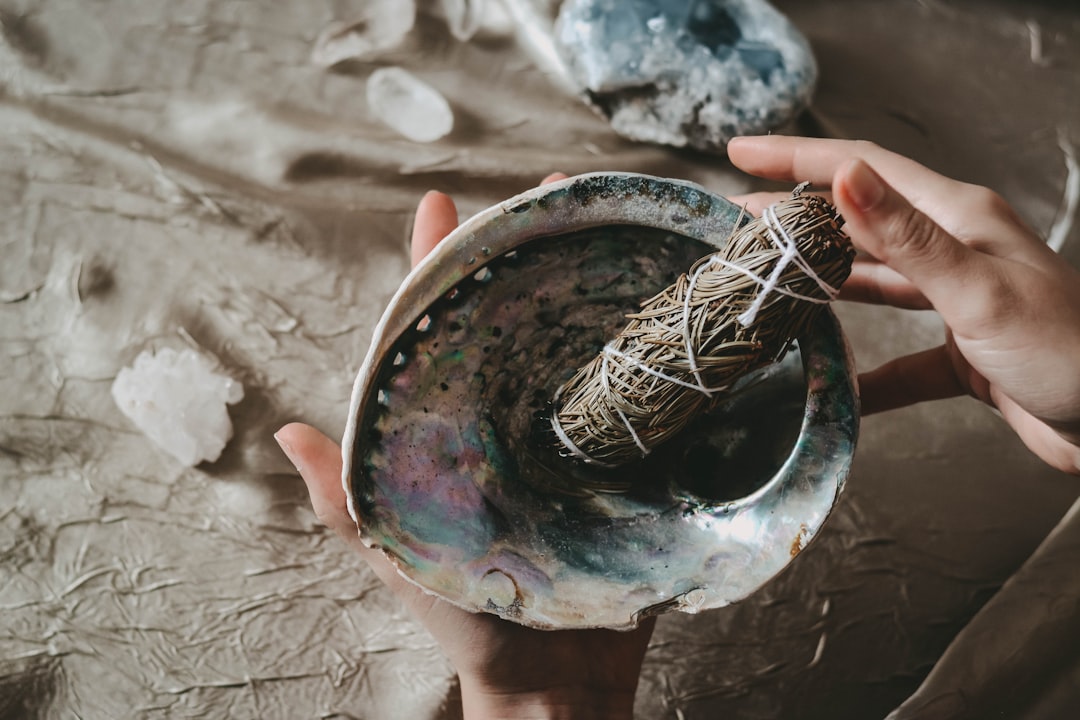
You’re likely familiar with the concept of rituals. You might perform them daily without a second thought, or perhaps you’ve witnessed them in a distant land, observing with a mixture of curiosity and detachment. These deeply ingrained practices, woven into the fabric of cultural traditions, hold a subtle yet profound power. They are not mere repetitive actions; they are carefully constructed narratives, shared experiences, and anchors in a constantly shifting world. Exploring these traditions allows you to understand not just the “how” of a culture, but the “why,” revealing the underlying values, beliefs, and histories that shape a community.
Rituals, at their core, are powerful agents of social cohesion. They provide a shared framework for individuals to interact, reinforcing their sense of belonging to a collective. This connection is not a superficial one; it’s built on shared meaning and common experience.
Birth and Naming Ceremonies: Welcoming New Life, Affirming Identity
Consider the rituals surrounding birth. From the moment of conception, and certainly after a child enters the world, various cultures have established practices to acknowledge and integrate this new life. These can range from elaborate ceremonies involving specific blessings and the bestowal of names to simpler yet equally significant family gatherings. The act of naming itself is a crucial ritual: it assigns an identity and often carries ancestral or spiritual significance. By participating in these ceremonies, you become part of a lineage, your presence signifying your connection to the continuity of the family and community. The shared joy, the expressions of hope for the child’s future, and the intergenerational wisdom imparted all contribute to a powerful sense of shared purpose and belonging. You observe how each gesture, each spoken word, is meticulously chosen to imbue the child with positive energies and to officially welcome them into the fold.
Rites of Passage: Navigating Life’s Transitions
Life is a series of transitions, and rituals are instrumental in guiding individuals through these significant shifts. From childhood to adulthood, marriage, and even death, these rites of passage provide structure and meaning.
Coming-of-Age Ceremonies: Marking the Ascent to Adulthood
The transition from childhood to adulthood is perhaps one of the most universally recognized periods for ritualistic observance. These ceremonies are designed to signal a change in responsibility and social status. You might witness young individuals undergoing tests of endurance, demonstrating their knowledge of cultural lore, or participating in symbolic acts of separation from their childhood selves. These rituals are not about arbitrary hurdles; they are designed to instill discipline, foster self-reliance, and prepare individuals for the roles they will occupy within the community. The collective acknowledgment of their maturity by elders and peers solidifies their new social standing.
Marriage Ceremonies: Binding Individuals, Strengthening Ties
Marriage rituals are diverse, but their underlying purpose often remains the same: to unite two individuals and, by extension, two families or social groups. These ceremonies can involve exchanges of vows, symbolic gifts, the breaking of bread, or elaborate processions. You can see how these events are not just about the couple; they are about reinforcing social structures, forging alliances, and ensuring the continuation of the community. The communal participation in blessing the union and celebrating the new partnership underscores the importance of marriage as a cornerstone of social stability.
Funerary Rites: Honoring the Departed, Comforting the Living
The rituals surrounding death offer solace and closure to those left behind, while simultaneously honoring the memory of the deceased. These can include specific mourning periods, prayers, the preparation of the body, and communal gatherings to share stories and memories. You observe how these practices, though often somber, provide a vital mechanism for processing grief and reaffirming the bonds between the living. They acknowledge the finality of death while emphasizing the enduring impact of the individual on their community.
Rituals play a significant role in human culture, serving as a means of expressing shared beliefs and values. An insightful article that delves into the concept of rituals as field-writing is available at My Cosmic Ventures. This piece explores how rituals not only reflect the cultural narratives of communities but also act as a form of documentation that preserves collective memory and identity across generations. Through various examples, it highlights the intricate relationship between ritual practices and the social fabric they help to weave.
Embodied Meaning: Rituals as Expressions of Belief and Value
Beyond social connection, rituals are potent vehicles for expressing and reinforcing a culture’s deeply held beliefs and values. They translate abstract concepts into tangible actions, making them more accessible and impactful.
Religious and Spiritual Practices: Connecting with the Divine, Understanding the Cosmic Order
Many rituals are inextricably linked to religious or spiritual beliefs. These practices offer individuals a way to connect with higher powers, to seek guidance, and to understand their place in the cosmos.
Prayer and Meditation: Direct Communication and Inner Reflection
You’ll find that prayer, in its many forms, is a ubiquitous ritual across religions. Whether it’s a silent meditation, a spoken invocation, or a communal chant, these acts aim to establish a connection with the divine. These are not merely words; they are expressions of devotion, supplication, and gratitude. Meditation, too, serves a similar purpose, fostering an inward focus that can lead to spiritual insight and a deeper understanding of one’s inner self and its connection to the universe.
Sacrifices and Offerings: Expressing Devotion and Seeking Favor
Historically and in some contemporary traditions, rituals involving sacrifices or offerings are practiced to demonstrate devotion, appease deities, or seek blessings. While the nature of these offerings has evolved, the underlying desire to give something of value to a higher power remains a consistent theme. You can analyze how these acts are not about simple transaction, but about a profound expression of faith and humility.
Pilgrimages and Sacred Journeys: Seeking Spiritual Purity and Enlightenment
The act of undertaking a pilgrimage is a powerful ritual that combines physical exertion with spiritual purpose. These journeys, often to sacred sites, are undertaken to seek forgiveness, enlightenment, or spiritual merit. You can see how the challenges of the journey, the detachment from daily life, and the shared experience with fellow pilgrims all contribute to a transformative process, purifying the individual and deepening their spiritual connection.
Ethical and Moral Teachings: Internalizing Societal Norms and Judicial Processes
Rituals also play a crucial role in conveying and reinforcing a society’s ethical and moral compass, even outside of explicit religious contexts.
Oaths and Vows: Committing to Principles and Responsibilities
The act of taking an oath or making a vow is a deeply ritualistic act designed to bind individuals to a set of principles or responsibilities. Whether it’s an oath of allegiance, a wedding vow, or a promise made to oneself, these pronouncements carry significant weight. You can observe how the formal setting, the witnessing by others, and the carefully chosen words all serve to imbue these commitments with gravity and ensure their solemn observance.
Legal and Judicial Procedures: Upholding Justice and Order
Even seemingly mundane legal and judicial processes often contain ritualistic elements designed to ensure fairness and maintain order. The formal arraignment, the presentation of evidence, the pronouncement of a verdict – these are all structured sequences of actions that lend authority and legitimacy to the pursuit of justice. You can discern how these rituals, while focused on legal outcomes, also serve to reinforce societal values regarding truth, accountability, and consequence.
The Rhythms of Life: Rituals and the Passage of Time
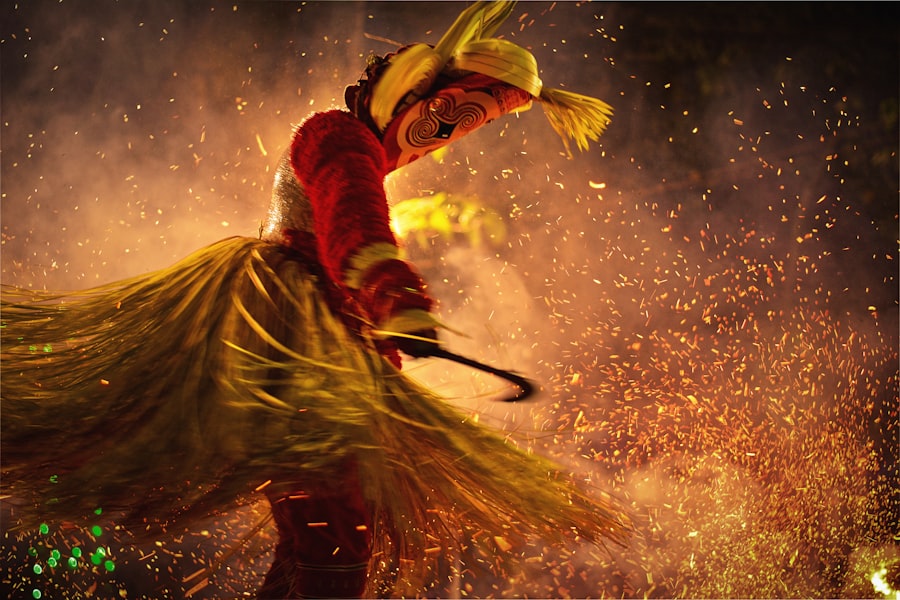
Rituals are intimately connected to the passage of time, marking its progression and providing a framework for understanding its cyclical nature. They help to organize our lives, from the grand sweep of seasons to the individual moments within a lifespan.
Seasonal Festivals: Celebrating Nature’s Cycles and Community Renewal
Across the globe, cultures celebrate seasonal changes through vibrant festivals. These rituals are a way to acknowledge the dependence on natural cycles, to express gratitude for harvests, and to usher in new periods with hope and festivity.
Spring Festivals: Symbolizing Rebirth and New Beginnings
As the earth awakens from winter, spring festivals abound. You can see how these often involve themes of rebirth, fertility, and renewal. Planting ceremonies, the purification of homes, and communal feasts are common. These events are not just about anticipating warmer weather; they are about affirming the cyclical nature of life and the promise of new beginnings.
Harvest Festivals: Expressing Gratitude and Ensuring Future Abundance
The culmination of the agricultural cycle is marked by harvest festivals. These rituals are a time to celebrate the bounty of the earth, to express gratitude for successful crops, and to often engage in practices believed to ensure the land’s continued fertility. You observe how the sharing of food, the storytelling of past harvests, and the expressions of collective relief and joy solidify community bonds and reinforce the importance of sustenance.
Winter Solstice and Equinox Celebrations: Marking Celestial Events and Cosmic Harmony
The solstices and equinoxes, significant astronomical events, have long been the focus of ritualistic observances. These celebrations often mark the turning points of the year, recognizing the interplay of light and darkness, and seeking harmony with celestial rhythms. You can appreciate how these ancient rituals connect humanity to the vastness of the cosmos, fostering a sense of awe and belonging within a grander order.
Daily and Weekly Practices: Establishing Routine and Cultivating Mindfulness
Not all rituals are grand or infrequent. Many of the most impactful are those that are integrated into the fabric of daily or weekly life, providing structure, calming the mind, and fostering a sense of presence.
Morning Routines: Setting the Tone for the Day
Your morning routine, whether you consciously consider it a ritual or not, sets the tone for your entire day. The act of waking, preparing oneself, perhaps engaging in quiet contemplation or a brief form of exercise, establishes a rhythm and a sense of preparedness for the hours ahead. You can see how a mindful approach to these seemingly mundane activities can imbue them with purpose and reduce feelings of being overwhelmed by the day’s demands.
Family Meals: Fostering Connection and Shared Experience
The ritual of sharing a meal, particularly with family, is a cornerstone of many cultures. It’s a time for conversation, for strengthening bonds, and for sharing the day’s experiences. You observe how these gatherings, even when brief, provide a valuable opportunity to connect on a deeper level, reinforcing family ties and creating shared memories.
Weekly Observances: Creating Rhythm and Reflection
Many cultures designate specific days of the week for particular observances, whether religious, social, or personal. The Sabbath, for example, provides a structured period of rest and reflection. Even more secular weekly traditions, like a family movie night or a designated day for chores, can create a predictable rhythm that brings comfort and a sense of order to the week. You can identify how these recurring practices create anchors in time, providing moments for pause and recalibration.
The Power of Symbolism: Rituals as a Language of Meaning
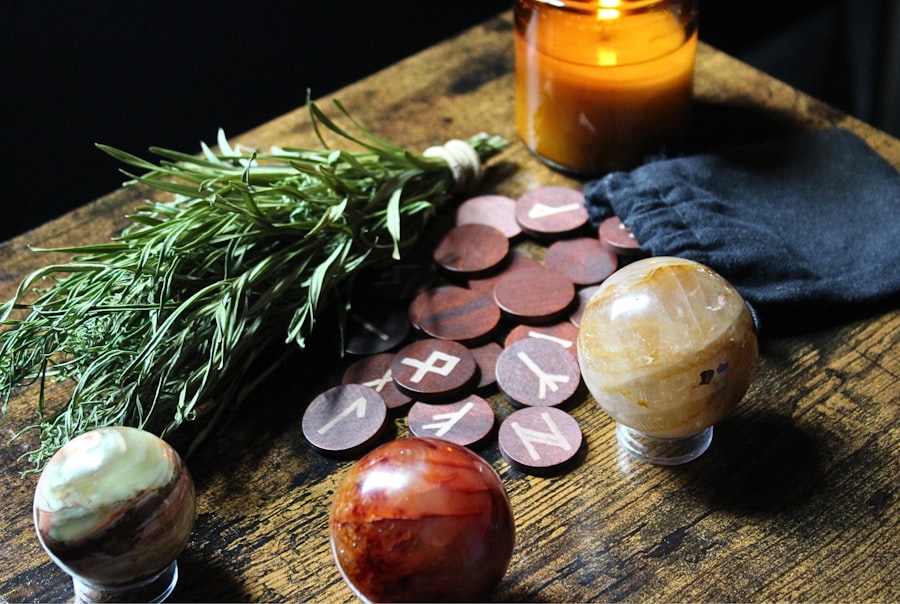
At the heart of every ritual lies symbolism. Objects, gestures, words, and colors are imbued with deeper meanings, allowing for the communication of complex ideas and emotions in a visceral way.
Objects and Artifacts: Materializing Abstract Concepts
Many rituals involve the use of specific objects or artifacts that carry symbolic weight. These can range from religious icons and ceremonial tools to everyday items used in a sacred context.
Ceremonial Utensils and Vestments: Signifying Sacredness and Authority
You will notice how specialized utensils, such as chalices, prayer beads, or ritualistic knives, are often employed in religious or ceremonial contexts to signify the sacred nature of the activity. Similarly, specific vestments or clothing worn during rituals can denote purity, authority, or a special status. These items are not mere decorative elements; they are tangible representations of spiritual or social roles and beliefs.
Natural Elements: Connecting with the Earth and the Cosmos
Many rituals incorporate natural elements like water, fire, earth, or air. Water, for instance, often symbolizes purification and renewal, while fire can represent transformation and divine presence. You can observe how these elements, recognized universally for their power and significance, serve as potent symbols in ritualistic practices, bridging the gap between the human and the natural world.
Gestures and Actions: Communicating Beyond Words
The physical actions undertaken during a ritual often convey meanings that words alone cannot fully express. These gestures are a silent language, understood and felt by participants.
Prostration and Bowing: Demonstrating Reverence and Submission
Acts of prostration or bowing are common across diverse cultures and religious traditions. These physical postures convey reverence, humility, and respect for a higher power or authority. You can see how the physical act of lowering oneself visually communicates an internal state of devotion or acknowledgment of a hierarchical structure.
Hand Gestures and Body Movements: Imparting Blessings and Performing Transformations
Specific hand gestures, the raising of arms, or intricate dance-like movements can convey a multitude of meanings within rituals. These can range from imparting blessings and invoking protection to enacting symbolic transformations or telling stories. You observe how these choreographed actions carry a specific grammar and vocabulary, communicating complex intentions and narratives through the body.
Words and Incantations: Shaping Reality Through Sound
The spoken word, particularly in ritualistic contexts, is believed to possess a unique power. Chants, prayers, and incantations are not just recited; they are often seen as tools for shaping reality, invoking spiritual forces, or reinforcing collective beliefs.
Sacred Texts and Prayers: Transmitting Wisdom and Guidance
The recitation of sacred texts or prayers serves to transmit timeless wisdom, reinforce moral codes, and guide individuals in their spiritual journey. You can discern how the repetition of these established phrases creates a sense of continuity with tradition and provides a framework for understanding one’s place in the world.
Chants and Mantras: Inducing States of Consciousness and Focus
Chanting and the repetition of mantras are common in various spiritual traditions. These rhythmic vocalizations are believed to help focus the mind, induce altered states of consciousness, and connect individuals to deeper spiritual energies. You can recognize how the sonic vibrations and the repetitive nature of these vocalizations can have a profound psychological and spiritual effect on participants.
Rituals play a significant role in shaping human culture, serving as a means of expression and connection among individuals. They often reflect the values and beliefs of a community, providing a framework for understanding the world. For a deeper exploration of how these practices function as a form of field-writing, you can read more in this insightful article on the topic. By examining the nuances of rituals, we can gain a better appreciation of their impact on social cohesion and identity. To learn more, visit this article.
The Enduring Relevance of Rituals: Adapting to a Changing World
| Rituals | Field-Writing | Human Culture |
|---|---|---|
| Ceremonial actions | Expressed through symbols | Passed down through generations |
| Structured behaviors | Recorded in various forms | Reflecting societal values |
| Significant events | Embedded in cultural narratives | Shaping collective identity |
In a world that often values speed and innovation, the seemingly slow and repetitive nature of rituals might appear anachronistic. However, their enduring relevance lies in their ability to provide stability, meaning, and connection in an ever-changing landscape.
Preserving Cultural Heritage: Connecting Past, Present, and Future
Rituals are vital conduits for preserving cultural heritage. They act as living history books, transmitting traditions, values, and knowledge from one generation to the next. You can appreciate how these practices ensure that the wisdom and experiences of ancestors are not lost, but continue to inform and enrich contemporary life. By participating in and observing these rituals, you gain a direct connection to the continuum of human experience.
Finding Meaning and Solace in Uncertain Times: Anchors in a Sea of Change
The modern world is characterized by rapid change, uncertainty, and often, a sense of fragmentation. Rituals offer a valuable counterpoint to this by providing anchors of predictability, familiarity, and meaning. In moments of crisis or transition, the comfort and structure of established rituals can offer solace and a sense of grounding. You discover how, in the face of the unknown, these deeply ingrained practices can provide a sense of order and help you navigate challenges with greater resilience.
Fostering a Sense of Collective Identity: Strengthening Community Bonds in a Globalized World
In an increasingly globalized world, where lines between cultures can blur, rituals play a crucial role in maintaining a strong sense of collective identity. They provide a shared language of understanding and a common ground upon which communities can unite. You can observe how, even as societies become more diverse, these inherited traditions continue to bind people together, fostering a sense of shared purpose and belonging that transcends individual differences. The power of rituals lies not just in their ancient origins, but in their continued capacity to shape individuals and strengthen the bonds that hold societies together.
FAQs
What are rituals in human culture?
Rituals in human culture are symbolic actions, behaviors, or ceremonies that hold cultural, religious, or social significance. They are often performed in a specific sequence and are used to mark important events, transitions, or to express beliefs and values within a community.
How do rituals function as field-writing in human culture?
Rituals function as field-writing in human culture by serving as a way to communicate and express cultural knowledge, beliefs, and values. They provide a tangible and visible representation of a culture’s worldview, social structure, and historical traditions.
What role do rituals play in shaping human identity?
Rituals play a significant role in shaping human identity by providing individuals with a sense of belonging, connection to their cultural heritage, and a framework for understanding their place within a community. They help to reinforce social norms and values, and contribute to the formation of personal and collective identity.
How do rituals vary across different cultures?
Rituals vary across different cultures in terms of their specific practices, meanings, and significance. They can range from religious ceremonies, rites of passage, communal celebrations, to everyday customs and traditions. The diversity of rituals reflects the unique cultural beliefs, values, and social structures of each society.
What is the significance of studying rituals as field-writing in human culture?
Studying rituals as field-writing in human culture provides valuable insights into the complexities of human societies, their belief systems, and social dynamics. It offers a deeper understanding of cultural diversity, historical traditions, and the ways in which rituals shape and reflect human experience and identity.