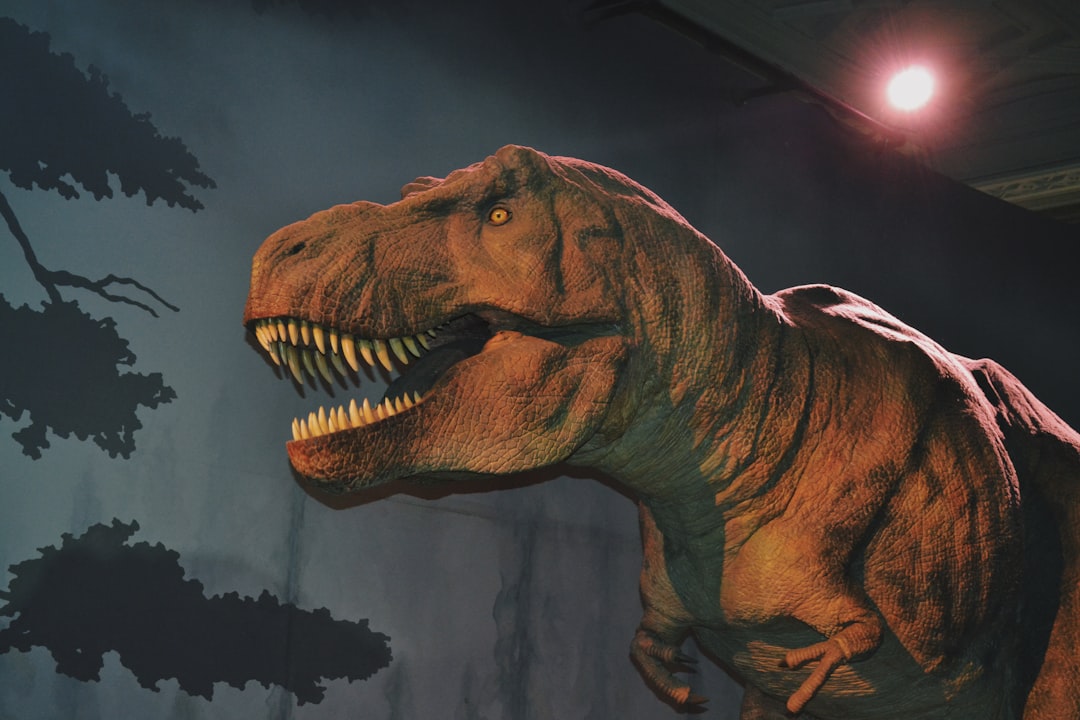
The history of life on Earth is punctuated by periods of dramatic evolutionary change. Among the most profound and extensively studied of these are the events that shaped the dinosaur lineage. The Dinosaur Diversification Event (DDE) represents a complex and multifaceted period, marking a significant explosion in the variety and abundance of these iconic reptiles. This era, spanning millions of years, witnessed the emergence of distinct groups, the refinement of their anatomical features, and their eventual dominance over terrestrial ecosystems. Understanding the DDE is crucial for deciphering the broader patterns of vertebrate evolution and the contingent nature of life’s history.
The Late Triassic period, approximately 230 to 201 million years ago, serves as the initial crucible for the Dinosaur Diversification Event. Prior to this, early archosaurs, a group that includes crocodiles, pterosaurs, and dinosaurs, were already present. However, the environmental conditions and the competitive landscape of the Late Triassic fostered the conditions necessary for the emergence and subsequent rapid evolution of the dinosaur clade.
The Pangea Supercontinent and its Influence
The Earth during the Late Triassic was largely a single supercontinent, Pangea. This vast landmass had significant implications for early dinosaur dispersal and the development of distinct faunal provinces.
Climate and Aridity
The interior of Pangea was characterized by arid conditions, with pronounced wet and dry seasons. This climate exerted selective pressures on the fauna, favoring adaptations for water conservation and mobility across vast distances. Early dinosaurs, with their bipedal locomotion and efficient metabolisms, may have possessed advantages in such environments.
Faunal Exchange and Competition
The interconnectedness of Pangea facilitated the exchange of species across its breadth. This exchange led to increased competition among emerging lineages. Those groups that could exploit new niches or outcompete existing forms were more likely to survive and proliferate. The DDE can be seen, in part, as a response to this intensified inter- and intra-specific competition among archosaurs.
The Archosaur Radiation: Precursors to Dinosaur Dominance
The archosaurs were undergoing their own significant evolutionary radiation during the Triassic. This included the development of various lineages, some of which would eventually give rise to dinosaurs, while others would pursue different evolutionary trajectories.
Early Archosaur Anatomy and Physiology
Understanding the basal archosaurian body plan is essential. These early forms likely possessed features that were precursors to dinosaurian traits, such as semi-erect to erect hindlimb posture, which facilitated more efficient terrestrial locomotion compared to the sprawling gait of many contemporary reptiles.
The Rise of Ornithodirans
Within the archosaurs, the Ornithodira lineage emerged, which includes pterosaurs and dinosauromorphs (ancestors of dinosaurs). This group began to exhibit specialized adaptations for locomotion, setting them apart from other archosaur groups.
The Dinosaur Diversification Event (DDE) marks a significant period in Earth’s history, showcasing the rapid evolution and diversification of dinosaurs. For those interested in exploring this topic further, a related article can be found at My Cosmic Ventures, which delves into the ecological and environmental factors that contributed to this remarkable evolutionary event.
The Dawn of Dinosaurs: Initial Diversification and Key Innovations
The earliest undisputed dinosaurs appeared in the Late Triassic. These proto-dinosaurs were relatively small and primarily carnivorous, but they possessed the foundational traits that would underpin the subsequent diversification of the entire clade.
Ancestral Dinosaur Traits
Identifying the characteristics that define the earliest dinosaurs is a key aspect of understanding their origin. These features likely represented an evolutionary suite that conferred advantages in the Late Triassic environment.
Bipedalism and Skeletal Adaptations
A critical innovation was the development of obligate bipedalism, or at least a strong tendency towards it. This involved significant remodelling of the pelvis, hindlimbs, and vertebral column, enabling a more upright posture and more efficient terrestrial locomotion.
Acetabulum and Perforate Hip Socket
The development of a deeply socketed acetabulum (hip socket) with a hole through it is a defining characteristic of dinosaurs. This allowed for a more striding gait and improved hindlimb stabilization, crucial for efficient movement.
Claws and Dental Morphology
Early dinosaurs also exhibited modifications in their hands and feet, often with prominent claws, and specialized dental batteries that were beginning to adapt for specific diets, even in early carnivorous forms.
The Emergence of Major Dinosaurian Groups
By the end of the Triassic and into the Early Jurassic, the foundations were laid for the major dinosaurian clades that would dominate the Mesozoic.
Saurischia: “Lizard-Hipped” Dinosaurs
This group, characterized by a forward-pointing pubis bone, includes theropods (bipedal carnivores) and sauropods (large, long-necked herbivores).
Theropod Ancestors
The earliest theropods were likely small, agile predators. Their lineage would eventually lead to iconic groups like tyrannosaurs, dromaeosaurs (raptors), and birds.
Proto-Sauropodomorphs
The lineage leading to sauropods began with small, bipedal herbivores that gradually increased in size and developed quadrupedal locomotion.
Ornithischia: “Bird-Hipped” Dinosaurs
This group, defined by a backward-pointing pubis bone (though this evolved independently in birds), encompasses a wide array of herbivorous dinosaurs, including stegosaurs, ankylosaurs, ornithopods, and ceratopsians.
Early Ornithischian Forms
The earliest ornithischians likely had unique dietary specializations and defensive mechanisms that set them apart from saurischians.
The Jurassic Bloom: Expansion and Specialization of Dinosaur Lineages
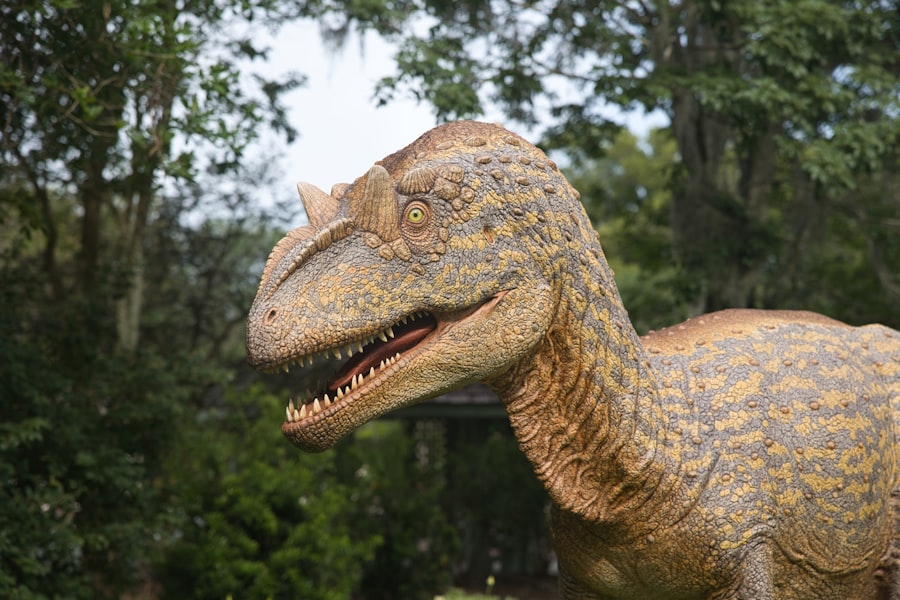
The Jurassic period, from approximately 201 to 145 million years ago, witnessed an unparalleled explosion in dinosaur diversity. As Pangea began to break apart, new environments and ecological niches opened up, fueling an evolutionary arms race and the radiation of established dinosaurian groups.
The Break-up of Pangea and its Ecological Consequences
The rifting of the supercontinent created new continental margins, inland seas, and distinct terrestrial environments, influencing dinosaur migration patterns and speciation rates.
Faunal Differentiation Across Continents
As landmasses separated, dinosaur populations became geographically isolated, leading to the evolution of unique regional faunas. This is evident in the distinct fossil records found in different parts of the world during the Jurassic.
The Rise of New Habitats
The formation of new coastlines, mountains, and river systems provided a mosaic of habitats that dinosaurs could exploit. This included the expansion of forests, which would become a primary food source for many herbivorous dinosaurs.
The Golden Age of Sauropods and Theropods
The Jurassic is particularly famous for the dominance of enormous sauropods and the continued diversification of theropods.
Gigantism in Sauropods
Sauropods reached truly colossal sizes during the Jurassic, with species like Brachiosaurus and Apatosaurus becoming some of the largest terrestrial animals to have ever lived. This gigantism may have been driven by various factors, including predator-prey dynamics and resource availability.
Evolutionary Drivers of Sauropod Gigantism
Investigating the selective pressures that favored such immense body sizes remains an active area of research, encompassing aspects like thermoregulation, defense against predators, and efficient foraging.
Dietary Adaptations of Sauropods
The evolution of specialized feeding apparatuses, such as their long necks and relatively simple peg-like or spatulate teeth, allowed sauropods to process vast quantities of vegetation.
Predatory Powerhouses: Diverse Theropod Lineages
The theropod lineage continued to evolve, producing a range of formidable predators adapted to various prey.
Allosaurids and Megalosaurids
These large, carnivorous theropods were apex predators in many Jurassic ecosystems.
Ceratosaurians
This group, characterized by cranial ornamentation, also occupied significant predatory roles.
The Emergence of Armored and Horned Dinosaurs
While sauropods and theropods dominated the Jurassic landscape, the foundations were also being laid for other major ornithischian groups.
Early Stegosaur Evolution
The iconic plated dinosaurs, stegosaurs, began to appear in the Jurassic, characterized by their distinctive dorsal plates and tail spikes.
Function of Stegosaurian Plates and Spikes
Debates continue regarding the precise function of these structures, with hypotheses ranging from thermoregulation and display to defense.
Proto-Ornithopods and Gutless Herbivores
The early stages of ornithopod evolution, which would lead to more advanced beaked herbivores, can be traced to the Jurassic.
The Cretaceous Cataclysm: Continued Radiation and the Dawn of New Forms
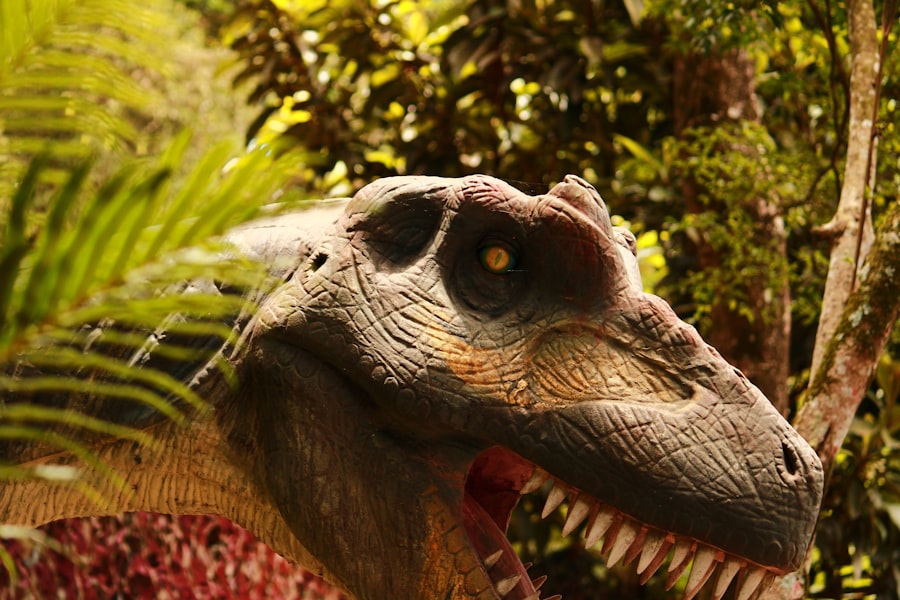
The Cretaceous period, spanning from around 145 to 66 million years ago, represents the apex of dinosaur evolution in terms of diversity, ecological complexity, and the emergence of entirely new groups. This era saw the further breakup of continents, the diversification of flowering plants, and a fluctuating global climate, all of which played roles in shaping the dinosaurian fauna.
The Impact of Angiosperm Evolution
The rise of flowering plants revolutionized terrestrial ecosystems, providing new food sources and altering the competitive landscape for herbivores.
New Herbivore Niches
The availability of new plant matter, from broad-leaved trees to grasses, led to the evolution of specialized feeding adaptations in herbivorous dinosaurs.
Co-evolutionary Relationships
There may have been co-evolutionary dynamics between flowering plants and herbivorous dinosaurs, influencing plant defenses and dinosaur feeding strategies.
The Zenith of Ornithischian Diversity
The Cretaceous was a golden age for many ornithischian groups, which diversified into a remarkable array of forms.
Hadrosaurs: The Duck-Billed Dinosaurs
These highly successful herbivores developed complex dental batteries for grinding vegetation and often possessed distinctive cranial crests, likely used for display or vocalization.
Cranial Crests and their Functions
The varied shapes and sizes of hadrosaur crests suggest diverse roles, from species recognition to amplified vocalizations.
Dental Adaptations for Herbivory
The evolution of hundreds of tightly packed teeth in hadrosaurs allowed for efficient processing of tough plant material.
Ankylosaurs: The Armored Tanks
These heavily armored dinosaurs, with their bony plates (osteoderms) and often a clubbed tail, were well-defended against predators.
Evolutionary Arms Race in Defense
The development of ankylosaur armor can be seen as a response to the continued predatory prowess of theropods.
Ceratopsians: The Horned Marvels
This group, known for their frills and horns, underwent significant diversification, particularly in North America, with iconic forms like Triceratops.
Frill Morphology and Function
The elaborate frills of ceratopsians likely served multiple purposes, including defense, display, and thermoregulation.
Horn Evolution and Variation
The development of horns on the skull provided a formidable offensive and defensive arsenal.
The Reign of the Tyrannosaurs and the Rise of Advanced Coelurosaurs
The theropod lineage continued to be a dominant force, with the Late Cretaceous characterized by the unparalleled success of tyrannosaurids.
The Apex Predators: Tyrannosaurids
These large, powerful carnivores, including Tyrannosaurus rex, occupied the top trophic levels in many Late Cretaceous ecosystems.
Bite Force and Cranial Structure
The robust skulls and powerful jaw muscles of tyrannosaurids were adapted for delivering devastating bites.
Sensory Capabilities and Predatory Strategies
Evidence suggests that tyrannosaurs possessed keen senses of smell and vision, crucial for locating and ambushing prey.
Feathered Dinosaurs and Avian Ancestry
The increased fossil evidence for feathered non-avian dinosaurs, particularly within the coelurosaurian group, highlights the close evolutionary relationship between birds and their dinosaurian ancestors.
Diversity of Feathered Theropods
Numerous theropod groups, from small compsognathids to larger dromaeosaurs, have yielded evidence of feather coverings, indicating their widespread presence.
Functional Significance of Early Feathers
While some feathers may have been for insulation, others likely served roles in display or even primitive gliding.
The Dinosaur Diversification Event (DDE) marked a significant turning point in the evolutionary history of reptiles, leading to the emergence of various dinosaur species that dominated the Mesozoic era. For those interested in exploring the intricate details of this fascinating period, you can read more about the ecological impacts and evolutionary adaptations in a related article found here. This resource delves into how the DDE influenced not only dinosaurs but also the broader ecosystem, shaping the world as we know it today.
Extinction and Legacy: The End of an Era and Enduring Influence
| Time Period | Duration | Location | Impact |
|---|---|---|---|
| Late Cretaceous Period | Approximately 10 million years | Global, but particularly in North America | Marked increase in dinosaur diversity and evolution |
The Dinosaur Diversification Event, which spanned over 150 million years, culminated in a dramatic extinction event. However, the legacy of dinosaurs persists, not only in the fossil record but also in their direct descendants.
The K-Pg Extinction Event
The Cretaceous-Paleogene (K-Pg) extinction event, approximately 66 million years ago, marked the end of the Mesozoic Era and the demise of all non-avian dinosaurs.
The Impact Hypothesis
The prevailing scientific consensus attributes the K-Pg extinction to a massive asteroid impact, which triggered widespread environmental devastation including global wildfires, tsunamis, and a prolonged “impact winter.”
Immediate Environmental Catastrophes
The initial impact caused widespread destruction through seismic activity, heat pulses, and the ejection of vast amounts of debris into the atmosphere.
Long-Term Global Climate Change
The atmospheric debris significantly reduced sunlight, leading to a collapse of photosynthesis and a subsequent disruption of food webs.
Other Contributing Factors
While the asteroid impact is considered the primary driver, other factors such as widespread volcanism (Deccan Traps) may have contributed to environmental stress leading up to the extinction.
Post-Extinction Landscape and Mammalian Radiation
The extinction of dinosaurs opened up ecological niches, paving the way for the diversification and dominance of mammals.
Empty Niches and New Opportunities
With the large terrestrial herbivores and carnivores gone, mammals, previously often small and nocturnal, could exploit a vast array of newly available ecological roles.
The Rise of Mammalian Diversity
The subsequent Cenozoic era witnessed the explosive radiation of mammalian groups, filling the void left by the dinosaurs.
The Avian Descendants: Dinosaurs Among Us
The most significant surviving lineage of dinosaurs are birds. Their evolution from theropod ancestors means that the Dinosaur Diversification Event has a living, breathing testament.
Evolutionary Continuity
Birds represent a direct continuation of the theropod lineage, retaining many ancestral dinosaurian characteristics.
Adaptation and Diversification of Birds
The remarkable diversity of modern birds, from flightless ostriches to aerial songbirds, showcases ongoing evolutionary adaptation and diversification within this dinosaurian clade.
The Dinosaur Diversification Event was not a singular, instantaneous occurrence, but rather a protracted and complex series of evolutionary radiations. From the arid landscapes of the Late Triassic to the lush ecosystems of the Cretaceous, dinosaurs transformed from relatively humble beginnings to become the dominant terrestrial vertebrates for over 150 million years. Understanding the environmental pressures, the anatomical innovations, and the competitive dynamics that drove this diversification is fundamental to grasping the grand narrative of vertebrate evolution on Earth. The legacy of this event is not only preserved in the fossilized bones of these ancient giants but also in the vibrant feathered forms that grace our skies today.
FAQs
What is the Dinosaur Diversification Event (DDE)?
The Dinosaur Diversification Event (DDE) refers to a period in the Mesozoic era, specifically during the Jurassic period, when dinosaurs experienced a significant increase in their diversity and ecological dominance.
When did the Dinosaur Diversification Event (DDE) occur?
The Dinosaur Diversification Event (DDE) occurred during the Jurassic period, approximately 180 million years ago.
What factors contributed to the Dinosaur Diversification Event (DDE)?
Several factors contributed to the Dinosaur Diversification Event (DDE), including environmental changes, such as the breakup of the supercontinent Pangaea, which led to the formation of new habitats and ecological niches for dinosaurs to exploit.
How did the Dinosaur Diversification Event (DDE) impact dinosaur evolution?
The Dinosaur Diversification Event (DDE) led to the rapid evolution and diversification of dinosaurs, resulting in the emergence of new species and the occupation of various ecological roles, from small herbivores to large carnivorous predators.
What is the significance of the Dinosaur Diversification Event (DDE) in the study of dinosaur paleontology?
The Dinosaur Diversification Event (DDE) is significant in the study of dinosaur paleontology as it marks a crucial period in dinosaur evolution, providing insights into the factors that drove their diversification and ecological success during the Jurassic period.