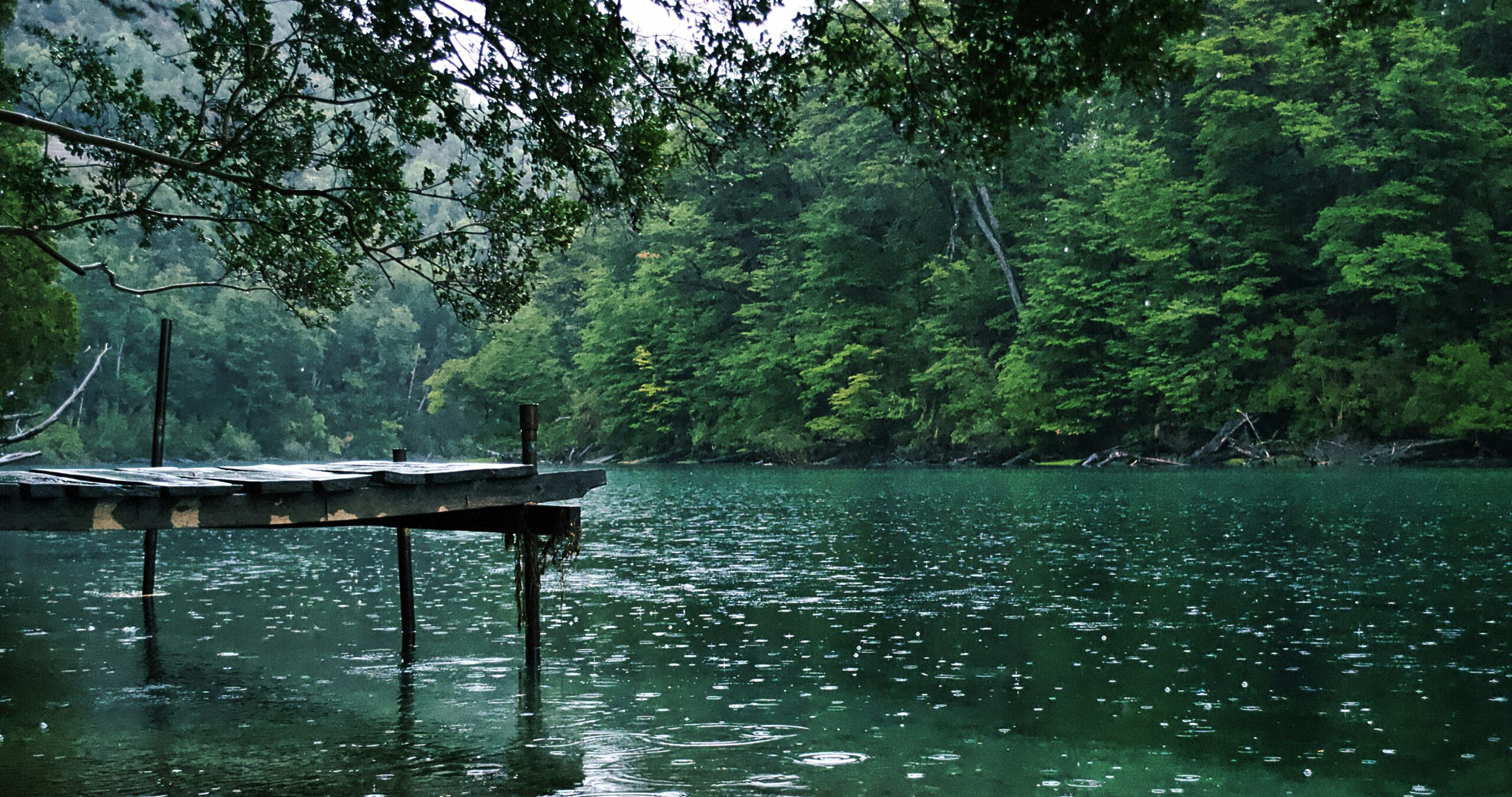
The Endless Rain: Unraveling 2 Million Years of Downpour
The phenomenon known as the Endless Rain, a seemingly perpetual deluge over a vast swathe of the planet’s surface, has long captivated and perplexed geologists, climatologists, and explorers alike. For over two million years, a region roughly the size of Western Europe has experienced rainfall that defies conventional hydrological cycles. This article aims to dissect the scientific evidence and proposed theories behind this extraordinary, prolonged precipitation event, examining its origins, its impact, and the ongoing efforts to understand its persistence.
The Endless Rain is not a uniform global event. It is concentrated within a specific geographical zone, a vast basin characterized by a unique geological makeup and atmospheric conditions. Understanding the spatial dimensions of this phenomenon is crucial to deciphering its causes.
Defining the Boundaries
The precise boundaries of the Endless Rain are not as rigidly defined as political borders. Instead, they are characterized by gradients in precipitation intensity and frequency. However, extensive meteorological data and satellite imagery have allowed researchers to delineate a core region experiencing over 95% of the annual rainfall, with progressively decreasing amounts extending outwards. This core area is predominantly located in a low-lying continental depression, bordered by elevated mountain ranges that appear to play a significant role in its isolation. The topography of the area, with its extensive internal drainage systems and lack of significant outflow rivers to larger bodies of water, suggests a self-contained hydrological system on a grand scale.
Topographical Influences
The surrounding mountain ranges, while not directly within the Endless Rain zone, are demonstrably critical to its existence. These immense natural barriers, some exceeding 5,000 meters in height, act as significant obstacles to prevailing wind patterns. They intercept moisture-laden air masses originating from distant oceans, forcing them to ascend. This ascent leads to adiabatic cooling, condensation, and ultimately, precipitation. The specific orientation and height of these ranges seem to create a “rain shadow” effect on their leeward sides, effectively trapping moisture within the basin. Furthermore, the geological composition of these mountains, rich in specific mineral types, has been theorized to contribute to atmospheric nucleation processes.
Unique Geological Formations
Within the Endless Rain basin itself, peculiar geological formations have been identified. Extensive underwater cave systems, deep subterranean aquifers, and unusual mineral deposits are prevalent. Some of these formations suggest a long history of substantial water saturation, predating the estimated onset of the Endless Rain. The porosity of the underlying bedrock and the presence of specific clay minerals are also areas of intense investigation, as they may influence water retention and recirculation within the system. The sheer volume of water stored below the surface is a significant factor in the sustained rainfall.
In exploring the intriguing phenomenon of prolonged rainfall that lasted for two million years, readers may find it beneficial to delve into a related article that discusses the geological and climatic factors that contributed to such an extraordinary event. This article provides a comprehensive overview of the Earth’s climatic history and the implications of long-term weather patterns on the planet’s ecosystems. For more insights, you can read the article here: Why Did It Rain For 2 Million Years.
The Atmospheric Engine
The perpetuation of the Endless Rain necessitates an ongoing supply of atmospheric moisture. Understanding the mechanisms that continuously feed this moisture source is central to explaining the phenomenon’s longevity. The role of atmospheric circulation patterns and unique localized weather events cannot be overstated.
Persistent Moisture Influx
The most widely accepted theory for the sustained rainfall involves a persistent, albeit indirect, transport of moisture. While direct, steady winds from a single oceanic source are unlikely over two million years, the model suggests a cyclical or complex global atmospheric circulation that, over vast timescales, consistently directs moisture towards the Endless Rain basin. This could involve large-scale oscillations in ocean currents, such as prolonged periods of El Niño-like conditions or shifts in dominant jet stream pathways that favor convergence over the region. The precise nature of these long-term atmospheric drivers is still being mapped.
Microclimates and Feedback Loops
Within the Endless Rain basin, a complex network of microclimates likely exists, creating positive feedback loops that reinforce the precipitation. The sheer abundance of surface water – lakes, rivers, extensive wetlands – contributes to high evaporation rates. This localized evaporation adds further moisture to the atmosphere above the basin, generating localized cloud formation and rainfall. This self-sustaining cycle, once initiated, can reinforce itself, making the region less susceptible to drying out, even if external moisture influx were to fluctuate.
The Role of Nucleation Agents
The presence of specific aerosols and nucleation agents within the atmosphere of the Endless Rain basin is another area of active research. These particles facilitate the formation of water droplets, allowing condensation to occur more readily. The geological composition of the surrounding mountains and the extensive vegetation within the basin, which releases organic aerosols, are being examined for their potential to provide a continuous supply of such nucleation agents. Certain volcanic activities, even minor, historically localized within or near the basin, could also have deposited suitable mineral particles into the atmosphere.
Plio-Pleistocene Origins

The scientific consensus places the onset of the Endless Rain event at roughly two million years in the past, coinciding with a significant period of global climatic fluctuation. Unraveling the specific triggers of that era is key to understanding why this particular region became so uniquely affected.
The Pliocene-Pleistocene Boundary
The transition from the Pliocene to the Pleistocene epoch was marked by a series of dramatic climatic shifts, including a general cooling trend and the expansion of ice sheets. It is hypothesized that these global changes, while affecting the entire planet, may have created specific regional conditions that favored the initiation of the Endless Rain. Changes in ocean temperatures, atmospheric CO2 concentrations, and the extent of glaciation are all considered potential contributing factors to the conditions that allowed this persistent downpour to begin.
Tectonic Influences
Geological evidence suggests that significant tectonic activity may have occurred in the region around the time the Endless Rain began. The formation or uplift of the surrounding mountain ranges, for instance, could have been concurrent with, or a direct consequence of, tectonic processes. These geological shifts would have fundamentally altered the local topography and atmospheric dynamics, providing the physical framework for the establishment of a prolonged precipitation regime. Changes in fault lines and the resulting seismic activity could also have impacted groundwater systems and subsurface hydrology, influencing the water cycle.
Orbital Forcing and Insolation Patterns
While not a direct cause, changes in Earth’s orbital parameters – Milankovitch cycles – have played a significant role in modulating global climate over geological timescales. It is plausible that during specific phases of these cycles, coinciding with the Pliocene-Pleistocene boundary, a confluence of factors related to insolation patterns and atmospheric circulation led to the initial establishment of the Endless Rain. These long-term solar variations can influence the distribution of heat and moisture across the globe, potentially creating conditions that favored persistent precipitation in this specific region.
Biological and Geological Consequences

For two million years, life and the very landmass of the Endless Rain region have been profoundly shaped by this unrelenting precipitation. The adaptations of its flora and fauna, and the slow but discernible erosion and sedimentation patterns, offer crucial insights into its duration and intensity.
Unique Ecosystems
The constant moisture has fostered the development of highly specialized ecosystems. Flora characterized by thick, waxy cuticles, extensive root systems capable of anchoring in saturated soil, and adaptations for rapid nutrient uptake have evolved. Fauna, in turn, has developed strategies for living in permanently wet environments, including adaptations for moisture tolerance, aquatic lifestyles, and unique breeding cycles dictated by the omnipresent water. The sheer biodiversity within these unique ecosystems is a testament to the prolonged stability of the environmental conditions.
Landscape Alteration
Over two million years, the Endless Rain has dramatically reshaped the landscape. Extensive erosion has carved deep valleys and gorges. The sheer volume of water has also led to the deposition of vast quantities of sediment, creating expansive deltas and alluvial plains. The geological record within these sediment layers provides a detailed, albeit challenging to interpret, chronicle of the rainfall intensity and its variations over millennia. Subterranean erosion, particularly within the extensive karst systems, is also demonstrably ongoing.
Mineral and Sediment Archives
The sediment deposited by the Endless Rain acts as a vast geological archive. Paleoclimatologists are actively studying these layers to reconstruct past precipitation patterns, atmospheric composition, and even the types of vegetation that thrived in the region at different times. The chemical composition of the minerals found within these sediments can also provide clues about the water chemistry and the geological processes at play. Analyzing ice cores from any high-altitude glacial remnants, though limited, might offer very fine-grained temporal data.
The phenomenon of prolonged rainfall lasting for two million years has intrigued scientists and researchers alike, prompting discussions about its implications on Earth’s climate and ecosystems. A related article explores the potential consequences of such an extended wet period on ancient life forms and geological formations. For a deeper understanding of this topic, you can read more in the article found here. This exploration not only sheds light on the historical climate patterns but also raises questions about how similar events could impact our planet in the future.
Future Research and Implications
| Metrics | Data |
|---|---|
| Duration of Rain | 2 million years |
| Cause of Rain | Shift in climate patterns |
| Impact on Environment | Formation of rivers, lakes, and erosion of land |
| Effect on Evolution | Adaptation of species to wetter conditions |
Understanding the Endless Rain is not merely an academic pursuit. Its existence holds significant implications for our understanding of long-term climate stability, the resilience of ecosystems, and the potential for megaregions with extreme weather patterns.
Advanced Climate Modeling
Developing sophisticated climate models that can accurately simulate the conditions leading to and sustaining the Endless Rain is a major goal. This requires incorporating complex interactions between atmospheric circulation, oceanography, topography, and geological processes over immense timescales. Models will need to account for potential tipping points and feedback mechanisms that could have initiated or perpetuated such a prolonged event. The successful simulation of such a scenario would dramatically improve our ability to predict future climate extremes in other regions.
Resource Management and Adaptation
While not currently a habitable region for large human populations, understanding the Endless Rain could offer lessons in managing extreme water resources. The geological formations and hydrological systems within the basin might hold clues to underground water storage and filtration. Moreover, studying the adaptations of the local flora and fauna could inform strategies for dealing with water-saturated environments or prolonged drought conditions elsewhere in the world, highlighting the importance of biodiversity in resilience.
The Search for Analogues
The Endless Rain serves as a unique natural laboratory. While no exact analogue exists on present-day Earth, the study of its formation and persistence may help identify less extreme, but still significant, long-term climatic anomalies. By understanding the underlying principles, scientists can better assess the likelihood of similar, albeit perhaps less persistent, prolonged precipitation events occurring in other regions under future climate change scenarios. This proactive approach is crucial for disaster preparedness and long-term environmental planning.
FAQs
1. What caused the 2 million years of rain?
The 2 million years of rain was caused by a period of global warming and increased evaporation, leading to a continuous cycle of precipitation.
2. How did the prolonged rain affect the environment?
The prolonged rain led to the formation of lush, tropical forests and the expansion of wetland habitats. It also contributed to the diversification of plant and animal species.
3. What evidence supports the 2 million years of rain theory?
Evidence for the 2 million years of rain theory comes from geological records, such as sediment cores and fossilized plant and animal remains, as well as climate models and simulations.
4. How did the 2 million years of rain impact human evolution?
The 2 million years of rain may have influenced human evolution by shaping the landscape and resources available to early human ancestors, potentially affecting their migration patterns and adaptation strategies.
5. Is there a possibility of a similar prolonged rain period in the future?
While climate change may lead to shifts in precipitation patterns, the specific conditions that led to the 2 million years of rain are not expected to recur in the same way in the foreseeable future.