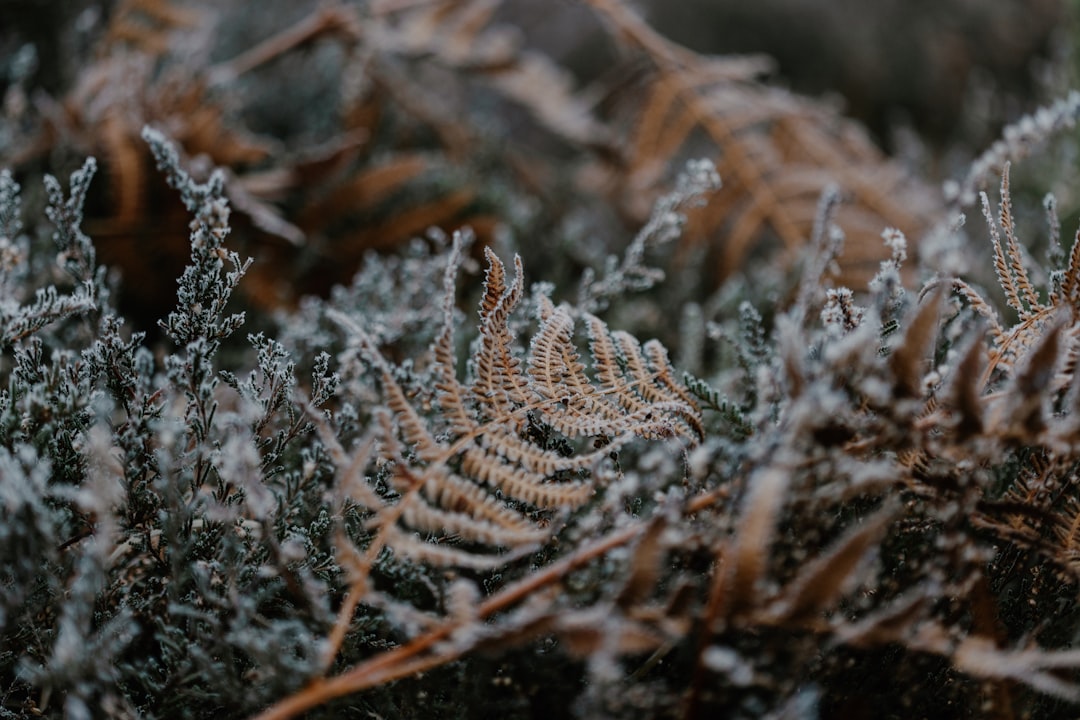
Identifying the First Frost of the Season
The arrival of the first frost is a significant annual event for many, marking a transition in the natural world and signaling changes for agricultural and horticultural activities. Understanding the specific atmospheric conditions that lead to frost formation, and recognizing its physical manifestations, is crucial for proper preparation and mitigation. This article delves into the science behind frost, its detection, and the implications for various stakeholders.
Frost occurs when the surface temperature of an object drops to or below the frost point of the surrounding air. The frost point is the temperature at which the air becomes saturated with water vapor and condensation begins to form. Unlike dew, which forms when the temperature is above freezing, frost forms when the frost point is at or below 0° Celsius (32° Fahrenheit). This process involves the direct deposition of water vapor from the air onto cold surfaces, bypassing the liquid water stage.
The Role of Radiational Cooling
The most common type of frost, radiational frost, forms under clear skies and calm or very light winds. This occurs when surfaces, such as exposed ground, vegetation, and inanimate objects, lose heat through thermal radiation into the atmosphere. On clear nights, particularly those with low humidity, this outgoing radiation can cool the surface significantly. As the surface cools, it in turn cools the air immediately in contact with it. When this air reaches its dew point and then its frost point, frost begins to form.
Factors Influencing Radiational Cooling
Several environmental factors amplify or diminish the effects of radiational cooling. The duration of daylight hours plays a significant role, with shorter fall and winter days allowing less time for solar heating to warm surfaces. The presence of clouds acts as an insulator, trapping outgoing radiation and preventing significant surface cooling. Conversely, clear skies facilitate rapid heat loss. Wind speed is also critical; while a gentle breeze can mix warmer air from higher altitudes downwards, aiding frost formation, stronger winds can disrupt the formation of a stable, cold layer of air near the ground. The nature of the surface itself also matters; dark, dry surfaces tend to radiate heat more effectively than light-colored or moist surfaces.
Advection Frost: A Different Mechanism
While radiational frost is widespread and predictable under certain conditions, advection frost is associated with the movement of colder air masses into a region. This type of frost can occur even on cloudy nights or during windy conditions, as the influx of cold air directly lowers surface temperatures. Advection frost is particularly concerning because it can affect larger areas and may not be preceded by the subtle temperature drops characteristic of radiational cooling.
Identifying Air Mass Characteristics
Forecasting advection frost involves monitoring the movement and temperature of air masses. Meteorologists track low-pressure systems and the associated fronts that usher in colder air. The arrival of a cold front, often characterized by a drop in temperature, a shift in wind direction, and sometimes precipitation, can herald the potential for advection frost. Observing temperature trends over a 24-hour period, looking for a sustained decrease rather than a diurnal fluctuation, is indicative of an advection event.
Topography and Frost Pockets
Topography plays a crucial role in the distribution and severity of frost. Colder, denser air settles in low-lying areas, creating “frost pockets.” This phenomenon is due to gravity, which causes cold air to drain downhill and accumulate in valleys and depressions. Higher elevations, on the other hand, may remain frost-free, even when surrounding lower areas are experiencing frost.
Understanding Drainage Patterns
Understanding local drainage patterns is essential for predicting frost occurrence. Identifying areas where cold air is likely to pool requires knowledge of the landscape, including the presence of hills, valleys, and any obstructions that might impede air flow. Observing vegetation patterns can also provide clues; plants that thrive in warmer microclimates may be absent from consistently frost-prone low-lying areas.
To learn more about recognizing the first frost of a cycle, you can refer to a related article that provides valuable insights and tips. Understanding the signs of the first frost is crucial for gardeners and farmers alike, as it helps in protecting plants and planning for the growing season. For detailed information, check out this informative piece on the topic at My Cosmic Ventures.
Visual Signs of First Frost
The initial signs of frost are primarily visual and can be observed on various surfaces. These indicators provide tangible evidence that the temperature has reached the critical threshold for ice crystal formation. Careful observation of the environment is key to timely identification.
Surface Observations
The most common visual cue is the presence of ice
FAQs
What is the first frost of a cycle?
The first frost of a cycle refers to the initial occurrence of frost in a particular area during the colder months. It marks the beginning of the frosty season and is an important indicator for gardeners and farmers.
How can you recognize the first frost of a cycle?
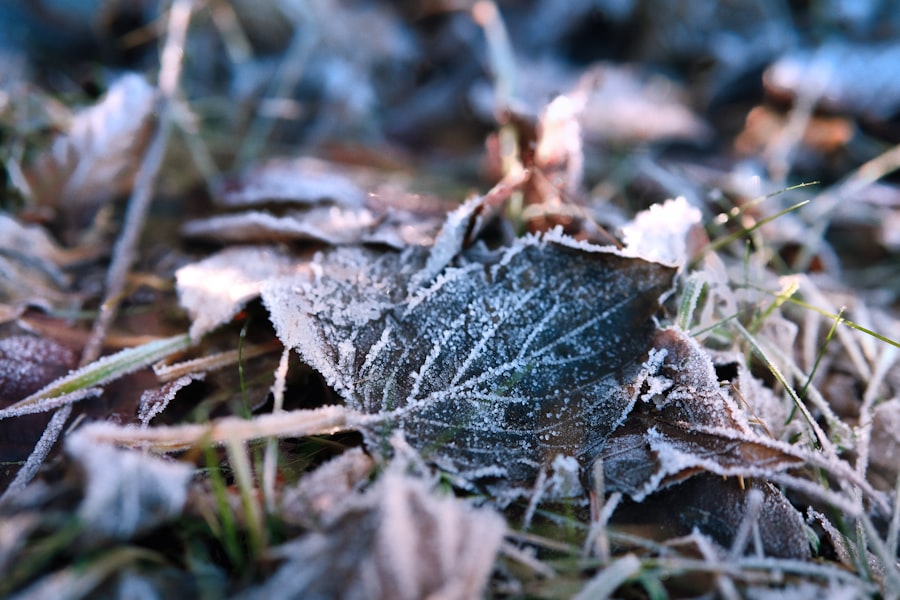
The first frost of a cycle can be recognized by the formation of ice crystals on surfaces such as grass, leaves, and car windshields. It typically occurs overnight when temperatures drop below freezing, causing the moisture in the air to freeze.
What are the signs that the first frost of a cycle is approaching?
Signs that the first frost of a cycle is approaching include a drop in temperatures, clear skies, and calm winds. These conditions allow for the rapid cooling of the air and the formation of frost.
Why is it important to recognize the first frost of a cycle?
Recognizing the first frost of a cycle is important for gardeners and farmers as it signals the end of the growing season. It allows them to take necessary precautions to protect their plants and crops from the cold temperatures.
What can be done to prepare for the first frost of a cycle?
To prepare for the first frost of a cycle, gardeners and farmers can cover sensitive plants with frost cloth or bring them indoors. They can also harvest any remaining fruits and vegetables before they are damaged by the frost. Additionally, taking steps to insulate outdoor plumbing and protect sensitive outdoor equipment can help prevent damage from the cold.