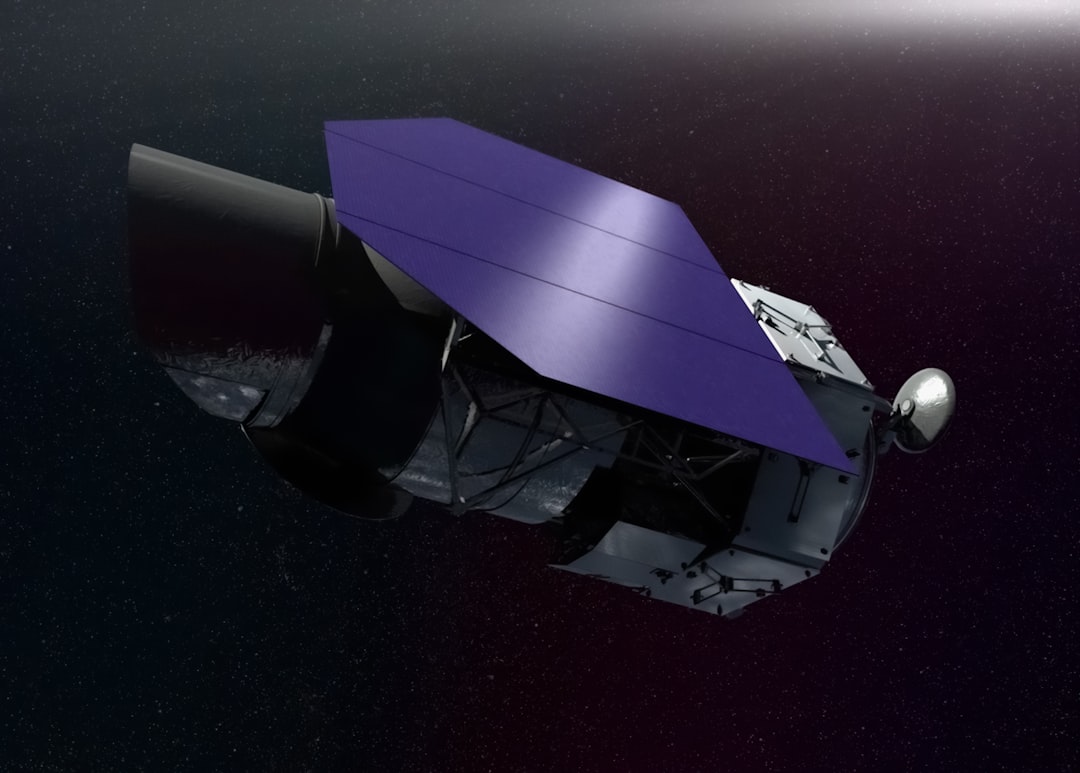
The proliferation of space debris has emerged as a significant concern for both governmental and private entities involved in space exploration and satellite operations. Space debris, which includes defunct satellites, spent rocket stages, and fragments from collisions, poses a serious threat to operational spacecraft. The risks associated with this debris are multifaceted; even small pieces can travel at speeds exceeding 17,500 miles per hour, making them capable of causing catastrophic damage upon impact.
The potential for collisions increases as the number of satellites in orbit grows, leading to a cascading effect known as the Kessler Syndrome, where collisions generate even more debris, further complicating the orbital environment. Moreover, the risks are not limited to just physical damage. The presence of space debris can also lead to increased operational costs and insurance premiums for satellite operators.
The uncertainty surrounding potential collisions necessitates constant monitoring and risk assessment, which can divert resources from other critical areas of operation. As the global reliance on satellite technology continues to expand, understanding the risks associated with space debris becomes paramount for ensuring the safety and sustainability of space activities.
Key Takeaways
- Space debris poses a significant risk to satellites and spacecraft in orbit.
- Tracking and monitoring space debris is crucial for avoiding collisions.
- Implementing collision avoidance maneuvers is essential for protecting satellites.
- International cooperation and guidelines are necessary for managing space debris.
- Designing satellites with collision prevention in mind can help mitigate risks.
Tracking and Monitoring Space Debris
To effectively manage the risks posed by space debris, robust tracking and monitoring systems are essential. Various organizations, including governmental space agencies and private companies, have developed sophisticated radar and optical systems to detect and track debris in real-time. These systems provide valuable data on the size, trajectory, and velocity of debris objects, enabling operators to assess potential collision risks with their satellites.
The information gathered through these tracking efforts is crucial for making informed decisions regarding collision avoidance maneuvers. In addition to ground-based tracking systems, advancements in satellite technology have led to the development of space-based sensors capable of monitoring debris from orbit. These sensors can provide a more comprehensive view of the debris environment, particularly in regions that are difficult to monitor from the ground.
By integrating data from multiple sources, operators can create a more accurate picture of the space debris landscape, allowing for better risk assessment and management strategies.
Implementing Collision Avoidance Maneuvers

When a potential collision with space debris is detected, satellite operators must be prepared to implement collision avoidance maneuvers. These maneuvers involve altering a satellite’s orbit to avoid an impending collision, which can be a complex and resource-intensive process. Operators must carefully calculate the necessary adjustments to ensure that the satellite remains within its operational parameters while effectively avoiding the debris.
This requires not only precise data on the debris’s trajectory but also a thorough understanding of the satellite’s capabilities and limitations. The decision-making process for executing these maneuvers is often time-sensitive, as operators may have only a short window to act before a collision occurs. This urgency underscores the importance of having well-established protocols in place for responding to collision threats.
Additionally, frequent maneuvers can lead to increased fuel consumption and wear on satellite systems, highlighting the need for effective long-term strategies to minimize collision risks.
Developing International Cooperation and Guidelines
| Country | Number of International Cooperation Agreements | Guidelines Developed |
|---|---|---|
| United States | 25 | 10 |
| United Kingdom | 20 | 8 |
| Germany | 18 | 7 |
| France | 15 | 6 |
The global nature of space activities necessitates international cooperation in addressing the challenges posed by space debris. Countries around the world must work together to establish guidelines and best practices for debris mitigation and management. Organizations such as the United Nations Office for Outer Space Affairs (UNOOSA) play a crucial role in facilitating discussions among nations to develop frameworks that promote responsible behavior in space.
International cooperation can also extend to sharing data on space debris tracking and monitoring efforts. By pooling resources and information, countries can enhance their collective ability to predict and respond to collision threats. Collaborative initiatives can lead to the development of standardized protocols for debris mitigation, ensuring that all nations adhere to similar practices that prioritize safety and sustainability in space.
Designing Satellites with Collision Prevention in Mind
As the number of satellites in orbit continues to rise, designing new spacecraft with collision prevention in mind has become increasingly important. Engineers and designers are now incorporating features that enhance a satellite’s ability to avoid collisions with debris. This includes implementing advanced propulsion systems that allow for quick adjustments in orbit and designing satellites with materials that can withstand impacts from smaller debris particles.
Moreover, incorporating autonomous systems into satellite design can significantly improve collision avoidance capabilities. These systems can analyze real-time data on surrounding debris and make decisions about necessary maneuvers without human intervention. By prioritizing collision prevention during the design phase, manufacturers can contribute to a safer orbital environment and reduce the likelihood of future collisions.
Utilizing Deorbiting and End-of-Life Disposal Measures

One of the most effective strategies for mitigating space debris is implementing deorbiting and end-of-life disposal measures for satellites that have reached the end of their operational lives. Proper disposal methods can significantly reduce the amount of debris generated in orbit.
Governments and organizations are increasingly recognizing the importance of establishing regulations that mandate responsible end-of-life disposal practices. By requiring operators to have clear plans for deorbiting or relocating their satellites at the end of their missions, stakeholders can work towards reducing the overall population of space debris. This proactive approach not only enhances safety but also promotes sustainable practices within the growing space industry.
Educating and Training Satellite Operators
Education and training play a vital role in preparing satellite operators to effectively manage the risks associated with space debris. Operators must be well-versed in tracking systems, collision avoidance protocols, and best practices for debris mitigation. Comprehensive training programs can equip them with the knowledge and skills necessary to respond swiftly and effectively to potential collision threats.
Furthermore, fostering a culture of awareness regarding space debris among satellite operators is essential for promoting responsible behavior in orbit. By emphasizing the importance of adhering to established guidelines and protocols, organizations can encourage operators to prioritize safety in their daily operations. Continuous education on emerging technologies and strategies for debris management will also help operators stay informed about best practices in an ever-evolving field.
Utilizing Advanced Technologies for Collision Avoidance
The integration of advanced technologies into collision avoidance strategies has revolutionized how satellite operators manage risks associated with space debris. Innovations such as artificial intelligence (AI) and machine learning algorithms enable operators to analyze vast amounts of data quickly and accurately. These technologies can identify potential collision threats more efficiently than traditional methods, allowing for timely decision-making regarding avoidance maneuvers.
Additionally, advancements in sensor technology have improved the ability to detect smaller pieces of debris that may pose a risk to satellites. High-resolution imaging systems can provide detailed information about debris trajectories, enhancing predictive capabilities. By leveraging these advanced technologies, satellite operators can significantly improve their ability to navigate safely through an increasingly crowded orbital environment.
Establishing Clear Communication Protocols
Effective communication is crucial for managing risks associated with space debris. Establishing clear communication protocols among satellite operators, regulatory bodies, and tracking organizations ensures that all stakeholders are informed about potential collision threats in a timely manner. This collaborative approach allows for coordinated responses to imminent risks, enhancing overall safety in orbit.
Moreover, communication protocols should include guidelines for sharing data on tracking efforts and collision predictions.
Regular updates on tracking data and potential threats can help operators make informed decisions about necessary maneuvers while promoting transparency within the industry.
Conducting Regular Risk Assessments and Mitigation Strategies
Regular risk assessments are essential for identifying potential hazards associated with space debris and developing effective mitigation strategies. Satellite operators should conduct thorough evaluations of their operational environments to assess the likelihood of collisions with debris. These assessments should consider factors such as satellite altitude, orbital inclination, and proximity to known debris fields.
Based on these evaluations, operators can implement targeted mitigation strategies tailored to their specific circumstances. This may include adjusting operational parameters or enhancing tracking capabilities based on identified risks. By prioritizing regular risk assessments, organizations can proactively address potential threats and ensure that their operations remain safe and sustainable.
Advocating for Sustainable Space Practices and Regulations
As awareness of the challenges posed by space debris continues to grow, advocating for sustainable practices and regulations has become increasingly important within the space community. Stakeholders must work together to promote responsible behavior in orbit through policy development and public awareness campaigns. By emphasizing the importance of sustainability in space activities, organizations can encourage compliance with best practices aimed at reducing debris generation.
Furthermore, engaging policymakers at national and international levels is crucial for establishing regulations that govern satellite operations and end-of-life disposal practices. By advocating for comprehensive policies that prioritize sustainability, stakeholders can contribute to a safer orbital environment for future generations. Ultimately, fostering a culture of responsibility within the space industry will be key to ensuring that space remains accessible and safe for exploration and innovation.
In the rapidly evolving field of space exploration, the risk of satellite collisions has become a significant concern for both governmental and private entities. To address this issue, it is crucial to implement effective strategies for collision avoidance. An insightful article on this topic can be found on My Cosmic Ventures, which delves into the various technologies and methodologies being developed to prevent such incidents. For more detailed information, you can read the article by visiting My Cosmic Ventures. This resource provides a comprehensive overview of the current challenges and innovative solutions in satellite collision avoidance.
🌌 WATCH THIS! The Billion-Dollar Satellite That Will Trap Humanity on Earth
FAQs
What are satellite collisions?
Satellite collisions occur when two satellites in orbit collide with each other, resulting in damage or destruction of the satellites involved.
Why is it important to avoid satellite collisions?
Satellite collisions can create a significant amount of space debris, which poses a threat to other satellites and spacecraft in orbit. This debris can also pose a risk to astronauts on the International Space Station and future space missions.
What are some strategies for avoiding satellite collisions?
Some strategies for avoiding satellite collisions include conducting regular tracking and monitoring of satellites, implementing collision avoidance maneuvers, and improving communication and coordination among satellite operators.
How can satellite operators track and monitor satellites to avoid collisions?
Satellite operators can track and monitor satellites using ground-based radar and optical telescopes, as well as through data sharing and collaboration with other satellite operators and space agencies.
What are collision avoidance maneuvers and how do they work?
Collision avoidance maneuvers involve adjusting the orbit of a satellite to avoid a potential collision with another object in space. These maneuvers can include changing the satellite’s altitude, inclination, or orbital plane.
What role does international cooperation play in avoiding satellite collisions?
International cooperation is essential for effectively avoiding satellite collisions, as it involves sharing data and information, coordinating collision avoidance maneuvers, and establishing best practices and guidelines for satellite operators.