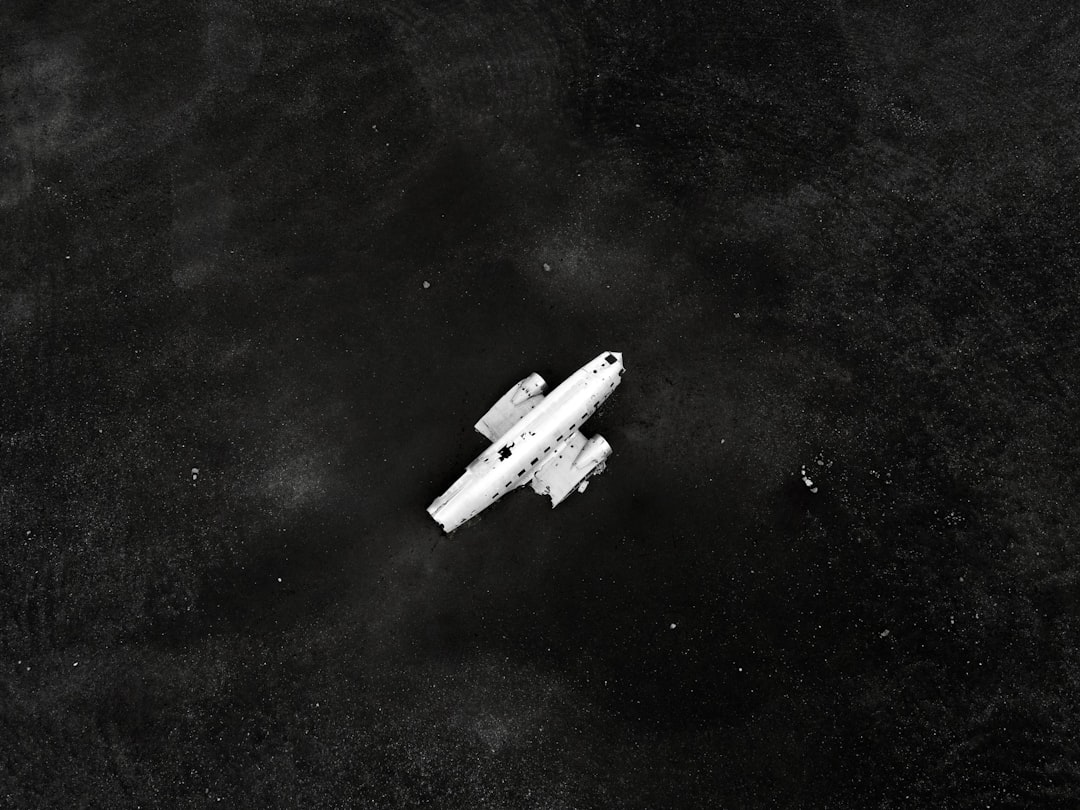
In recent years, the issue of space debris has escalated into a significant concern for both space agencies and private enterprises involved in satellite operations. As humanity’s presence in space expands, so too does the accumulation of defunct satellites, spent rocket stages, and fragments from collisions. The European Space Agency estimates that there are over 34,000 pieces of debris larger than 10 centimeters orbiting Earth, with millions of smaller fragments posing a risk to operational spacecraft.
This growing cloud of debris not only threatens the safety of current missions but also jeopardizes future endeavors in space exploration and satellite deployment. The implications of this burgeoning problem extend beyond the immediate risks to spacecraft. The increasing density of debris in certain orbits raises the likelihood of collisions, which can create even more debris in a cascading effect known as the Kessler Syndrome.
This phenomenon could render certain orbits unusable for generations, severely limiting access to space for scientific research, telecommunications, and navigation systems. As the number of active satellites continues to rise, the urgency to address the threat of space debris becomes more pronounced, necessitating innovative solutions and international collaboration.
Key Takeaways
- Space debris poses a growing threat to satellites and GPS systems.
- Space debris can impact GPS systems, leading to potential consequences such as navigation errors and communication disruptions.
- Current efforts to monitor and mitigate space debris include tracking and cataloging objects in space and developing technologies to remove debris.
- GPS plays a crucial role in modern society, affecting transportation, communication, and emergency services.
- GPS systems are vulnerable to space debris, and strategies for protecting them include shielding and maneuvering satellites.
The Impact of Space Debris on GPS Systems
Global Positioning System (GPS) technology relies on a constellation of satellites that orbit Earth, providing critical navigation and timing information to users worldwide. However, the presence of space debris poses a direct threat to these satellites, potentially leading to disruptions in service. A collision with even a small piece of debris can cause catastrophic damage to a satellite, resulting in loss of functionality and the subsequent loss of GPS signals.
This vulnerability is particularly concerning given the increasing reliance on GPS for various applications, from personal navigation to military operations. Moreover, the impact of space debris on GPS systems is not limited to physical damage. The potential for increased collision risk can lead to heightened operational costs as satellite operators may need to implement costly maneuvers to avoid debris.
These evasive actions can disrupt the intended orbital paths of satellites, leading to inaccuracies in positioning data. As GPS technology becomes more integrated into critical infrastructure, such as transportation systems and emergency services, the ramifications of space debris on these systems could have far-reaching consequences.
The Potential Consequences of GPS Failure

The failure of GPS systems due to space debris could have dire consequences across multiple sectors. In transportation, for instance, the aviation industry relies heavily on GPS for navigation and air traffic management. A disruption in GPS signals could lead to increased flight delays, misrouting of aircraft, and even accidents.
Similarly, maritime navigation systems depend on GPS for safe passage through busy shipping lanes. The loss of reliable positioning data could result in collisions at sea or grounding of vessels in hazardous areas. Beyond transportation, the implications extend into critical infrastructure sectors such as telecommunications and emergency services.
Many modern communication networks depend on precise timing signals provided by GPS satellites. A failure in these systems could lead to widespread communication breakdowns, affecting everything from mobile phone networks to internet connectivity. Emergency responders also rely on GPS for efficient routing during crises; without accurate location data, response times could be significantly delayed, potentially endangering lives.
Current Efforts to Monitor and Mitigate Space Debris
| Organization | Efforts | Metrics |
|---|---|---|
| NASA | Space Debris Tracking | Number of tracked debris objects |
| ESA | Active Debris Removal | Number of debris removed |
| SpaceX | Debris Mitigation Measures | Percentage reduction in debris creation |
Recognizing the growing threat posed by space debris, various organizations and governments have initiated efforts to monitor and mitigate its impact. Space agencies like NASA and ESA have developed sophisticated tracking systems that monitor debris in real-time, allowing operators to assess potential collision risks with active satellites. These tracking systems utilize ground-based radar and telescopes to detect and catalog debris, providing valuable data that can inform decision-making regarding satellite maneuvers.
In addition to monitoring efforts, there are ongoing research initiatives aimed at developing technologies for debris removal. Concepts such as robotic arms, nets, and harpoons have been proposed as potential solutions for capturing and deorbiting defunct satellites and larger debris fragments. Some private companies are also exploring innovative approaches to mitigate debris creation during satellite launches and operations.
These initiatives represent a proactive stance toward addressing the issue of space debris and ensuring the long-term sustainability of space activities.
The Role of GPS in Modern Society
GPS technology has become an integral part of modern society, influencing various aspects of daily life. From personal navigation applications on smartphones to advanced logistics systems used by businesses, GPS provides essential location-based services that enhance efficiency and convenience. In agriculture, farmers utilize GPS-guided equipment for precision farming, optimizing crop yields while minimizing resource use.
The technology has revolutionized industries by enabling real-time tracking and data analysis. Moreover, GPS plays a crucial role in scientific research and environmental monitoring. Researchers use GPS data to study climate change effects, track wildlife migration patterns, and monitor natural disasters.
The ability to obtain precise location information has transformed how scientists collect data and analyze trends over time. As society continues to evolve with technological advancements, the reliance on GPS will only deepen, making its protection from threats like space debris increasingly vital.
The Vulnerability of GPS Systems to Space Debris

Despite its critical importance, GPS systems remain vulnerable to the threats posed by space debris. The satellites that comprise the GPS constellation are not immune to collisions; even small fragments traveling at high velocities can cause significant damage upon impact. This vulnerability is exacerbated by the fact that many GPS satellites are designed with limited redundancy; if one satellite is compromised, it may not be easily replaced or repaired.
Furthermore, the increasing congestion in low Earth orbit (LEO) heightens the risk of collision events. As more satellites are launched—both for commercial purposes and governmental initiatives—the likelihood of encountering space debris increases correspondingly. This situation creates a precarious environment for GPS satellites that must navigate through a field littered with potential hazards.
The implications of such vulnerabilities extend beyond immediate operational concerns; they raise questions about the long-term viability of GPS technology in an increasingly crowded orbital landscape.
Strategies for Protecting GPS Systems from Space Debris
To safeguard GPS systems from the threats posed by space debris, several strategies can be employed. One approach involves enhancing satellite design to improve resilience against potential impacts. This could include reinforcing satellite structures or incorporating shielding materials that can withstand collisions with smaller debris fragments.
Additionally, developing autonomous collision avoidance systems could allow satellites to maneuver away from potential threats without human intervention.
By establishing guidelines that require operators to deorbit defunct satellites within a specified timeframe or design satellites with controlled reentry capabilities, the creation of new debris can be minimized.
International cooperation is essential in this regard; countries must work together to establish comprehensive policies that prioritize the long-term sustainability of space activities while protecting vital systems like GPS.
The Importance of Space Situational Awareness
Space situational awareness (SSA) is critical for understanding and managing the risks associated with space debris. SSA encompasses the ability to detect, track, and predict the movement of objects in orbit around Earth. By maintaining an accurate picture of the space environment, operators can make informed decisions regarding satellite operations and collision avoidance maneuvers.
Investing in advanced tracking technologies and data-sharing initiatives is essential for enhancing SSA capabilities. Collaborative efforts among nations and private entities can lead to improved tracking networks that provide real-time information about debris movements. Furthermore, fostering a culture of transparency within the space community can facilitate better communication regarding potential risks and promote proactive measures to mitigate them.
The Need for International Cooperation in Addressing Space Debris
Addressing the challenge of space debris requires a concerted international effort. As space activities become increasingly globalized, the responsibility for managing orbital environments must be shared among nations and private stakeholders alike. Establishing international agreements that outline best practices for satellite design, launch protocols, and end-of-life disposal is crucial for minimizing debris creation.
By fostering collaboration and encouraging knowledge sharing, these organizations can help develop comprehensive frameworks that address both current challenges and future risks associated with space debris.
The Future of GPS Technology and Space Debris Mitigation
Looking ahead, the future of GPS technology will likely be shaped by ongoing efforts to mitigate the risks posed by space debris. As advancements in satellite design and tracking technologies continue to evolve, it is essential for stakeholders to prioritize sustainability in their operations. This may involve investing in research aimed at developing innovative solutions for debris removal or enhancing satellite resilience against potential impacts.
Moreover, as new technologies emerge—such as alternative positioning systems or ground-based navigation solutions—there may be opportunities to diversify reliance on traditional GPS systems. By exploring complementary technologies that can provide redundancy in navigation capabilities, society can better prepare for potential disruptions caused by space debris or other unforeseen challenges.
Steps Individuals Can Take to Prepare for GPS Failure
While much of the responsibility for addressing space debris lies with governments and organizations involved in space activities, individuals can also take proactive steps to prepare for potential GPS failures. One practical measure is to familiarize oneself with alternative navigation methods such as paper maps or compass skills; these traditional tools can serve as reliable backups when technology fails. Additionally, individuals should consider investing in devices that do not solely rely on GPS signals for navigation or timing information.
For instance, some smartphones offer offline mapping capabilities that utilize stored data rather than real-time GPS signals. By being aware of these alternatives and developing contingency plans for navigation during emergencies or disruptions, individuals can enhance their resilience against potential GPS failures caused by space debris or other factors. In conclusion, as humanity continues its journey into space, addressing the growing threat of space debris becomes increasingly critical—especially concerning vital systems like GPS technology.
Through collaborative efforts at national and international levels, innovative strategies for monitoring and mitigating debris risks can be developed while ensuring that society remains connected and navigable in an ever-evolving technological landscape.
Space debris poses a significant threat to the functionality of GPS systems, as collisions with satellites can lead to disruptions in navigation and communication services. An article on this topic, which delves into the potential consequences of space debris on GPS technology, can be found on My Cosmic Ventures. For more detailed insights, you can read the full article by visiting this link. The article explores the increasing amount of debris in Earth’s orbit and the measures being taken to mitigate the risks associated with it, ensuring the continued reliability of GPS systems worldwide.
🌌 WATCH THIS! The Billion-Dollar Satellite That Will Trap Humanity on Earth
FAQs
What is space debris?
Space debris, also known as space junk, refers to the defunct human-made objects in space, including old satellites, spent rocket stages, and fragments from disintegration, erosion, and collisions.
How does space debris affect GPS systems?
Space debris poses a threat to GPS systems by potentially colliding with operational satellites, causing damage or destruction. This can lead to interruptions or failures in GPS services, affecting various industries and activities that rely on GPS technology.
What are the potential consequences of GPS failure due to space debris?
GPS failure due to space debris can have significant consequences, including disruptions to navigation systems for aircraft, ships, and vehicles, as well as impacts on timing and synchronization for critical infrastructure such as telecommunications, banking, and power grids.
How is space debris monitored and mitigated?
Space agencies and organizations around the world monitor space debris using radar and other tracking systems. Efforts to mitigate space debris include implementing guidelines for satellite disposal, designing spacecraft to limit debris generation, and developing technologies for active debris removal.
What measures are being taken to prevent GPS failure caused by space debris?
To prevent GPS failure caused by space debris, space agencies and satellite operators are working to improve collision avoidance strategies, enhance spacecraft resilience, and develop advanced tracking and warning systems to minimize the risk of collisions with space debris.