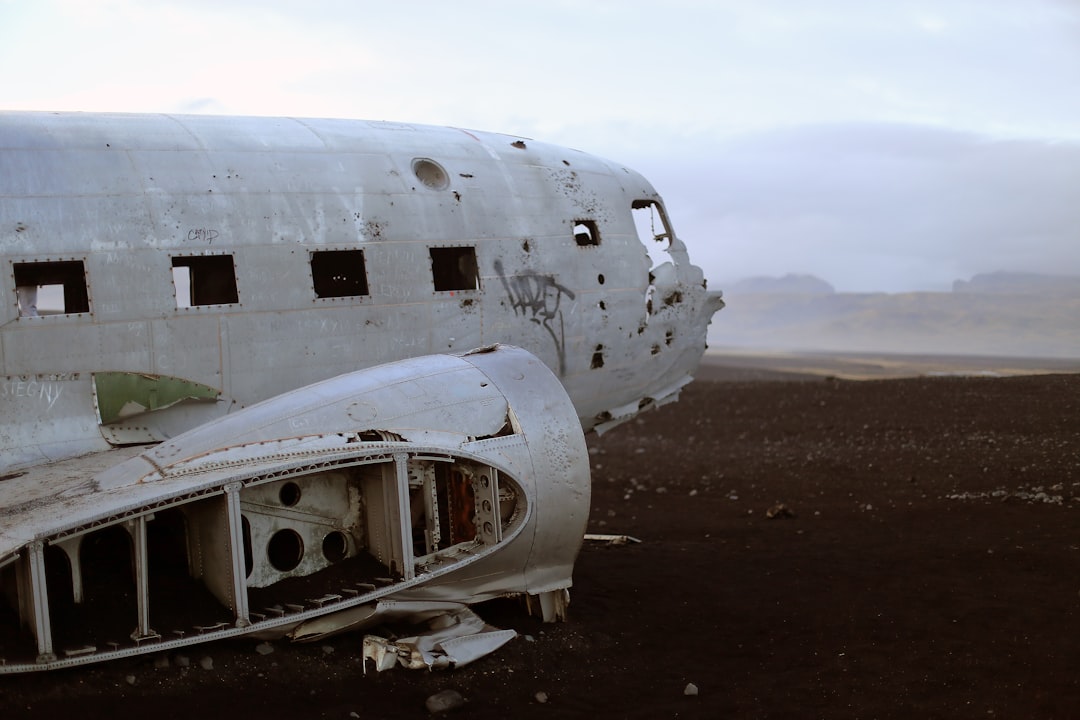
The issue of space debris has escalated into a significant concern for both space agencies and the aviation industry. As humanity’s presence in space has expanded, so too has the accumulation of defunct satellites, spent rocket stages, and fragments from collisions. Estimates suggest that there are millions of pieces of debris orbiting Earth, with thousands of these objects being large enough to pose a threat to operational spacecraft and satellites.
This growing cloud of debris not only complicates space missions but also raises alarms about the potential for catastrophic collisions that could have far-reaching consequences. The proliferation of space debris is largely attributed to the rapid increase in satellite launches over the past few decades. With the advent of commercial space ventures and the race for technological supremacy, the number of satellites in orbit has surged.
Each launch adds to the existing debris field, creating a precarious environment for both current and future missions.
As the situation worsens, it becomes increasingly clear that effective management strategies must be developed to mitigate the risks associated with this growing problem.
Key Takeaways
- Space debris is a growing problem that poses a threat to aviation safety.
- Current measures for space debris management are in place, but collaborative efforts are needed for effective tracking and monitoring.
- Space debris mitigation strategies are crucial for ensuring aviation safety in the future.
- International space agencies play a key role in managing space debris and developing removal technologies.
- Public awareness and education on space debris are important for addressing future challenges and opportunities in space debris management.
Impact of Space Debris on Aviation Safety
The implications of space debris extend beyond the realm of outer space; they also pose a unique threat to aviation safety. While commercial airliners operate at altitudes far below the majority of space debris, the potential for debris to re-enter the Earth’s atmosphere remains a critical concern. In rare instances, larger pieces of debris can survive re-entry and land in populated areas, leading to potential injuries or fatalities.
The unpredictability of these events necessitates a comprehensive understanding of debris trajectories and re-entry patterns to ensure public safety. Moreover, the increasing density of space debris can have indirect effects on aviation operations. For instance, satellite systems that provide essential services such as GPS navigation and weather forecasting can be disrupted by collisions or damage caused by debris.
This disruption can lead to navigational errors, impacting flight safety and efficiency. As air traffic becomes more reliant on satellite technology, the aviation industry must remain vigilant about the potential ramifications of space debris on its operations.
Current Measures for Space Debris Management
In response to the growing threat posed by space debris, various measures have been implemented to manage and mitigate its impact. Space agencies around the world have begun to adopt guidelines aimed at reducing the creation of new debris. These guidelines often include recommendations for end-of-life disposal strategies for satellites, such as deorbiting or moving them to a “graveyard” orbit.
By ensuring that defunct satellites are removed from operational orbits, agencies can help minimize the risk of collisions and further debris generation. Additionally, advancements in tracking technology have enabled better monitoring of existing debris. Organizations like the United States Space Surveillance Network (SSN) utilize radar and optical systems to track thousands of objects in orbit.
This data is crucial for predicting potential collisions and providing warnings to satellite operators. However, despite these efforts, challenges remain in effectively managing the vast number of objects in space, highlighting the need for continued innovation and collaboration among stakeholders.
Collaborative Efforts in Space Debris Tracking and Monitoring
| Organization | Collaborative Efforts | Technology Used |
|---|---|---|
| European Space Agency (ESA) | Collaborates with NASA and other space agencies to track and monitor space debris | Radar and optical telescopes |
| NASA | Partners with international space agencies to share data and coordinate tracking efforts | Ground-based radars and space-based sensors |
| Space Surveillance Network (SSN) | Collaborates with commercial and international partners to improve space debris tracking | Ground-based radars and optical telescopes |
Collaboration among international space agencies and private companies is essential for effective tracking and monitoring of space debris. The complexity of the issue requires a unified approach that transcends national borders. Initiatives such as the Inter-Agency Space Debris Coordination Committee (IADC) bring together experts from various countries to share data, research findings, and best practices related to debris management.
This collaborative framework fosters a global understanding of the challenges posed by space debris and encourages joint efforts to develop solutions. Moreover, private companies are increasingly playing a role in tracking space debris. With advancements in technology, commercial entities are developing innovative systems for monitoring debris and providing real-time data to satellite operators.
These partnerships between public and private sectors enhance the overall capability to track debris and respond to potential threats. By pooling resources and expertise, stakeholders can create a more comprehensive approach to managing space debris and ensuring the safety of both space missions and aviation operations.
Space Debris Mitigation Strategies for Aviation Safety
To safeguard aviation safety from the threats posed by space debris, several mitigation strategies can be employed. One key approach involves enhancing satellite design to minimize debris generation during their operational life and at end-of-life disposal. This includes incorporating features that allow satellites to deorbit safely or move to less congested orbits once they are no longer functional.
By designing satellites with end-of-life considerations in mind, manufacturers can significantly reduce the likelihood of contributing to the debris problem. Another important strategy is improving communication between aviation authorities and space agencies regarding potential re-entry events. By sharing information about large pieces of debris that may re-enter the atmosphere, aviation authorities can take proactive measures to ensure public safety.
This could involve rerouting flights or issuing temporary no-fly zones in areas where debris is expected to land. Such coordinated efforts can help mitigate risks associated with falling debris while maintaining operational efficiency in air travel.
The Role of International Space Agencies in Space Debris Management
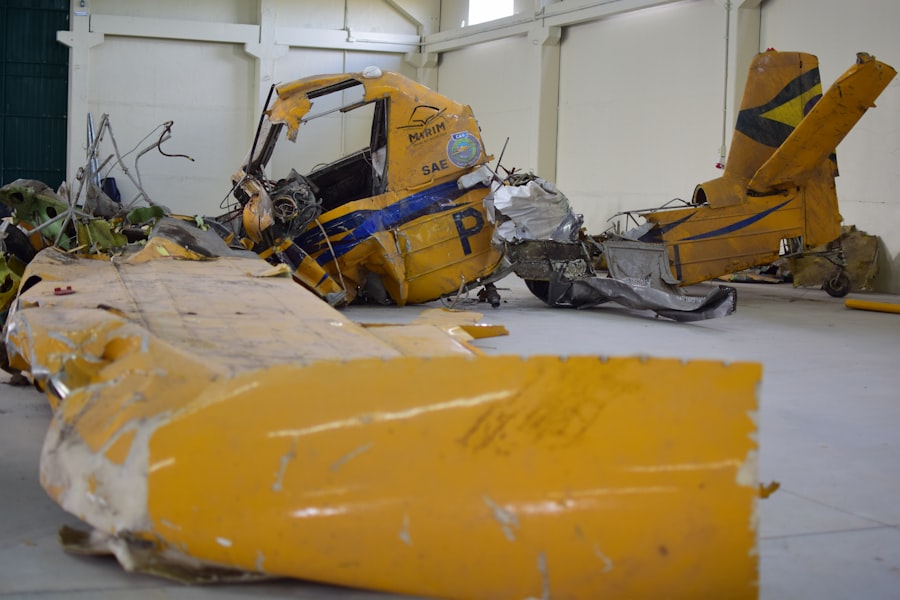
International space agencies play a pivotal role in addressing the challenges posed by space debris through research, policy development, and collaborative initiatives. Organizations such as NASA, ESA (European Space Agency), and Roscosmos (Russian Federal Space Agency) have established programs dedicated to studying space debris and developing strategies for its management. These agencies conduct research on debris behavior, collision avoidance techniques, and technologies for active debris removal.
Furthermore, international agreements and treaties are essential for establishing a framework for responsible behavior in space. The Outer Space Treaty and subsequent agreements emphasize the importance of minimizing space debris generation and ensuring that nations take responsibility for their activities in orbit. By fostering a culture of accountability among nations, international space agencies can promote sustainable practices that protect both space operations and aviation safety.
Space Debris Removal Technologies and Initiatives
As awareness of the space debris problem grows, so too does interest in developing technologies aimed at actively removing debris from orbit. Various initiatives are underway to explore innovative solutions for cleaning up space junk. Concepts such as robotic arms, nets, and harpoons have been proposed as potential methods for capturing larger pieces of debris and deorbiting them safely.
These technologies are still in experimental stages but hold promise for addressing the existing debris problem. One notable initiative is the European Space Agency’s ClearSpace-1 mission, which aims to demonstrate active debris removal capabilities by capturing a defunct satellite using a robotic system. Such missions not only provide valuable data on removal techniques but also raise awareness about the importance of addressing space debris as a global challenge.
As these technologies advance, they could play a crucial role in reducing the risks associated with space debris for both current operations and future missions.
Policy and Regulatory Framework for Space Debris Management
A robust policy and regulatory framework is essential for effective management of space debris. Governments and international organizations must establish clear guidelines that govern satellite launches, operations, and end-of-life disposal practices. These regulations should encourage responsible behavior among satellite operators while promoting innovation in debris mitigation technologies.
Additionally, compliance mechanisms must be put in place to ensure that all stakeholders adhere to established guidelines. This may involve regular reporting on satellite status, adherence to end-of-life disposal plans, and participation in data-sharing initiatives related to tracking debris. By creating a comprehensive regulatory environment, policymakers can foster accountability among operators while promoting sustainable practices that protect both space operations and aviation safety.
Future Challenges and Opportunities in Space Debris Management
Looking ahead, several challenges remain in effectively managing space debris while ensuring aviation safety. The rapid pace of technological advancement in satellite launches presents ongoing risks as new players enter the market without established best practices for debris mitigation. Additionally, as more countries develop their own space programs, there is a growing need for international cooperation to address shared challenges related to space traffic management.
The development of new technologies for tracking and removing debris can lead to advancements that benefit both space exploration and aviation safety. Furthermore, increased public awareness about the issue can drive demand for responsible practices among satellite operators and encourage investment in sustainable solutions.
Importance of Public Awareness and Education on Space Debris
Raising public awareness about space debris is crucial for fostering a culture of responsibility among stakeholders involved in space activities. Educational initiatives can help inform individuals about the risks associated with space junk and promote understanding of its implications for aviation safety. By engaging with schools, universities, and community organizations, experts can share knowledge about the importance of sustainable practices in space exploration.
Moreover, public awareness campaigns can encourage individuals to advocate for policies that prioritize responsible behavior in orbit. As citizens become more informed about the challenges posed by space debris, they may be more inclined to support initiatives aimed at mitigating its impact on aviation safety and overall space sustainability.
The Need for Continued Efforts in Managing Space Debris for Aviation Safety
In conclusion, the growing problem of space debris presents significant challenges that require immediate attention from both international agencies and private stakeholders alike. The impact on aviation safety cannot be understated; as reliance on satellite technology increases, so too does the need for effective management strategies that address this pressing issue. Collaborative efforts among nations, advancements in tracking technologies, innovative removal initiatives, and robust regulatory frameworks are all essential components in tackling this complex problem.
As humanity continues its journey into outer space, it is imperative that all parties involved recognize their responsibility in preserving this environment for future generations. Continued efforts toward education and public awareness will further enhance understanding of the importance of managing space debris effectively. Only through collective action can we hope to ensure safe skies above while safeguarding our shared orbital environment from further degradation.
Space debris poses a significant threat to both space operations and aviation safety, as the increasing amount of debris in Earth’s orbit can lead to potential collisions with satellites and even impact aircraft during high-altitude flights. An article on this topic, which delves into the challenges and solutions related to space debris and its implications for aviation safety, can be found on My Cosmic Ventures. For more detailed insights, you can read the article by visiting this link. This resource provides a comprehensive overview of the current state of space debris and the measures being taken to mitigate its risks.
🌌 WATCH THIS! The Billion-Dollar Satellite That Will Trap Humanity on Earth
FAQs
What is space debris?
Space debris, also known as space junk, refers to defunct human-made objects in space, including old satellites, spent rocket stages, and fragments from disintegration, erosion, and collisions.
How does space debris pose a threat to aviation safety?
Space debris can pose a threat to aviation safety when it re-enters the Earth’s atmosphere and falls to the ground. The debris can potentially damage aircraft, airports, and other aviation infrastructure.
What measures are in place to mitigate the risk of space debris to aviation safety?
Various organizations, including the United Nations Office for Outer Space Affairs and the Inter-Agency Space Debris Coordination Committee, work to track and monitor space debris. Additionally, aviation authorities and organizations collaborate to develop procedures for managing the risk of space debris to aviation safety.
How common are incidents involving space debris and aviation safety?
While incidents involving space debris and aviation safety are relatively rare, the potential consequences of a collision with space debris are significant, leading to efforts to monitor and mitigate the risk.
What are some potential future challenges related to space debris and aviation safety?
As the amount of space debris continues to increase, there is a growing concern about the potential impact on aviation safety. Efforts to address this challenge include developing technologies to remove space debris and improving international cooperation on space debris mitigation.