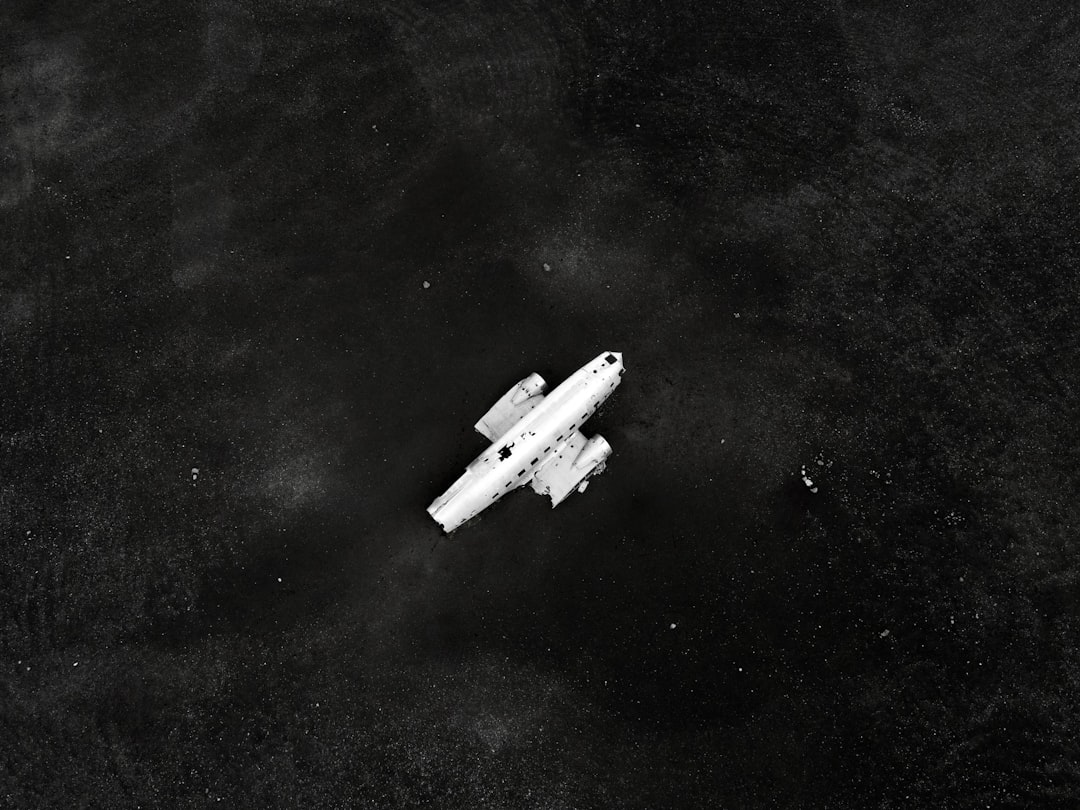
Space debris, often referred to as space junk, encompasses a wide array of non-functional objects orbiting Earth. This includes defunct satellites, spent rocket stages, and fragments resulting from collisions or disintegration of spacecraft. As humanity’s presence in space has expanded, so too has the accumulation of these remnants.
The increasing number of satellites launched for communication, navigation, and scientific research has exacerbated the problem, leading to a congested orbital environment. The issue of space debris is not merely a nuisance; it poses significant risks to operational satellites and crewed missions, making it a pressing concern for space agencies and private enterprises alike. The origins of space debris can be traced back to the dawn of the space age in the late 1950s.
Since then, thousands of objects have been left in orbit, many of which are no longer functional. The situation has become increasingly precarious as the density of objects in certain orbits rises, leading to a higher likelihood of collisions. These collisions can create even more debris, resulting in a cascading effect known as the Kessler Syndrome, where the density of objects in low Earth orbit becomes so high that collisions become inevitable.
This phenomenon underscores the urgent need for effective management and mitigation strategies to address the growing threat posed by space debris.
Key Takeaways
- Space debris poses a significant threat to space operations and the safety of satellites and spacecraft.
- Current international laws and regulations on space debris are limited and face challenges in enforcement.
- International organizations play a crucial role in addressing space debris and promoting cooperation among spacefaring nations.
- Ignoring space debris can lead to potential risks and consequences, including collisions and damage to critical space assets.
- Efforts to mitigate and remove space debris are essential, and emerging technologies and strategies offer potential solutions for space debris management.
The Impact of Space Debris on Space Operations
The presence of space debris has profound implications for space operations. Satellites, which are critical for communication, weather forecasting, and navigation, must constantly maneuver to avoid potential collisions with debris. This necessitates additional fuel and resources, increasing operational costs and complicating mission planning.
For instance, a collision with even a small piece of debris can cause significant damage due to the high velocities at which these objects travel. In addition to financial implications, the threat posed by space debris extends to human safety.
Crewed missions, such as those conducted by NASA and other space agencies, face heightened risks when navigating through regions populated by debris. The International Space Station (ISS), for example, regularly performs avoidance maneuvers to steer clear of potential collisions. Such actions not only disrupt scientific research but also place astronauts at risk.
The growing awareness of these dangers has prompted calls for more stringent measures to monitor and manage space debris effectively.
Current International Laws and Regulations on Space Debris

International efforts to address space debris have led to the establishment of various laws and regulations aimed at mitigating its impact. The Outer Space Treaty of 1967 serves as a foundational framework for international space law, emphasizing that space shall be used for peaceful purposes and that nations are responsible for their activities in outer space. This treaty lays the groundwork for accountability regarding space debris, as it obligates countries to avoid harmful interference with other nations’ space activities.
In addition to the Outer Space Treaty, several guidelines have been developed by organizations such as the United Nations Committee on the Peaceful Uses of Outer Space (COPUOS). These guidelines recommend best practices for satellite design, operation, and end-of-life disposal to minimize the creation of new debris. However, while these guidelines are widely recognized, they lack binding enforcement mechanisms, which raises questions about their effectiveness in curbing the proliferation of space debris.
Challenges in Enforcing International Laws on Space Debris
| Challenges | Details |
|---|---|
| Lack of comprehensive international laws | There is no single international treaty specifically addressing space debris, making enforcement difficult. |
| Complexity of space debris tracking | Space debris is constantly moving and tracking its location and potential collisions is a complex task. |
| Technological limitations | Current technology may not be advanced enough to effectively remove or mitigate space debris. |
| Lack of enforcement mechanisms | Even if international laws are in place, there may be limited mechanisms to enforce them. |
| International cooperation | Space debris is a global issue, requiring cooperation among multiple countries, which can be challenging to achieve. |
Despite the existence of international laws and guidelines regarding space debris, enforcing these regulations presents significant challenges. One major obstacle is the lack of a centralized authority with the power to impose penalties or sanctions on nations that fail to comply with established norms. The decentralized nature of space activities means that individual countries often operate independently, leading to inconsistencies in adherence to best practices.
Furthermore, the rapid pace of technological advancement in the space sector complicates regulatory efforts. New satellite constellations and commercial ventures are emerging at an unprecedented rate, often outpacing existing regulations. This dynamic environment makes it difficult for international bodies to keep up with developments and adapt regulations accordingly.
As a result, many countries may prioritize their national interests over collective responsibility, undermining global efforts to manage space debris effectively.
The Role of International Organizations in Addressing Space Debris
International organizations play a crucial role in addressing the challenges posed by space debris. The United Nations Office for Outer Space Affairs (UNOOSA) is at the forefront of promoting international cooperation in the peaceful use of outer space. Through initiatives such as COPUOS, UNOOSA facilitates discussions among member states on best practices for debris mitigation and encourages collaboration on research and technology development.
Additionally, organizations like the European Space Agency (ESA) and NASA have taken proactive steps to address space debris through research programs and public awareness campaigns. ESA’s Clean Space initiative aims to develop technologies for debris removal and promote sustainable practices among European nations. By fostering collaboration between governments, industry stakeholders, and academia, these organizations are working towards creating a comprehensive framework for managing space debris on a global scale.
Potential Risks and Consequences of Ignoring Space Debris

Ignoring the issue of space debris could have dire consequences for both current and future space operations. As the number of satellites continues to grow, so does the likelihood of collisions that can generate even more debris. This escalating cycle could lead to a scenario where certain orbits become too hazardous for operational use, effectively limiting access to vital orbital slots for new satellites.
Such restrictions could stifle innovation and hinder advancements in technology that rely on satellite infrastructure. Moreover, the potential for catastrophic events increases as more countries engage in space activities without adequate consideration for debris management. A significant collision could not only destroy valuable assets but also create a hazardous environment that jeopardizes human life in orbit.
The long-term sustainability of space exploration hinges on addressing these risks proactively; failure to do so could result in a future where space becomes increasingly inaccessible due to safety concerns.
Efforts to Mitigate and Remove Space Debris
In response to the growing threat posed by space debris, various efforts are underway to mitigate its impact and develop removal strategies. One approach involves designing satellites with end-of-life plans that include deorbiting mechanisms or methods for moving defunct satellites to graveyard orbits. By ensuring that satellites are removed from operational orbits at the end of their missions, the creation of new debris can be minimized.
Additionally, innovative technologies are being explored for active debris removal (ADR). Concepts such as robotic arms, nets, and harpoons have been proposed as potential solutions for capturing and deorbiting larger pieces of debris. Several private companies and research institutions are actively developing prototypes and conducting tests to assess their feasibility.
These initiatives represent a promising step towards addressing the existing debris problem while also paving the way for sustainable practices in future satellite design.
The Need for International Cooperation in Managing Space Debris
The complexity of managing space debris necessitates international cooperation among nations and stakeholders involved in space activities.
Countries must work together to establish common standards and practices that promote responsible behavior in orbit.
International forums provide an opportunity for dialogue and knowledge sharing among nations regarding best practices for debris management. By fostering partnerships between governments, private companies, and research institutions, stakeholders can pool resources and expertise to tackle this global issue more effectively. Collaborative initiatives can also enhance data sharing regarding tracking and monitoring debris, enabling better decision-making for satellite operators.
Emerging Technologies and Strategies for Space Debris Management
As technology continues to evolve rapidly, new strategies are emerging for managing space debris more effectively. Advanced tracking systems utilizing radar and optical sensors are being developed to monitor debris more accurately and predict potential collision risks. These systems can provide real-time data that allows satellite operators to make informed decisions about maneuvering their assets.
Moreover, innovative materials and designs are being explored for future satellites that prioritize sustainability. For instance, lightweight materials that reduce fuel consumption during launch can also facilitate easier deorbiting at the end of a satellite’s life cycle. Additionally, concepts such as “smart” satellites equipped with onboard propulsion systems can autonomously adjust their orbits to avoid collisions with debris.
The Role of Spacefaring Nations in Addressing Space Debris
Spacefaring nations bear a significant responsibility in addressing the issue of space debris due to their extensive involvement in satellite launches and operations. These countries must lead by example by adhering to established guidelines and actively participating in international discussions on debris management. By prioritizing responsible practices within their own programs, they can set a standard for emerging spacefaring nations.
Furthermore, collaboration among established spacefaring nations can facilitate knowledge transfer and capacity building for countries with developing space programs. By sharing expertise on best practices for satellite design and end-of-life disposal strategies, these nations can help foster a culture of responsibility within the global community. Ultimately, collective action is essential for ensuring that all nations contribute to sustainable practices in outer space.
Future Outlook and Recommendations for Addressing Space Debris Through International Law
The future outlook for addressing space debris hinges on strengthening international laws and regulations while fostering collaboration among nations. It is imperative that countries recognize the shared nature of outer space and work together towards common goals in managing debris effectively. This may involve revisiting existing treaties to incorporate binding commitments related to debris mitigation and removal.
Additionally, establishing an international regulatory body dedicated solely to overseeing space activities could enhance compliance with established norms while providing a platform for dispute resolution among nations. Such an organization could facilitate data sharing on tracking debris and promote research into innovative technologies aimed at reducing existing hazards. In conclusion, addressing the issue of space debris requires concerted efforts from all stakeholders involved in space activities.
By prioritizing international cooperation, investing in emerging technologies, and strengthening legal frameworks, humanity can work towards ensuring a sustainable future in outer space—one where exploration can continue without jeopardizing safety or accessibility for generations to come.
Space debris has become an increasingly pressing issue as the number of satellites and other objects in Earth’s orbit continues to grow. The challenge of managing this debris is not only a technical one but also a legal one, as it involves international law and cooperation among nations. An insightful article on this topic can be found on My Cosmic Ventures, which discusses the complexities of space debris management and the role of international law in addressing these challenges. For more information, you can read the full article by visiting My Cosmic Ventures.
🌌 WATCH THIS! The Billion-Dollar Satellite That Will Trap Humanity on Earth
FAQs
What is space debris?
Space debris, also known as space junk, refers to defunct human-made objects in space, including old satellites, spent rocket stages, and fragments from disintegration, erosion, and collisions.
Why is space debris a concern?
Space debris poses a threat to operational spacecraft and astronauts in space. Collisions with debris can cause damage and generate more debris, leading to a potential cascade effect known as the Kessler syndrome.
What is international law regarding space debris?
International law related to space debris is primarily governed by the Outer Space Treaty of 1967, which establishes the principles of peaceful use of outer space and the prevention of harmful contamination of space. Additionally, the United Nations Committee on the Peaceful Uses of Outer Space (COPUOS) has developed guidelines and best practices for space debris mitigation.
What are the key principles of space debris mitigation under international law?
The key principles of space debris mitigation under international law include minimizing the creation of new debris, limiting the potential for collisions, and ensuring the safe disposal of spacecraft at the end of their missions.
How do countries address space debris in their national laws and policies?
Many countries have developed national laws and policies that align with international guidelines for space debris mitigation. These may include requirements for spacecraft disposal, collision avoidance measures, and reporting of space debris incidents.