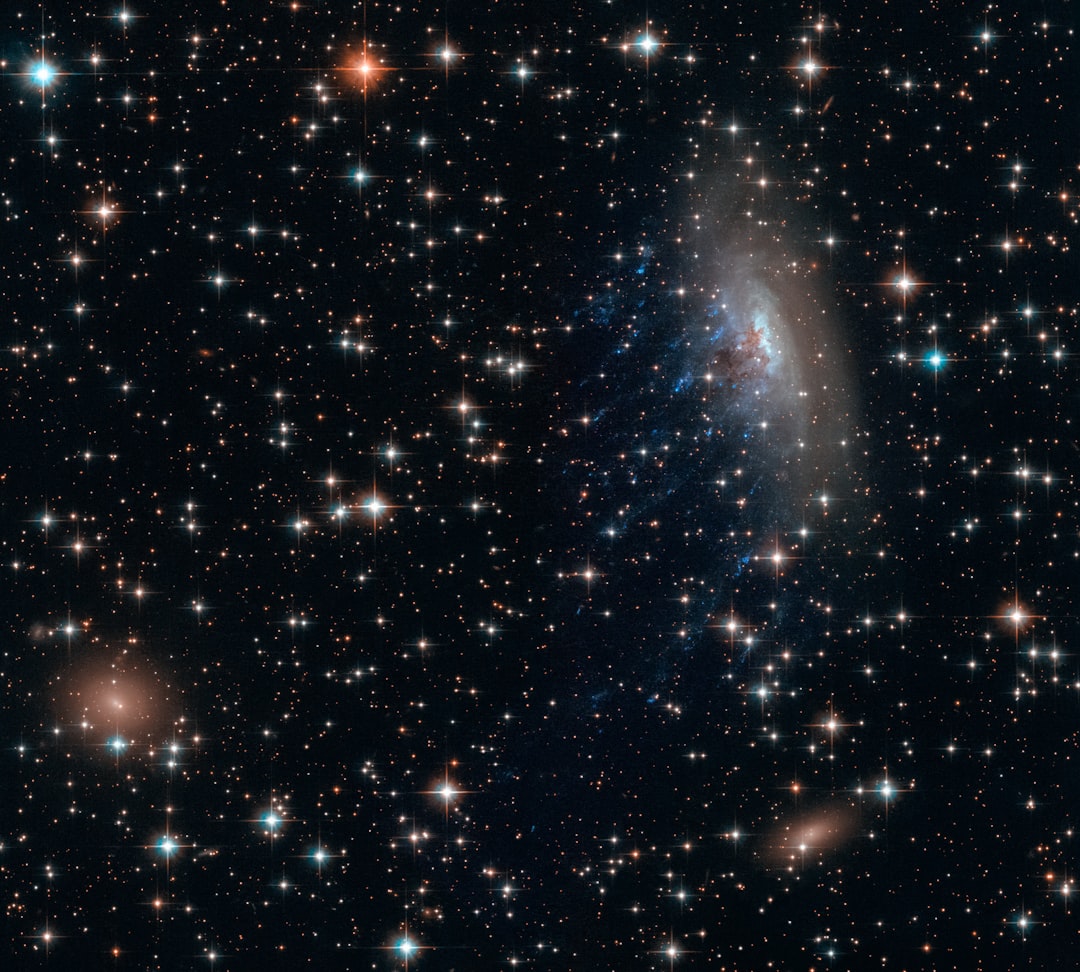
Supercomputer simulations have emerged as a cornerstone of modern astrophysics, enabling researchers to explore the complexities of the universe in ways that were previously unimaginable. These powerful computational tools allow scientists to model intricate phenomena, from the behavior of subatomic particles to the vast structures of galaxies and galaxy clusters. By harnessing the immense processing power of supercomputers, researchers can simulate scenarios that span billions of years, providing insights into the formation and evolution of cosmic structures.
The ability to visualize and analyze these simulations has revolutionized the field, offering a deeper understanding of the fundamental forces that shape the universe. The significance of supercomputer simulations extends beyond mere visualization; they serve as a bridge between theoretical predictions and observational data. As astronomers gather more information about the cosmos through telescopes and other instruments, supercomputer simulations help interpret these findings within a broader context.
This interplay between observation and simulation is crucial for validating theories of cosmic evolution and understanding the underlying physics that governs the universe. As technology continues to advance, the potential for supercomputer simulations to unlock new discoveries in astrophysics remains vast.
Key Takeaways
- Supercomputer simulations play a crucial role in advancing our understanding of complex phenomena in the universe.
- Galaxy clusters, the largest structures in the universe, are essential for studying the evolution of the cosmos.
- Studying galaxy cluster formation poses significant challenges due to their immense size and complexity.
- Supercomputer simulations enable researchers to model and understand the formation and evolution of galaxy clusters.
- Key findings from supercomputer simulations provide valuable insights into the dynamics and behavior of galaxy clusters.
Understanding Galaxy Clusters
Galaxy clusters are among the largest gravitationally bound structures in the universe, containing hundreds to thousands of galaxies, along with hot gas and dark matter. These colossal formations are not only fascinating in their own right but also serve as vital laboratories for studying the fundamental properties of the universe. By examining galaxy clusters, scientists can glean insights into the distribution of dark matter, the behavior of gas under extreme conditions, and the processes that govern galaxy formation and evolution.
The study of these massive structures provides a unique window into the history of the cosmos, revealing how matter has coalesced over billions of years. The formation of galaxy clusters is a complex process influenced by various factors, including gravitational interactions and the expansion of the universe. As matter clumps together under gravity, it forms smaller structures that eventually merge to create larger clusters.
This hierarchical model of structure formation is a key aspect of cosmological theories, and understanding it requires sophisticated modeling techniques. Supercomputer simulations play a pivotal role in this endeavor, allowing researchers to recreate the conditions necessary for cluster formation and to explore how different variables affect their development.
Challenges in Studying Galaxy Cluster Formation
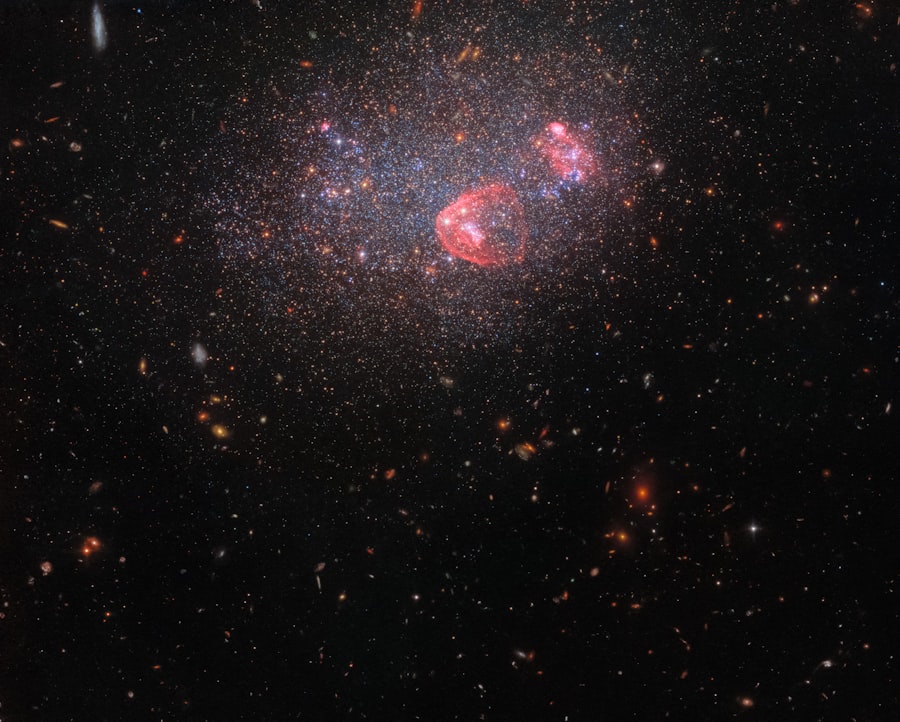
Despite their importance, studying galaxy cluster formation presents numerous challenges. One significant hurdle is the sheer scale of these structures; they can span millions of light-years and contain vast amounts of matter. Observationally, capturing detailed images and data from such expansive regions is inherently difficult.
Telescopes must be equipped with advanced technology to detect faint signals from distant clusters, often requiring long exposure times and sophisticated imaging techniques. Additionally, many galaxy clusters are located at great distances from Earth, making them difficult to observe directly. Another challenge lies in the complex physics involved in cluster formation.
The interplay between dark matter, baryonic matter (the ordinary matter that makes up stars and galaxies), and cosmic radiation creates a dynamic environment that is not easily modeled. Factors such as gas dynamics, magnetic fields, and feedback processes from active galactic nuclei can significantly influence cluster evolution. As a result, researchers must develop comprehensive models that account for these variables while also ensuring that their simulations remain computationally feasible.
Role of Supercomputer Simulations
| Metrics | Data |
|---|---|
| Speed | Trillions of calculations per second |
| Accuracy | Precision in predicting complex phenomena |
| Energy Consumption | High power usage for processing |
| Cost | Millions of dollars for development and maintenance |
Supercomputer simulations have become indispensable tools for overcoming the challenges associated with studying galaxy clusters. By leveraging immense computational power, researchers can create detailed models that incorporate a wide range of physical processes. These simulations allow scientists to explore various scenarios and test hypotheses about how galaxy clusters form and evolve over time.
The ability to manipulate parameters within these models provides valuable insights into the underlying mechanisms driving cluster dynamics. Moreover, supercomputer simulations enable researchers to visualize complex phenomena that would otherwise be impossible to observe directly. By generating high-resolution images and animations, scientists can better understand the intricate interactions between galaxies, gas, and dark matter within clusters.
This visual representation not only aids in data analysis but also serves as an educational tool for communicating findings to both the scientific community and the public. As simulations become increasingly sophisticated, they continue to enhance our understanding of galaxy clusters and their role in the broader context of cosmology.
Simulating the Formation of Galaxy Clusters
The process of simulating galaxy cluster formation involves several key steps, each requiring careful consideration and advanced computational techniques. Initially, researchers must establish initial conditions based on current cosmological models, which include parameters such as density fluctuations in the early universe and the distribution of dark matter. These initial conditions serve as the foundation for running simulations that can span billions of years in cosmic time.
Once the initial conditions are set, supercomputers employ numerical methods to solve complex equations governing gravitational interactions and fluid dynamics. These calculations must account for various physical processes, including gas cooling, star formation, and feedback from supernovae and active galactic nuclei. The resulting simulations produce a wealth of data that can be analyzed to understand how clusters evolve over time, including their mass distribution, temperature profiles, and galaxy populations.
Key Findings from Supercomputer Simulations
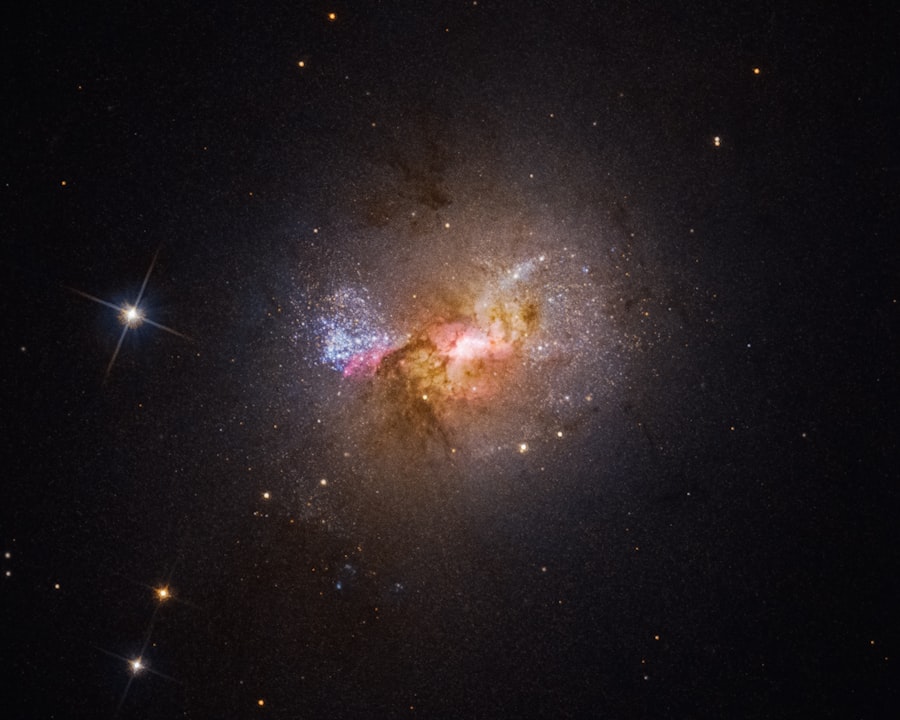
Supercomputer simulations have yielded numerous key findings that have advanced our understanding of galaxy clusters and their formation processes. One significant discovery is the role of dark matter in shaping cluster dynamics. Simulations have shown that dark matter halos provide the gravitational scaffolding necessary for galaxies to form and cluster together.
This insight has reinforced the importance of dark matter in cosmological models and has led to further investigations into its properties. Additionally, simulations have revealed how baryonic processes influence cluster evolution. For instance, they have demonstrated that gas cooling can lead to star formation within clusters, affecting the overall mass distribution and dynamics.
Feedback mechanisms from supernovae and active galactic nuclei have also been shown to play critical roles in regulating star formation rates and preventing excessive cooling of gas within clusters. These findings underscore the intricate interplay between dark matter and baryonic matter in shaping cosmic structures.
Implications for Cosmology and Astrophysics
The implications of findings from supercomputer simulations extend far beyond galaxy clusters themselves; they resonate throughout the fields of cosmology and astrophysics. By providing insights into cluster formation and evolution, these simulations contribute to our understanding of large-scale structure in the universe. They help refine cosmological models by offering predictions that can be tested against observational data from telescopes and other instruments.
Furthermore, supercomputer simulations have implications for understanding fundamental questions about the nature of dark energy and its role in cosmic expansion. As researchers investigate how galaxy clusters respond to cosmic acceleration, they gain valuable insights into the forces driving the universe’s expansion. This knowledge is crucial for addressing some of the most profound questions in modern astrophysics regarding the fate of the universe.
Future Directions in Supercomputer Simulations
As technology continues to advance, future directions in supercomputer simulations promise even greater insights into galaxy clusters and beyond. The development of more powerful computing architectures will enable researchers to run increasingly complex simulations with higher resolutions and more detailed physical models. This progress will allow for more accurate representations of cluster dynamics and interactions.
Moreover, integrating machine learning techniques into simulation workflows holds great potential for enhancing data analysis capabilities. By training algorithms on simulation data, researchers can identify patterns and correlations that may not be immediately apparent through traditional analysis methods.
Collaborative Efforts in Galaxy Cluster Research
Collaboration plays a vital role in advancing research on galaxy clusters through supercomputer simulations. Scientists from various disciplines—astrophysics, computer science, mathematics—come together to share expertise and resources. Collaborative efforts often involve large international teams working on shared projects that leverage multiple supercomputing facilities around the world.
These partnerships facilitate knowledge exchange and foster innovation in simulation techniques. By pooling resources and expertise, researchers can tackle complex problems more effectively than they could individually. Collaborative initiatives also promote interdisciplinary approaches that integrate observational data with simulation results, leading to a more comprehensive understanding of galaxy clusters.
Applications of Supercomputer Simulations beyond Galaxy Clusters
While much attention has been focused on galaxy clusters, supercomputer simulations have applications that extend far beyond this specific area of study. They are instrumental in exploring a wide range of astrophysical phenomena, including star formation processes within galaxies, black hole dynamics, and cosmic microwave background radiation analysis. Each application benefits from the ability to model complex interactions over vast timescales.
In addition to astrophysics, supercomputer simulations find relevance in fields such as climate science and materials research. The techniques developed for simulating cosmic phenomena can be adapted to model fluid dynamics in Earth’s atmosphere or predict material behavior under extreme conditions. This versatility highlights the broader impact of supercomputing technology across various scientific disciplines.
Advancing our Understanding of the Universe through Supercomputer Simulations
In conclusion, supercomputer simulations represent a transformative force in astrophysics, particularly in understanding galaxy clusters and their formation processes. By overcoming observational challenges and enabling detailed modeling of complex phenomena, these simulations have provided invaluable insights into the nature of our universe. The interplay between simulation results and observational data continues to refine our cosmological models while addressing fundamental questions about dark matter, dark energy, and cosmic evolution.
The potential applications extend beyond astrophysics into other scientific domains, underscoring the importance of computational modeling in contemporary research. Ultimately, supercomputer simulations will continue to play a crucial role in advancing humanity’s understanding of the cosmos, revealing new layers of complexity within our universe as researchers strive to unlock its many mysteries.
In recent years, the field of astrophysics has made significant strides in understanding the complex processes involved in galaxy cluster formation, thanks in large part to advancements in supercomputer simulations. These simulations allow scientists to model the intricate gravitational interactions and gas dynamics that occur over billions of years, leading to the formation of massive galaxy clusters. For those interested in delving deeper into this fascinating topic, a related article can be found on My Cosmic Ventures. This article explores the latest findings and technological advancements in the realm of cosmic simulations. You can read more about it by visiting My Cosmic Ventures.
WATCH THIS!🚀 The DESI Shockwave: Dark Energy is NOT Constant🚀🚀
FAQs
What is a supercomputer simulation of galaxy cluster formation?
A supercomputer simulation of galaxy cluster formation is a computer model that uses complex algorithms and massive computing power to simulate the formation and evolution of galaxy clusters, which are the largest gravitationally bound structures in the universe.
How are supercomputer simulations used to study galaxy cluster formation?
Supercomputer simulations are used to study galaxy cluster formation by modeling the interactions of dark matter, gas, and galaxies over billions of years. These simulations help researchers understand the processes that drive the formation and evolution of galaxy clusters, such as gravitational collapse, gas cooling, and the growth of galaxies.
What are the benefits of using supercomputer simulations to study galaxy cluster formation?
Supercomputer simulations allow researchers to explore the complex physics involved in galaxy cluster formation in ways that are not possible through observation alone. These simulations can provide insights into the underlying processes that shape the structure and properties of galaxy clusters, helping to test and refine our understanding of cosmology and astrophysics.
What are some of the challenges in creating supercomputer simulations of galaxy cluster formation?
Creating accurate supercomputer simulations of galaxy cluster formation requires modeling a wide range of physical processes, including gravity, hydrodynamics, and radiative transfer. Additionally, the vast scale and complexity of galaxy clusters present computational challenges in terms of simulating the large number of particles and resolving the small-scale physics involved.
How do supercomputer simulations contribute to our understanding of the universe?
Supercomputer simulations of galaxy cluster formation contribute to our understanding of the universe by providing a virtual laboratory for testing theoretical models and hypotheses. By comparing the results of simulations with observational data, researchers can gain insights into the formation and evolution of galaxy clusters, as well as the broader processes that shape the large-scale structure of the universe.