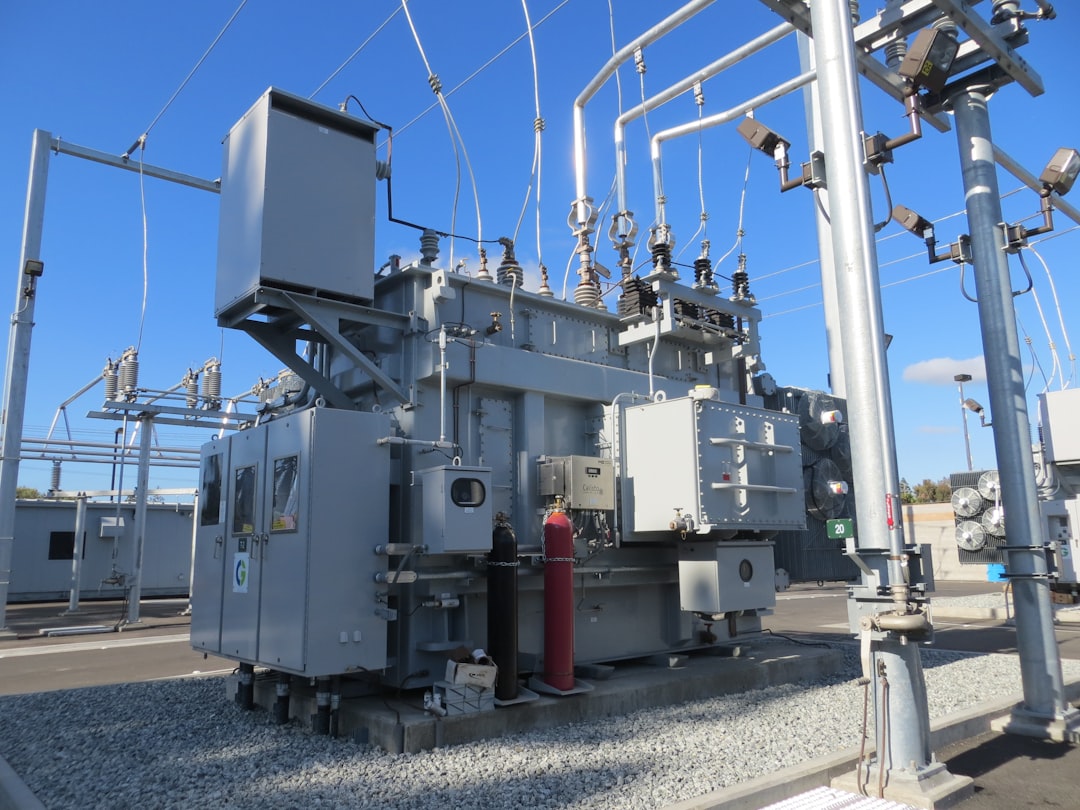
The power grid serves as the backbone of modern society, a complex network that delivers electricity from power plants to homes, businesses, and industries. This intricate system comprises generation, transmission, and distribution components, each playing a vital role in ensuring that electricity is available when and where it is needed. The grid’s reliability is essential for daily life, powering everything from household appliances to critical infrastructure such as hospitals and emergency services.
As society becomes increasingly dependent on electricity, understanding the vulnerabilities and challenges facing the power grid has never been more crucial. In recent years, the power grid has evolved significantly, incorporating advanced technologies such as smart meters and renewable energy sources. These innovations have improved efficiency and sustainability but have also introduced new complexities and risks.
As the demand for electricity continues to rise, the need for a resilient and secure power grid becomes paramount. This article will explore various threats to the power grid, including cybersecurity risks, physical vulnerabilities, natural disasters, aging infrastructure, interconnected systems, human error, and sabotage.
Key Takeaways
- The power grid is a complex system that delivers electricity from power plants to consumers, consisting of interconnected networks of transmission lines, substations, and distribution lines.
- Cybersecurity threats pose a significant risk to the power grid, with potential for hackers to disrupt operations, steal sensitive information, or cause widespread outages.
- Physical vulnerabilities such as aging equipment, inadequate maintenance, and lack of security measures can make the power grid susceptible to physical attacks and sabotage.
- Natural disasters and climate change can have devastating impacts on the power grid, causing widespread outages and infrastructure damage.
- Aging infrastructure is a major concern for the power grid, as outdated equipment and systems are more prone to failure and can be difficult to repair or replace.
Cybersecurity Threats
In an era where digital technology permeates every aspect of life, the power grid is not immune to cybersecurity threats. Cyberattacks on critical infrastructure have become increasingly sophisticated, with hackers targeting control systems that manage electricity distribution. These attacks can disrupt operations, compromise sensitive data, and even lead to widespread blackouts.
The potential for cyber threats to cause significant damage has prompted governments and organizations to prioritize cybersecurity measures within the energy sector. The consequences of a successful cyberattack on the power grid can be catastrophic. For instance, a breach could allow malicious actors to manipulate control systems, leading to equipment failures or cascading outages.
Moreover, the interconnected nature of modern grids means that a vulnerability in one region can have ripple effects across multiple areas. As such, it is imperative for utility companies to invest in robust cybersecurity protocols, including regular system updates, employee training, and incident response plans. The ongoing evolution of cyber threats necessitates a proactive approach to safeguarding the power grid against potential attacks.
Physical Vulnerabilities
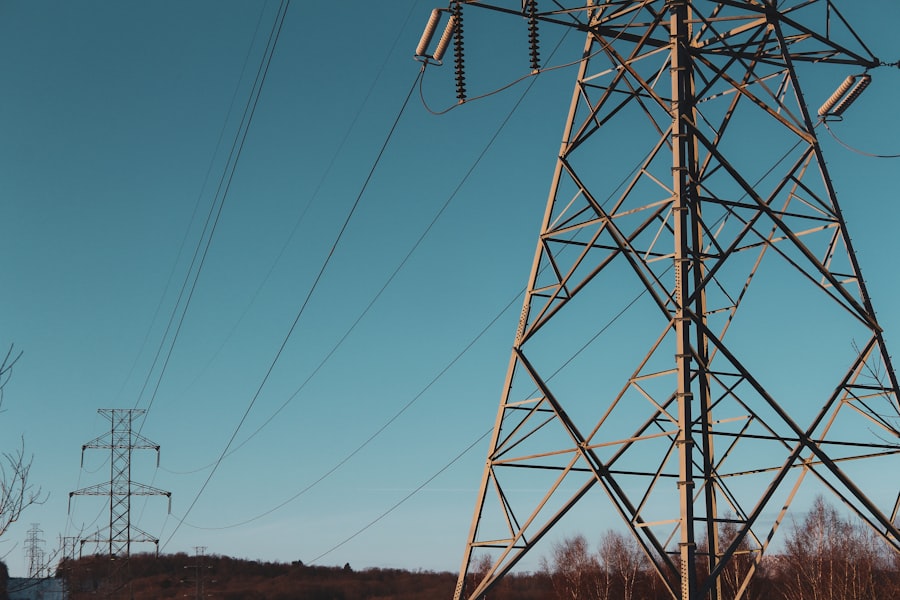
While cybersecurity threats garner significant attention, physical vulnerabilities also pose a serious risk to the power grid. The infrastructure that supports electricity generation and distribution is often exposed to various physical threats, including vandalism, terrorism, and natural wear and tear. Substations, transmission lines, and other critical components can be targeted by individuals or groups seeking to disrupt service or cause harm.
Such attacks can lead to localized outages or even widespread disruptions if key facilities are compromised. In addition to intentional attacks, physical vulnerabilities can arise from aging infrastructure and inadequate maintenance. Many components of the power grid were built decades ago and may not meet current safety standards or technological advancements.
As these systems deteriorate over time, they become more susceptible to failures caused by environmental factors or operational stress. Addressing these vulnerabilities requires a comprehensive assessment of existing infrastructure and a commitment to investing in upgrades and replacements where necessary.
Natural Disasters and Climate Change
| Year | Natural Disasters | Deaths | Cost (in billions) |
|---|---|---|---|
| 2015 | 22 | 22,773 | 92.9 |
| 2016 | 24 | 8,701 | 175.5 |
| 2017 | 26 | 11,804 | 320.7 |
| 2018 | 28 | 10,733 | 155.2 |
| 2019 | 24 | 9,821 | 150.0 |
Natural disasters represent another significant threat to the power grid. Hurricanes, floods, wildfires, and earthquakes can all cause extensive damage to electrical infrastructure, leading to prolonged outages and costly repairs. Climate change exacerbates these risks by increasing the frequency and intensity of extreme weather events.
As temperatures rise and weather patterns shift, utility companies must adapt their strategies to ensure resilience against these challenges. The impact of natural disasters on the power grid can be profound. For example, hurricanes can topple transmission towers and inundate substations with water, while wildfires can destroy power lines and disrupt service in affected areas.
In addition to immediate damage, the long-term effects of climate change may necessitate significant investments in infrastructure redesign and hardening efforts. By proactively addressing these challenges through improved planning and resource allocation, utilities can enhance their ability to withstand natural disasters and maintain reliable service.
Aging Infrastructure
Aging infrastructure is a pressing concern for the power grid in many regions around the world. Much of the electrical system was constructed during a time when demand was lower and technology was less advanced. As a result, many components are now outdated and may not be capable of handling current energy demands or integrating new technologies such as renewable energy sources.
This situation creates a precarious balance between supply and demand that can lead to increased risks of failure. The consequences of neglecting aging infrastructure can be severe. Equipment failures can result in outages that disrupt daily life and economic activity.
Furthermore, outdated systems may lack the necessary safeguards against cyber threats or physical attacks, leaving them vulnerable to exploitation. To address these issues, utility companies must prioritize investment in modernization efforts that enhance reliability and security while also accommodating future energy needs.
Interconnected Systems
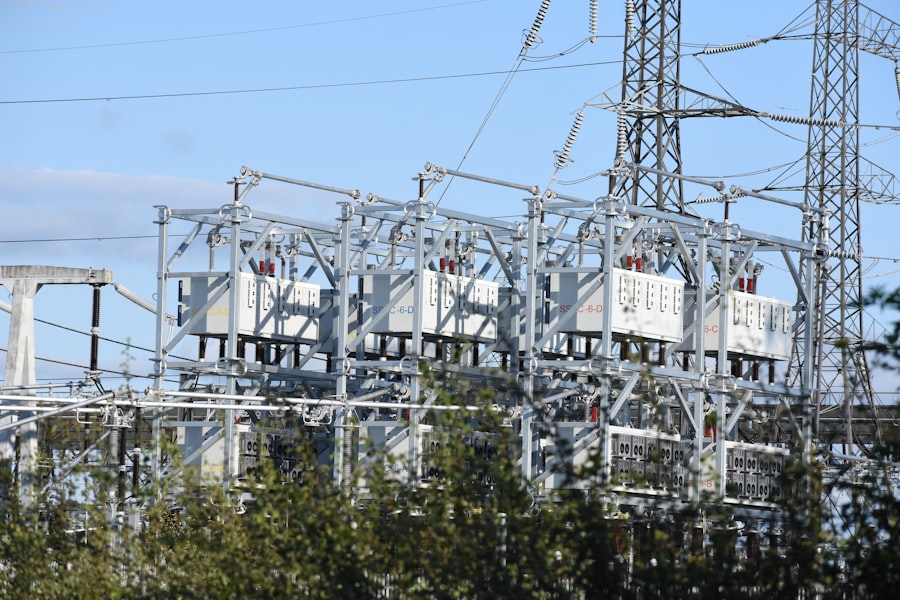
The interconnected nature of modern power grids presents both opportunities and challenges. While interconnectivity allows for greater efficiency in electricity distribution and enables the integration of renewable energy sources across regions, it also creates vulnerabilities that can lead to widespread outages. A failure in one part of the grid can quickly cascade through interconnected systems, amplifying the impact of localized issues.
This interconnectedness means that regional utilities must collaborate closely to ensure stability across the entire network. Effective communication and coordination are essential for managing potential disruptions and responding swiftly to emergencies. Additionally, as more renewable energy sources are integrated into the grid, utilities must develop strategies for managing variability in generation while maintaining reliability.
This complexity underscores the need for ongoing investment in technology and infrastructure that supports seamless integration across interconnected systems.
Human Error and Sabotage
Human error remains a significant factor contributing to power grid vulnerabilities. Mistakes made during operation or maintenance can lead to equipment failures or outages that disrupt service. Whether due to inadequate training or lapses in judgment, human error can have far-reaching consequences for the reliability of the power grid.
Moreover, sabotage by disgruntled employees or external actors poses an additional risk that must be addressed through comprehensive security measures. To mitigate the risks associated with human error and sabotage, utility companies must prioritize employee training programs that emphasize safety protocols and operational best practices. Regular drills and simulations can help prepare staff for emergency situations while fostering a culture of accountability within organizations.
Additionally, implementing robust security measures—such as access controls and surveillance—can deter potential acts of sabotage while ensuring that only qualified personnel have access to critical infrastructure.
Potential Impacts of Power Grid Failures
The potential impacts of power grid failures are far-reaching and can affect nearly every aspect of daily life. A widespread outage can disrupt transportation systems, halt production in factories, and compromise public safety services such as hospitals and emergency responders. The economic ramifications can be severe as well; businesses may lose revenue during outages while incurring costs associated with repairs and recovery efforts.
In addition to immediate disruptions, prolonged outages can lead to long-term consequences for communities. Residents may face food spoilage due to lack of refrigeration, while businesses may struggle to recover from lost productivity. Furthermore, public confidence in utility providers may erode if outages become frequent or prolonged, leading to calls for increased accountability and transparency within the industry.
Understanding these potential impacts underscores the importance of investing in resilience measures that protect against power grid failures.
Strategies for Mitigating Risks
To safeguard the power grid against various threats, utility companies must adopt comprehensive risk mitigation strategies that encompass cybersecurity measures, infrastructure upgrades, emergency preparedness plans, and employee training programs. Investing in advanced technologies such as smart grids can enhance monitoring capabilities while enabling real-time responses to emerging threats. Collaboration among stakeholders—including government agencies, private sector partners, and community organizations—is essential for developing effective risk mitigation strategies.
By sharing information about vulnerabilities and best practices for addressing them, stakeholders can create a more resilient power grid capable of withstanding both natural disasters and human-made threats. Additionally, public awareness campaigns can educate consumers about energy conservation practices that reduce demand during peak periods while promoting community engagement in resilience efforts.
Government and Industry Response
Governments play a critical role in shaping policies that enhance the resilience of the power grid while ensuring public safety.
This includes establishing standards for cybersecurity practices within the energy sector as well as incentivizing investments in infrastructure modernization.
Industry response is equally important; utility companies must prioritize collaboration with government agencies to develop comprehensive emergency response plans that address potential disruptions caused by cyberattacks or natural disasters. By working together, stakeholders can create a unified approach that enhances overall resilience while minimizing risks associated with power grid failures.
The Future of the Power Grid
Looking ahead, the future of the power grid will likely be shaped by ongoing advancements in technology alongside evolving societal needs. As renewable energy sources become more prevalent, utilities will need to adapt their strategies for integrating these resources into existing systems while maintaining reliability during periods of high demand or low generation. Moreover, innovations such as energy storage solutions and demand response programs will play an increasingly important role in enhancing grid resilience while reducing reliance on fossil fuels.
By embracing these changes proactively rather than reactively addressing challenges as they arise, stakeholders can work together toward building a more sustainable future for the power grid—one that meets both current demands while preparing for unforeseen challenges ahead. In conclusion, understanding the complexities surrounding the power grid is essential for ensuring its reliability in an ever-changing world. By addressing vulnerabilities related to cybersecurity threats, physical infrastructure weaknesses, natural disasters exacerbated by climate change, human error risks associated with operational practices—and fostering collaboration among stakeholders—society can work toward creating a resilient energy future capable of meeting evolving demands while safeguarding against potential disruptions.
The fragility of the power grid is a pressing concern, especially as we increasingly rely on electricity for our daily lives and technological advancements. One of the key reasons for this fragility is the aging infrastructure that struggles to keep up with modern demands. Additionally, the integration of renewable energy sources, while beneficial for the environment, introduces variability that the current grid is not fully equipped to handle. For a deeper understanding of these challenges, you can explore a related article on this topic by visiting this page. This article delves into the complexities of maintaining a stable power grid amidst evolving energy landscapes and technological innovations.
WATCH THIS ☀️The Sun as Software: Why Top Scientists Now Say a Solar Flare Could Wipe Everything
FAQs
What is the power grid?
The power grid is a network of power plants, transmission lines, and distribution systems that work together to deliver electricity to homes, businesses, and other facilities.
Why is the power grid so fragile?
The power grid is fragile due to a combination of factors, including aging infrastructure, increasing demand for electricity, and vulnerability to natural disasters and cyber attacks.
How does aging infrastructure affect the power grid’s fragility?
Aging infrastructure, such as outdated power plants and transmission lines, can lead to increased risk of equipment failure and power outages.
What role does increasing demand for electricity play in the fragility of the power grid?
As the demand for electricity continues to rise, the power grid can become strained, leading to potential overloads and blackouts.
How does the power grid’s vulnerability to natural disasters impact its fragility?
Natural disasters, such as hurricanes, earthquakes, and wildfires, can damage power infrastructure and disrupt the flow of electricity, making the power grid more fragile.
What is the impact of cyber attacks on the fragility of the power grid?
Cyber attacks targeting the power grid can disrupt operations, leading to widespread power outages and compromising the reliability of the grid.
What measures are being taken to address the fragility of the power grid?
Efforts to address the fragility of the power grid include investing in modernizing infrastructure, improving grid resilience to natural disasters, and enhancing cybersecurity measures to protect against cyber attacks.