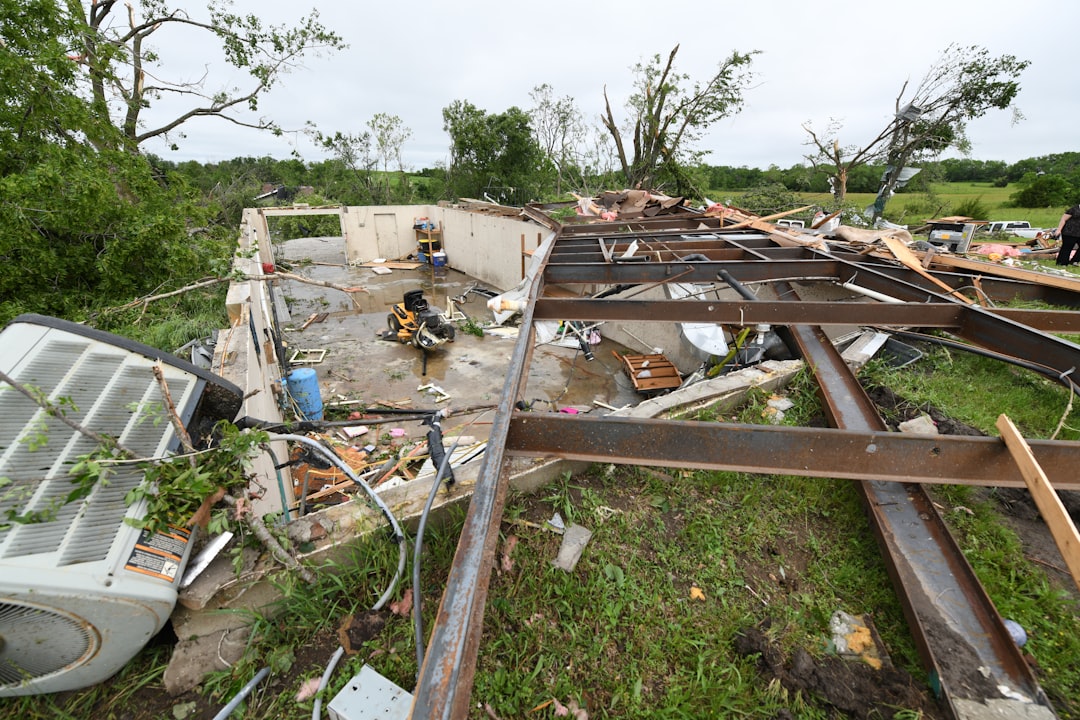
Blackouts can occur for a variety of reasons, ranging from severe weather conditions to technical failures in the power grid.
The unpredictability of these events can lead to significant disruptions in daily life, affecting everything from heating and cooling systems to food preservation and communication.
In urban areas, where reliance on electricity is particularly high, the impact of a blackout can be even more pronounced, leading to chaos and confusion as people scramble to adapt to sudden changes. Moreover, the psychological effects of blackouts should not be underestimated. The sudden loss of power can induce feelings of anxiety and helplessness, especially if individuals are unprepared.
The fear of the unknown can exacerbate stress levels, making it essential for communities to foster awareness about blackout risks. By understanding the potential causes and consequences of blackouts, individuals can better equip themselves to handle such situations when they arise.
Key Takeaways
- Blackouts pose various risks including safety hazards, communication disruptions, and potential medical emergencies.
- A blackout preparedness plan should include communication strategies, alternative power sources, and essential supplies.
- Essential supplies to stock up on include non-perishable food, water, flashlights, batteries, and a first aid kit.
- Alternative power sources such as generators, solar panels, and power banks can provide electricity during a blackout.
- Important documents and valuables should be protected in waterproof and fireproof containers.
Creating a Blackout Preparedness Plan
Developing a comprehensive blackout preparedness plan is a proactive step that can significantly mitigate the impact of an unexpected power outage. This plan should include a clear outline of roles and responsibilities for each family member, ensuring that everyone knows what to do when the lights go out. For instance, designating one person to manage communication while another focuses on securing supplies can streamline efforts and reduce panic during an emergency.
In addition to assigning roles, the plan should also detail specific actions to take during a blackout. This may include checking flashlights and batteries, securing perishable food items, and ensuring that all electronic devices are charged beforehand. Regularly reviewing and updating the plan is essential, as it allows families to adapt to changing circumstances and incorporate new strategies or resources as needed.
By having a well-thought-out plan in place, individuals can approach blackouts with confidence rather than fear.
Stocking Essential Supplies
A critical component of blackout preparedness is stocking essential supplies that can sustain individuals and families during an outage. Basic necessities such as non-perishable food items, bottled water, and first aid kits should be prioritized. Canned goods, dried fruits, and energy bars are excellent choices for food storage, as they have long shelf lives and require minimal preparation.
Additionally, having a sufficient supply of water—at least one gallon per person per day for at least three days—is vital for hydration and cooking. Beyond food and water, other essential supplies should not be overlooked. Flashlights, candles, and battery-operated lanterns are crucial for providing light during dark hours.
A portable phone charger or power bank can help maintain communication with the outside world, while a battery-operated radio can keep individuals informed about emergency updates. By taking the time to gather these supplies ahead of time, individuals can ensure they are well-prepared for any blackout situation.
Securing Alternative Power Sources
| Metrics | Data |
|---|---|
| Number of alternative power sources | 15 |
| Investment in alternative power | 1.5 million |
| Percentage of energy from alternative sources | 25% |
| Number of backup power generators | 10 |
In an age where technology plays an integral role in daily life, securing alternative power sources becomes increasingly important during blackouts. Generators are one popular option that can provide temporary electricity for essential appliances such as refrigerators or medical devices. However, it is essential to use generators safely and follow manufacturer guidelines to prevent carbon monoxide poisoning or other hazards.
Solar-powered chargers and battery banks are also viable alternatives that can help keep devices charged during an outage. These options are particularly appealing due to their sustainability and ease of use. Investing in solar panels or portable solar chargers can provide a reliable source of energy even when the grid is down.
By exploring various alternative power sources, individuals can enhance their resilience against blackouts and maintain a semblance of normalcy during challenging times.
Protecting Important Documents and Valuables
During a blackout, protecting important documents and valuables should be a priority for individuals and families. Essential documents such as identification cards, insurance policies, medical records, and financial statements should be stored in a safe and easily accessible location. Using waterproof and fireproof containers can provide an added layer of protection against potential disasters.
In addition to physical documents, digital backups are equally important. Scanning important papers and storing them securely in cloud-based services ensures that individuals have access to critical information even if physical copies are lost or damaged. Taking these precautions not only safeguards valuable assets but also provides peace of mind during uncertain times when access to information may be limited.
Safeguarding Food and Water
Food safety becomes a significant concern during blackouts, especially if the outage lasts for an extended period. To safeguard food supplies, individuals should familiarize themselves with how long different types of food can remain safe without refrigeration. For instance, perishable items like dairy products and meats should be consumed first or discarded if the power is out for more than four hours.
Water safety is equally crucial; individuals should ensure they have enough clean water stored for drinking and cooking purposes.
By taking proactive measures to safeguard food and water supplies, individuals can minimize waste and maintain their health during blackouts.
Communication Strategies during a Blackout
Effective communication strategies are vital during blackouts to keep families connected and informed about developments in their area. Establishing a communication plan that includes designated meeting points and check-in times can help ensure that everyone knows where to go or how to reach each other if separated during an emergency. Utilizing various communication methods is also essential; while cell phones may be unreliable during power outages, landlines or two-way radios can serve as alternative means of communication.
Additionally, encouraging family members to stay informed through local news broadcasts or emergency alerts can help them remain aware of any updates regarding the blackout’s duration or safety measures being implemented in their community.
Ensuring Personal Safety and Security
Personal safety and security should be paramount during blackouts, as the absence of light can create opportunities for crime or accidents. Individuals should take precautions such as securing doors and windows to deter potential intruders while also being mindful of their surroundings when venturing outside. Keeping flashlights readily available can help illuminate dark areas and prevent accidents from occurring.
Moreover, it is essential for families to discuss safety protocols in advance. This may include establishing rules about who is allowed in the home during a blackout or how to respond if someone feels unsafe in their neighborhood. By prioritizing personal safety and security measures, individuals can navigate blackouts with greater confidence and peace of mind.
Knowing How to Handle Medical Emergencies
Medical emergencies can arise unexpectedly during blackouts, making it crucial for individuals to know how to respond effectively. Having a well-stocked first aid kit is essential; it should include items such as bandages, antiseptics, pain relievers, and any necessary prescription medications. Families should also familiarize themselves with basic first aid techniques so they can provide immediate assistance if needed.
In addition to first aid knowledge, individuals should have a plan in place for accessing medical care during a blackout. This may involve identifying nearby hospitals or clinics that remain open during emergencies or knowing how to contact emergency services if necessary. By being prepared for medical emergencies, individuals can ensure they are equipped to handle any situation that may arise during a blackout.
Staying Informed and Updated
Staying informed during a blackout is vital for making sound decisions about safety and preparedness. Individuals should consider investing in battery-operated radios or hand-crank emergency radios that can provide updates on weather conditions or emergency alerts even when power is out. These devices allow individuals to stay connected with local authorities and receive critical information about the status of the blackout.
Additionally, utilizing social media platforms or community apps can help individuals stay updated on developments in their area. Many local governments use these channels to communicate important information during emergencies, making them valuable resources for residents seeking timely updates. By prioritizing access to information during blackouts, individuals can make informed choices that enhance their safety and well-being.
Rebuilding and Recovering after a Blackout
Once the power is restored after a blackout, the focus shifts toward rebuilding and recovering from the experience. Assessing any damage caused by the outage—such as spoiled food or property damage—should be one of the first steps taken by individuals and families. Documenting losses for insurance purposes may also be necessary to ensure proper compensation.
Moreover, reflecting on the experience can provide valuable insights into areas where preparedness could be improved for future incidents. Families may choose to revisit their blackout preparedness plans or update their supply stockpiles based on lessons learned from the recent event. By taking proactive steps toward recovery and improvement, individuals can emerge from blackouts more resilient than before, better equipped to face future challenges with confidence.
In the face of increasing natural disasters and unexpected power outages, being prepared for blackouts is more crucial than ever. A related article that delves into effective strategies for disaster preparedness can be found on the Cosmic Ventures website. This article provides valuable insights into how individuals and communities can better equip themselves to handle prolonged periods without electricity. For more detailed information and practical tips, you can read the full article by visiting this link.
WATCH THIS ☀️The Sun as Software: Why Top Scientists Now Say a Solar Flare Could Wipe Everything
FAQs
What is a blackout?
A blackout is a temporary loss of electrical power in a specific area. It can be caused by various factors such as severe weather, equipment failure, or human error.
Why is it important to be prepared for blackouts?
Being prepared for blackouts is important because they can disrupt daily life, cause safety hazards, and lead to economic losses. Having a plan in place can help minimize the impact of a blackout on individuals and communities.
What are some essential items to have during a blackout?
Essential items to have during a blackout include flashlights, batteries, non-perishable food, water, a first aid kit, a battery-powered or hand-crank radio, and a backup power source such as a generator.
How can I prepare my home for a blackout?
To prepare your home for a blackout, you can install surge protectors, backup power sources, and energy-efficient lighting. It’s also important to have an emergency kit and a family communication plan in place.
What should I do during a blackout?
During a blackout, it’s important to stay calm and conserve energy. Use flashlights instead of candles to avoid fire hazards, unplug electronic devices to protect them from power surges, and avoid opening the refrigerator and freezer to keep food from spoiling.
How can I stay informed during a blackout?
To stay informed during a blackout, you can use a battery-powered or hand-crank radio to listen to emergency broadcasts. It’s also important to have a backup power source for your mobile phone and to keep it charged.