
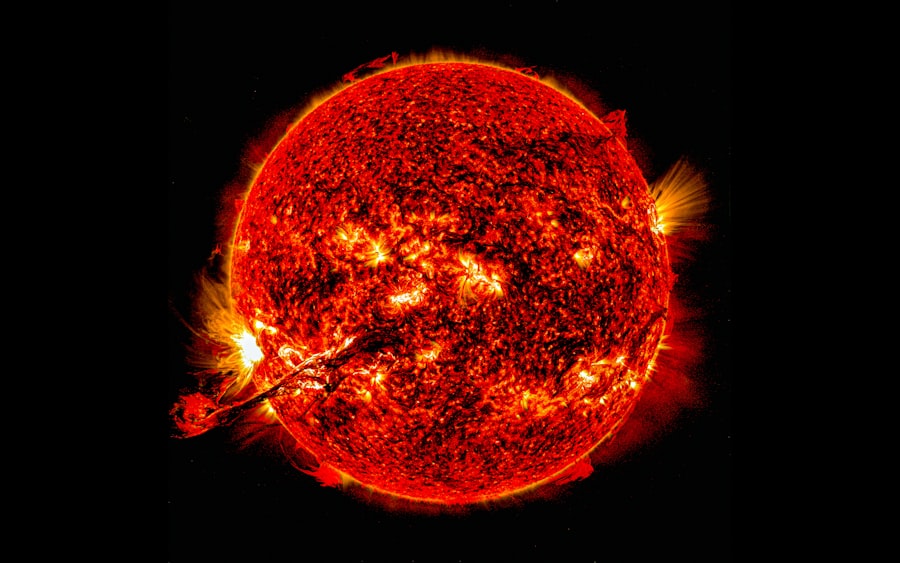
Solar Cycle 25, which began in December 2019, marks a significant phase in the sun’s 11-year cycle of solar activity. This cycle is characterized by fluctuations in solar radiation and the number of sunspots, which are dark patches on the sun’s surface that indicate increased magnetic activity. As the cycle progresses, solar activity is expected to increase, culminating in a peak known as solar maximum.
During this period, the sun emits more solar flares and coronal mass ejections (CMEs), which can have profound effects on Earth’s magnetosphere and atmosphere. The importance of understanding Solar Cycle 25 lies in its potential implications for technology and daily life on Earth.
The heightened solar activity can also lead to beautiful auroras but poses risks that require awareness and preparedness. By studying the patterns and behaviors of Solar Cycle 25, researchers aim to predict solar events more accurately, allowing society to mitigate potential risks associated with these natural phenomena.
Key Takeaways
- Solar Cycle 25 is expected to peak in the coming years, leading to increased solar activity.
- Potential risks during Solar Cycle 25 peak include disruptions to satellite communications, GPS systems, and power grids.
- Preparing your home for solar flares involves installing surge protectors and considering backup power sources.
- Protecting your electronics from solar flares can be done by unplugging them during a solar storm and using surge protectors.
- Creating an emergency plan for solar flare events includes establishing communication and meeting points with family members.
Potential Risks During Solar Cycle 25 Peak
As Solar Cycle 25 approaches its peak, the risks associated with increased solar activity become more pronounced. One of the primary concerns is the potential for powerful solar flares and CMEs that can disrupt technological systems on Earth. These events can induce geomagnetic storms that may lead to voltage fluctuations in power lines, potentially causing widespread blackouts.
The impact on critical infrastructure, such as communication networks and transportation systems, could be significant, leading to disruptions in daily life. Moreover, the health risks associated with increased solar activity should not be overlooked. Astronauts and airline crews flying at high altitudes are particularly vulnerable to elevated levels of radiation during solar storms.
This radiation can pose serious health risks, including increased cancer risk over time. Additionally, high-frequency radio communications may be disrupted, affecting air traffic control and maritime operations. Understanding these risks is crucial for individuals and organizations to develop effective strategies for minimizing the impact of solar events.
Preparing Your Home for Solar Flares
Preparing a home for potential solar flares involves several proactive measures that can help mitigate risks associated with increased solar activity. One of the first steps homeowners can take is to ensure that their electrical systems are equipped with surge protectors. These devices can help shield appliances and electronics from voltage spikes caused by geomagnetic storms.
Additionally, investing in uninterruptible power supplies (UPS) can provide backup power during outages, allowing essential devices to remain operational. Another important aspect of home preparation is securing communication devices. Keeping a battery-powered or hand-crank radio on hand can be invaluable during a solar flare event when traditional communication methods may fail.
Homeowners should also consider creating a designated safe space within their homes where family members can gather during severe solar storms. This area should be stocked with essential supplies and equipped with emergency lighting to ensure safety and comfort during potential disruptions.
Protecting Your Electronics from Solar Flares
| Electronics | Protection Method |
|---|---|
| Computers | Use surge protectors and unplug during solar storms |
| Smartphones | Keep in a shielded case or turn off during solar flares |
| Televisions | Use a surge protector and consider a power conditioner |
| GPS Devices | Update firmware and use a GPS signal amplifier |
The protection of electronics from the effects of solar flares is a critical consideration as Solar Cycle 25 progresses. One effective strategy is to utilize Faraday cages, which are enclosures made from conductive materials that block electromagnetic fields. By placing sensitive electronics inside these cages, individuals can safeguard their devices from the harmful effects of solar-induced electromagnetic interference.
In addition to physical barriers, regular data backups are essential for protecting valuable information stored on electronic devices. Cloud storage solutions or external hard drives can serve as reliable backups in case of device failure due to solar activity. Furthermore, individuals should stay informed about solar forecasts and alerts from reputable sources, allowing them to take precautionary measures before significant solar events occur.
Creating an Emergency Plan for Solar Flare Events
An effective emergency plan is vital for ensuring safety during solar flare events. Families should develop a comprehensive strategy that outlines specific actions to take in the event of a solar storm. This plan should include communication protocols, such as designated meeting points and methods for checking in with one another if traditional communication channels are disrupted.
Additionally, families should conduct regular drills to familiarize themselves with the emergency plan. Practicing these procedures can help reduce anxiety during actual events and ensure that everyone knows their roles and responsibilities. By preparing in advance, families can enhance their resilience against the potential impacts of solar flares and ensure a coordinated response when needed.
Stocking Up on Emergency Supplies
Stocking up on emergency supplies is a crucial step in preparing for potential disruptions caused by solar flares. Essential items to consider include non-perishable food, bottled water, first aid kits, flashlights, batteries, and personal hygiene products. Having these supplies readily available can provide peace of mind during periods of uncertainty when access to stores may be limited.
In addition to basic necessities, individuals should also consider including items that cater to specific needs within their households. For instance, families with infants may need to stock up on baby formula and diapers, while those with pets should ensure they have enough food and supplies for their animals. By taking a comprehensive approach to emergency preparedness, individuals can better navigate the challenges posed by solar flare events.
Communicating with Family and Friends During Solar Flare Events
Effective communication is paramount during solar flare events when traditional methods may be compromised. Establishing alternative communication channels ahead of time can help families stay connected during emergencies. Text messaging or social media platforms may still function even if voice calls are disrupted, so having a plan for using these methods can be beneficial.
Moreover, families should designate a point person responsible for coordinating communication efforts during a solar storm. This individual can serve as a central hub for information sharing and updates among family members and friends. By fostering open lines of communication and ensuring everyone knows how to reach one another, families can enhance their collective resilience in the face of potential disruptions.
Staying Informed About Solar Activity
Staying informed about solar activity is essential for effective preparedness during Solar Cycle 25. Individuals can access real-time data from various sources, including government agencies like NASA and the National Oceanic and Atmospheric Administration (NOAA). These organizations provide updates on solar flares, CMEs, and other relevant phenomena that may impact Earth.
In addition to official sources, social media platforms and online forums dedicated to space weather can offer valuable insights and community support. Engaging with these resources allows individuals to share experiences and strategies for coping with solar events while staying informed about the latest developments in solar activity.
Understanding the Impact of Solar Flares on Earth’s Atmosphere
The impact of solar flares on Earth’s atmosphere is a complex phenomenon that warrants attention as Solar Cycle 25 progresses. When a solar flare occurs, it releases vast amounts of energy into space, which can interact with Earth’s magnetic field and atmosphere. This interaction can lead to geomagnetic storms that affect satellite operations and radio communications.
Furthermore, these storms can cause fluctuations in the ionosphere, which plays a crucial role in radio wave propagation. As a result, high-frequency radio communications may experience disruptions during intense solar activity. Understanding these atmospheric effects is vital for industries reliant on satellite technology and communication systems, enabling them to implement strategies to mitigate potential disruptions.
Preparing for Potential Power Outages During Solar Flares
Preparing for potential power outages during solar flares is an essential aspect of overall preparedness. Homeowners should familiarize themselves with their local utility providers’ protocols for responding to geomagnetic storms and outages. Knowing how long power outages typically last in their area can help individuals plan accordingly.
In addition to having backup power sources like generators or UPS systems, individuals should also consider creating an emergency lighting plan using battery-operated lanterns or candles. Ensuring that flashlights are easily accessible and stocked with fresh batteries can provide comfort during extended outages. By taking these steps, individuals can enhance their ability to cope with power disruptions caused by solar flares.
Seeking Professional Advice for Solar Flare Preparedness
Seeking professional advice for solar flare preparedness can provide valuable insights tailored to individual circumstances. Consulting with experts in emergency management or disaster preparedness can help families develop comprehensive plans that address their unique needs and vulnerabilities. Additionally, professionals can offer guidance on specific technologies designed to protect against electromagnetic interference from solar flares.
By leveraging expert knowledge, individuals can enhance their preparedness efforts and ensure they are well-equipped to navigate the challenges posed by increased solar activity during Solar Cycle 25. In conclusion, as Solar Cycle 25 progresses toward its peak activity phase, understanding the implications of increased solar flares becomes increasingly important. By taking proactive measures to prepare homes, protect electronics, create emergency plans, stock up on supplies, communicate effectively, stay informed about solar activity, understand atmospheric impacts, prepare for power outages, and seek professional advice, individuals can enhance their resilience against potential disruptions caused by this natural phenomenon.
This period is characterized by heightened solar flares and coronal mass ejections, which can have significant impacts on satellite communications, power grids, and even pose risks to astronauts in space. For a deeper understanding of the implications of Solar Cycle 25’s peak and the measures being taken to mitigate these risks, you can read a related article on the topic by visiting My Cosmic Ventures. This resource provides valuable insights into the current solar cycle and its potential effects on our technological infrastructure.
WATCH THIS ☀️The Sun as Software: Why Top Scientists Now Say a Solar Flare Could Wipe Everything
FAQs
What is the solar cycle 25 peak risk?
The solar cycle 25 peak risk refers to the period of increased solar activity and the potential impact it may have on Earth’s technology and infrastructure.
When is solar cycle 25 expected to peak?
Solar cycle 25 is expected to peak around 2025, although the exact timing and intensity of the peak can vary.
What are the potential risks associated with the solar cycle 25 peak?
During the peak of solar cycle 25, there is an increased risk of solar flares, geomagnetic storms, and disruptions to satellite communications, power grids, and GPS systems.
How can we mitigate the risks of solar cycle 25 peak?
To mitigate the risks of solar cycle 25 peak, organizations and governments can invest in improved space weather forecasting, develop resilient infrastructure, and implement contingency plans for potential disruptions.
What are some historical examples of solar storms impacting Earth?
Historical examples of solar storms impacting Earth include the Carrington Event of 1859, which caused widespread telegraph outages, and the Quebec blackout of 1989, which was caused by a geomagnetic storm.