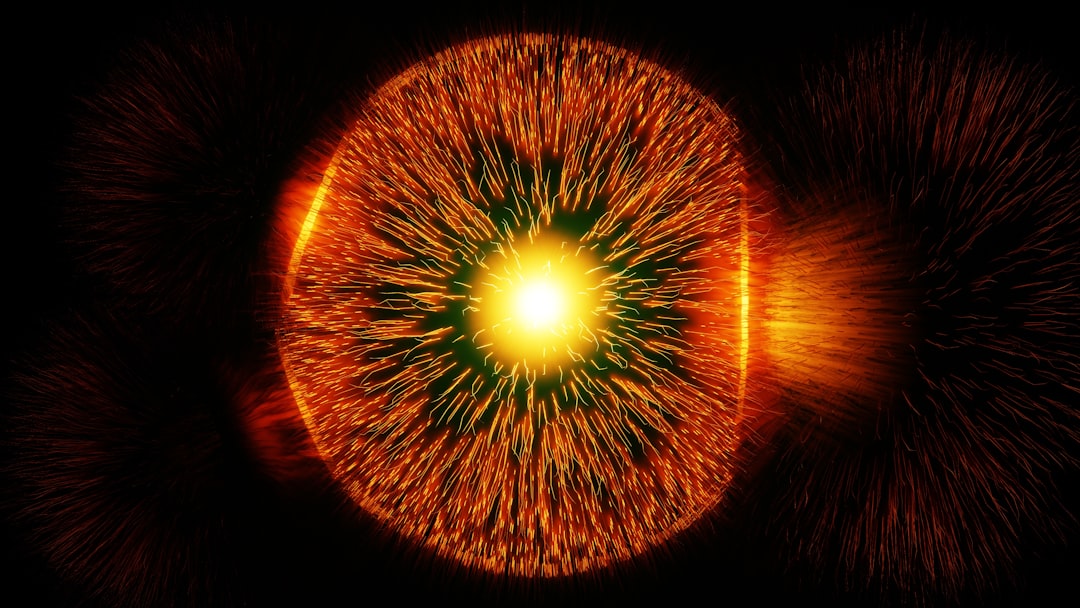
Solar flares are among the most powerful and energetic phenomena in our solar system, originating from the sun’s surface. These explosive bursts of radiation occur when magnetic energy that has built up in the solar atmosphere is suddenly released. The result is a flash of light and a surge of electromagnetic radiation that can have far-reaching effects on space weather and, consequently, on Earth.
Solar flares are classified into different categories based on their intensity, with X-class flares being the most potent. Understanding these cosmic events is crucial, as they can influence satellite operations, communication systems, and even power grids on Earth. The study of solar flares has gained significant attention in recent years, particularly as society becomes increasingly reliant on technology that can be affected by space weather.
As scientists continue to unravel the complexities of solar activity, they are also developing methods to predict these flares and mitigate their potential impacts. The sun operates on an approximately 11-year cycle of solar activity, during which periods of heightened solar flares can occur. This cyclical nature makes it essential for researchers to monitor solar behavior closely, ensuring that humanity is prepared for any eventualities that may arise from these powerful solar events.
Key Takeaways
- Solar flares are intense bursts of radiation from the sun that can impact technology and infrastructure on Earth.
- NASA’s prediction of solar flares helps to alert and prepare for potential disruptions to communication and navigation systems.
- Understanding the impact of solar flares is crucial for mitigating their effects on power grids, satellites, and other technology.
- Solar flares can affect Earth by causing radio blackouts, GPS disruptions, and potential damage to power grids.
- Potential risks and dangers associated with solar flares include disruptions to communication, navigation, and power systems, as well as increased radiation exposure for astronauts and airline passengers.
What NASA’s Prediction Means
NASA’s predictions regarding solar flares are critical for understanding the potential impacts of these events on Earth and its technological infrastructure. The agency employs advanced models and observational data to forecast solar activity, providing valuable insights into when and where solar flares may occur. These predictions are not merely academic; they have real-world implications for industries reliant on satellite technology, telecommunications, and even aviation.
When NASA issues a prediction about an impending solar flare, it serves as a warning to various sectors that could be affected. For instance, airlines may reroute flights to avoid increased radiation exposure at high altitudes, while power companies may take precautionary measures to protect their grids from potential surges caused by geomagnetic storms.
The ability to predict solar flares allows for proactive responses rather than reactive measures, ultimately safeguarding both human life and technological systems from the unpredictable nature of solar activity.
Understanding the Impact of Solar Flares

The impact of solar flares extends beyond mere disruptions in communication or navigation systems; they can also have profound effects on Earth’s magnetosphere and atmosphere. When a solar flare occurs, it releases a torrent of charged particles into space, which can interact with Earth’s magnetic field. This interaction can lead to geomagnetic storms that may disrupt satellite operations, GPS accuracy, and radio communications.
Moreover, these storms can induce currents in power lines, potentially leading to widespread electrical outages. In addition to technological impacts, solar flares can also pose health risks to astronauts and airline passengers flying at high altitudes. Increased radiation exposure during significant solar events can lead to acute health issues if proper precautions are not taken.
Understanding the full scope of these impacts is essential for developing effective strategies to mitigate risks associated with solar flares. As scientists continue to study these phenomena, they are uncovering new insights into how solar activity influences not only technology but also human health and safety.
How Solar Flares Affect Earth
| Aspect | Impact |
|---|---|
| Electromagnetic Radiation | Can disrupt radio communications and GPS systems |
| Solar Energetic Particles | Can pose radiation risk to astronauts and airline passengers |
| Geomagnetic Storms | Can cause power grid failures and damage to satellites |
| Auroras | Create beautiful light displays in the polar regions |
Solar flares affect Earth in various ways, primarily through their influence on the planet’s magnetic field and atmosphere. When a flare occurs, it releases a burst of electromagnetic radiation across the spectrum, including X-rays and ultraviolet light. This radiation can reach Earth in just a few minutes, causing immediate effects such as radio blackouts in the polar regions.
These blackouts can disrupt communication systems and navigation tools that rely on radio waves. Furthermore, the charged particles emitted during a solar flare can lead to geomagnetic storms when they collide with Earth’s magnetic field. These storms can cause auroras—beautiful displays of light in the polar regions—but they can also induce currents in power lines that may result in voltage fluctuations or even transformer damage.
The potential for widespread electrical outages underscores the importance of understanding how solar flares interact with Earth’s environment and the need for preparedness in the face of such events.
Potential Risks and Dangers Associated with Solar Flares
The risks associated with solar flares are multifaceted and can have serious implications for modern society. One of the most significant dangers lies in the potential for disruptions to power grids. A strong geomagnetic storm triggered by a solar flare can induce currents that overload transformers and other electrical infrastructure, leading to blackouts that may last for hours or even days.
Such outages can have cascading effects on essential services, including hospitals, transportation systems, and communication networks. In addition to infrastructure risks, there are also health concerns related to increased radiation exposure during solar events. Astronauts aboard the International Space Station (ISS) are particularly vulnerable to this risk, as they are outside of Earth’s protective atmosphere.
Solar flares can expose them to harmful levels of radiation, necessitating immediate protective measures such as seeking shelter within the ISS’s more shielded areas. Similarly, airline passengers flying at high altitudes may experience increased radiation exposure during significant solar events, prompting airlines to adjust flight paths or altitudes as necessary.
Preparing for a Solar Flare Outbreak

Preparation for a potential solar flare outbreak involves a combination of technological readiness and public awareness initiatives. Organizations such as NASA and various governmental agencies work diligently to develop protocols that can be activated in response to predicted solar activity. These protocols often include monitoring systems that provide real-time data on solar conditions, allowing for timely warnings to be issued across various sectors.
In addition to institutional preparedness, public awareness plays a crucial role in mitigating the effects of solar flares. Educating individuals about the potential risks associated with these events empowers them to take necessary precautions. For instance, people living in areas prone to power outages may benefit from having emergency supplies on hand or understanding how to protect their electronic devices from surges caused by geomagnetic storms.
By fostering a culture of preparedness, society can better navigate the challenges posed by solar flares.
NASA’s Strategies for Monitoring and Predicting Solar Flares
NASA employs a range of sophisticated technologies and methodologies to monitor and predict solar flares effectively. One of the key tools in this endeavor is the Solar Dynamics Observatory (SDO), which continuously observes the sun’s atmosphere in multiple wavelengths. This satellite provides invaluable data on solar activity, allowing scientists to identify patterns and anomalies that may indicate an impending flare.
In addition to observational satellites like SDO, NASA utilizes computer models that simulate solar behavior based on historical data and current observations. These models help researchers understand the complex interactions between magnetic fields on the sun’s surface and predict when a flare might occur. By combining observational data with advanced modeling techniques, NASA aims to enhance its predictive capabilities and provide timely warnings about potential solar flare activity.
Collaborative Efforts with Other Space Agencies
Collaboration among international space agencies is vital for advancing our understanding of solar flares and their impacts on Earth. NASA works closely with organizations such as the European Space Agency (ESA), the Japan Aerospace Exploration Agency (JAXA), and others to share data and research findings related to solar activity. This collaborative approach allows scientists from different countries to pool their resources and expertise, leading to more comprehensive insights into solar phenomena.
Joint missions and research initiatives further strengthen these collaborative efforts. For example, missions like the Solar Orbiter—a joint project between ESA and NASA—aim to study the sun up close by gathering data about its magnetic fields and solar wind. Such partnerships not only enhance scientific knowledge but also improve global preparedness for potential solar flare events by fostering a unified response strategy among nations.
The Role of Technology in Mitigating Solar Flare Effects
Advancements in technology play a crucial role in mitigating the effects of solar flares on Earth’s infrastructure and society at large. Enhanced satellite systems equipped with sophisticated sensors allow for real-time monitoring of solar activity, providing critical data that informs predictive models. This technology enables scientists to issue timely alerts about potential disruptions caused by solar flares, allowing industries to take precautionary measures.
Moreover, innovations in power grid technology have been developed to withstand geomagnetic storms induced by solar flares. For instance, utilities are investing in protective measures such as grid hardening techniques that enhance resilience against induced currents. Additionally, energy companies are exploring alternative energy sources that may be less susceptible to disruptions caused by space weather events.
By leveraging technology effectively, society can reduce vulnerabilities associated with solar flares while maintaining essential services.
Public Awareness and Education Initiatives
Public awareness initiatives are essential for fostering a well-informed society capable of responding effectively to potential threats posed by solar flares. Educational campaigns aimed at schools, communities, and businesses help disseminate information about what solar flares are, their potential impacts, and how individuals can prepare for them. By raising awareness about these cosmic phenomena, organizations can empower people to take proactive steps toward safeguarding themselves and their assets.
Workshops, seminars, and online resources serve as valuable tools for educating the public about solar flares and space weather in general. Engaging content that explains complex scientific concepts in accessible language helps demystify these events for non-experts. Furthermore, collaboration with local governments and emergency management agencies ensures that preparedness strategies are integrated into broader disaster response plans, enhancing community resilience against potential disruptions caused by solar activity.
The Future of Solar Flare Prediction and Preparedness
As humanity continues to advance technologically and become increasingly reliant on electronic systems, understanding and preparing for solar flares will remain paramount. The future of solar flare prediction hinges on ongoing research efforts aimed at improving forecasting models and enhancing monitoring capabilities through international collaboration. With agencies like NASA leading the charge alongside global partners, there is hope for more accurate predictions that will allow society to mitigate risks effectively.
As technology continues to evolve, so too will strategies for protecting critical infrastructure from space weather events. By prioritizing preparedness and investing in research, society can navigate the challenges posed by solar flares while harnessing the benefits of an increasingly interconnected world.
NASA’s ongoing research into solar flare prediction for 2025 is a crucial step in understanding and mitigating the potential impacts of solar activity on Earth’s technology and infrastructure. As scientists work to refine their predictive models, they are also exploring the broader implications of solar phenomena on space weather. For those interested in delving deeper into the intricacies of solar flares and their effects, a related article on My Cosmic Ventures provides valuable insights. You can read more about this topic by visiting this article on their website.
WATCH THIS ☀️The Sun as Software: Why Top Scientists Now Say a Solar Flare Could Wipe Everything
FAQs
What is a solar flare?
A solar flare is a sudden and intense burst of energy and radiation from the sun’s surface.
How does NASA predict solar flares?
NASA predicts solar flares using a combination of ground-based observatories and space-based telescopes to monitor the sun’s activity and changes in its magnetic fields.
Why is predicting solar flares important?
Predicting solar flares is important because they can have significant impacts on Earth’s technology and infrastructure, including disrupting satellite communications, GPS systems, and power grids.
What are the potential impacts of a solar flare on Earth?
A large solar flare could lead to widespread power outages, disruption of communication and navigation systems, and increased radiation exposure for astronauts and airline passengers.
What is NASA’s prediction for solar flare activity in 2025?
NASA has not made specific predictions for solar flare activity in 2025. However, they continue to monitor the sun’s activity and provide updates on any significant changes or potential solar flare events.