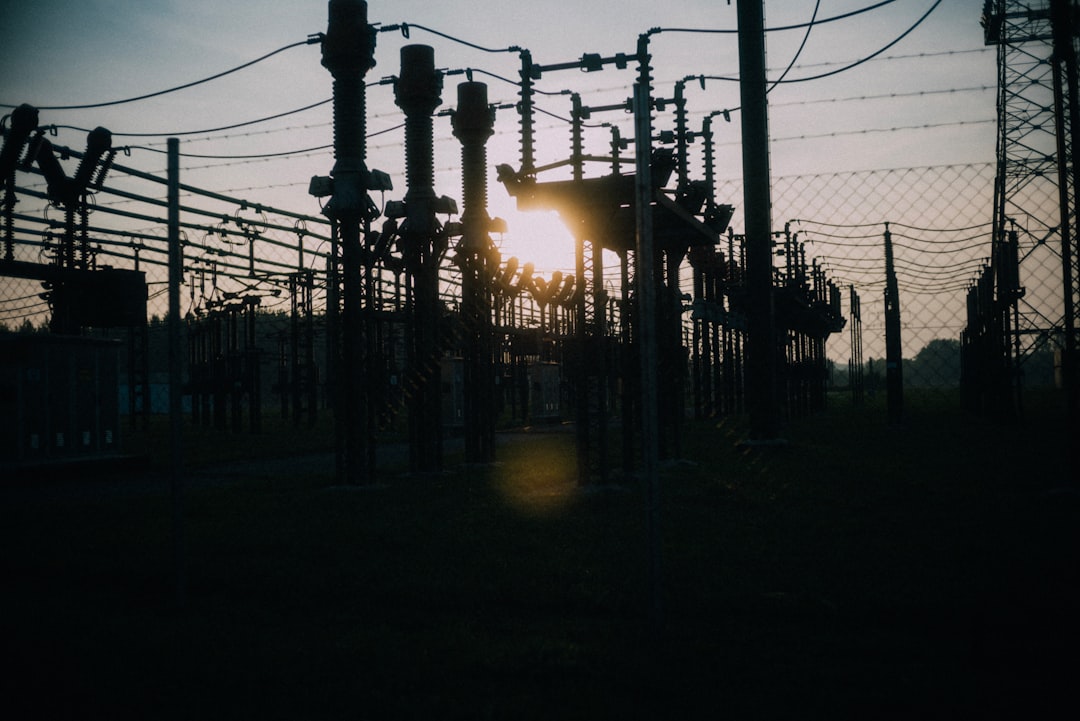
The vulnerability of power grids has become a pressing concern in an increasingly interconnected world. As societies grow more reliant on electricity for daily operations, the stability and resilience of power infrastructure are paramount. Power grids, which serve as the backbone of modern civilization, are susceptible to various threats, including natural phenomena like coronal mass ejections (CMEs).
These solar events can unleash immense energy that disrupts electrical systems on Earth, leading to widespread outages and potential chaos. Understanding the vulnerabilities inherent in power grids is essential for developing effective strategies to mitigate risks associated with such solar disturbances. The complexity of power grids, which consist of generation, transmission, and distribution systems, makes them particularly sensitive to external shocks.
A single event can cascade through the network, affecting millions of users and critical services. As the frequency and intensity of solar storms appear to be increasing due to changes in solar activity, the need for robust protective measures has never been more urgent. This article will explore the nature of CMEs, their impact on power grids, historical precedents of disruptions, current protective measures, and the collaborative efforts necessary to safeguard against future threats.
Key Takeaways
- Power grids are vulnerable to disruptions caused by coronal mass ejections (CMEs), which are large bursts of solar wind and magnetic fields from the sun.
- CMEs can impact power grids by inducing geomagnetically induced currents (GICs) that can damage transformers and other critical infrastructure.
- Historical examples, such as the Quebec blackout of 1989, demonstrate the potential for widespread power grid disruptions caused by CMEs.
- Current measures to protect power grids from CMEs include improved monitoring and early warning systems, as well as the development of geomagnetic disturbance standards.
- A large-scale power grid failure caused by a CME could have severe consequences, including economic and societal impacts.
Understanding Coronal Mass Ejections (CMEs)
Coronal mass ejections are massive bursts of solar wind and magnetic fields rising above the solar corona or being released into space. These phenomena can eject billions of tons of solar material at speeds exceeding 1 million miles per hour. When directed toward Earth, CMEs can interact with the planet’s magnetic field, leading to geomagnetic storms that can have profound effects on technological systems.
The science behind CMEs is rooted in solar physics, where the sun’s magnetic field undergoes complex changes that can result in these explosive events. The potential for CMEs to disrupt power grids lies in their ability to induce geomagnetic currents in the Earth’s surface. These currents can overload electrical systems, damage transformers, and lead to widespread outages.
Understanding the mechanisms behind CMEs is crucial for developing predictive models that can forecast their occurrence and potential impact on Earth. As scientists continue to study these solar phenomena, they are uncovering more about their frequency, intensity, and the conditions that lead to their formation.
Impact of CMEs on Power Grids
The impact of coronal mass ejections on power grids can be both immediate and long-lasting. When a CME strikes Earth, it can induce geomagnetic storms that create fluctuations in the Earth’s magnetic field. These fluctuations can generate electric currents in power lines and transformers, leading to equipment failures and outages.
The severity of these impacts often depends on the strength of the CME and the orientation of its magnetic field relative to Earth’s magnetic field. In severe cases, a CME can cause widespread blackouts that affect entire regions. The economic implications of such disruptions can be staggering, with costs running into billions of dollars due to lost productivity, damage to infrastructure, and the need for emergency response efforts.
Additionally, the social consequences can be profound, as communities may face prolonged periods without electricity, affecting everything from healthcare services to food supply chains. The cascading effects of a power grid failure highlight the critical need for preparedness and resilience in the face of solar threats.
Historical Examples of Power Grid Disruptions Caused by CMEs
| Year | Location | Impact |
|---|---|---|
| 1859 | North America, Europe | Telegraph systems disrupted, auroras visible as far south as the Caribbean |
| 1989 | Quebec, Canada | Power grid failure, 6 million people without electricity for 9 hours |
| 2012 | Worldwide | Near-miss event, potential for widespread power grid disruptions |
Historically, there have been notable instances where coronal mass ejections have caused significant disruptions to power grids. One of the most famous events occurred in March 1989 when a powerful CME struck Earth, leading to a geomagnetic storm that caused a nine-hour blackout in Quebec, Canada. The Hydro-Québec power utility experienced transformer failures due to induced currents from the storm, affecting millions of residents and highlighting the vulnerability of electrical infrastructure to solar events.
Another significant example is the Halloween Storms of 2003, which were characterized by multiple CMEs that resulted in intense geomagnetic activity. During this period, various satellites experienced malfunctions, and power systems across parts of Europe faced disruptions. These historical events serve as stark reminders of the potential consequences of CMEs on power grids and underscore the importance of ongoing research and preparedness efforts.
Current Measures in Place to Protect Power Grids from CMEs
In response to the growing awareness of CME-related risks, various measures have been implemented to protect power grids from potential disruptions. Utilities and grid operators have begun investing in advanced monitoring systems that can detect geomagnetic activity in real-time. These systems allow for timely alerts and enable operators to take preventive actions, such as temporarily shutting down vulnerable components or redistributing loads across the grid.
Additionally, infrastructure upgrades are being pursued to enhance resilience against geomagnetic storms. This includes reinforcing transformers and other critical components to withstand induced currents better. Some utilities are also exploring the use of alternative technologies, such as smart grid solutions that incorporate automated responses to changing conditions.
By adopting a proactive approach to grid management, operators aim to minimize the impact of CMEs on electrical systems.
Potential Consequences of a Large-scale Power Grid Failure
The consequences of a large-scale power grid failure due to a coronal mass ejection could be catastrophic. Beyond immediate disruptions in electricity supply, such an event could lead to cascading failures across various sectors reliant on power. Hospitals may struggle to provide critical care without electricity; transportation systems could grind to a halt; and communication networks might become compromised.
The societal implications would be profound, potentially leading to panic and unrest as people grapple with prolonged outages. Economically, the costs associated with a large-scale blackout could reach astronomical levels. Businesses would face significant losses due to halted operations, while governments would incur expenses related to emergency response and recovery efforts.
The long-term effects could reshape industries and alter public perceptions about energy security and infrastructure resilience. As such, understanding these potential consequences is vital for policymakers and stakeholders involved in grid management.
Research and Development in CME Detection and Prediction
Ongoing research and development efforts are crucial for improving CME detection and prediction capabilities. Scientists are working on advanced models that utilize data from solar observatories and satellites to forecast solar activity more accurately. By enhancing predictive capabilities, researchers aim to provide utilities with timely warnings about impending CMEs, allowing them to implement protective measures before disruptions occur.
Moreover, interdisciplinary collaboration between solar physicists, engineers, and grid operators is essential for translating scientific findings into practical applications. This collaboration fosters innovation in developing new technologies that can enhance grid resilience against solar events. As research continues to evolve, there is hope that more effective strategies will emerge for mitigating the risks posed by coronal mass ejections.
International Collaboration in Addressing Power Grid Vulnerability to CMEs
Addressing the vulnerability of power grids to coronal mass ejections requires international collaboration due to the global nature of solar phenomena. Countries around the world are interconnected through shared electrical networks and trade agreements; thus, a CME affecting one region can have ripple effects across borders. Collaborative efforts among nations can lead to standardized protocols for monitoring solar activity and sharing data related to CME predictions.
Organizations such as the International Space Weather Initiative (ISWI) promote global cooperation in space weather research and its implications for technology on Earth. By fostering partnerships between governments, research institutions, and private sector stakeholders, countries can develop comprehensive strategies for enhancing grid resilience against solar threats. This collaborative approach not only strengthens individual nations’ defenses but also contributes to global energy security.
Role of Government and Regulatory Agencies in Mitigating CME Risks
Government bodies and regulatory agencies play a pivotal role in mitigating risks associated with coronal mass ejections. They are responsible for establishing policies that promote infrastructure resilience and ensure that utilities adhere to safety standards designed to protect against solar events.
Furthermore, regulatory agencies can mandate regular assessments of grid vulnerability and require utilities to develop contingency plans for responding to CME-related disruptions. By fostering a culture of preparedness within the energy sector, governments can help ensure that utilities are equipped to handle potential crises effectively.
Public Awareness and Preparedness for CME-Related Power Grid Failures
Public awareness is a critical component of preparedness for potential power grid failures caused by coronal mass ejections. Educating communities about the risks associated with solar storms can empower individuals to take proactive measures in their own lives. This includes having emergency kits ready, understanding how to conserve energy during outages, and knowing how to access information during crises.
Community outreach programs can play a vital role in disseminating information about CME risks and preparedness strategies. By engaging with local organizations and utilizing social media platforms, authorities can raise awareness about the importance of being prepared for potential disruptions caused by solar events.
Future Challenges and Opportunities in Protecting Power Grids from CMEs
As technology continues to evolve, so too do the challenges associated with protecting power grids from coronal mass ejections. The increasing reliance on digital technologies and interconnected systems introduces new vulnerabilities that must be addressed proactively. Cybersecurity threats may compound the risks posed by natural phenomena like CMEs, necessitating a comprehensive approach that considers both physical and digital infrastructure.
However, these challenges also present opportunities for innovation within the energy sector. Advances in materials science may lead to more resilient components capable of withstanding geomagnetic storms better than ever before. Additionally, emerging technologies such as artificial intelligence could enhance predictive capabilities by analyzing vast amounts of data related to solar activity.
In conclusion, while coronal mass ejections pose significant risks to power grids worldwide, ongoing research, international collaboration, government action, public awareness initiatives, and technological advancements offer pathways toward greater resilience against these natural phenomena. As society continues to navigate an increasingly complex energy landscape, prioritizing preparedness will be essential for safeguarding against future disruptions caused by CMEs.
A Coronal Mass Ejection (CME) poses a significant threat to the stability and functionality of power grids worldwide. These solar events can induce geomagnetic storms that disrupt electrical systems, potentially leading to widespread power outages. For a deeper understanding of how CMEs can impact our power infrastructure, you can explore a related article on this topic by visiting My Cosmic Ventures. This resource provides valuable insights into the vulnerabilities of power grids and the measures that can be taken to mitigate the risks associated with solar activity.
WATCH THIS ☀️The Sun as Software: Why Top Scientists Now Say a Solar Flare Could Wipe Everything
FAQs
What is a CME?
A Coronal Mass Ejection (CME) is a significant release of plasma and magnetic field from the solar corona. These can cause geomagnetic storms on Earth.
How does a CME affect the power grid?
When a CME reaches Earth, it can cause geomagnetic disturbances that affect the power grid. The disturbances can induce electric currents in power lines and transformers, potentially leading to equipment damage and power outages.
What are the potential impacts of a CME on the power grid?
A severe CME event could lead to widespread power outages, equipment damage, and significant economic and societal disruptions. It could take weeks or even months to fully restore the power grid after such an event.
What measures are being taken to protect the power grid from CMEs?
Utility companies and government agencies are working to improve the resilience of the power grid to CME events. This includes implementing protective measures for critical infrastructure and developing early warning systems for geomagnetic storms.
Can individual consumers take steps to protect their electronics during a CME event?
Individuals can take precautions such as using surge protectors and unplugging sensitive electronics during a CME event to reduce the risk of damage from power surges. However, the overall impact on the power grid is a larger concern.