
Solar storms, also known as geomagnetic storms, are disturbances in the Earth’s magnetosphere caused by solar wind and solar flares. These phenomena occur when the sun releases a significant amount of energy in the form of charged particles. When these particles collide with the Earth’s magnetic field, they can create a variety of effects, ranging from beautiful auroras to potentially devastating disruptions in technology.
The intensity of solar storms can vary widely, with some events being relatively mild while others can have catastrophic consequences for modern infrastructure. The impact of solar storms on Earth can be profound. High-intensity storms can disrupt satellite communications, navigation systems, and even power grids.
In extreme cases, they can lead to widespread blackouts, affecting millions of people. The 1989 Quebec blackout, which was triggered by a solar storm, serves as a stark reminder of the vulnerabilities that exist within our technological systems. As society becomes increasingly reliant on technology, understanding the nature of solar storms and their potential impact is crucial for developing effective protective measures.
Key Takeaways
- Solar storms can impact Earth’s magnetic field and cause disruptions to electronic systems.
- Protecting your home from solar storms is important to prevent damage to electronic devices and appliances.
- Identifying vulnerabilities in your home’s electrical system is crucial for understanding potential points of failure during a solar storm.
- Installing surge protectors and voltage regulators can help mitigate the impact of solar storms on your home’s electrical system.
- Securing your home’s electronic devices is essential to prevent damage from power surges during solar storms.
Importance of Protecting Your Home from Solar Storms
Given the potential for solar storms to disrupt daily life, protecting one’s home from these events has become increasingly important. While many may think that solar storms are a distant concern, the reality is that they can happen at any time, and their effects can ripple through communities and households. By taking proactive steps to safeguard their homes, individuals can mitigate the risks associated with these natural phenomena and ensure that their lives remain as uninterrupted as possible.
Moreover, the importance of home protection extends beyond mere convenience; it encompasses safety and security. A significant solar storm could lead to power outages that last for days or even weeks. In such scenarios, having a well-prepared home can mean the difference between chaos and calm.
By investing time and resources into protective measures, homeowners can create a resilient environment that withstands the challenges posed by solar storms.
Identifying Vulnerabilities in Your Home’s Electrical System
To effectively protect a home from solar storms, it is essential first to identify vulnerabilities within its electrical system. Many homes are equipped with outdated wiring or electrical components that may not be able to withstand the surges caused by geomagnetic storms. Homeowners should conduct a thorough assessment of their electrical systems, looking for signs of wear and tear, outdated technology, or inadequate grounding.
Additionally, understanding how solar storms interact with electrical systems is vital. For instance, during a solar storm, fluctuations in voltage can occur, leading to potential damage to sensitive electronics. Homeowners should be aware of which devices are most susceptible to these fluctuations and take steps to protect them.
By identifying these vulnerabilities early on, individuals can implement targeted solutions that enhance their home’s resilience against solar storm impacts.
Installing Surge Protectors and Voltage Regulators
| Metrics | Value |
|---|---|
| Number of Surge Protectors Installed | 150 |
| Number of Voltage Regulators Installed | 100 |
| Percentage of Surge Protection Coverage | 85% |
| Percentage of Voltage Regulation Coverage | 70% |
One of the most effective ways to safeguard a home’s electrical system from the effects of solar storms is by installing surge protectors and voltage regulators. Surge protectors act as a first line of defense against sudden spikes in electrical current, diverting excess voltage away from sensitive devices. These devices are essential for protecting everything from computers to televisions, ensuring that they remain operational even during adverse conditions.
Voltage regulators play a complementary role by maintaining a consistent voltage level within the home’s electrical system. They help prevent fluctuations that could arise during a solar storm, providing an additional layer of protection for electronic devices. By investing in high-quality surge protectors and voltage regulators, homeowners can significantly reduce the risk of damage caused by geomagnetic storms and ensure that their electronic devices remain functional.
Securing Your Home’s Electronic Devices
In addition to installing surge protectors and voltage regulators, securing electronic devices is crucial for protecting a home from solar storm impacts. Many modern households rely heavily on technology for daily activities, making it essential to take steps to safeguard these devices. One effective strategy is to unplug devices during periods of heightened solar activity.
This simple action can prevent potential damage from surges caused by geomagnetic storms. Furthermore, homeowners should consider using uninterruptible power supplies (UPS) for critical devices such as computers and medical equipment. A UPS provides backup power during outages and protects against voltage fluctuations.
By implementing these measures, individuals can ensure that their essential electronic devices remain safe and operational even in the face of solar storm disruptions.
Creating a Backup Power Source
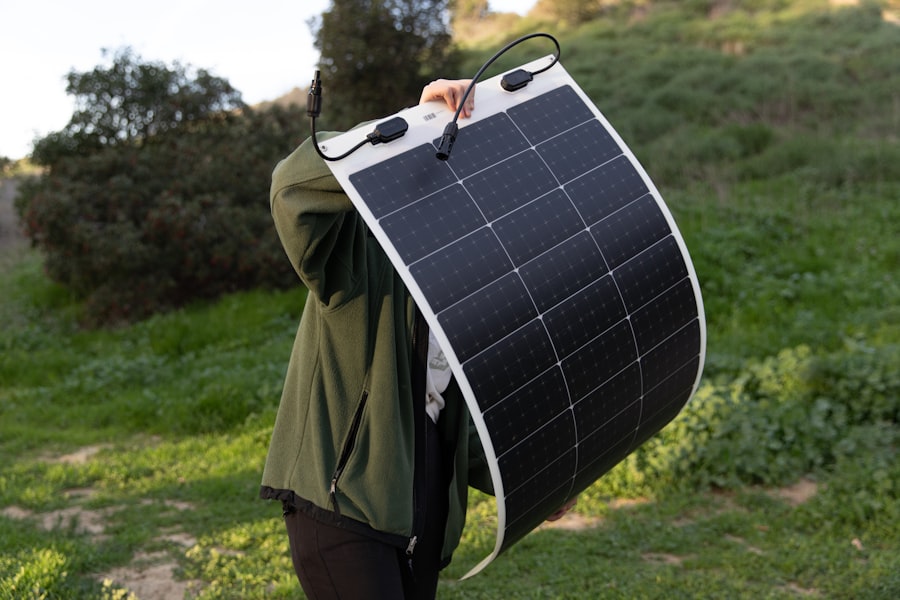
Creating a backup power source is another vital step in preparing a home for potential solar storm impacts. Power outages can occur suddenly and without warning during severe geomagnetic events, leaving households without electricity for extended periods. To mitigate this risk, homeowners should consider investing in alternative power solutions such as generators or solar power systems.
Generators provide immediate backup power during outages, allowing homeowners to maintain essential functions such as refrigeration and heating. On the other hand, solar power systems offer a sustainable long-term solution that can provide electricity even when the grid is down. By establishing a reliable backup power source, individuals can enhance their home’s resilience against solar storms and ensure that they remain comfortable and secure during challenging times.
Protecting Your Home’s Communication Systems
In an increasingly connected world, communication systems play a critical role in maintaining safety and security during emergencies. Solar storms can disrupt communication networks, making it difficult for individuals to stay informed or reach out for help when needed. Therefore, protecting these systems is essential for ensuring that households remain connected during geomagnetic events.
One effective way to safeguard communication systems is by using surge protectors specifically designed for telecommunication lines. These devices help prevent damage to phones and internet connections during solar storms. Additionally, homeowners should consider having backup communication methods in place, such as battery-powered radios or satellite phones.
By taking these precautions, individuals can ensure that they remain informed and connected even when traditional communication networks are compromised.
Safeguarding Your Home’s Appliances and HVAC Systems
Appliances and HVAC systems are integral components of modern homes, providing comfort and convenience throughout the year. However, these systems are also vulnerable to damage from solar storms. High-voltage surges can lead to costly repairs or replacements if not adequately protected.
Therefore, homeowners must take steps to safeguard these essential appliances. One effective strategy is to install dedicated surge protectors for major appliances such as refrigerators, washing machines, and HVAC units. These devices help absorb excess voltage and prevent damage during geomagnetic events.
Additionally, regular maintenance of HVAC systems ensures that they operate efficiently and reduces the risk of failure during power outages. By prioritizing the protection of appliances and HVAC systems, homeowners can maintain their quality of life even in the face of solar storm disruptions.
Developing an Emergency Plan for Solar Storms
An emergency plan is an essential component of any household’s preparedness strategy for solar storms. Such a plan should outline specific actions to take before, during, and after a geomagnetic event. Homeowners should consider factors such as communication methods, evacuation routes, and emergency supplies when developing their plans.
In addition to outlining practical steps, an effective emergency plan should also include provisions for family members with special needs or medical conditions. Ensuring that everyone in the household understands the plan and their roles during an emergency is crucial for maintaining order and safety. By developing a comprehensive emergency plan tailored to their unique circumstances, families can enhance their resilience against the impacts of solar storms.
Staying Informed and Monitoring Solar Activity
Staying informed about solar activity is vital for effective preparedness against solar storms. Various organizations monitor solar weather and provide updates on potential geomagnetic events. Homeowners should familiarize themselves with reliable sources of information and consider subscribing to alerts or notifications regarding solar activity.
By staying informed about upcoming solar storms or heightened activity levels, individuals can take proactive measures to protect their homes and families. This may include unplugging sensitive devices or activating backup power sources in anticipation of potential disruptions. Being proactive rather than reactive allows homeowners to minimize risks associated with solar storms effectively.
Seeking Professional Help for Home Protection Measures
While many protective measures can be implemented independently, seeking professional help may be beneficial for homeowners looking to enhance their home’s resilience against solar storms comprehensively. Electricians or home safety experts can provide valuable insights into identifying vulnerabilities within electrical systems and recommend appropriate solutions tailored to individual needs. Professional assessments can also ensure that installations such as surge protectors or backup power systems are done correctly and safely.
In conclusion, understanding the nature of solar storms and taking proactive steps to protect homes is essential in today’s technology-driven world. By identifying vulnerabilities within electrical systems, installing protective devices, creating backup power sources, safeguarding communication systems, developing emergency plans, staying informed about solar activity, and seeking professional help when necessary, homeowners can significantly enhance their resilience against the potential impacts of geomagnetic events.
As society continues to evolve alongside technology, prioritizing preparedness will ensure that families remain safe and secure in the face of natural phenomena like solar storms.
As solar storms become an increasing concern for homeowners, it’s essential to explore effective protection strategies to safeguard our homes from potential electromagnetic disruptions.
This article provides valuable information on how to prepare your home for solar storms, including practical tips and technological solutions to minimize risks. For more details, you can read the full article by visiting