Predicting Solar Flares: The Future of Space Weather
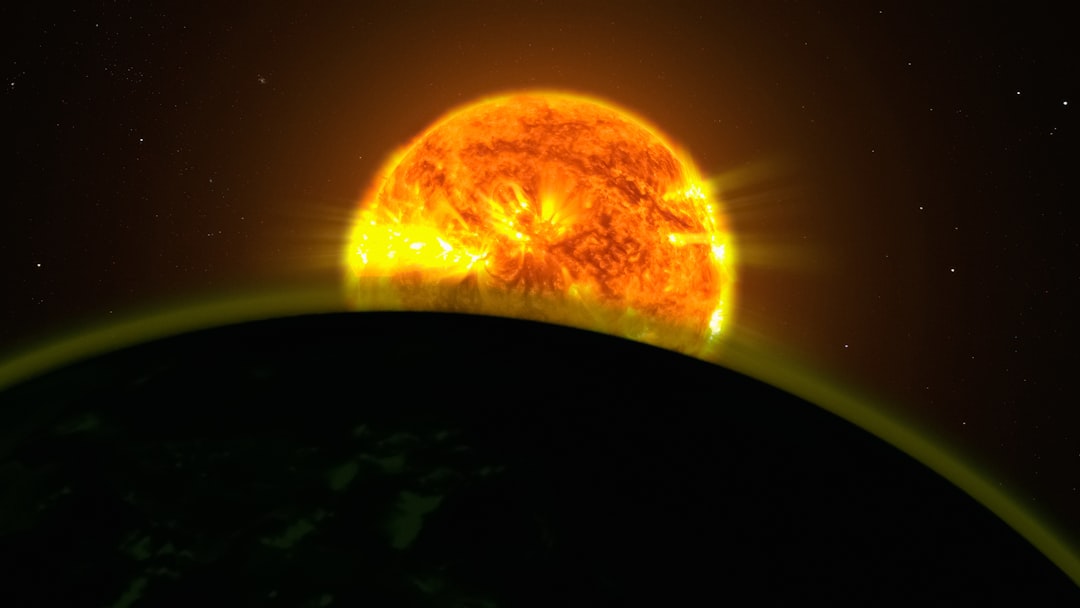
The Sun, our star, is a celestial furnace of unparalleled power. Its surface churns with magnetic activity, a tempestuous ballet that sometimes erupts in spectacular bursts of energy known as solar flares. These cosmic fireworks, while visually stunning from a distance, pose significant threats to our increasingly technology-dependent society. Understanding and predicting these events is paramount, transforming our relationship with the Sun from one of passive observation to one of proactive management. This field, the vanguard of “space weather forecasting,” is rapidly evolving, driven by advancements in observation, simulation, and data analysis.
Solar flares are not just aesthetically pleasing phenomena; they are potent drivers of space weather, a concept that encapsulates the dynamic and often disruptive conditions in the Sun’s outer atmosphere and the interplanetary medium. When a solar flare occurs, it releases a torrent of high-energy particles and radiation into space. If Earth is in the path of this energetic outflow, the consequences can be far-reaching and severe.
Geomagnetic Storms: Earth’s Cosmic Bruises
The most common and significant consequence of intense solar flares is the geomagnetic storm. These are disturbances in Earth’s magnetosphere, the region of space dominated by our planet’s magnetic field. The charged particles ejected by a flare can penetrate the magnetosphere, compressing it and driving powerful electrical currents within it.
- Impact on Satellites: Satellites, the eyes and ears of our modern world, are particularly vulnerable. The increased radiation can damage sensitive electronics, leading to malfunctions or outright failure. Even if components survive, the increased atmospheric drag caused by the heating of Earth’s upper atmosphere can alter satellite orbits, necessitating costly and complex orbital adjustments. A single powerful flare could disable a significant portion of our satellite constellations, impacting communication, navigation (like GPS), weather forecasting, and scientific research. Think of it as a powerful EMP blast targeting our most crucial orbital infrastructure.
- Disruption of Power Grids: The electrical currents induced by geomagnetic storms can flow through long conductors on Earth’s surface, such as power transmission lines. These induced currents can overload transformers and destabilize the power grid, leading to widespread blackouts. The “Great Quebec Blackout” of 1989, triggered by a geomagnetic storm, serves as a stark reminder of this vulnerability, leaving millions without power for hours. The interconnected nature of modern power grids means a localized disturbance can cascade into a regional or even continental catastrophe.
- Challenges for Aviation and Maritime Navigation: High-energy particles can interfere with radio communications, crucial for air traffic control and long-distance maritime navigation. Furthermore, the increased radiation poses a health risk to passengers and crew on high-altitude flights, particularly transpolar routes. Airlines may need to reroute flights or cancel them altogether during periods of heightened solar activity.
Radiation Hazards in Space and at High Altitudes
Beyond geomagnetic storms, the direct X-ray and ultraviolet radiation from solar flares can be hazardous. This radiation ionizes Earth’s upper atmosphere, which can disrupt radio communications in the shortwave spectrum. For astronauts on the International Space Station or future lunar missions, this radiation can pose a significant health risk, increasing the likelihood of cancer and other long-term effects if adequate shielding is not in place. Predicting flares allows for timely shelter for astronauts and adjustments to mission plans.
The Less Obvious Impacts: Pipelines and Communication
Even seemingly robust infrastructure like oil and gas pipelines are not immune. Induced currents can accelerate the corrosion of pipelines, leading to potential leaks and environmental damage. Similarly, the rapid changes in ionospheric conditions can affect the performance of long-range radio communication systems, impacting everything from amateur radio operators to critical emergency services.
Recent advancements in solar flare prediction have been highlighted in an insightful article that explores the methodologies and technologies used to forecast these powerful solar events. For a deeper understanding of the current research and developments in this field, you can read more in the article available at My Cosmic Ventures. This resource provides valuable information on how scientists are improving their predictive capabilities to mitigate the impacts of solar flares on Earth.
Unraveling the Sun’s Secrets: Observational Advancements
The quest to predict solar flares requires a deep understanding of the Sun’s complex internal processes and its visible manifestations. Decades of dedicated observation, coupled with technological innovation, have provided us with an unprecedented view of our star.
Space-Based Observatories: Our Eyes in the Sky
Satellites positioned in orbit around Earth provide continuous, unobstructed views of the Sun, free from the distorting effects of our atmosphere. These observatories are our primary tools for monitoring solar activity in various wavelengths of the electromagnetic spectrum.
- The Solar Dynamics Observatory (SDO): Launched in 2010, SDO is a cornerstone of solar physics research. It continuously observes the Sun with high spatial and temporal resolution, providing a wealth of data on magnetic fields, plasma flows, and energetic events. Its instruments capture the Sun in ultraviolet and extreme ultraviolet light, revealing the dynamic processes occurring beneath its visible surface. SDO’s constant stream of data acts like a live feed from the Sun’s churning engine room.
- The Parker Solar Probe: This groundbreaking mission, launched in 2018, is designed to fly closer to the Sun than any previous spacecraft. By venturing into the Sun’s corona, the outermost layer of its atmosphere, the Parker Solar Probe aims to directly sample the solar wind and understand the physical mechanisms that heat and accelerate it. Its data is crucial for understanding the origins of solar flares and coronal mass ejections. Imagine a submarine diving into the deepest part of the ocean – Parker Solar Probe is our probe into the Sun’s fiery depths.
- STEREO (Solar Terrestrial Relations Observatory): This mission, consisting of two spacecraft, provided a unique 3D view of the Sun and its activity. By observing solar events from different vantage points, STEREO allowed scientists to better track the propagation of solar disturbances through interplanetary space and understand their three-dimensional structure. This provided a more comprehensive picture than a single viewpoint could offer.
Ground-Based Telescopes: Complementary Perspectives
While space-based observatories offer unparalleled views, ground-based telescopes play a vital role in complementing their data. These facilities can often achieve higher spatial resolution for specific phenomena and can focus on particular aspects of the Sun.
- The Daniel K. Inouye Solar Telescope (DKIST): Located in Hawaii, DKIST is the world’s most powerful solar telescope. Its advanced optics and adaptive optics system allow scientists to observe the Sun’s surface with unprecedented detail, resolving magnetic structures as small as 50 kilometers. This capability is critical for understanding the localized development of magnetic instability that can lead to flares. DKIST is our most powerful magnifying glass on the Sun.
- Network of Observatories: A global network of solar observatories, often equipped with magnetographs to measure magnetic fields, provides continuous monitoring and early detection of emerging active regions prone to flaring. These coordinated efforts ensure that no significant solar event goes unnoticed.
The Algorithmic Alchemists: Predictive Modeling and Data Science
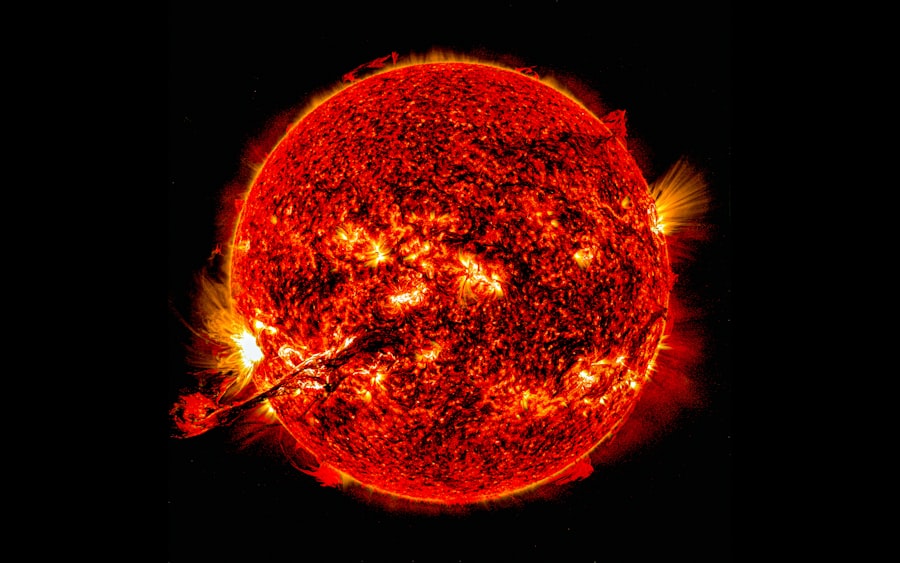
Collecting vast amounts of data is only the first step. The true challenge lies in extracting meaningful predictions from this cosmic deluge. This is where the fields of computational modeling and data science become indispensable.
Magnetic Field Reconstruction: The Sun’s Inner Seismology
Solar flares are fundamentally driven by the tangled and complex magnetic fields on the Sun’s surface within sunspots. Predicting flares boils down to understanding how these magnetic fields evolve and where they might become unstable.
- Magnetohydrodynamics (MHD) Simulations: These powerful computer models simulate the behavior of plasma and magnetic fields in the Sun’s atmosphere. By inputting observational data about the Sun’s magnetic field, scientists can run simulations to predict how these fields will evolve over time and identify regions where magnetic energy is accumulating, a precursor to a flare. These simulations are like weather forecasts for the Sun, predicting its energetic storms.
- Force-Free Field Extrapolation: This technique uses observed magnetic field measurements near the Sun’s surface to estimate the configuration of the magnetic field in the corona. By identifying areas of “stressed” or “stressed” field lines, scientists can pinpoint potential flare locations.
Machine Learning and Artificial Intelligence: Learning from Past Events
The historical record of solar flares, though incomplete, offers valuable lessons. Machine learning and AI algorithms are being trained on this historical data to identify patterns and correlations that might be missed by human analysts.
- Pattern Recognition in Observational Data: AI algorithms can be trained to recognize subtle precursor signals in various observational data streams (e.g., changes in plasma velocity, X-ray emissions) that often precede a solar flare. By learning from countless past events, these algorithms can flag regions or moments with a higher probability of a flare.
- Probabilistic Forecasting: Instead of providing a definitive “yes” or “no” prediction, AI models often provide probabilities of a flare occurring within a certain timeframe and with a certain intensity. This probabilistic approach allows for more nuanced risk assessment and resource allocation. Imagine a meteorologist giving a percentage chance of rain – space weather forecasting is moving towards similar probabilistic outputs.
- Anomaly Detection: AI can excel at identifying unusual patterns in the vast streams of data, flagging potential new phenomena or developing flares that might not fit established predictive models. This “out-of-the-box” thinking can be crucial for anticipating novel solar behavior.
The Human Element: Integrating Expertise and Evolving Capabilities
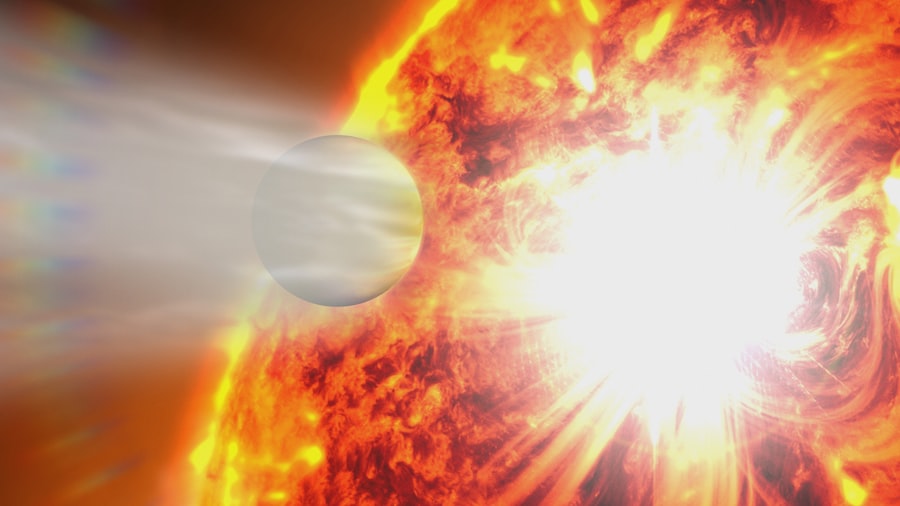
While sophisticated technology and algorithms are critical, the human element remains at the heart of space weather prediction. Skilled scientists and forecasters are needed to interpret the data, validate model outputs, and communicate the risks to a wide range of stakeholders.
The Role of Space Weather Centers
Dedicated space weather centers, such as the Space Weather Prediction Center (SWPC) in the United States and the Met Office Space Weather Operations Centre in the UK, serve as hubs for the analysis of solar data and the dissemination of forecasts. These centers employ teams of scientists who monitor solar activity around the clock.
- Forecasting and Warning Systems: These centers issue alerts and warnings when solar activity poses a potential threat to Earth. These warnings are communicated to government agencies, critical infrastructure operators, and the public. The goal is to provide actionable information to mitigate potential damage.
- Collaboration and Knowledge Sharing: International collaboration among space weather centers is crucial. Sharing data, models, and expertise allows for a more robust and comprehensive understanding of solar activity and its impacts on Earth. No single nation can fully grasp the Sun’s global influence alone.
The Evolving Landscape of Space Weather Services
The demand for space weather information is growing as our reliance on technology increases. This is driving the development of more sophisticated and tailored space weather services.
- Tailored Forecasts for Specific Industries: Different industries have different vulnerabilities to space weather. Forecasts are increasingly being customized to meet the specific needs of sectors like aviation, satellite operators, and energy providers, providing them with the precise information they need to make informed decisions.
- Real-Time Monitoring and Rapid Response: The ability to monitor solar activity in near real-time and provide rapid response warnings is essential for minimizing the impact of disruptive space weather events. This requires highly automated systems and efficient communication channels.
Recent advancements in solar flare prediction have garnered significant attention in the scientific community. Researchers are continuously exploring innovative methods to enhance the accuracy of these predictions, which can have profound implications for satellite operations and communication systems on Earth. For a deeper understanding of the current trends and technologies in this field, you can read a related article that discusses the latest findings and methodologies in solar flare forecasting. Check it out here.
The Horizon: Towards True Predictability
| Metric | Description | Typical Value / Range | Unit |
|---|---|---|---|
| Flare Class | Classification of solar flares based on X-ray brightness | A, B, C, M, X (increasing intensity) | Class |
| Prediction Accuracy | Percentage of correctly predicted solar flares | 60% – 85% | % |
| False Alarm Rate | Percentage of predicted flares that did not occur | 10% – 30% | % |
| Lead Time | Time between prediction and actual flare occurrence | 10 minutes – 24 hours | Hours / Minutes |
| Magnetic Field Complexity | Classification of sunspot magnetic complexity (e.g., McIntosh or Mount Wilson) | Alpha, Beta, Beta-Gamma, Beta-Gamma-Delta | Class |
| Sunspot Area | Size of sunspot group associated with flare activity | 10 – 2000 | Millionths of solar hemisphere |
| Solar X-ray Flux | Measured X-ray flux during flare events | 10^-8 to 10^-3 | Watts/m² |
| Probability of Flare Occurrence | Predicted chance of flare within a given time window | 0% – 100% | % |
The ultimate goal of space weather forecasting is to achieve a level of predictability that allows for proactive mitigation of the most damaging effects of solar flares. While perfect prediction may remain elusive, significant progress is being made.
Improving Our Understanding of Flare Triggers
A key area of research is understanding the precise conditions that trigger a solar flare. Is it a sudden change in magnetic field line connectivity, an instability in the plasma, or a combination of factors? Answering these questions will significantly improve predictive models.
Developing Advanced Warning Times
Current warning times for major solar flares can range from minutes to hours. The aim is to extend this warning time to days, allowing for more comprehensive preparation and response. This requires pushing the boundaries of our predictive capabilities further into the Sun’s behavior.
The Integration of Multi-Messenger Astronomy
Future advancements may involve integrating data from different types of “messengers” – electromagnetic radiation, charged particles, and even neutrinos – to gain a more holistic understanding of solar events and their propagation through space. This multi-pronged approach to observation will provide a richer tapestry of information.
In conclusion, the prediction of solar flares is a critical and rapidly advancing field. By leveraging cutting-edge observational technologies, sophisticated computational models, and the power of data science, humanity is steadily improving its ability to forecast space weather. This ongoing endeavor is not merely an academic pursuit; it is an essential step in safeguarding our technological infrastructure and ensuring the continued progress of our civilization in the face of our star’s inherent dynamism. The Sun, our life-giver, demands our respect and our understanding, and the science of space weather prediction is our key to navigating its powerful influence.
FAQs
What is a solar flare?
A solar flare is a sudden, intense burst of radiation coming from the release of magnetic energy associated with sunspots on the Sun’s surface. These flares emit energy across the entire electromagnetic spectrum, including X-rays and ultraviolet light.
Why is predicting solar flares important?
Predicting solar flares is important because they can impact space weather, affecting satellite operations, communication systems, navigation, and even power grids on Earth. Early warnings help mitigate these effects and protect technological infrastructure.
How are solar flares currently predicted?
Solar flare prediction involves monitoring solar activity using satellites and ground-based observatories. Scientists analyze sunspot characteristics, magnetic field data, and solar emissions to estimate the likelihood and intensity of upcoming flares.
What challenges exist in solar flare prediction?
Challenges include the complex and dynamic nature of the Sun’s magnetic fields, limited understanding of flare initiation mechanisms, and the difficulty in accurately forecasting the timing and magnitude of flares due to the Sun’s unpredictable behavior.
What technologies aid in solar flare prediction?
Technologies include space-based observatories like the Solar Dynamics Observatory (SDO), magnetographs, solar telescopes, and advanced computer models that simulate solar magnetic activity to improve prediction accuracy.