
The modern digital landscape presents organizations with a deluge of information, often likened to a surging river of data. Effectively managing this data is no longer a luxury but a fundamental requirement for operational agility and strategic advantage. Data storage solutions, as essential infrastructure, provide the means to capture, preserve, and retrieve this digital torrent. This article explores the multifaceted aspects of maximizing efficiency with data storage solutions, delving into key considerations, technology types, and best practices.
The nature of data itself has undergone a significant transformation. Historically, data was primarily structured and resided in relational databases. Today, organizations contend with a rich tapestry of data types, including semi-structured JSON and XML, and unstructured forms like images, videos, audio, and sensor data. This diversification directly impacts storage requirements and necessitates more flexible and scalable solutions.
The Rise of Big Data
The sheer volume, velocity, and variety of data – often referred to as the three V’s of Big Data – pose unique challenges. Traditional storage architectures often buckle under the strain, leading to performance bottlenecks and increased operational costs. Organizations must consider solutions designed to handle petabytes, and even exabytes, of information with rapid ingestion and retrieval capabilities.
Data Security and Compliance Demands
Beyond mere storage, the imperative of data security has escalated dramatically. Data breaches are costly, both financially and reputationally. Compliance regulations, such as GDPR, HIPAA, and CCPA, impose strict requirements on how data is stored, protected, and retained. Data storage solutions must incorporate robust security features, including encryption at rest and in transit, access controls, and auditing capabilities, to meet these stringent demands.
For those interested in exploring the latest advancements in data storage solutions, a related article can be found at My Cosmic Ventures. This article delves into innovative technologies that are transforming how we store and manage data, highlighting trends such as cloud storage, solid-state drives, and emerging storage architectures. It provides valuable insights for both individuals and businesses looking to optimize their data management strategies in an increasingly digital world.
Evaluating Key Factors for Data Storage Efficiency
Selecting the optimal data storage solution requires a comprehensive evaluation of several critical factors. A misstep in this initial assessment can lead to inefficient resource allocation, performance deficiencies, and increased total cost of ownership.
Capacity Planning and Scalability
Organizations must accurately assess their current data storage needs and, crucially, project future growth. Undersizing can lead to frequent, disruptive upgrades, while oversizing results in wasted capital expenditure. Scalability, the ability to expand storage capacity and performance seamlessly, is paramount. This can be achieved through horizontal scaling (adding more nodes) or vertical scaling (upgrading existing hardware).
Performance Requirements: Latency and Throughput
The desired performance of a data storage solution is dictated by the applications and workloads it supports. Latency, the time delay between a request and a response, is critical for real-time applications and transactional databases. Throughput, the amount of data transferred per unit of time, is vital for large data transfers and analytical workloads. Matching storage performance to application requirements prevents bottlenecks and ensures responsive operations.
Data Durability and Availability
Data durability refers to the long-term integrity and resistance to corruption of stored data. Redundancy mechanisms, such as RAID configurations and data replication across multiple sites, contribute to higher durability. Availability, on the other hand, describes the accessibility of data when needed. High availability solutions minimize downtime through failover mechanisms and disaster recovery strategies, ensuring business continuity even in the face of hardware failures or catastrophic events.
Exploring Diverse Data Storage Technologies
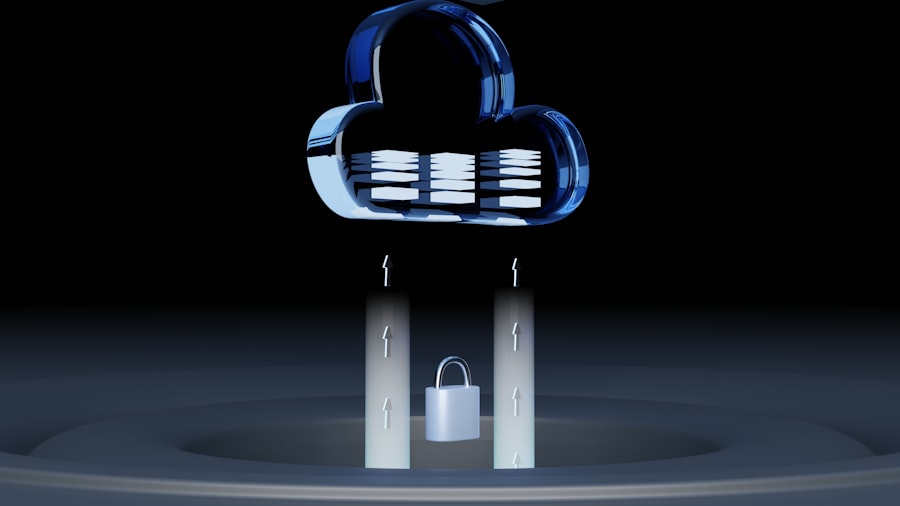
The technological landscape of data storage is broad and varied, offering tailored solutions for different use cases. Understanding the characteristics of each technology is essential for informed decision-making.
Direct Attached Storage (DAS)
DAS involves storage devices directly connected to a single server. It is typically simple to implement and offers good performance for individual servers. However, DAS lacks scalability and shared access, making it less suitable for large-scale, collaborative environments. Its simplicity makes it a viable option for standalone applications or environments where storage needs are localized.
Network Attached Storage (NAS)
NAS provides file-level data storage over a network, making it accessible to multiple clients. It is relatively easy to manage and provides a centralized repository for shared files. NAS solutions are well-suited for general-purpose file sharing, departmental storage, and small to medium-sized businesses due to their cost-effectiveness and ease of deployment.
Storage Area Network (SAN)
SANs provide block-level data storage, treating storage devices as if they were directly attached to servers. This offers high performance and low latency, making SANs ideal for demanding applications like transactional databases, virtualization, and high-performance computing. SANs typically employ Fibre Channel (FC) or iSCSI protocols for connectivity, offering robust and dedicated storage networks.
Cloud Storage
Cloud storage offers a flexible and scalable approach to data storage, leveraging a vast network of servers and infrastructure managed by a third-party provider. It encompasses various service models, including Infrastructure as a Service (IaaS) for raw storage, Platform as a Service (PaaS) for database services, and Software as a Service (SaaS) for applications with integrated storage. Cloud storage excels in scalability, global accessibility, and often offers pay-as-you-go pricing models.
Object Storage
Object storage manages data as discrete objects within a flat address space, abstracting away the underlying file system. Each object includes the data itself, a unique identifier, and metadata. Object storage is highly scalable, cost-effective for large volumes of unstructured data, and offers high durability. It is particularly well-suited for archiving, backups, and storing content for web applications.
Optimizing Data Storage for Cost-Effectiveness
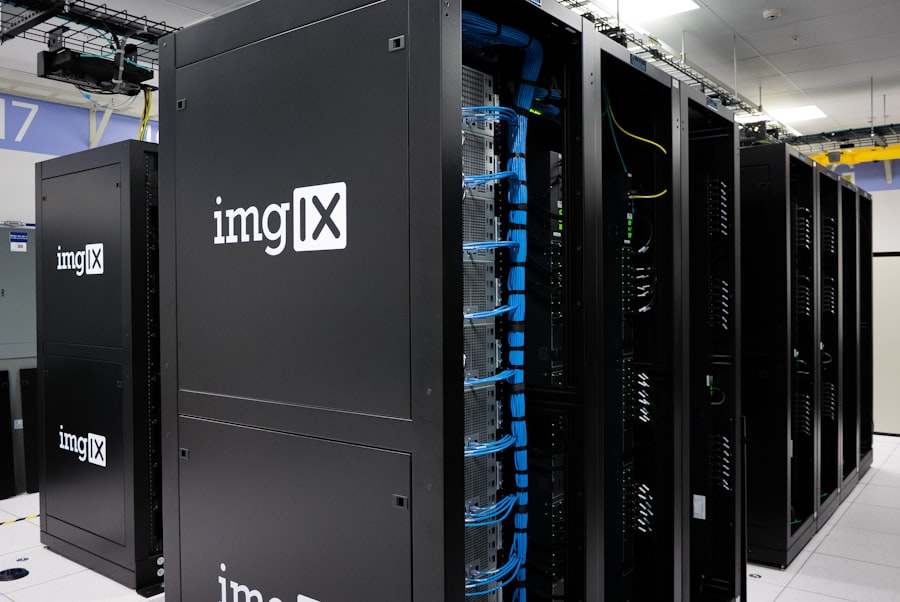
Achieving efficiency in data storage extends beyond technical specifications; it encompasses strategic cost management. Uncontrolled storage growth can quickly become a significant drain on IT budgets.
Data Tiering and Lifecycle Management
Data tiering involves categorizing data based on its access frequency and importance, then placing it on appropriate storage media. Frequently accessed, mission-critical data resides on high-performance, expensive storage (e.g., solid-state drives), while less frequently accessed data is moved to more cost-effective, slower storage (e.g., hard disk drives or tape archives). Data lifecycle management encompasses automation of this tiering process, ensuring data moves efficiently through its lifecycle from “hot” to “cold” storage.
Data Deduplication and Compression
Data deduplication identifies and eliminates redundant copies of data, storing only a single instance of a block or file. This significantly reduces the overall storage footprint. Compression algorithms, on the other hand, reduce the size of data by encoding it more efficiently. Both techniques contribute to substantial storage savings and can improve backup and replication speeds by reducing the amount of data transferred.
Thin Provisioning
Thin provisioning allows for the allocation of more storage capacity to applications than is physically available. Storage is consumed on demand as data is written, rather than allocating a fixed amount upfront. This optimizes the utilization of physical storage space and delays the need for hardware expansion, acting like a reservoir that only fills up as water is used.
In the ever-evolving landscape of technology, understanding data storage solutions is crucial for both individuals and businesses. A related article that delves deeper into this topic can be found at this link, where various methods and innovations in data storage are explored. By staying informed about these advancements, one can make better decisions regarding data management and security.
Ensuring Data Protection and Disaster Recovery
| Storage Type | Capacity Range | Access Speed | Durability | Typical Use Case |
|---|---|---|---|---|
| Hard Disk Drive (HDD) | 500 GB – 20 TB | 80-160 MB/s | 5-10 years | Mass storage, backups |
| Solid State Drive (SSD) | 120 GB – 8 TB | 200-3500 MB/s | 5-10 years | Operating systems, applications |
| Optical Disc (CD/DVD/Blu-ray) | 700 MB – 100 GB | 1-36 MB/s | 10-50 years | Media distribution, archival |
| Magnetic Tape | 100 GB – 20 TB | 30-300 MB/s | 20-30 years | Long-term archival storage |
| Cloud Storage | Scalable (GB to PB+) | Varies (depends on internet) | Indefinite (provider dependent) | Remote access, backup, collaboration |
Data protection is an overarching concern, extending beyond mere storage to encompass a comprehensive strategy for safeguarding information against loss, corruption, and unauthorized access.
Backup and Recovery Strategies
Regular and reliable backups are the cornerstone of data protection. Organizations must implement a robust backup strategy, defining recovery point objectives (RPOs – the maximum tolerable data loss) and recovery time objectives (RTOs – the maximum tolerable downtime). This involves selecting appropriate backup methods (full, incremental, differential), storage locations (on-premises, off-site, cloud), and retention policies.
Disaster Recovery Planning
Disaster recovery (DR) planning outlines the procedures and technologies required to restore business operations after a catastrophic event, such as a natural disaster, cyberattack, or major system failure. This includes data replication to remote sites, failover mechanisms, and comprehensive testing to ensure the DR plan is effective and operational when needed. The goal is business continuity, minimizing the impact of unforeseen disruptions.
Data Encryption and Access Controls
Data encryption scrambles data, rendering it unreadable to unauthorized individuals. Encryption should be applied both at rest (when data is stored) and in transit (when data is being moved across networks). Granular access controls, implemented through identity and access management (IAM) systems, restrict who can access what data and at what level of permission. These measures form a vital defense against data breaches and unauthorized manipulation.
The Future of Data Storage Efficiency
The trajectory of data storage continues to evolve at a rapid pace, driven by technological innovation and the ever-increasing demands of the digital world. Organizations must remain agile and adaptable in their approach to storage.
Software-Defined Storage (SDS)
Software-Defined Storage (SDS) separates the storage control plane from the underlying hardware, allowing for greater flexibility, automation, and centralized management. SDS enables organizations to pool diverse storage resources and manage them through software, abstracting away hardware specifics. This empowers administrators with greater control and allows for dynamic provisioning of storage resources.
Hyperconverged Infrastructure (HCI)
Hyperconverged Infrastructure (HCI) integrates compute, storage, and networking into a single, software-defined platform. This simplifies IT infrastructure management, reduces data center footprint, and offers streamlined scalability. HCI provides a unified and efficient approach to infrastructure deployment and management, particularly beneficial for virtualized environments.
The Role of Artificial Intelligence (AI) and Machine Learning (ML)
AI and ML are increasingly being leveraged to enhance data storage efficiency. These technologies can optimize data placement based on access patterns, predict future storage needs, automate routine storage management tasks, and proactively identify potential performance bottlenecks or security threats. By analyzing vast amounts of operational data, AI and ML can transform reactive storage management into a more proactive and intelligent system.
In conclusion, maximizing efficiency with data storage solutions is an ongoing endeavor that requires a holistic approach. It involves a deep understanding of data characteristics, careful evaluation of technological options, strategic cost management, robust data protection, and a forward-looking perspective on emerging trends. By thoughtfully addressing these elements, organizations can transform their data storage infrastructure from a mere repository into a dynamic and efficient engine that powers their digital success. The journey to optimal data efficiency is continuous, akin to navigating a constantly changing landscape, requiring vigilance, adaptability, and strategic investment.
FAQs
What is data storage?
Data storage refers to the process of saving digital information in a storage medium so that it can be accessed and used later. This includes various devices and technologies such as hard drives, solid-state drives, optical discs, and cloud storage.
What are the main types of data storage?
The main types of data storage include primary storage (like RAM), secondary storage (such as hard drives and SSDs), and tertiary storage (like tape drives and optical discs). Additionally, cloud storage has become a popular form of remote data storage.
What is the difference between volatile and non-volatile storage?
Volatile storage requires power to maintain the stored information, meaning data is lost when the device is turned off (e.g., RAM). Non-volatile storage retains data even when the power is off, such as hard drives, SSDs, and flash memory.
How is data storage capacity measured?
Data storage capacity is typically measured in bytes, with common units including kilobytes (KB), megabytes (MB), gigabytes (GB), terabytes (TB), and petabytes (PB), depending on the size of the data being stored.
What factors should be considered when choosing a data storage solution?
Key factors include storage capacity, speed, reliability, cost, durability, and accessibility. The choice depends on the specific needs, such as whether the data requires fast access, long-term archiving, or remote availability.