
The quest for immortality, the enduring human aspiration to transcend the limitations of finite existence, has echoed through millennia of philosophical inquiry, religious dogma, and nascent scientific exploration. Across the vast canvas of the universe, where stars are born and die in cosmic cycles, humanity’s desire to escape the inevitable fade has become a persistent undercurrent, shaping narratives, driving investigations, and posing profound questions about the nature of life itself. This article will delve into the multifaceted journey of exploring eternal life, examining its historical roots, scientific avenues, philosophical implications, and the potential cosmic landscapes where such a dream might find its ultimate, or perhaps illusory, realization.
The allure of immortality is not merely a fascination with prolonging a single lifespan; it is often intertwined with the desire for accumulated knowledge, enduring legacies, and an escape from the perceived finality of death. It is a silent whisper in the human heart, a longing to witness the unfolding of time beyond the confines of a mortal coil, to observe the grand tapestry of existence woven from countless ages. Yet, as we venture on this quest, we must distinguish between the enduring spirit of inquiry and the seductive siren song of wishful thinking.
The human imagination has long grappled with the concept of escaping death. From the earliest oral traditions to the foundations of organized religions, narratives of eternal life abound, serving as both cautionary tales and beacons of hope. These ancient echoes, etched in stone and woven into sacred texts, offer valuable insights into humanity’s initial conceptualizations of what immortality might entail.
The Epic of Gilgamesh and the Fear of the Unknown
One of the earliest known literary works, the Epic of Gilgamesh, vividly portrays the profound fear of death and the desperate pursuit of everlasting life. The protagonist’s grief over the loss of his friend Enkidu propels him on a perilous journey to find Utnapishtim, the only mortal granted immortality by the gods. This ancient saga reveals that even in antiquity, the quest was driven by a deep-seated denial of mortality and a yearning for respite from the universal decree of decay. Gilgamesh’s arduous search, ultimately ending in disappointment, underscores the profound chasm between human desire and the seemingly immutable laws of nature as perceived by early civilizations.
Mythological Pathways to the Undying
Across diverse cultures, mythologies present a spectrum of pathways to eternal life. In Greek mythology, heroes could be granted immortality by the gods, such as Heracles after his labors. The concept of Elysium, a paradise reserved for the virtuous, offered a form of post-mortem eternal bliss. Egyptian mythology centered around the concept of the afterlife and the meticulous preservation of the body through mummification, aiming to ensure the deceased’s continued existence in the spirit realm. These narratives often involve divine intervention, magical elixirs, or adherence to strict moral codes, reflecting a worldview where cosmic order was often dictated by supernatural forces.
Theological Promises of Everlasting Life
Major world religions have incorporated the promise of eternal life into their core tenets, albeit through different interpretations and mechanisms. Christianity, for instance, offers salvation and eternal life in heaven for believers, often through faith in Jesus Christ. Islam speaks of Jannah (paradise) for the righteous. In Hinduism and Buddhism, the concept of karma and reincarnation, while not strictly individual immortality, offers a form of continuous existence through cycles of rebirth, aiming ultimately for moksha or nirvana, liberation from the cycle of suffering and rebirth. These religious frameworks provide a spiritual anchor for the quest, offering solace and purpose in the face of mortal finitude.
The concept of information immortality in the universe raises intriguing questions about the nature of reality and existence. For a deeper exploration of this topic, you can read a related article that delves into the implications of information preservation in the cosmos. This article discusses how information may transcend physical forms and persist indefinitely, challenging our understanding of life and death. To learn more, visit this article on My Cosmic Ventures.
The Scientific Frontier: From Longevity to Radical Life Extension
As scientific understanding has advanced, the pursuit of immortality has shifted from the realm of mythology and theology to that of biological and technological exploration. While literal eternal life remains beyond current reach, the scientific community is actively investigating methods to extend lifespan and combat age-related diseases, paving the way for what is often termed “radical life extension.”
Unraveling the Mechanisms of Aging
At the heart of the scientific quest lies the fundamental question: what causes aging? Research into cellular senescence, telomere shortening, DNA damage, and the accumulation of molecular “garbage” are akin to dissecting a complex clockwork mechanism, trying to identify the gears that are grinding down and the springs that are losing their tension. Understanding these processes is the first step toward intervention.
Cellular Senescence: The Ticking Time Bombs
Senescent cells, often referred to as “zombie cells,” cease to divide but remain metabolically active, secreting inflammatory molecules that damage surrounding tissues. Their accumulation is a hallmark of aging and contributes to various age-related diseases. Scientists are exploring senolytics, drugs designed to selectively clear these senescent cells, with promising results in animal models.
Telomeres and the Hayflick Limit
Telomeres, protective caps at the ends of chromosomes, shorten with each cell division, acting as a biological clock. When telomeres become too short, cells enter senescence or undergo apoptosis. The enzyme telomerase can rebuild telomeres, and research is underway to explore how to safely activate telomerase in human cells for regenerative purposes.
Genomic Instability and DNA Repair
Over time, our DNA accumulates damage from various sources, and the efficiency of our repair mechanisms declines. This genomic instability contributes to cellular dysfunction and increases the risk of cancer. Strategies focus on enhancing DNA repair pathways or protecting DNA from damage in the first place.
The Promise of Regenerative Medicine and Biotechnology
Beyond simply slowing down the aging process, regenerative medicine and biotechnology offer the prospect of repairing or replacing damaged tissues and organs, effectively turning back the biological clock.
Stem Cell Therapies: The Body’s Repair Crew
Stem cells, with their unique ability to differentiate into various cell types, hold immense potential for repairing damaged tissues and organs. Research into induced pluripotent stem cells (iPSCs) allows for the reprogramming of adult cells into a stem-cell-like state, offering a personalized approach to regenerative therapies.
Gene Editing and Engineering: Rewriting the Blueprint
Technologies like CRISPR-Cas9 are providing unprecedented tools to edit the human genome. This opens possibilities for correcting genetic predispositions to diseases, enhancing cellular resilience, and potentially even altering the aging process at its fundamental genetic level. However, ethical considerations surrounding germline editing are paramount.
Artificial Organs and Cybernetic Enhancements
The development of artificial organs and sophisticated prosthetics are extending and improving the lives of many. As technology advances, the line between biological and artificial may blur, with the potential for cybernetic enhancements to augment or even replace failing biological systems.
Cryonics: A Frozen Hope for the Future
Cryonics, the practice of preserving bodies at extremely low temperatures with the hope of future revival and treatment, represents a more speculative approach to achieving a form of immortality. Proponents believe that as medical technology advances, future generations might possess the capability to reanimate cryopreserved individuals and cure the conditions that led to their death. However, the scientific viability of reanimation and the long-term effects of cryogenic preservation remain subjects of intense debate and skepticism within the scientific community.
Philosophical Dimensions: The Meaning of a Life Without End
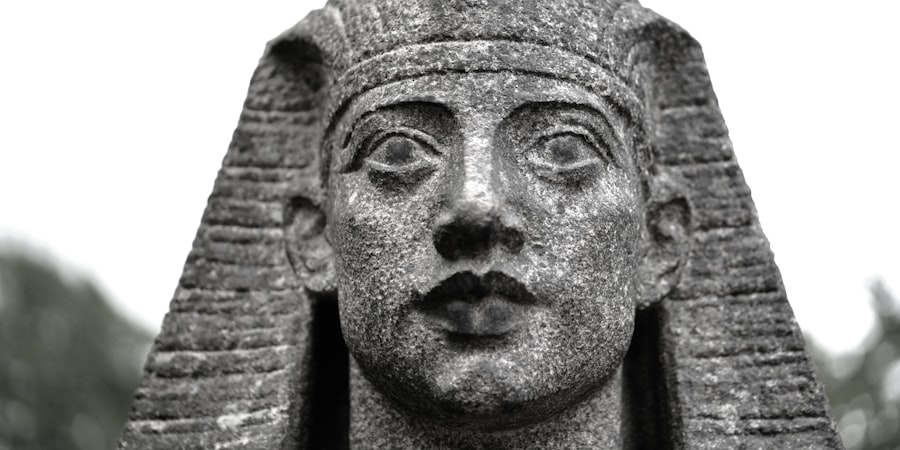
The pursuit of immortality raises profound philosophical questions that challenge our understanding of what it means to be human, the value of life, and the nature of consciousness itself.
The Paradox of Abundance and Meaning
If life were to become effectively limitless, would its inherent value diminish? The finite nature of human existence often imbues our experiences with a sense of urgency and preciousness. Would an eternity of existence, bereft of temporal constraints, lead to ennui, stagnation, or a profound loss of meaning? This is a question that has occupied philosophers for centuries, posing a significant caveat to the unbridled pursuit of endless life.
Identity and the Ever-Changing Self
Our sense of self is shaped by our memories, experiences, and the passage of time. In an infinitely extended lifespan, the individual would undergo constant transformation through learning, adaptation, and the inevitable accumulation of novel experiences. Would the “self” of a person after a thousand years still be recognizable as the same individual who began their immortal journey? The notion of a static, eternal identity becomes problematic in the face of perpetual change.
The Ethics of Eternal Existence
The prospect of immortal beings raises a multitude of ethical dilemmas. Would there be a need for population control in a universe where individuals do not die? How would resource allocation be managed? Would immortal beings, with their accumulated power and knowledge, maintain any semblance of empathy or connection with transient mortal populations, if they were to coexist? The creation of immortal beings could lead to an unprecedented societal stratification, with the “eternal elite” potentially overshadowing or subjugating those with shorter lifespans.
Transcendence vs. Stagnation
Is the ultimate goal of human existence to transcend our limitations, including mortality, or is it to find meaning and fulfillment within those limitations? The spiritual traditions that emphasize liberation from the cycle of suffering often point towards a form of transcendence that is not necessarily tied to individual, unending existence. The quest for immortality could be a distraction from the more immediate and attainable goals of living a meaningful and virtuous life within our current temporal constraints.
The Cosmic Perspective: Immortality in a Universe of Change
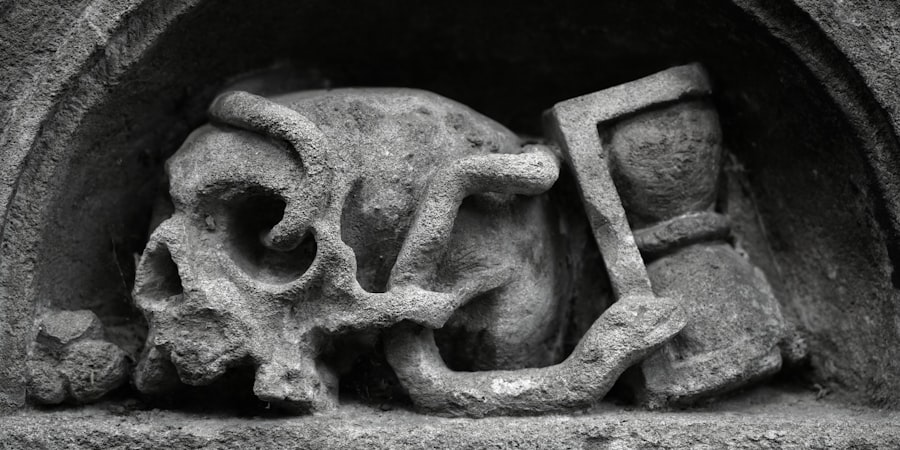
When we cast our gaze towards the vastness of the cosmos, the concept of individual immortality takes on a different hue. The universe itself operates on timescales that dwarf human comprehension, witnessing the birth, lives, and deaths of stars, galaxies, and even entire cosmic epochs.
Celestial Cycles: Birth, Life, and Death at a Grand Scale
The swirling nebulae that birth stars, the brilliant luminescence of mature suns, and the explosive finales of supernovae are all manifestations of cosmic life cycles. These processes unfold over billions of years, a timescale that dwarfs the fleeting existence of even the most ambitious human lifespan. Our own Sun, a star in its midlife, is destined to evolve and eventually face its own demise, reminding us of the universality of change and transience.
The Search for Extraterrestrial Life and its Implications
The possibility of encountering extraterrestrial life, particularly intelligent life, could offer a unique perspective on longevity and existence. If other civilizations have achieved forms of radical life extension or even true immortality, their existence could provide valuable insights, or perhaps even warnings, about the consequences of such achievements. The exploration of exoplanets, searching for bio-signatures, is the scientific equivalent of searching for other inhabitants within the cosmic abode.
The Universe as a Transient Phenomenon
Even the universe itself, as we understand it, is not an eternal constant. Cosmological models suggest a finite lifespan for the universe, with possibilities ranging from a Big Crunch to a Big Freeze. In this context, the aspiration for individual immortality within a transient cosmic framework becomes a poignant, perhaps even futile, endeavor. It is a quest for an enduring flame within a candle that is destined to burn out.
The Legacy of Consciousness in the Cosmos
Perhaps true “immortality” is not about the indefinite continuation of individual physical existence, but about the perpetuation of consciousness, knowledge, and legacy. The ideas we generate, the art we create, and the impact we have on future generations or even on other nascent forms of life might be the closest we can come to transcending our mortal limitations within the grand cosmic narrative. The universe may be inherently impermanent, but the echoes of consciousness can ripple through time and space in ways we are only beginning to comprehend.
The concept of information immortality in the universe raises fascinating questions about the nature of existence and the permanence of knowledge. A related article explores these themes in depth, examining how information might persist beyond the physical forms we recognize today. For those interested in delving deeper into this intriguing topic, you can read more about it in this insightful piece on cosmic ventures. The implications of such ideas could reshape our understanding of reality and the universe itself.
The Ultimate Horizon: Possibilities and Perils
| Metric | Description | Estimated Value | Unit | Notes |
|---|---|---|---|---|
| Maximum Information Storage Capacity of the Observable Universe | Upper bound on the total amount of information that can be stored within the observable universe | 10^92 | bits | Based on Bekenstein bound and holographic principle |
| Black Hole Entropy (Bekenstein-Hawking Entropy) | Information content encoded on the event horizon of a black hole | ~10^77 (for a solar mass black hole) | bits | Proportional to the area of the event horizon |
| Information Retention Time in Black Holes | Time scale over which information is preserved before Hawking radiation evaporates the black hole | ~10^67 | years (for solar mass black hole) | Depends on black hole mass |
| Cosmic Information Lifetime | Estimated duration for which information can persist in the universe before heat death | ~10^100 | years | Related to proton decay and black hole evaporation |
| Quantum Information Preservation | Degree to which quantum information can be preserved in the universe | High (theoretical) | N/A | Subject to quantum decoherence and black hole information paradox |
| Information Loss Paradox Status | Current understanding of whether information is lost in black holes | Mostly resolved | N/A | Holographic principle and AdS/CFT correspondence support information preservation |
The quest for immortality, whether framed as biological longevity, spiritual enlightenment, or cosmic transcendence, remains a powerful driving force behind human endeavor. As we navigate this complex and often fraught territory, it is crucial to approach the subject with both intellectual rigor and a profound sense of ethical responsibility.
The Evolutionary Imperative and its Limits
From an evolutionary standpoint, aging and death are integral to the propagation of species, allowing for adaptation and diversification. Overriding these fundamental biological processes could have unforeseen consequences, potentially leading to ecological imbalances or the stagnation of evolutionary progress. The universe is a grand experiment in adaptation, and human intervention in its fundamental processes demands extreme caution.
The Ethical Minefield of Immortality Technology
Should the technology for radical life extension become a reality, profound ethical questions will arise regarding access, equity, and the potential for creating an immortal elite. The societal implications of such a divide could be catastrophic, exacerbating existing inequalities and creating new forms of discrimination. The development of powerful technologies requires an equally powerful framework of ethical governance.
The Nature of Existence: A Journey, Not a Destination
Ultimately, the quest for immortality may be less about achieving a static state of eternal existence and more about the continuous journey of exploration, growth, and understanding. The universe, in its infinite complexity and perpetual flux, offers endless opportunities for learning and discovery. Perhaps the deepest form of “eternal life” lies not in escaping the cycle of birth and death, but in embracing the profound richness and meaning found within the unfolding narrative of existence, however temporally bound. The universe presents itself as an unfolding story, and our role may be to fully participate in its narrative, rather than seeking to opt-out of its concluding chapters.
FAQs
What is information immortality in the universe?
Information immortality refers to the concept that information, unlike physical matter, can persist indefinitely in the universe. It suggests that data or knowledge, once created or recorded, can potentially be preserved forever, even as physical forms change or decay.
How does information differ from physical matter in terms of longevity?
Physical matter is subject to decay, transformation, and destruction over time due to natural processes like entropy. In contrast, information can be copied, transmitted, and stored in multiple forms, allowing it to survive beyond the lifespan of any single physical medium.
Can information truly last forever in the universe?
While theoretically information can be preserved indefinitely, practical limitations such as cosmic events, energy constraints, and the eventual fate of the universe may impact its preservation. However, the fundamental laws of physics, like quantum mechanics, suggest that information is never completely lost.
What role does entropy play in information immortality?
Entropy, a measure of disorder, tends to increase in closed systems, leading to the degradation of physical structures. Despite this, information can be maintained or reconstructed through error correction and redundancy, allowing it to resist the effects of entropy to some extent.
Why is the concept of information immortality important in cosmology and physics?
Information immortality is significant because it relates to fundamental questions about the nature of reality, the fate of the universe, and the preservation of knowledge. It also influences theories about black holes, quantum information, and the ultimate limits of computation and communication in the cosmos.