Unraveling the Quantum Biology Secrets of DNA
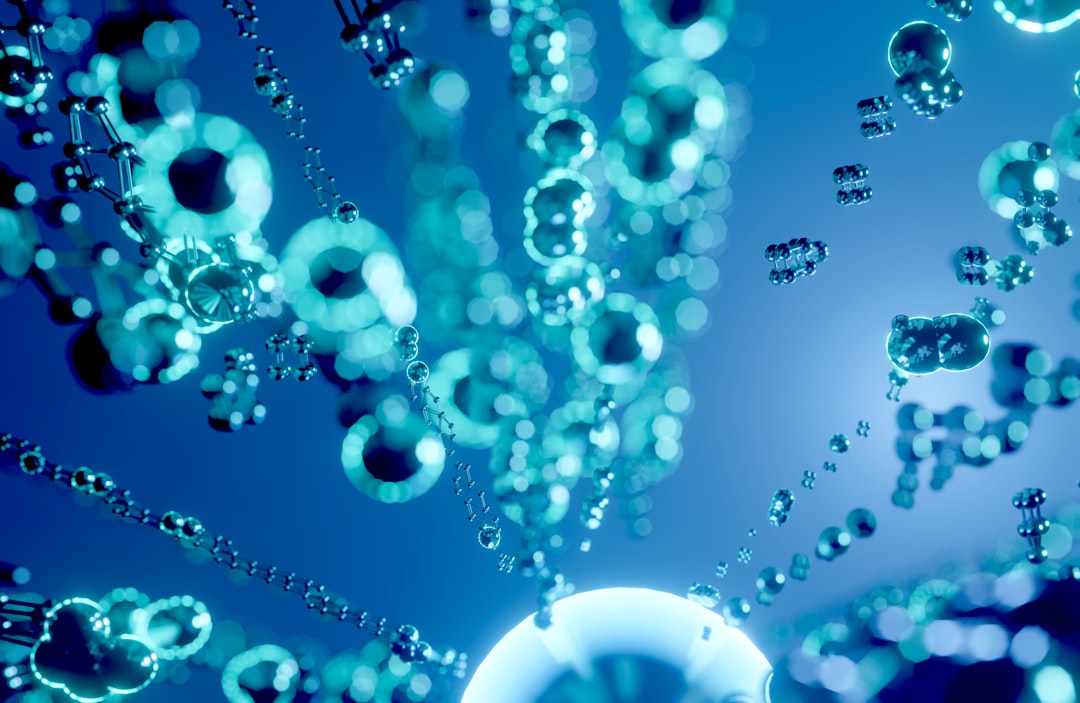
The double helix of Deoxyribonucleic Acid, or DNA, stands as the fundamental blueprint of life as we know it. For decades, its intricate structure and the mechanisms of its replication and transcription have been explained through the lens of classical chemistry and physics. However, a burgeoning field, quantum biology, suggests that a deeper, more subtle layer of explanation lies in the realm of quantum mechanics. This article delves into the fascinating intersection of quantum mechanics and DNA, exploring how quantum phenomena might be orchestrating some of its most critical biological functions, from genetic information transfer to the very stability of its structure.
At the heart of all biological processes, including those involving DNA, are molecular interactions. These interactions are governed by the fundamental forces of nature, and at the atomic and subatomic scales, quantum mechanics reigns supreme. While classical physics can accurately describe the behavior of macroscopic objects, it falters when dealing with the minute world of electrons and atoms. Quantum mechanics introduces concepts that, while often counterintuitive, are essential for understanding how molecules bond, interact, and maintain their shape.
Electron Clouds and Chemical Bonds
The seemingly solid atoms that make up DNA are, in reality, mostly empty space occupied by probability clouds of electrons. Chemical bonds, the invisible threads that hold DNA’s nucleotides together, are formed by the sharing or transfer of these electrons. Quantum mechanics describes the behavior of these electrons not as particles orbiting a nucleus, but as probability distributions, or wave functions, within specific orbitals. The overlap and interaction of these electron clouds dictate the strength and nature of chemical bonds. For DNA, this means that the very integrity of its structure, the way its bases pair up in its iconic double helix, is fundamentally a quantum mechanical phenomenon.
van der Waals Forces and Molecular Recognition
Beyond the strong covalent bonds that form the backbone of DNA, weaker interactions, such as van der Waals forces, also play a crucial role. These forces arise from temporary fluctuations in electron distribution, creating transient dipoles that induce complementary dipoles in neighboring molecules. While individually weak, the cumulative effect of these forces is significant, particularly in the precise alignment and recognition of molecules. In DNA, this contributes to the stable stacking of base pairs within the helix and the specific interactions with proteins that bind to it. Quantum mechanics provides the framework for understanding the origin and magnitude of these subtle yet vital forces.
The Role of Quantum Tunneling in Biological Processes
One of the most perplexing yet potentially significant quantum phenomena in biology is quantum tunneling. Classically, a particle needs sufficient energy to overcome an energy barrier. However, quantum mechanics allows for a probability that a particle can “tunnel” through an energy barrier, even if it does not possess enough energy to overcome it. This seemingly impossible feat has profound implications for biological processes.
Proton Tunneling in DNA Base Pairing
The precise pairing of the adenine-thymine and guanine-cytosine bases is the cornerstone of DNA’s fidelity. These pairings are mediated by hydrogen bonds, which involve the sharing of a proton (a hydrogen nucleus) between electronegative atoms in adjacent bases. Research suggests that proton tunneling might play a role in the stability and dynamics of these hydrogen bonds. A proton, instead of needing to overcome an energy barrier to move between bases, could potentially tunnel, allowing for rapid fluctuations in base pairing. While this might seem like a source of error, some theories propose that such quantum fluctuations could, paradoxically, contribute to increased fidelity by allowing the system to quickly explore different conformational states and settle into the most stable, correctly paired configuration.
Electron Tunneling in DNA Damage and Repair
The transfer of electrons is fundamental to many chemical reactions. In DNA, electron transfer processes are implicated in damage, such as that caused by radiation, and in the mechanisms of DNA repair. Quantum tunneling can facilitate the long-range transfer of electrons, a process that is difficult to explain with classical physics. For instance, when DNA is damaged by agents that can accept or donate electrons, electron tunneling might mediate the transfer of charge, initiating repair pathways or contributing to the propagation of damage. Understanding these quantum tunneling events could be key to developing strategies for mitigating DNA damage and enhancing repair mechanisms.
Quantum biology explores the intriguing intersection of quantum mechanics and biological processes, shedding light on phenomena such as photosynthesis and enzyme reactions. A fascinating article that delves deeper into this subject is available at My Cosmic Ventures, where the secrets of DNA and its quantum properties are examined, revealing how these principles may influence genetic functions and evolution. This exploration not only enhances our understanding of life’s molecular foundations but also opens new avenues for research in biotechnology and medicine.
Quantum Coherence and Energy Transfer in DNA
Beyond individual molecular interactions, quantum mechanics also offers explanations for more complex, emergent phenomena within DNA, such as quantum coherence. Quantum coherence refers to the ability of a quantum system to maintain a superposition of states, meaning it can exist in multiple states simultaneously, until it interacts with its environment.
Harvesting Light: Photosynthesis as an Analogy
While not directly occurring within DNA itself, the phenomenon of quantum coherence is famously observed in photosynthesis. In plants and bacteria, light energy absorbed by pigment molecules is efficiently transferred through a series of molecular antennas to the reaction center. This energy transfer is remarkably efficient, far exceeding classical predictions. Studies have shown that quantum coherence plays a critical role in this process, allowing the energy to explore multiple pathways simultaneously through superposition, ensuring it finds the most direct route to the reaction center.
Potential for Quantum Coherence in DNA Replication and Repair
The analogy of photosynthesis has led researchers to explore whether similar quantum coherence mechanisms might be at play in DNA’s own intricate processes. For example, during DNA replication, a complex dance of enzymes and DNA strands occurs. It is conceivable that quantum coherence could facilitate the rapid and precise searching of DNA sequences by proteins, allowing them to quickly locate specific binding sites or to scan the helix for errors. Similarly, in DNA repair pathways, where damaged sections need to be identified and excised, quantum coherence might enable the rapid exploration of possible repair sites.
Exciton Migration and Information Transfer
Another area of quantum biology research related to coherence is the concept of excitons. An exciton is a bound state of an electron and an electron hole, essentially a packet of excitation energy. In molecular systems, excitons can migrate, carrying energy from one molecule to another. It is hypothesized that excitons could play a role in DNA, potentially mediating the transfer of energy or even information along the DNA molecule itself. Quantum coherence could enable these excitons to “tunnel” through unfavorable configurations, leading to very rapid and directional energy migration along the DNA strand. This could be relevant for processes like DNA damage detection or the efficient relay of signals.
Quantum Entanglement and DNA
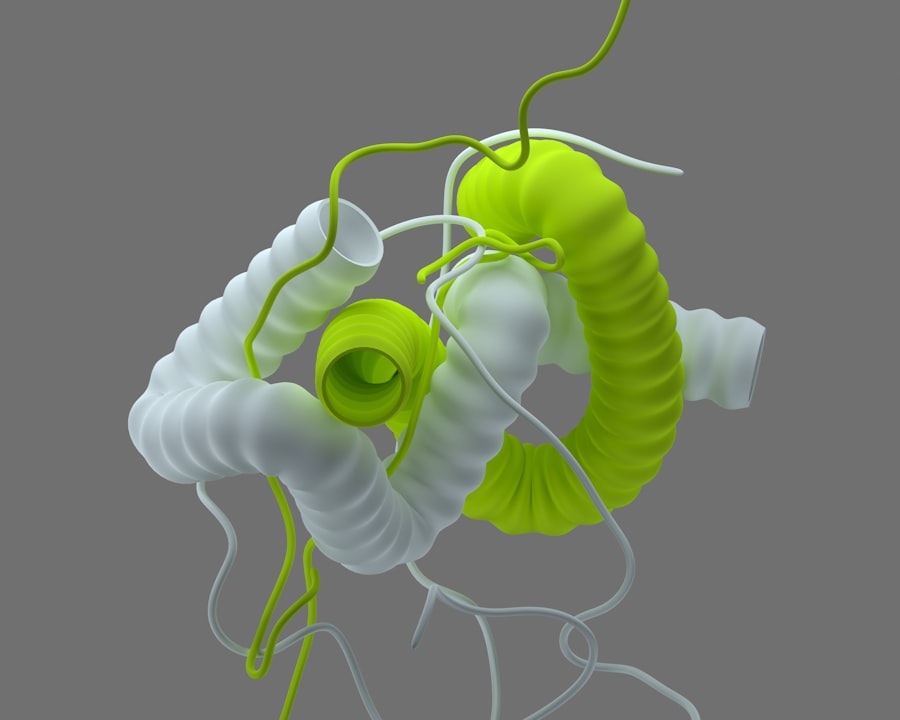
Quantum entanglement is perhaps one of the most enigmatic quantum phenomena. It describes a state where two or more particles become linked in such a way that they share the same fate, regardless of the distance separating them. Measuring the state of one entangled particle instantaneously influences the state of the other, a connection Albert Einstein famously dubbed “spooky action at a distance.”
The Spooky Connection: DNA and its Environment
The idea of entanglement within a biological molecule like DNA is both fascinating and challenging to investigate. While direct experimental evidence for entanglement in DNA remains elusive, theoretical models explore its potential implications. One area of interest is how DNA might maintain functional integrity through entanglement with its surrounding environment, perhaps water molecules or surrounding proteins.
Maintaining Biological “Order” in a Chaotic World
Life itself seems to defy the second law of thermodynamics, which states that entropy (disorder) always increases in a closed system. Yet, living organisms maintain a high degree of order. Some speculative theories suggest that quantum entanglement might play a role in this apparent contradiction, creating correlations that help biological systems maintain their structure and function in the face of thermodynamic fluctuations. For DNA, this could translate to a subtle quantum “entanglement” with its cellular milieu that helps stabilize its complex biological roles and prevents it from succumbing to random molecular chaos.
Unifying the Double Helix: A Quantum Hypothesis
Could quantum entanglement play a role in maintaining the precise complementarity of the DNA double helix? While base pairing is primarily driven by chemical forces, it is conceivable that a more profound quantum connection, perhaps at the level of shared quantum states, could contribute to the remarkable stability and accuracy of this pairing. If the bases within a DNA strand were entangled with their complementary partners, any disruption to one would instantaneously affect the other, creating a highly robust system for maintaining genetic information. This remains a highly theoretical concept, but one that underscores the potential for quantum mechanics to offer novel explanations for seemingly well-understood biological phenomena.
Quantum Zeno Effect and DNA Stability
The Quantum Zeno effect is a peculiar quantum phenomenon where the repeated observation or measurement of a quantum system can inhibit its evolution. Imagine a pendulum that is constantly being checked to see if it’s moving. The act of checking, if done frequently enough, can prevent the pendulum from swinging.
Freezing the Helix: Preventing Mutations?
The stability of the DNA molecule is paramount for life. Mutations, which are changes in the DNA sequence, can have deleterious effects. The Quantum Zeno effect offers a speculative mechanism by which DNA might be protected from spontaneous changes. If the crucial states of DNA, such as its base pairings, are constantly “monitored” by surrounding quantum fields or molecules, this continuous observation could, in theory, freeze DNA in its correct conformation, thereby preventing unwanted transitions or mutations.
The Cellular “Guardians”: Quantum Monitoring in Action
This effect could operate through interactions with cellular components that are themselves quantum in nature. For example, the highly ordered structure of water molecules surrounding DNA, or the specific vibrational modes of DNA itself, might act as continuous observers, effectively “freezing” DNA’s crucial states and contributing to its remarkable stability over geological timescales. While direct evidence for the Quantum Zeno effect in DNA is still being sought, it represents a compelling area of investigation within quantum biology.
DNA Repair and the Zeno Effect
The Quantum Zeno effect might also have implications for DNA repair mechanisms. If DNA repair enzymes are constantly “observing” specific segments of DNA to detect damage, this continuous observation could concentrate the repair process on the damaged site. Conversely, areas that are not damaged would be “frozen” in their correct state, making them less likely to undergo spontaneous changes that might mimic damage. This would create a highly efficient and targeted repair system.
Quantum biology explores the intricate connections between quantum mechanics and biological processes, shedding light on the mysteries of DNA and its functions. A fascinating article that delves deeper into this subject can be found at My Cosmic Ventures, where the author discusses how quantum effects may influence the behavior of DNA and the implications for understanding life at a molecular level. This intersection of physics and biology opens up new avenues for research and could revolutionize our comprehension of genetic mechanisms.
The Future of Quantum DNA: Implications and Research Directions
| Aspect | Metric/Value | Description |
|---|---|---|
| Quantum Coherence Time in DNA | ~1-10 picoseconds | Estimated duration quantum coherence can be maintained in DNA molecules, relevant for quantum effects in biological processes. |
| Electron Tunneling Distance | ~2-3 nanometers | Distance over which electrons can quantum tunnel between base pairs in DNA, facilitating charge transfer. |
| Proton Tunneling Rate | 10^6 – 10^9 s⁻¹ | Rate at which protons can tunnel between hydrogen bonds in DNA base pairs, potentially causing mutations. |
| DNA Mutation Rate | ~10^-9 mutations per base pair per replication | Frequency of spontaneous mutations, some possibly influenced by quantum tunneling effects. |
| Energy of Hydrogen Bonds in DNA | ~1-3 kcal/mol | Energy stabilizing base pairs, relevant for quantum effects like proton tunneling. |
| Quantum Entanglement Duration | ~femtoseconds to picoseconds | Estimated timescale for entanglement between biomolecules in DNA, potentially influencing biological functions. |
| Spin Coherence Time in DNA | ~microseconds | Duration electron spins remain coherent, relevant for spin-based quantum effects in DNA. |
The exploration of quantum effects within DNA is still in its nascent stages. While much of the current understanding is theoretical or based on analogies with other biological systems, the potential implications are vast and could revolutionize our understanding of life itself.
Towards a Quantum-Enhanced Understanding of Disease
Many diseases, including cancer and genetic disorders, are fundamentally linked to malfunctions or damage within DNA. If quantum processes are indeed involved in DNA’s normal functioning, then anomalies in these quantum behaviors could be the root cause of various pathologies. Understanding these quantum dysfunctions could lead to novel diagnostic tools and therapeutic interventions. For instance, if DNA damage propagates via quantum tunneling, therapies could be designed to either enhance or inhibit this process.
Novel Therapies: Targeting Quantum Vulnerabilities
Imagine developing drugs that specifically target and disrupt quantum coherence in cancer cells, or therapies that stabilize DNA in neurological disorders by manipulating quantum entanglement. The possibilities, while speculative, are nonetheless exciting and point towards a future where medicine could operate at a level of quantum precision.
Harnessing Quantum Effects for Biotechnology
Beyond medicine, a deeper understanding of quantum DNA could unlock new frontiers in biotechnology. From developing more stable and efficient DNA-based data storage to engineering more robust biological systems, the principles of quantum biology could be harnessed for practical applications.
The “Quantum Computer” of Life
Life, in its elegance, might already be utilizing principles that we are only beginning to understand. DNA, with its intricate interplay of molecular forces and biological functions, could be viewed as a complex biological “quantum computer,” where quantum phenomena are integral to its operation. Further research into unraveling these secrets promises not only to satisfy our scientific curiosity but also to offer profound insights into the very essence of life and its resilience. The journey into the quantum realm of DNA has just begun, and its potential discoveries are as boundless as the universe itself.
FAQs
What is quantum biology?
Quantum biology is the study of quantum phenomena, such as superposition and entanglement, in biological systems. It explores how quantum mechanics may influence processes like photosynthesis, enzyme activity, and genetic mutations.
How does quantum biology relate to DNA?
Quantum biology investigates how quantum effects might play a role in the behavior and function of DNA molecules, including the mechanisms of genetic mutation, replication, and repair at the quantum level.
What quantum phenomena have been observed in DNA?
Research suggests that quantum tunneling of protons within DNA base pairs can lead to mutations. Additionally, quantum coherence may influence the stability and interactions of DNA strands.
Why is understanding quantum effects in DNA important?
Understanding quantum effects in DNA could provide insights into the fundamental mechanisms of genetics, improve knowledge of mutation processes, and potentially lead to advances in medicine and biotechnology.
Is quantum biology widely accepted in the scientific community?
Quantum biology is an emerging field with growing interest, but it remains a subject of ongoing research and debate. While some quantum effects in biological systems are supported by experimental evidence, the full extent of their role is still being explored.