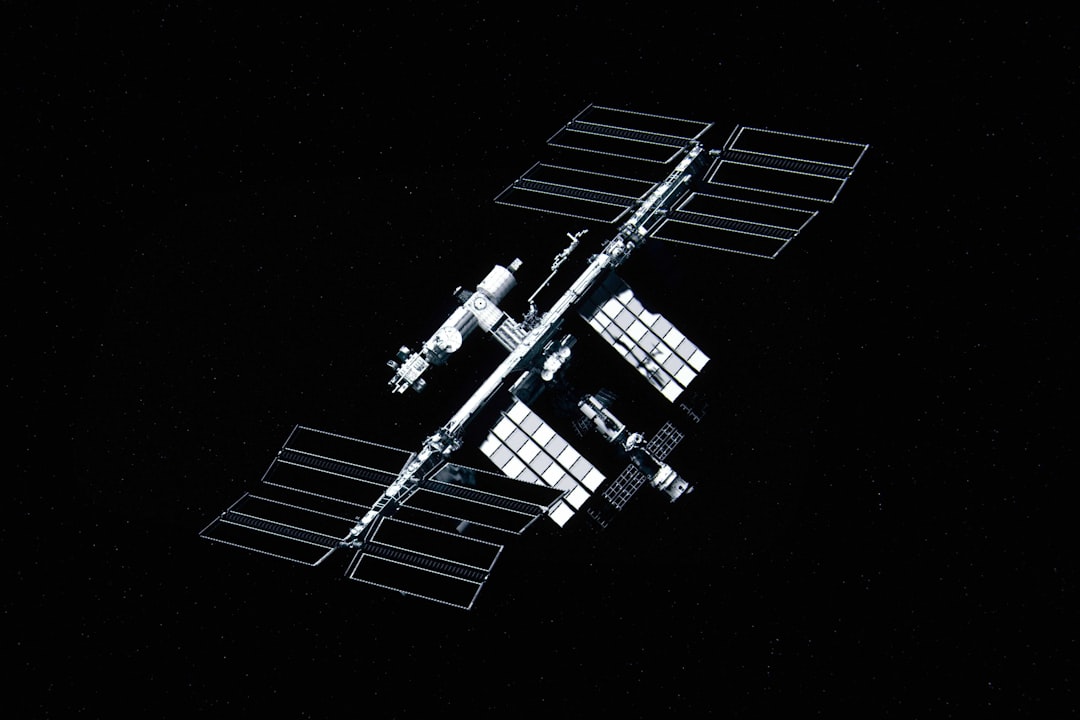
The International Space Station (ISS) stands as a testament to human ingenuity and collaborative spirit, a marvel of engineering that orbits the Earth at an astonishing speed. This colossal laboratory in space, a veritable celestial shipyard, is not a single monolithic structure but a meticulously assembled constellation of modules, each a specialized vessel contributing to the overall mission. To truly appreciate its complexity, one must delve into the intricate tapestry of its design, construction, and ongoing operation.
The inception of the International Space Station was not a sudden flash of inspiration but a gradual evolution of prior space station concepts. Following the success of Skylab and Mir, nations recognized the potential for a more ambitious, internationally collaborative endeavor. The early whispers of a joint project began in the late 1980s, a period marked by a thawing of Cold War tensions and a growing understanding of the benefits of shared scientific and engineering challenges.
From Cold War Rivalry to Cooperative Venture
The initial discussions involved several nations, each with their own aspirations in space. The United States, with its Space Shuttle program, and Russia, with its extensive experience in long-duration spaceflight, formed the core of this nascent collaboration. Other international partners, including the European Space Agency (ESA), Japan, and Canada, brought unique capabilities and perspectives, transforming a potential competition into a powerful synergy.
The Modular Design Philosophy: A Cosmic Lego Set
A fundamental decision that shaped the ISS’s engineering was the adoption of a modular design. Instead of launching one massive structure, smaller, standardized modules were designed to be transported into orbit by various launch vehicles and then assembled in space. This approach offered significant advantages, allowing for phased development, easier repairs and upgrades, and the flexibility to adapt to evolving scientific and logistical needs. Think of it as building a sprawling metropolis brick by brick, rather than attempting to airlift a finished skyscraper.
For those interested in the intricate design and functionality of the International Space Station, a related article titled “The Hidden Engineering of the International Space Station” delves into the innovative technologies and engineering marvels that make this orbiting laboratory possible. To explore more about the fascinating aspects of space exploration and the ISS, you can visit this link: My Cosmic Ventures.
Assembling the Orbiting Habitation: The Modules
The heart of the ISS is its collection of interconnected modules, each a specialized environment designed for a specific purpose. These modules are not merely pressurized cans; they are sophisticated pieces of engineering housing life support systems, scientific instruments, power generation, and living quarters.
The Destiny of Russian Modules: Foundations of the Orbit
Early in the construction sequence, Russia played a pivotal role by contributing several foundational modules. The Zarya (“Dawn”) module, launched in 1998, was the very first piece of the ISS to reach orbit. It provided initial power, propulsion, and storage capabilities, serving as a temporary command center. Following Zarya was the Zvezda (“Star”) Service Module, which became the station’s early living quarters and provided critical life support systems. These Russian modules laid the groundwork, much like the initial foundations of a building, upon which the rest of the station would be constructed.
The US Orbital Segment: Expanding the Living and Working Space
The United States introduced its own set of modules, significantly expanding the station’s habitable volume and scientific capacity. The Unity node, launched in 1998, was a crucial connecting point, designed to link the Russian modules with subsequent US-built components. The Destiny Laboratory, a state-of-the-art research facility, became the primary hub for scientific experiments. Other US modules, such as the Tranquility module, provided additional living and working space, contributing to the overall comfort and functionality of the station.
Contributions from International Partners: Global Expertise in Orbit
The ESA and Japan also contributed vital modules that enhanced the ISS’s capabilities. The Columbus laboratory, provided by ESA, became a dedicated European research facility, focusing on a wide range of scientific disciplines. Japan’s Kibo (“Hope”) module, the largest single module on the ISS, offered unique research capabilities, including an external platform for experiments exposed to the vacuum of space. These international contributions underscore the collaborative nature of the project, transforming it from a single nation’s endeavor into a truly global undertaking.
The Lifelines of the Station: Power, Life Support, and Propulsion
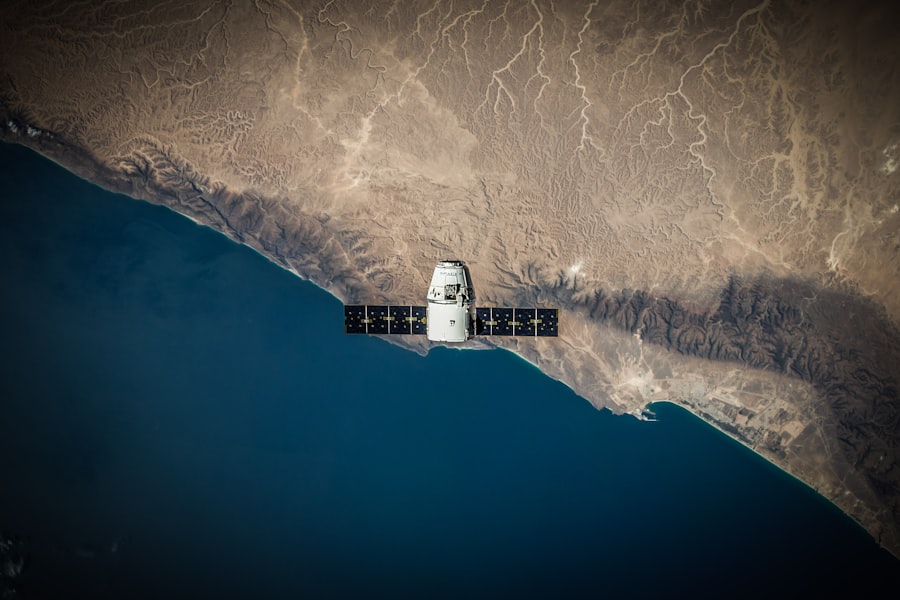
A space station, especially one designed for long-duration human habitation, requires robust and redundant systems to sustain life and enable its mission. The engineering behind these critical systems is a triumph of miniaturization and reliability.
Harnessing the Sun: The Solar Arrays
The primary source of power for the ISS is its magnificent solar array wings. These vast, often shimmering panels are like giant solar sails, converting sunlight into electrical energy. These arrays are deployed in large, rectangular sections and are mounted on rotating joints called “alpha joints” and “beta joints” to continuously track the sun, maximizing power generation. The sheer scale of these arrays is impressive, spanning hundreds of feet across, and they provide the electrical muscle that powers the entire station.
Sustaining Life in the Void: Environmental Control and Life Support Systems (ECLSS)
The ECLSS is the most crucial engineering feat for human survival in space. It is a complex network of systems designed to maintain a habitable environment within the station’s modules. This includes the regulation of temperature, pressure, and atmospheric composition, as well as the removal of waste products.
Air Purification and Oxygen Generation
The ISS recycles air with remarkable efficiency. Carbon dioxide exhaled by the astronauts is scrubbed from the atmosphere and, in some cases, processed to generate oxygen. Water is also a vital component of the ECLSS, not only for drinking but also for temperature control and oxygen generation through electrolysis. The “water recycling system,” a marvel of engineering, purifies wastewater, urine, and even sweat, transforming it back into potable water. Imagine a closed-loop ecosystem, where nothing is wasted.
Waste Management and Hygiene
Human waste is a significant challenge in a closed environment. The ISS employs specialized toilets that use airflow to collect waste, which is then processed and stored. Hygiene is maintained through limited water use, with astronauts opting for waterless shampoos and specially designed washcloths. Every drop of water is precious, and the engineering reflects this scarcity.
Navigating the Cosmos: Propulsion and Attitude Control
While the ISS is largely in a stable orbit, it requires propulsion systems for station-keeping, attitude control, and orbital adjustments. These systems counteract atmospheric drag and maintain the station’s precise orbital path.
Thrusters and Momentum Wheels
The station utilizes a network of small thrusters to make minor orbital corrections and to control its orientation. For more precise attitude control, the ISS employs gyroscopes called control moment gyroscopes (CMGs). These spinning wheels store rotational energy, and by altering their orientation, they can exert torque on the station, allowing for controlled rotations without expending propellant.
The Connective Tissue: Docking Ports and Berthing Mechanisms
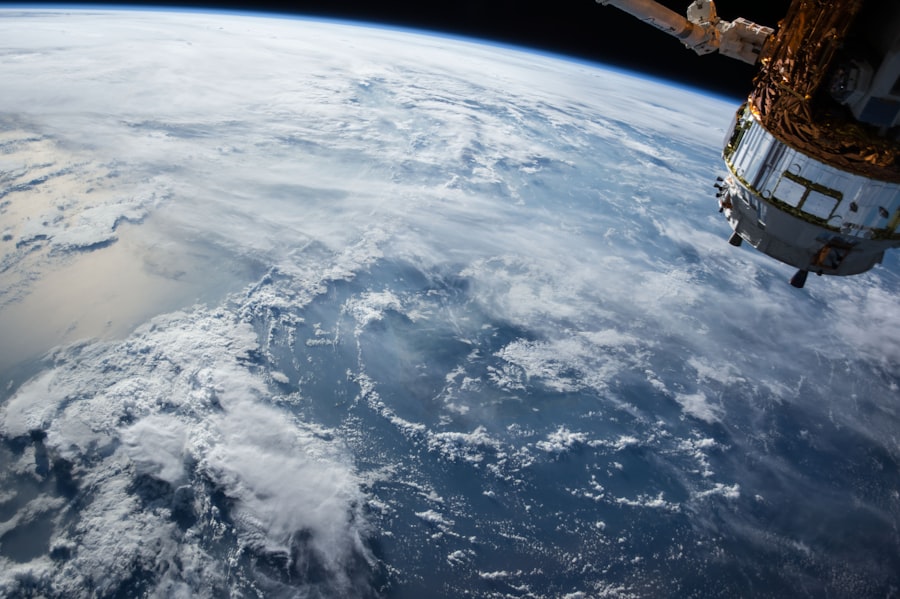
The ability to connect and disconnect various spacecraft and modules is fundamental to the ISS’s existence. The intricate docking and berthing mechanisms are engineering marvels that ensure a secure and airtight seal in the vacuum of space.
Docking Systems: Rendezvous and Attachment
The ISS features multiple docking ports designed to accommodate various visiting spacecraft, including the Soyuz, Crew Dragon, and Cygnus. These systems are engineered to align precisely, allowing for a gentle, controlled approach and a strong mechanical connection. The process is akin to two highly calibrated robotic arms carefully interlocking.
Berthing Mechanisms: Integrating New Modules
Berthing is a process where larger modules are attached to the station. This typically involves a robotic arm, like the Canadarm2, grappling the module and carefully maneuvering it into position for connection. The berthing mechanisms are designed to provide a robust structural link once the module is in place.
The hidden engineering of the International Space Station reveals the intricate design and technology that make life in space possible. For those interested in exploring further, an insightful article on the challenges of maintaining life support systems in such a unique environment can be found here. This piece delves into the critical systems that ensure astronauts can thrive in microgravity, highlighting the remarkable innovations that keep the ISS operational.
Maintenance and Upgrades: The Ongoing Evolution
| Metric | Value | Description |
|---|---|---|
| Mass | 419,725 kg | Total mass of the ISS including modules, trusses, and equipment |
| Length | 72.8 meters | Overall length of the ISS from end to end |
| Width | 108.5 meters | Width of the solar arrays when fully extended |
| Orbit Altitude | 408 km | Average altitude above Earth’s surface |
| Orbital Speed | 28,000 km/h | Speed at which the ISS orbits Earth |
| Power Generation | 84 to 120 kW | Electric power generated by the solar arrays |
| Pressurized Volume | 388 m³ | Living and working space inside the station |
| Number of Modules | 16+ | Pressurized modules from international partners |
| Robotic Arms | 2 main arms | Used for assembly, maintenance, and cargo handling |
| Thermal Control System | Active and passive | Maintains temperature within operational limits |
The ISS is not a static structure. Its design inherently accommodates ongoing maintenance, repairs, and upgrades, ensuring its continued operational life and ability to host evolving scientific research.
Spacewalks: Extravehicular Activities (EVAs)
The legendary spacewalks, or Extravehicular Activities (EVAs), are a critical component of ISS maintenance. Astronauts venture outside the station in specialized spacesuits to perform repairs, install new equipment, and conduct external experiments. These missions require meticulous planning, advanced robotics, and the astronaut’s incredible dexterity and courage. The spacesuits themselves are miniature spacecraft, providing life support and protection from the harsh space environment.
Robotic Arms: The Dexterous Assistants
The Canadarm2, a sophisticated robotic arm mounted on the exterior of the ISS, is an indispensable tool for EVAs and module assembly. Its multiple joints and advanced control systems allow it to grasp, move, and manipulate large objects with remarkable precision. It acts as an extension of the astronauts’ reach, performing tasks that would otherwise be impossible or extremely dangerous.
Internal Upgrades and Module Replacements
The modular design of the ISS allows for the replacement or upgrade of internal components and even entire modules. This ensures that the station remains at the forefront of technological capabilities and can adapt to new scientific demands. It’s a living, breathing entity that evolves over time.
The engineering of the International Space Station is a multifaceted masterpiece, a symphony of interconnected systems working in harmony. From the initial conception to the ongoing maintenance, every element has been meticulously designed and executed. It is a testament to what can be achieved when humanity sets its sights on the stars and collaborates to overcome extraordinary challenges, proving that even in the vast silence of space, human ingenuity can build a home.
FAQs
What is the International Space Station (ISS)?
The International Space Station (ISS) is a large spacecraft in low Earth orbit that serves as a space environment research laboratory. It is a joint project involving NASA, Roscosmos, ESA, JAXA, and CSA, where astronauts live and conduct scientific experiments.
What are some key engineering challenges in building the ISS?
Key engineering challenges include designing modules that can withstand the harsh environment of space, ensuring reliable life support systems, creating docking mechanisms for international spacecraft, and developing power systems like solar arrays to provide continuous energy.
How is the ISS assembled in space?
The ISS was assembled in orbit through a series of space shuttle missions and robotic operations. Modules and components were launched separately and then connected using robotic arms and spacewalks by astronauts, allowing the station to grow incrementally over time.
What hidden engineering features help maintain the ISS’s stability?
Hidden engineering features include gyroscopes and control moment gyroscopes that help maintain the station’s orientation without using fuel, thermal control systems to manage temperature extremes, and micrometeoroid shielding to protect against space debris.
How do engineers ensure the safety and functionality of the ISS over time?
Engineers conduct regular maintenance and upgrades through spacewalks and robotic servicing missions. They also monitor systems continuously from Earth, use redundant systems for critical functions, and design components to be replaceable to extend the station’s operational life.