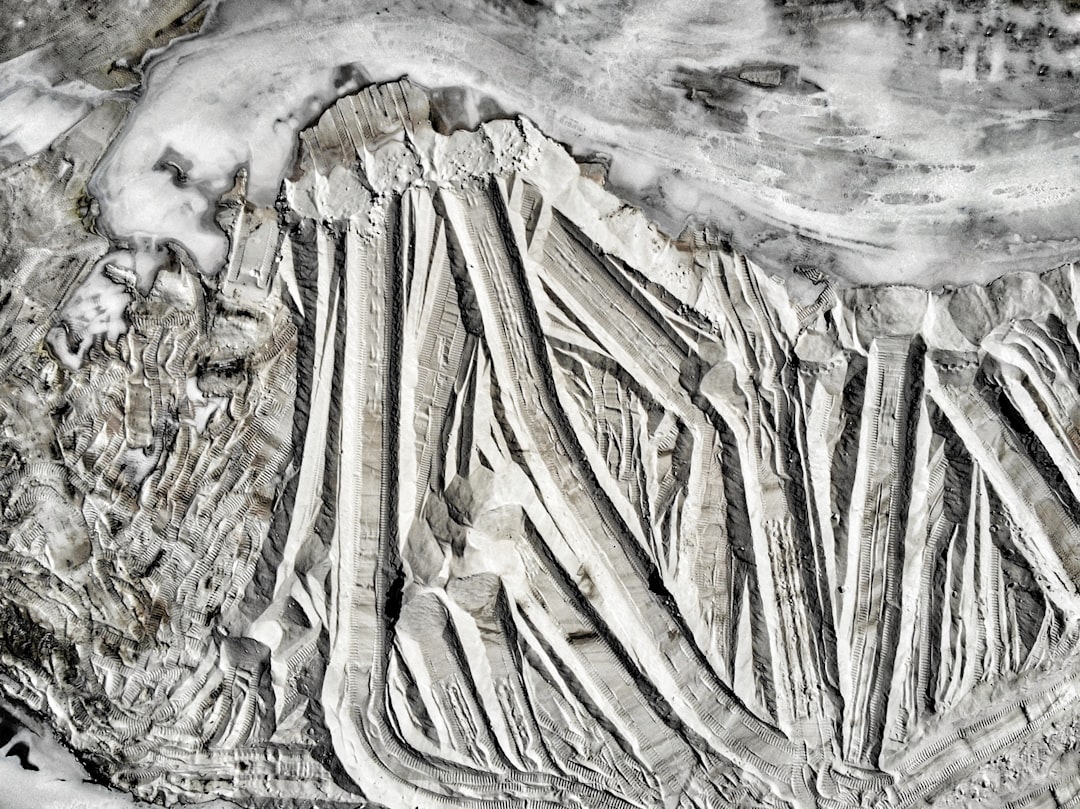
Europa, one of Jupiter’s most intriguing moons, has captivated scientists and astronomers alike with its enigmatic surface and the tantalizing possibility of harboring life beneath its icy exterior. The moon is enveloped in a thick shell of ice, which is believed to cover a vast subsurface ocean of liquid water. This ice shell, with its complex structure and varying thickness, plays a crucial role in understanding the moon’s geology, chemistry, and potential for supporting life.
As researchers delve deeper into the mysteries of Europa, the ice shell emerges as a focal point of study, offering insights into not only the moon itself but also the broader implications for astrobiology in our solar system. The significance of Europa’s ice shell extends beyond mere curiosity; it is a key factor in determining the moon’s habitability. The thickness of this icy layer influences the exchange of materials between the surface and the ocean below, affecting the potential for life-sustaining chemical reactions.
Moreover, understanding the ice shell’s characteristics can provide clues about the moon’s geological history and the dynamics of its subsurface ocean. As scientists continue to explore Europa, they are increasingly aware that unraveling the secrets of its ice shell is essential for comprehending the moon’s past, present, and future.
Key Takeaways
- Europa’s ice shell is a key feature of its surface, and understanding its thickness is crucial for studying the moon’s potential habitability.
- Measuring ice shell thickness on Europa is challenging, but various methods such as radar and gravity measurements have been used to gather data.
- Previous research has provided valuable insights into Europa’s ice shell, including evidence of potential subsurface oceans and the role of tidal heating in shaping the shell’s thickness.
- Tidal heating, caused by gravitational interactions with Jupiter and other moons, plays a significant role in determining the thickness and dynamics of Europa’s ice shell.
- Variations in ice shell thickness have important implications for the potential habitability of Europa and the possibility of accessing its subsurface ocean.
The Importance of Understanding Ice Shell Thickness
The thickness of Europa’s ice shell is a critical parameter that influences various aspects of its environment. A thicker ice shell may insulate the subsurface ocean from external influences, potentially creating a stable environment conducive to life. Conversely, a thinner ice shell could facilitate interactions between the ocean and the surface, allowing for nutrient exchange and chemical reactions that are vital for biological processes.
Understanding how thick or thin this ice layer is can help scientists assess the potential for life on Europa and inform future exploration missions. Moreover, the ice shell’s thickness can provide insights into the moon’s geological activity. Variations in thickness may indicate tectonic processes or cryovolcanism, where subsurface materials are expelled through the ice.
By studying these variations, researchers can gain a better understanding of Europa’s geological history and the forces shaping its surface. Thus, measuring and interpreting ice shell thickness is not merely an academic exercise; it has profound implications for understanding the moon’s potential habitability and geological evolution.
Methods for Measuring Ice Shell Thickness

To accurately assess the thickness of Europa’s ice shell, scientists employ a variety of measurement techniques. One prominent method involves radar sounding, which utilizes radio waves to penetrate the ice and reflect off the underlying ocean. By analyzing the returned signals, researchers can infer the depth of the ice layer and gather information about its composition and structure.
This technique has been successfully used in other icy bodies in the solar system and holds promise for revealing Europa’s secrets. In addition to radar sounding, thermal imaging plays a crucial role in understanding ice shell thickness. By measuring surface temperatures and heat flow, scientists can infer how thick the ice is based on how heat escapes from the subsurface ocean.
This method provides complementary data to radar measurements and helps create a more comprehensive picture of Europa’s icy exterior. Together, these techniques form a robust toolkit for investigating one of the most intriguing aspects of this distant moon.
Previous Findings and Research on Europa’s Ice Shell
| Research Study | Findings | Source |
|---|---|---|
| Galileo Mission | Indications of a subsurface ocean | NASA |
| Hubble Space Telescope | Observations of water vapor plumes | Space.com |
| Cassini Mission | Gravity measurements suggesting a thick ice shell | ESA |
Over the years, numerous studies have contributed to our understanding of Europa’s ice shell. Data collected from past missions, such as NASA’s Galileo spacecraft, have provided valuable insights into its surface features and potential subsurface ocean.
Recent research has focused on estimating the thickness of Europa’s ice shell based on various models and observations. Some studies suggest that the ice could be anywhere from 10 to 30 kilometers thick, while others propose even greater thicknesses in certain regions. These findings highlight the variability of the ice shell across different areas of Europa and underscore the need for further investigation to refine these estimates.
As researchers continue to analyze existing data and develop new models, they are piecing together a more detailed picture of this fascinating moon.
The Role of Tidal Heating in Ice Shell Thickness
Tidal heating is a significant factor influencing Europa’s ice shell thickness and overall geological activity. As Europa orbits Jupiter, gravitational forces exerted by the giant planet cause flexing and stretching of the moon’s interior. This tidal flexing generates heat through friction, which can warm the subsurface ocean and potentially contribute to melting at the base of the ice shell.
The extent of tidal heating is closely linked to the thickness of the ice layer; a thicker shell may insulate the ocean from this heat, while a thinner shell could allow for more direct interaction. Understanding tidal heating is essential for assessing Europa’s habitability. The heat generated by tidal forces may create conditions suitable for life in the subsurface ocean by facilitating chemical reactions and maintaining liquid water.
Additionally, variations in tidal heating across different regions could explain observed differences in surface features and ice shell thickness. By studying these processes, scientists can gain insights into how tidal heating shapes Europa’s environment and influences its potential for supporting life.
Potential Implications of Varying Ice Shell Thickness

The implications of varying ice shell thickness on Europa are profound and multifaceted. A thinner ice shell may enhance nutrient exchange between the surface and subsurface ocean, potentially fostering conditions conducive to life. In contrast, a thicker shell could create a more isolated environment where life might struggle to thrive due to limited access to essential materials.
Understanding these dynamics is crucial for evaluating Europa’s habitability and guiding future exploration efforts. Moreover, variations in ice shell thickness can provide insights into geological processes occurring on Europa. For instance, regions with thinner ice may exhibit signs of cryovolcanism or tectonic activity, while thicker areas might indicate stability over geological timescales.
By mapping these variations across Europa’s surface, researchers can develop models that explain its geological history and ongoing processes. Ultimately, understanding how ice shell thickness influences both biological potential and geological activity is key to unraveling the mysteries of this captivating moon.
Challenges and Limitations in Studying Europa’s Ice Shell
Despite significant advancements in our understanding of Europa’s ice shell, challenges remain in studying this distant moon. One major limitation is the difficulty in obtaining direct measurements of ice thickness due to its remote location and harsh environmental conditions. Current observational techniques rely heavily on data collected from spacecraft flybys or orbiters, which may not provide comprehensive coverage or resolution needed for detailed analysis.
Additionally, interpreting data related to ice shell thickness can be complex due to various factors influencing measurements. For instance, variations in surface features may complicate radar readings or thermal measurements, leading to uncertainties in estimating thickness. Furthermore, models used to simulate tidal heating and geological processes must account for numerous variables that can affect outcomes.
As researchers continue to refine their methods and develop new technologies, addressing these challenges will be essential for advancing our understanding of Europa’s ice shell.
Current Missions and Future Exploration of Europa’s Ice Shell
As interest in Europa continues to grow, several missions are underway or planned to explore this intriguing moon further. NASA’s upcoming Europa Clipper mission aims to conduct detailed reconnaissance of Europa’s ice shell and subsurface ocean using advanced instruments designed for high-resolution imaging and spectroscopy. By gathering data on surface composition, ice thickness, and potential plumes of water vapor, this mission will significantly enhance our understanding of Europa’s environment.
In addition to NASA’s efforts, other space agencies are also considering missions to study Europa. The European Space Agency has proposed concepts that could complement NASA’s endeavors by focusing on different aspects of Europa’s geology and potential habitability. Collaborative international efforts may pave the way for more comprehensive exploration strategies that address key questions about this enigmatic moon.
The Connection Between Ice Shell Thickness and Potential Habitability
The relationship between ice shell thickness and potential habitability on Europa is a critical area of research with far-reaching implications for astrobiology. A thinner ice layer may facilitate nutrient exchange between the surface and subsurface ocean, creating an environment where life could thrive. Conversely, a thicker layer might limit access to essential materials needed for biological processes.
Understanding this connection is vital for assessing not only Europa’s potential for hosting life but also broader questions about habitability on icy moons throughout our solar system. By studying how different factors influence habitability on Europa, researchers can develop models applicable to other celestial bodies with similar characteristics. This knowledge could ultimately inform future exploration efforts aimed at discovering extraterrestrial life beyond Earth.
Comparisons with Other Ice-Covered Moons in the Solar System
Europa is not alone in its icy facade; several other moons in our solar system share similar characteristics that warrant comparison.
Studies of Enceladus have revealed geysers that eject water vapor into space, providing direct evidence of its active geology and potential habitability.
By comparing Europa with other ice-covered moons like Enceladus or Ganymede—another one of Jupiter’s moons—scientists can gain insights into common processes that shape these celestial bodies. Such comparisons may reveal patterns related to ice shell thickness, geological activity, and potential habitability across different environments within our solar system. These studies not only enhance our understanding of individual moons but also contribute to a broader comprehension of icy worlds as potential habitats for life.
Conclusions and Future Directions in Europa’s Ice Shell Research
In conclusion, research into Europa’s ice shell remains a dynamic field with significant implications for understanding this intriguing moon’s geology and potential habitability. The varying thickness of its icy exterior influences not only nutrient exchange but also geological processes that shape its surface features. As scientists continue to refine measurement techniques and analyze existing data, they are uncovering new insights into how this enigmatic moon operates.
Looking ahead, future missions like NASA’s Europa Clipper will play a pivotal role in advancing our knowledge about Europa’s ice shell and subsurface ocean. By addressing current challenges and limitations in studying this distant world, researchers hope to unlock further secrets about its potential for supporting life. As exploration efforts continue to evolve, they will undoubtedly deepen humanity’s understanding of not just Europa but also the broader questions surrounding life beyond Earth in our solar system.
A recent study on the ice shell thickness of Europa, one of Jupiter’s moons, has provided new insights into its potential to harbor life. The research suggests that the ice shell may be thinner than previously thought, which could have significant implications for future missions aiming to explore the subsurface ocean believed to exist beneath the ice. For more detailed information on this topic, you can read a related article on Europa’s ice shell thickness by visiting this page. This article delves into the latest findings and discusses the technological advancements that could aid in probing Europa’s icy surface.
WATCH THIS! The Secret Ocean of Europa: Why NASA is Hunting for Alien Life Beneath the Ice
FAQs
What is the ice shell thickness of Europa?
Europa’s ice shell is estimated to be around 10-15 miles (15-25 kilometers) thick.
How was the ice shell thickness of Europa determined?
The thickness of Europa’s ice shell was determined through a combination of data from the Galileo spacecraft, which conducted flybys of Europa, and mathematical modeling based on the moon’s gravitational interactions with Jupiter.
Why is the thickness of Europa’s ice shell important?
The thickness of Europa’s ice shell is important because it has implications for the potential habitability of the moon. A thinner ice shell could mean that the subsurface ocean is more accessible and could potentially support life.
What are the implications of a thicker ice shell on Europa?
A thicker ice shell could make it more challenging to access the subsurface ocean and could impact the exchange of materials between the ocean and the surface, which could have implications for the potential habitability of Europa.
Are there any future missions planned to study Europa’s ice shell?
Yes, NASA’s Europa Clipper mission is planned to launch in the 2020s and will conduct detailed studies of Europa, including its ice shell, to further our understanding of the moon’s potential habitability.