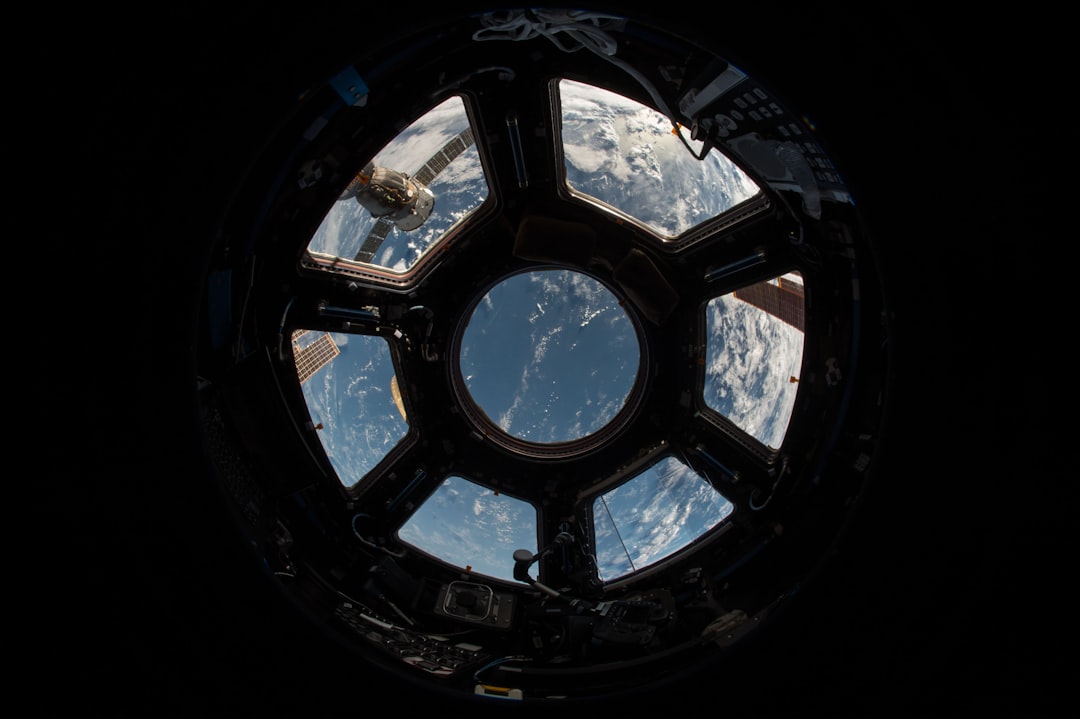
The International Space Station (ISS) stands as a testament to international collaboration and engineering prowess, a constantly inhabited orbital laboratory orbiting Earth. Its existence, spanning over two decades, is a direct result of intricate design, precise execution, and continuous maintenance. This article delves into the engineering marvels that underpin the ISS, exploring its fundamental architecture, life support systems, power generation, and operational challenges.
The ISS, unlike monolithic spacecraft, was not launched as a single unit. Instead, it was assembled in orbit, piece by piece, like a giant LEGO set in the void. This modular approach was critical, allowing for phased construction, incremental expansion, and the integration of components from diverse international partners.
Core Modules and Their Functions
The ISS is composed of numerous modules, each serving a specific purpose. These modules, primarily cylindrical, are interconnected, forming an intricate network of habitable volume.
- Zarya (Functional Cargo Block, FGB): Launched in 1998, Zarya was one of the first modules and provided initial propulsion and power. It served as a critical early building block for the station.
- Unity (Node 1): The first US-built module, Unity, launched in 1998, served as a crucial connecting hub, linking Zarya to other modules and providing vital utilities. Its six berthing ports are analogous to a central nervous system for the station’s early expansion.
- Zvezda (Service Module): Launched in 2000, Zvezda provides the primary living quarters, propulsion, and life support for the Russian segment. It serves as a command and control center for the Russian portion of the ISS.
- Destiny (U.S. Laboratory Module): The primary research facility for US payloads, Destiny, launched in 2001, offers dedicated racks for scientific experiments in microgravity. One can consider it the intellectual engine room of the US segment.
- Harmony (Node 2): Launched in 2007, Harmony serves as a connecting module similar to Unity, providing additional berthing ports for subsequent modules like the European Columbus laboratory and the Japanese Kibo module.
- Columbus (European Laboratory): The European Space Agency’s (ESA) primary contribution to scientific research, Columbus, launched in 2008, offers a pressurized laboratory for various scientific disciplines.
- Kibo (Japanese Experiment Module): Japan’s contribution to the ISS, Kibo, launched in several stages from 2008 to 2009, is the largest single ISS module and comprises several components, including a pressurized module, an exposed facility, and a robotic arm. It acts as a versatile scientific toolkit for Japanese researchers.
Truss Structure and External Components
Beyond the pressurized modules, a vast external truss structure supports critical station components.
- Integrated Truss Structure (ITS): This backbone of the ISS is a series of interconnected segments that provide mounting points for solar arrays, radiators, and other external equipment. It can be likened to the skeletal framework that holds the entire body aloft.
- External Robotics: The Canadarm2, a robotic arm developed by the Canadian Space Agency (CSA), is instrumental in station assembly, maintenance, and the handling of spacecraft. Its dexterity and reach are unmatched in orbit. The Japanese Experiment Module Remote Manipulator System (JEMRMS) provides similar capabilities for the Kibo module.
For those interested in the intricate design and functionality of the International Space Station, a related article titled “The Hidden Engineering of the International Space Station” delves into the innovative technologies that make this marvel of modern engineering possible. To explore more about the fascinating aspects of space exploration and the engineering feats behind it, you can visit this link: My Cosmic Ventures.
Sustaining Life in Orbit: Environmental Control and Life Support Systems (ECLSS)
For the ISS to be a continuously inhabited outpost, a sophisticated suite of systems is required to maintain a habitable environment for its crew. These systems are collectively known as the Environmental Control and Life Support System (ECLSS).
Atmosphere Management
Maintaining a breathable atmosphere is paramount. The ISS atmosphere is regulated to be similar to Earth’s sea-level atmosphere in terms of pressure and composition.
- Oxygen Generation: Oxygen is supplied through electrolysis of water, a process that separates water molecules into hydrogen and oxygen. Supplemental oxygen can also be provided from high-pressure tanks, a backup system in case the primary system fails.
- Carbon Dioxide Removal: As humans exhale carbon dioxide, it must be continuously removed from the atmosphere to prevent buildup. This is achieved using a Carbon Dioxide Removal Assembly (CDRA), which employs molecular sieves to absorb the CO2.
- Trace Contaminant Control: The station’s environment may accumulate various trace contaminants from equipment and human activities. Filters and catalytic converters continuously remove these impurities, ensuring air quality. Imagine a constant internal air purification system working tirelessly.
- Pressure Control: Maintaining atmospheric pressure is crucial. Nitrogen and oxygen tanks are used to replenish any lost gases, ensuring a stable internal pressure.
Water Recycling and Waste Management
Given the high cost of lifting supplies into orbit, water recycling is an essential component of the ISS’s sustainability.
- Water Recovery System (WRS): This system purifies wastewater, including urine, wash water, and condensate from air, turning it back into potable water. It is a highly efficient, closed-loop system, demonstrating humanity’s ingenuity in resource utilization.
- Solid Waste Management: Solid waste is compacted and stored, eventually being placed in resupply vehicles that burn up upon re-entry into Earth’s atmosphere, effectively serving as a high-tech orbital incinerator.
Thermal Control System (TCS)
The ISS experiences extreme temperature fluctuations, from scorching sunlight to the frigid vacuum of space. The TCS is critical in maintaining an adequate internal temperature.
- Active Thermal Control System (ATCS): This system uses a network of ammonia-filled loops to collect heat from internal components and radiate it into space via external radiators. It’s like a sophisticated central air conditioning system, but working in a vacuum.
- Passive Thermal Control System: Multi-layer insulation (MLI) blankets and reflective coatings are used to reduce heat absorption and emission, providing an initial layer of thermal protection for the station’s exterior.
Powering an Orbital Outpost: Electrical Power System (EPS)
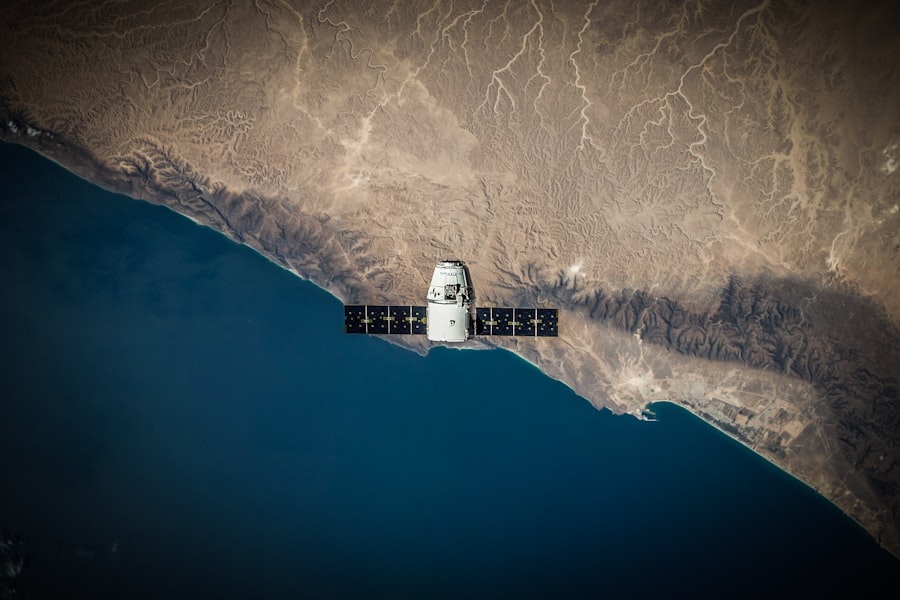
The ISS requires a vast amount of electrical power to operate its scientific instruments, life support systems, and numerous other components. This power is primarily generated through solar arrays.
Solar Arrays and Power Generation
The station is equipped with eight massive solar array wings, each comprising two blankets of photovoltaic cells. These arrays are the lifeblood of the ISS, converting sunlight directly into electricity.
- Photovoltaic Cells: These cells, similar to those found on Earth, convert sunlight into direct current (DC) electricity. The sheer scale of the ISS’s solar arrays is a marvel, spanning an area equivalent to several football fields.
- Alpha Joint and Beta Gimbal Assemblies: These mechanisms allow the solar arrays to continuously track the sun, maximizing power generation. The alpha joint rotates the entire array wing, while the beta gimbal rotates the array blankets along their long axis. This continuous adjustment is akin to a flower always turning its face towards the sun.
Power Storage and Distribution
Since the ISS experiences periods of darkness during its orbit, the generated power must be stored for continuous operation.
- Nickel-Hydrogen (Ni-H2) and Lithium-Ion (Li-ion) Batteries: These batteries store the excess power generated during periods of sun exposure. The older Ni-H2 batteries have been progressively replaced by more efficient Li-ion batteries, reflecting an ongoing technological upgrade.
- Direct Current (DC) to Alternating Current (AC) Conversion: While the solar arrays generate DC power, many of the station’s systems require AC power. Inverters convert the DC power to AC for distribution throughout the station.
- Power Distribution Units (PDUs): These units manage and distribute power to various modules and equipment, ensuring a stable and reliable electrical supply.
Communication and Navigation: Bridging the Distance
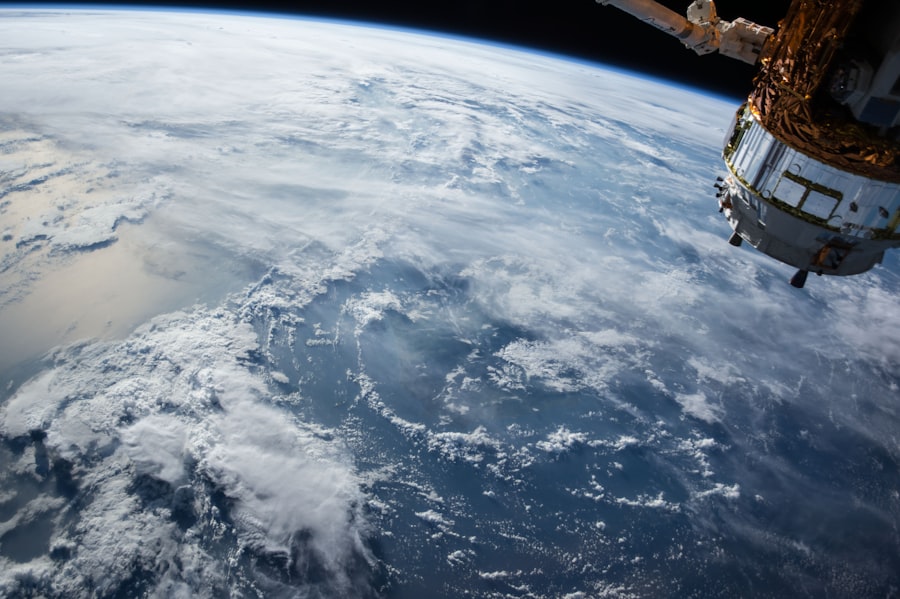
Connecting the ISS to Earth and enabling precise orbital operations rely on sophisticated communication and navigation systems.
Communication Systems
The ISS maintains continuous communication with ground control centers and performs various data transmissions.
- S-Band and Ku-Band Communication: The ISS uses both S-band and Ku-band radio frequencies for communication. S-band is used for voice and low-rate data, while Ku-band provides high-rate data downlink, allowing for the transmission of scientific data and live video.
- Tracking and Data Relay Satellite System (TDRSS): NASA’s TDRSS constellation of geostationary satellites provides near-continuous communication coverage for the ISS, acting as an orbital relay network. This is akin to a constellation of cellular towers permanently positioned in space, ensuring reliable connectivity.
- International Partner Communication Networks: Each international partner also operates its own communication facilities, enabling independent contact with their respective modules and astronauts.
Navigation and Guidance
Precise orbital positioning and maneuvering are crucial for rendezvous, docking, and maintaining the station’s orbit.
- Global Positioning System (GPS) Receivers: GPS receivers on the ISS provide accurate positional data, crucial for navigation and scientific experiments requiring precise location information.
- Star Trackers: These optical sensors determine the station’s orientation by observing the positions of known stars, analogous to a celestial compass.
- Control Moment Gyroscopes (CMGs): These devices consist of spinning flywheels that can be reoriented to apply torque to the station, controlling its attitude without the use of propellants for fine adjustments. Without them, the station would slowly tumble.
- Thrusters and Propulsion: The Russian Zvezda module and various visiting spacecraft provide propulsion for orbital reboosts and attitude adjustments, counteracting the slight atmospheric drag experienced by the station.
In exploring the intricate design and functionality of the International Space Station, readers may also find interest in the article that delves into the various technologies that support life in space. This piece highlights the innovative systems that ensure astronauts can thrive in the harsh environment beyond Earth. For a deeper understanding of these advancements, you can check out the related article here.
Challenges and Future Evolution: A Dynamic Machine
| Metric | Value | Description |
|---|---|---|
| Mass | 419,725 kg | Total mass of the ISS including modules, trusses, and equipment |
| Length | 72.8 meters | Overall length of the ISS from end to end |
| Width | 108.5 meters | Width including solar arrays |
| Orbit Altitude | 408 km | Average altitude above Earth’s surface |
| Orbit Speed | 28,000 km/h | Speed at which the ISS orbits Earth |
| Power Generation | 84 to 120 kW | Electric power generated by solar arrays |
| Pressurized Volume | 388 cubic meters | Living and working space inside the ISS |
| Number of Modules | 16+ | Pressurized modules from international partners |
| Robotic Arm Reach | 17.6 meters | Length of Canadarm2 used for assembly and maintenance |
| Temperature Control | -157°C to 121°C | Range of temperatures managed by thermal control systems |
Operating and maintaining the ISS presents continuous engineering challenges, from equipment malfunctions to the hostile space environment.
Microgravity Environment
The microgravity environment, while invaluable for scientific research, also poses engineering challenges.
- Fluid Management: In microgravity, liquids behave differently, requiring specialized systems for fluid transfer and storage.
- Material Degradation: Some materials can degrade faster in the vacuum and radiation environment of space than on Earth.
Radiation Protection
The ISS orbits within Earth’s protective magnetic field, but astronauts are still exposed to higher levels of radiation than on Earth.
- Shielding: The station’s structure provides some passive shielding, and further research is ongoing into more effective radiation protection methods.
Space Debris Mitigation
The threat of space debris impacting the ISS is a constant concern.
- Maneuvers: The station can perform evasive maneuvers to avoid larger pieces of tracked debris.
- Shielding: Critical modules feature multi-layer protection designed to withstand impacts from smaller debris particles. These shields act as a bulletproof vest against microscopic projectiles.
Future Developments
The ISS continues to evolve with technological advancements and future mission goals.
- Commercial Modules: The integration of commercially developed modules, such as those by Axiom Space, signals a shift towards greater commercial involvement in low Earth orbit.
- New Scientific Instruments: Continuous upgrades and additions of scientific instruments expand the research capabilities of the station.
- Role in Lunar and Martian Missions: The ISS serves as a vital testbed for technologies and operational procedures that will be critical for future human missions to the Moon and Mars. It is the training ground, the proving ground, for humanity’s next great leaps.
In conclusion, the International Space Station is not merely a collection of modules; it is a meticulously engineered system, a triumph of human ingenuity, and a testament to the power of international cooperation. From its modular construction to its sophisticated life support and power systems, every aspect of the ISS has been designed to operate in the unforgiving environment of space, allowing humanity to maintain a continuous presence beyond Earth and push the boundaries of scientific discovery. Its existence serves as a continuous reminder of what can be achieved when nations unite for a common, ambitious goal.
FAQs
What is the International Space Station (ISS)?
The International Space Station (ISS) is a large spacecraft in low Earth orbit that serves as a space environment research laboratory. It is a joint project involving NASA, Roscosmos, ESA, JAXA, and CSA, where astronauts live and conduct scientific experiments.
What are some key engineering challenges in building the ISS?
Key engineering challenges include designing modules that can withstand the harsh environment of space, ensuring reliable life support systems, creating docking mechanisms for international spacecraft, and developing power systems like solar arrays to provide continuous energy.
How is the ISS assembled in space?
The ISS was assembled in orbit through a series of space shuttle missions and robotic operations. Modules and components were launched separately and then connected using robotic arms and spacewalks by astronauts, allowing the station to grow incrementally over time.
What hidden engineering systems support the ISS’s operation?
Hidden engineering systems include thermal control systems to manage temperature extremes, advanced communication networks for data transmission, redundant safety systems to protect crew members, and sophisticated propulsion units to maintain the station’s orbit.
How does the ISS maintain its orbit and position in space?
The ISS maintains its orbit through periodic reboost maneuvers using thrusters on attached spacecraft or the station itself. Attitude control systems, including gyroscopes and control moment gyroscopes, help keep the station properly oriented for solar power generation and docking operations.